
Chicken coop deals
Chicken Coop Deals: how an old farmer sizes up a coop before letting his hens move in.
Chicken Coop Deals
My name’s Tom, and I’ve been raising laying hens in the U.S. long enough to have more gray hair than I care to count. I’ve built coops out of scrap wood, bought shiny new ones in a box, and fixed up more “bargains” than I’d like to admit. When folks ask me how to sort the good chicken coop deals from the headaches, I always say the same thing: your hens don’t care about pretty paint, they care about space, safety, and dry feet.
On this page I’ll walk you through how I look at ready‑made coops, what actually matters for laying hens, and a few mistakes I made so you don’t have to. I’ll keep it simple, like we’re talking over a fence post, coffee in hand, rooster crowing just a little too loud in the background.
We’ll talk about space, ventilation, predators, cleaning, winter, summer, and how to match a coop to the size of your flock. Along the way I’ll point out the kind of features I like to see when I’m browsing new coops online and some I avoid, no matter how sweet the deal looks.
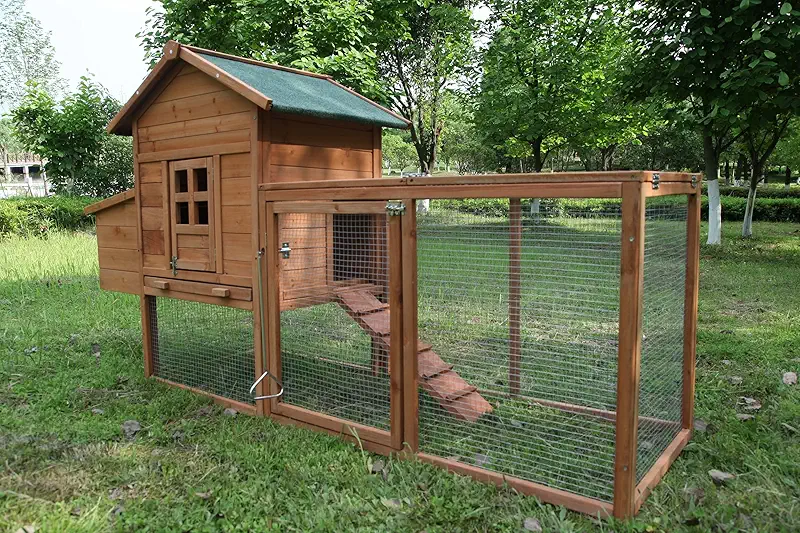
That’s the kind of cozy backyard coop my neighbors always ask me about first.
What really makes a “good deal” on a chicken coop
Out here, we say, “cheap and good rarely ride the same horse.” A good chicken coop deal isn’t just a low price. It’s a coop that keeps your birds safe, dry, and laying strong for years without you cussing every time you go in to clean it.
When I judge a coop, I look at five things before I even think about the price tag:
- Space per hen – cramped hens get cranky, noisy, and pick on each other.
- Ventilation – a coop that doesn’t breathe will stink, grow mold, and invite sickness.
- Predator protection – raccoons have more patience than most humans.
- Ease of cleaning – if it’s a pain to clean, you’ll put it off, and the hens will pay for it.
- Weather worthiness – rain, snow, sun, and wind all test a coop over time.
Get those right and even a smaller, simple coop can be a fine deal. Ignore them, and the fanciest little “barn style” kit can turn into a lesson in what not to do.
How much space your laying hens really need
Now, manufacturers like to be generous with their numbers. I’ve seen little coops called “for 6–8 chickens” that barely keep 3 hens from bumping butts. Out here, we use more practical numbers.
Inside the coop itself, I aim for:
- 4 square feet per hen for standard breeds (Rhode Island Red, Barred Rock, Orpington, and the like).
- 3 square feet per hen if they’re small breeds or have good daily free‑range time.
In the run area, more is always better, but I try not to go under:
- 8–10 square feet per hen as a bare minimum run space.
I once brought home a “deal” that claimed it could hold 10 hens. I put five in there and they looked at me like I’d moved them into a city apartment. They started feather picking within a week. I added on a bigger run, and the drama stopped. Hens are like people: too close for too long, and somebody starts complaining.
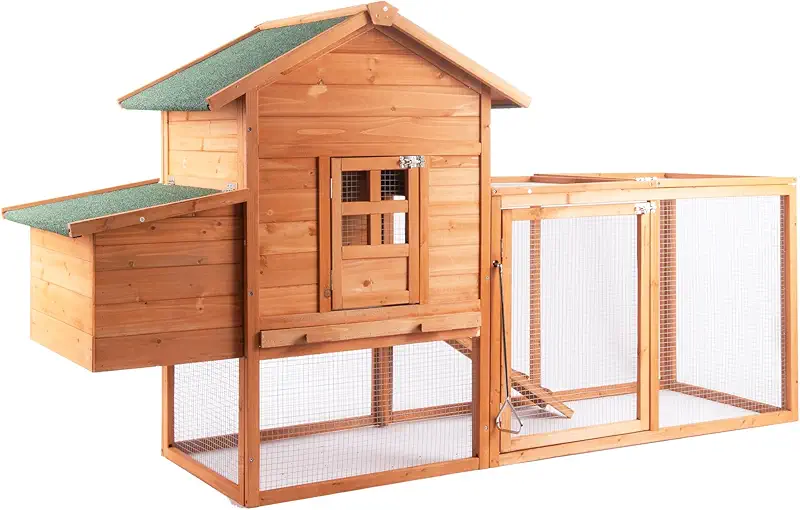

So when you look at photos of any coop, pay more attention to the measurements than the “chicken capacity” listed. Picture your own hens in there on a rainy week when they can’t roam much. If it looks tight on paper, it’ll be tighter in real life.
Ventilation, drafts, and that “barn smell”
Good air is one of the most overlooked parts of chicken coop deals. Folks worry about their hens getting cold and end up sealing the coop so tight the birds are basically breathing in their own fumes. Chickens handle cold a whole lot better than they handle damp, stale air.
What you want is a coop that:
- Has vents or windows up high, near the roofline.
- Lets warm, moist air out without blowing directly on the birds while they roost.
- Uses hardware cloth (not flimsy screen) to cover openings.
In winter, I keep my vents open and focus on blocking drafts at roost height. I’ve sat in the coop more than once on a cold night, just to check air flow. My wife says that’s crazy, but I tell her, “If I can sit here in a flannel shirt, the girls with feather coats will manage just fine.”


When you’re sizing up coops online, zoom in on the vents and windows. If you can’t see where moist air escapes, or if every little crack looks stuffed with foam, that’s a sign somebody designed it at a desk, not in a barn.
Predator‑proofing: where cheap turns expensive fast
Predators are the part of chicken keeping that’ll break your heart if you let them. I’ve lost birds to foxes, raccoons, neighborhood dogs, and one very determined hawk. Every time, I went back to the coop or run and found some shortcut I’d taken, or some weak spot I’d ignored.
When you’re comparing chicken coop deals, take a hard look at the stuff between your hens and the outside world:
- Wire type – I prefer ½-inch hardware cloth, not chicken wire. Chicken wire keeps chickens in; it does not reliably keep predators out.
- Latches – raccoons can open simple slide bolts. I like latches that need a little thought or two hands.
- Floor and skirt – a solid floor keeps rats and snakes from tunneling right into the coop. A buried wire skirt around the run stops diggers.
One of my “bargain” coops came with thin wire you could bend with two fingers. Looked good in the pictures, didn’t look so good when a raccoon tested it. I ended up re‑skinning the whole run with real hardware cloth. By the time I was done, that cheap deal cost me as much as a sturdier coop would have from the start.
My rule now is simple: I’d rather pay for strong wire than pay the vet or replace hens later. Predators are part of the neighborhood. We owe our birds a fighting chance.
Easy‑to‑clean coops keep hens healthy and farmers sane
Nobody brags about cleaning out the coop, but every good egg starts with dry, clean bedding. If a coop is hard to clean, you’ll put it off. I know because I’ve done it. I once had a design where I had to crawl in on my knees and twist like a pretzel to reach the back corner. Hens thought it was funny. My back did not.
When I look at chicken coop deals, these cleaning features catch my eye:
- Big access doors you can open without crouching too much.
- Removable droppings trays under the roosts.
- Smooth floors without deep cracks where muck can hide.
- Nesting boxes that open from outside so you’re not stepping into mess just to collect eggs.


Think about how often you’ll be inside the coop or reaching into it. A few extra inches on a door, or a good tray system, might not look exciting when you’re scrolling, but come January, with a cold wind and a full chore list, you’ll be glad you chose the easier option.
Weather, seasons, and picking coops for your climate
Back when I started, I thought one coop style fit all. Then I went through a few bad winters and a couple of scorching summers and learned better. A “good” chicken coop deal in Arizona might be a “what were you thinking?” in Minnesota.
Here’s how I match coop features to weather:
Cold, snowy climates
- Look for solid walls and good roof overhangs to shed snow and wind.
- Make sure there’s room for deep bedding on the floor for extra insulation.
- Roosts should be flat enough so hens can cover their toes with feathers.
I’ve overwintered hens in unheated coops down below zero plenty of times. They did fine because the coop was dry, draft‑free at roost height, and not overcrowded. I, on the other hand, did a lot of quick egg runs with my coat half‑buttoned.
Hot, humid climates
- Big shaded runs matter more than heavy‑insulated walls.
- Plenty of ventilation and shade is better than a sealed box.
- Light‑colored roofs help bounce heat instead of soaking it up.
My birds pant more in August than in January. I give them shade, fresh water, and coops that let the breeze move through without turning into a wind tunnel. When you look at coop roofs and walls online, picture them under your summer sun, not just in a product photo.

Nesting boxes, roosts, and little details that matter
Coops all start to look alike after a while, but the little details tell me whether the person who designed it ever collected an egg in their life.
For nest boxes, I like:
- One nest for every 3–4 hens – they’ll all share the favorite one anyway.
- Boxes that are lower than the roosts so hens sleep on the bars, not in the nest.
- Egg doors that open from the outside and close securely.
For roosts, I look for:
- Sturdy bars about 2–4 inches wide.
- Enough length that every bird can sit without pushing.
- Roosts higher than the nest boxes, but still easy for the birds to hop up to.
One of my early “deals” had skinny little round dowels for roosts. Looked neat, but the birds never settled right, and I saw more frostbite on toes in winter. Swapped those out for wider boards, and the problem all but stopped. Hens like to sit flat‑footed, with toes tucked in, just like we like a good flat mattress.
Wood, metal, or plastic: what holds up over time?
Materials are where you start to feel the difference between cheap and “good cheap.” I’ve used all three main styles over the years.
Wooden coops
Most traditional chicken coop deals you see are made of wood.
- Pros: warm look, easy to modify, simple to repair.
- Cons: cheaper woods can rot and warp, and mites like to hide in cracks if you don’t stay on top of it.
Metal coops
Metal sheds turned into coops can be sturdy, but:
- They can get very hot in sun without insulation.
- They’re loud in storms, which can rattle the birds (and the farmer).
Plastic coops
Some modern plastic designs surprise people.
- Pros: smooth, easy to clean, don’t rot, fewer mite hiding spots.
- Cons: certain models can feel cramped, and cheap ones get brittle in cold.
Personally, I still lean toward solid wood frames with good hardware cloth. But I don’t dismiss a coop just because it’s plastic or metal. I ask the same questions: Does it keep my birds dry? Safe? Comfortable? Will I curse at it or thank it when I’m fifty cleanings in?
Growing your flock: planning ahead saves headaches
The other thing about chicken coop deals is that chickens are like potato chips. Folks start with “just four hens for eggs,” and a year later they’re talking about adding a few Easter Eggers, maybe some Marans for dark shells. Suddenly the coop that felt big is starting to look like a starter home.
So when you pick a coop, think a step ahead:
- If you think you want 4 hens, look at coops that can comfortably house 6–8.
- Check whether the run can be extended easily with extra panels.
- Make sure the basic frame is strong enough to handle add‑ons later.
I rarely regret choosing the slightly larger coop. I often regret the times I tried to “make do” and expected hens to share like polite dinner guests. They’re sweet birds, but when it comes to roost spots, they have strong opinions.
When you’re ready to look at real‑world chicken coop deals with these ideas in mind, take your time, picture your hens inside, and listen to that little farmer voice in the back of your head.
Let me peek aroundChicken coop deals – questions I hear all the time
How many chickens can I keep in a small backyard coop?
For most of the smaller coops you see in chicken coop deals, I tell folks to ignore the “up to 8 chickens” claim. Use your own math: give each hen about 4 square feet inside and 8–10 square feet in the run. Many so‑called “8 chicken” coops are really comfortable for 3–4 hens, maybe 5 if they free‑range a lot.
Do I need to insulate my coop for winter?
In most parts of the U.S., you don’t need fancy insulation as long as the coop is dry, draft‑free at roost height, and not overcrowded. Chickens handle cold better than damp. I use deep bedding on the floor and make sure there’s still ventilation up high so moisture can escape. Only in extreme northern climates would I think about extra insulation, and even then I’d focus more on good construction than stuffing the walls.
What’s the biggest mistake people make when choosing a coop?
They believe the capacity number printed on the box. That and underestimating predators. A “cheap” coop with thin wire, weak latches, and tiny run space isn’t a bargain. The best chicken coop deals put safety and space first. If those are missing, I don’t care how pretty or inexpensive it is, I move on.
Can I move a lightweight coop around the yard?
Yes, many smaller coops are light enough for two people to drag or lift onto fresh grass. I like that style for small flocks, especially if the run is attached. Just remember to check that the frame is strong and the joints don’t wobble. A movable coop that comes apart when the wind hits it is no friend to your hens.
Should I build my own coop or choose a ready‑made deal?
If you’re handy with tools and enjoy the work, building your own can be rewarding. I’ve built several and still tinker with them. But ready‑made chicken coop deals are a blessing for busy folks. You get something that goes together in an afternoon and lets you focus on the birds. Either way, judge by the same rules: space, safety, ventilation, and ease of cleaning.
However you keep your hens, they’ll pay you back with eggs, garden help, and more laughs than most TV shows. Give them a coop that works, and the rest of the chores get a whole lot easier.
Show me every coop