
Chicken coop door ideas
Chicken Coop Door Ideas
I have been walking out to the coop at sunrise and sunset for more years than I care to count. A good chicken coop door can be the difference between a quiet, happy morning and stepping into a disaster.
On this page I am going to share the chicken coop door ideas that have actually worked on my own farm. Nothing fancy, just simple doors that keep hens safe, dry, and laying strong eggs. I will tell you what I messed up, what I fixed, and how you can save yourself a few busted boards and a lot of cussing.
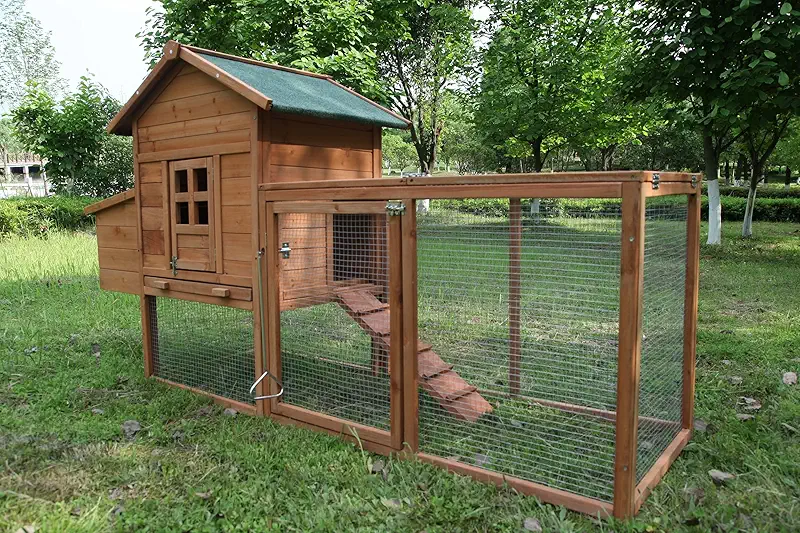
Why the coop door matters more than folks think
When people first get chickens, they usually worry about feed, nesting boxes, and maybe what color to paint the coop. The door seems like a small detail. I thought the same, many years ago. Then one summer a raccoon taught me a hard lesson. It only takes one weak door and one hungry predator to ruin your day.
A strong, well‑planned coop door does three big jobs:
- Protects from predators – raccoons, foxes, stray dogs, possums, even the neighbor’s “sweet” lab.
- Controls airflow – lets fresh air in without turning the coop into a wind tunnel.
- Makes your chores easier – a door that sticks or jams will test your religion, especially in January.
Every farm is different, but the same ideas keep coming up over and over. The right height, easy latches, and doors that do not swell shut every time it rains. That is what these chicken coop door ideas are about: real‑life use, not magazine pictures.
When I look at a coop door, I do not ask “Does it look cute?” I ask, “Will this still open when it is frozen, wet, and I am late for work?”
Pop door vs. people door: two doors, two jobs
Most good coops have at least two doors:
- The pop door – a small door for the chickens.
- The people door – a full‑size door for you to get in and clean, feed, or check on birds.
Mixing the two into one big opening usually sounds smart, until the wind blows snow in, or a hen darts between your boots while you are carrying a waterer. Ask me how I know.
Chicken pop door: size, height, and shape
Most standard hens are happy with a pop door around 10–12 inches wide and 10–14 inches tall. Bantams can use smaller; big heavy breeds like Brahmas appreciate a bit more room so they do not bang their combs.
As for height off the ground, I like the bottom of the pop door about 6–10 inches above the bedding inside. Outside, you can build a little ramp. The raised threshold helps keep bedding from spilling out and slows down drafts.
Rectangle, square, or even a little arch on top – the shape does not matter as much as smooth edges and a clear path. Chickens are brave about a lot of things, but a shadowy doorway with weird edges can spook them.
- Keep the path clear – no buckets, boards, or junk in front of the door.
- Add side rails on the ramp – especially for young birds or steep ramps.
- Use a solid surface on the ramp – rungs or cleats every 3–4 inches for grip.
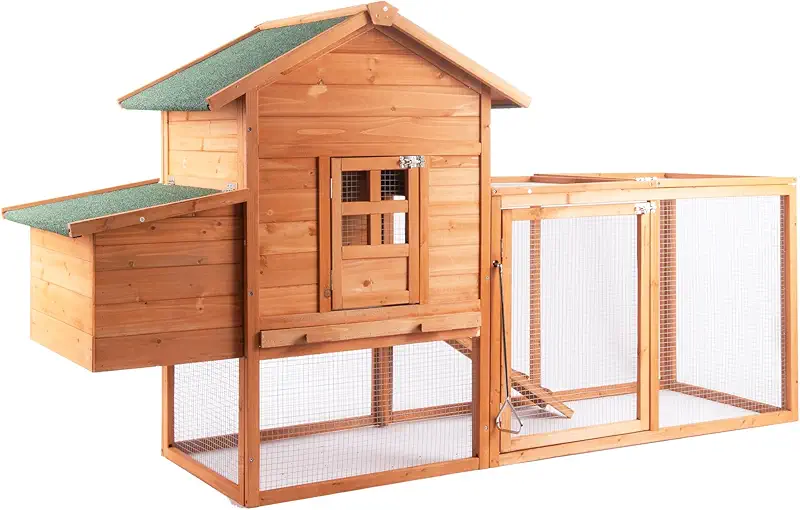
Manual sliding doors: simple and dependable
Farmer‑friendly ideaOne of my favorite chicken coop door ideas is the old‑fashioned vertical sliding pop door. It is just a panel that goes up and down in side tracks, like a tiny barn door. Nothing fancy, but it works in almost any weather if you build it right.
I like to use a board or sheet of exterior‑grade plywood, about ¾ inch thick, cut to fit with an inch or so of overlap all around the opening. On each side, I screw on wooden or metal tracks so the door panel slides straight up and down.
You can attach a rope to the top of the door, run it up through a pulley, and out to where you want to stand. That way, on a cold, rainy morning, you can open the coop without stepping in the mud, which my old knees appreciate.
- Keep the tracks loose enough so the door does not bind when wood swells.
- Add a simple stop so the door does not slam down on a curious hen.
- Use weather‑resistant screws so the hardware does not rust and lock up.
My first sliding door fit so tight you could not have slid a hair through the gap. Looked nice on day one, but after a week of rain, it swelled up and would not budge. I ended up unscrewing the whole thing with a flashlight in my mouth and a line of annoyed hens waiting behind me. Leave yourself some wiggle room.
Side‑hinged doors and Dutch doors
Not everyone likes a slider. A side‑hinged pop door, or even a half‑height Dutch door, can work well if you set it up right.
Side‑hinged pop doors
A small door on sturdy hinges is easy to build. Just be sure it swings outward, not into the coop, or you will be bumping into feeders and stepping on tail feathers.
- Use two strong hinges, not tiny cabinet hardware.
- Seal the edges with trim or weatherstripping to block drafts.
- Check the swing so it does not hit the ramp or fence.
Dutch doors for people access
At one point I got clever and built a Dutch door for the people entrance – top half and bottom half separate. That way I could open the top for air and friendly hen talk, but leave the bottom closed so the flock stayed put.
It turned out to be one of my better chicken coop door ideas. On hot evenings I swing the top open and the coop cools down nicely before bedtime, with no escapees.

- Latch top and bottom separately so predators cannot push their way in.
- Add hardware cloth behind the open top panel for extra protection.
- Make the threshold high enough to keep bedding in and rain out.
Automatic chicken coop door ideas
As I got older, and my back and knees started filing complaints, I warmed up to automatic coop doors. I still like simple things, but I have to admit: a good automatic door feels like hiring a tiny, very reliable farmhand.
Most automatic doors work in one of two ways:
- Timer‑based – opens and closes at set times.
- Light‑based – opens with daylight and closes at dusk.
I started with a light‑based model. It followed the seasons, which was handy. The trouble came on stormy days when it thought evening had arrived early. My hens were still strolling the yard while their door started closing. I had to rescue a few late ladies more than once.
These days I prefer a combo: light sensor plus an override timer. I can nudge closing time a bit later when needed, so nobody gets trapped outside.
What to look for in an automatic door
- Predator‑proof construction – metal faceplates and strong rails are worth the money.
- Manual override – a way to open or close it by hand if the power fails.
- Weather rating – look for doors tested for rain, dust, and freezing temps.
- Safe closing force – enough to shut, not enough to hurt a hen.
- Power options – some use batteries, some plug in, some use solar.
If you want to see different automatic setups, you can look through several kinds of chicken coop doors right here:

Keeping predators on the outside of your door
When you think about chicken coop door ideas, always think like a raccoon. They have nimble fingers, no respect for property, and all night to work on a problem.
I once watched a raccoon take a simple hook‑and‑eye latch off my old coop like he had the instructions in his pocket. I changed my hardware the very next morning.
Good latch ideas that actually work
- Barrel bolts or slide bolts high enough that a raccoon has to reach and stretch.
- Carabiner clips through the latch to add one more step for curious paws.
- Lockable hasps if you are in heavy predator country.
Extra predator‑proofing around the door
The strongest latch on earth will not help if something can just dig under the threshold. Around my doors, I like to:
- Lay down hardware cloth “apron” flat on the ground, bent out from the coop 12–18 inches.
- Secure all edges with staples, screws, and washers, not just a few nails.
- Check for gaps bigger than a finger; if you see daylight, a critter sees opportunity.

Each evening, I make a quick lap: feed, water, glance at each door and latch. Takes two minutes. That habit has saved more chickens than any fancy gadget I own.
Ventilation, drafts, and how doors fit into it
Chickens handle cold better than damp. Good ventilation carries out moisture and ammonia, but you do not want wind whipping across their roosts. Doors, especially people doors, are a big part of this balance.
In my main coop, the pop door faces east. That gives the birds bright morning light, but keeps them out of the worst west winds. The people door is on the more sheltered side, with a solid bottom and a top that can open for extra air.
Door placement ideas that help air flow
- Avoid placing the pop door where wind blows straight in most of the year.
- Use overhangs above the door to keep rain from driving inside.
- Combine doors with vents placed higher than your roosts.

I also like to check the floor and bedding around the doors after a hard rain or snow. If you see wet spots inside, you either need a better overhang, a sill board, or to tweak your door fit.
Seasonal tweaks: winter and summer chicken coop door ideas
The door that feels perfect in July can be a pain in January. Over the years I have settled on a few little tricks to keep doors working year‑round.
Winter door tips
- Raise the inside bedding near the door so cold air flows above or below the hens, not across their backs.
- Use a removable wind block on the outside, like a hinged board or tarp, without sealing off fresh air completely.
- Keep snow cleared from the ramp so doors can open fully and birds are not stepping into drifts.
Summer door tips
- Use screen or hardware cloth panels behind open Dutch doors to let heat out but keep predators out too.
- Provide shade outside the pop door so hens are not stepping into a baking hot patch of ground.
- Prop people doors partially open during the day if you can still keep predators from reaching inside.
During a nasty cold snap a few years back, I tacked an old feed sack over the bottom half of the pop door ramp, left a gap up top, and watched how the steam rolled out but the drafts stayed off the birds. Not pretty, but it worked until spring, and the hens did not complain once.

Little details that make your chicken door feel “finished”
After you have picked the style you like, the small touches make living with that door easier every single day.
- Handles in the right place – put them where your hand naturally lands, even with gloves on.
- Color contrast – painting doors a different color helps birds recognize the opening and helps you spot if one is left ajar.
- Kick plate on people doors – keeps mud, boots, and wheelbarrows from chewing up the bottom edge.
- Hooks for tools or buckets right near the door so you are not making extra trips.
I like to stand at the door during chore time and just watch. If I find myself juggling buckets, bending awkwardly, or cussing under my breath, I know some small change is needed.

After a while, the best compliment you can give a coop door is not even noticing it. It just opens, closes, and keeps everyone safe. That is the goal.
FAQ about chicken coop door ideas
If you are turning these chicken coop door ideas over in your mind and want to see what other folks are using, you can browse a whole lineup of ready‑made doors and full coops in one place.
I’ll explore all coops