
From a tired farmer who hated waking up before the rooster
Chicken coop door opener
Chicken Coop Door Opener
A simple chicken coop door opener can mean one big thing on the farm: peace of mind. No more sprinting to the coop in the dark, no more worries about raccoons slipping in while you are stuck in traffic, and no more grumpy hens wondering why you are late again.
I have raised laying hens in the U.S. for decades, through ice storms, summer heat, and too many predators to count. Let me walk you through how an automatic door opener can fit into real farm life, not just the picture-perfect kind.
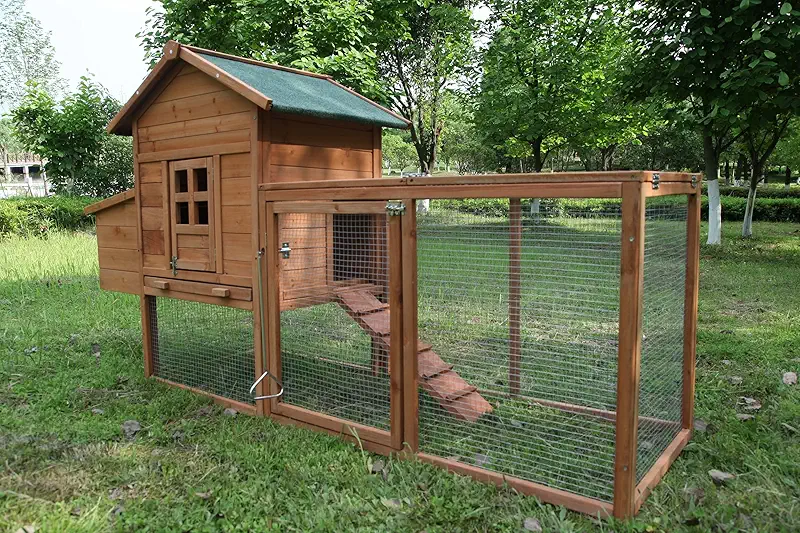 Keeps hens safe at night
Why a chicken coop door opener matters more than you think
When folks visit my place, they always ask about the garden, the tractor, or the big red barn. The thing that quietly saves more hens than anything else? That little box that opens and closes the coop door on its own.
A chicken coop door opener is a small device that raises and lowers your coop door on a schedule or with the help of light sensors. It is not fancy. It is not flashy. But it solves three very real farm problems: predators, time, and human forgetfulness.
I used to joke that raccoons had better attendance at my coop than I did. If I was late closing up by even fifteen minutes, those little bandits were already circling. After installing my first opener, the nighttime losses dropped to near zero. Same coop, same birds, same predators around. The only change was that the door shut on time, every time.
What a good opener should do for you
- Close the coop door reliably at dusk, even when you are not home.
- Open it at a safe, consistent time in the morning so hens are not stuck inside too long.
- Keep predators from pushing, lifting, or sliding the door open.
- Handle rain, dust, and freezing mornings without giving up.
- Work even if power blinks or you are off-grid.
If you are choosing your first chicken coop door opener, worry less about “smart” features and more about strength, weather resistance, and how simple it is to operate half-asleep with a cup of coffee in your hand.
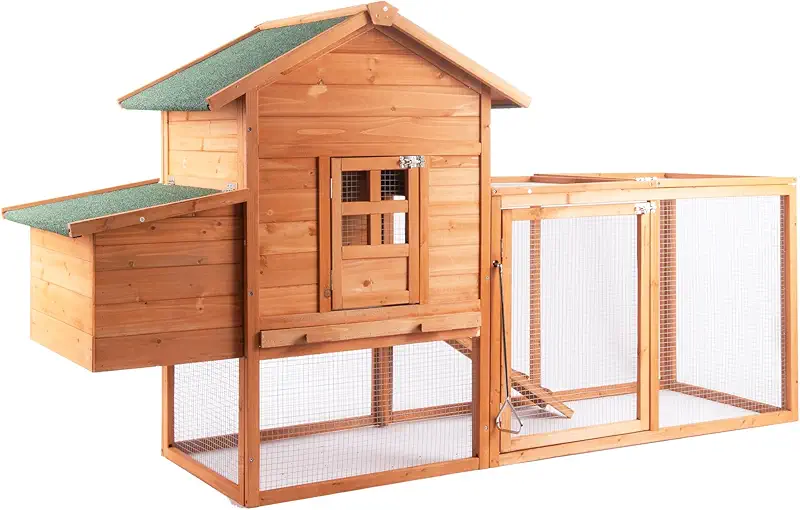
Picture a solid, well-fitted door that slides smoothly and locks hens in tight at night. That is the real magic, not the electronics themselves.
Life before and after a coop door opener
Let me tell you how my mornings used to go. The alarm would buzz at 5:15 a.m. in January. It would be dark, 15°F, and the wind would find every gap in my coat. I would stumble out, half-awake, crunching across the icy yard muttering, “These hens better appreciate this.” By the time I got to work, I had already put in a small shift.
One winter, an ice storm hit overnight. The roads were a mess and I had to leave earlier than usual. I knew I would not make it back by sunset. All day at work I was picturing a fox slipping into the open coop. That was the week I finally decided: no more gambling with my flock. I ordered my first automatic door opener that night.
These days, I still check on my hens in the evening, but I do it on my own schedule. If I am late coming back from town, I know that door already slid shut at dusk. Instead of panic, I just feel gratitude. All thanks to a little motor and a timer.
The biggest surprise was not just fewer predator attacks. It was how much calmer I felt. When you take care of animals, you carry them around in your head all day: “Did I lock the door? Did I shut the gate? Did I plug in the water heater?” The chicken coop door opener took one loud little worry off that list.
Key features to look for in a chicken coop door opener
Walk down any aisle of farm gear or look online and you will see a dozen versions of the same idea. They all claim to open and close your coop door. But when you live with chickens through real weather and real predators, some details matter a whole lot more.
1. Timer vs. light sensor
Some openers run by a simple timer. You set open and close times, and that is that. Others use a light sensor and close when it is dark enough outside. I have used both styles.
Timers are dependable, but you may need to adjust them through the year as days change. Light sensors feel more “natural” for the birds, but a bright yard light can trick them. Where I live, with long summer evenings and short winter days, I like having both: a light sensor backed up by a latest-possible close time so no hen gets locked out.
2. Door style and strength
Most openers are designed for a vertical sliding door. Predators have a hard time pulling that type open once it is down. Horizontal doors can work, but you have to be extra sure raccoons cannot pry them.
I prefer a solid metal or strong plastic door that slides smoothly. Wood can swell and stick in wet weather. Remember, the opener is only as good as the door it moves. A flimsy door is just an invitation with hinges.
3. Power source
You will see three common power setups for a chicken coop door opener:
- Battery powered: Simple, reliable, and great if your coop is away from the house. Just check batteries every few months.
- Plug-in (AC) power: Fine if your coop has electric service and you do not lose power often.
- Solar + battery: Handy for truly off-grid setups, as long as your panel gets enough light.
Out here, we lose power more often than I would like to admit, so I lean toward battery systems. They keep working while the house is dark, and the hens do not know the difference.
4. Weather resistance
Do not underestimate dust and frozen rain. A chicken coop door opener lives in a rough neighborhood: feathers, mud, ammonia, wind, and everything else a farm throws at it.
Look for units with sealed housings, decent gaskets, and hardware that resists rust. If it looks like a delicate gadget for a kid’s bedroom, it is not meant for a coop.
If the opener makes you scratch your head just to set the time, imagine trying to reprogram it in the dark while it is raining. Simple controls win every single time.
Choosing the right opener for your hens and your routine
Not every flock is the same, and not every chicken coop door opener fits every backyard. A few questions will guide you toward the right style faster than any fancy spec sheet.

Simple timer-based opener
If you are out the door before the sun even thinks about rising, a straightforward timer model can be your best friend. Set it to open after sunrise and close just after dusk, and let it handle the daily routine.
I like these for folks who work in town and cannot peek out the window every hour. You trade a little flexibility for rock-solid predictability.
This could help me
Heavy-duty door + opener combo
If you are dealing with raccoons, foxes, or the occasional weasel, the door itself matters as much as the opener. Heavier doors with snug tracks give predators fewer ways to wiggle in.
I once watched a raccoon spend twenty minutes trying to pry up a reinforced sliding door. It finally gave up and shuffled off, probably annoyed that I spoiled its dinner.
I need this safety
Battery or solar setups
For coops at the back of the property or on homesteads without grid power at the barn, battery or solar units shine. They usually sip power and run for months before needing attention.
Just mount the control box where you can reach it in winter, and keep wires tucked away from curious beaks and bored goats. Ask me how I learned that last part.
This fits my setupInstalling a chicken coop door opener without losing your patience
You do not need to be an engineer to put in a chicken coop door opener, but a little planning saves a lot of cussing. Here is how I usually tackle an install on a fresh or existing coop.
Step-by-step approach from the barn
- Measure your opening: Height, width, and how much room you have above the door for the opener and cable.
- Check door travel: Make sure the door can move freely without rubbing or binding, even if the wood swells.
- Mark mounting points: Hold the opener in place and lightly mark screw holes with a pencil.
- Test by hand first: Raise and lower the door by hand with the opener cable connected but no power, to feel for any snags.
- Only then power it up: Once it moves smoothly, connect power and run a few open/close cycles while you watch closely.
I always keep a hen or two locked inside the run while I am testing, in case something surprises them. Chickens spook easy when the wall starts moving by itself.

Avoiding common mistakes
A few of the most common goofs I see:
- Mounting the opener where rain flows straight down onto it.
- Leaving the cable slack so it can jump the track or tangle.
- Letting bedding pile up under the door until it jams.
- Forgetting to set a fail-safe close time when using a light sensor.
None of these are the opener’s fault, but they can sure make a good unit look bad.
Never let the opener run for the very first time right at sundown. Run it a few times in broad daylight, watch how the birds react, and make small timing tweaks before nighttime depends on it.
Keeping your layers safe and productive with a reliable door
Well-kept hens pay you back in eggs, manure for the garden, and the kind of quiet company you only understand if you have ever leaned on a fence listening to them cluck. A chicken coop door opener does not replace good husbandry, but it supports it in a few important ways.
Sleep, stress, and egg laying
When hens know they will be safely shut in by dark, they settle on the roost quicker and fuss less. Less pacing, less calling, fewer last-minute panics when a shadow moves outside.
Lower stress means steadier egg production. Chickens are creatures of habit. Consistent light cycles and reliable bedtime help their bodies focus on what you want them to do: lay nice, clean eggs in those nest boxes.
I have seen nervous flocks in half-secure coops suddenly calm down once the door routine is locked in, literally and figuratively.
Predator patterns and night checks
Foxes, raccoons, and neighbors’ dogs all love to test your fencing after dark. Once they learn that your coop is always shut by dusk, some of them stop trying. They are lazy hunters; they look for the easy meal.
I still walk out with a flashlight some nights, mostly force of habit. The difference now is that I am checking a door I know is closed, not racing to beat the predators. That bit of peace is worth its weight in feed.

Real-world durability: what lasts and what does not
Farm gear either survives a few seasons of real life or it does not. Sun, ice, blowing dust, and the occasional “oops” when someone slams into the coop with a wheelbarrow—those are the real tests a chicken coop door opener has to pass.
My first opener was a cheap little unit I bought on a whim. It worked fine until the first freezing rain. The next morning the door was stuck halfway open, the motor whined sadly, and the hens gave me that look that says, “You had one job, human.” I upgraded soon after and never looked back.
These days, I look for solid housings, stainless or coated hardware, and a track record with other backyard keepers. If folks in snowy states and humid southern climates both say it keeps going, that is a good sign.

I also grease the moving parts lightly once or twice a year and brush out dust and cobwebs. An opener is a tool, not magic. Treat it like something you expect to rely on in bad weather.
Frequently asked questions about chicken coop door openers
Hens adapt quicker than most people think. The first few evenings, some birds may hesitate when the door starts to move. If you set the close time a little later than normal at first, they have plenty of time to settle inside before it shuts.
Within a week, most flocks act like it has always been that way. Chickens care more about light levels and routine than about who actually pulls the door.
Good openers are designed to avoid that. Many stop or reverse if they feel resistance, and a properly set close time lets hens naturally move inside before dark.
In all my years using automatic doors, true injuries from the door itself are rare, especially if you keep the track clear and do not rush your timing. I still watch a few cycles the first nights, just to be sure everyone understands the new routine.
That is why I keep things simple. If I use batteries, I change them on a schedule—usually spring and fall, both easy seasons to remember. If I use line power, I make sure I can manually raise or lower the door without tools.
No matter which chicken coop door opener you choose, make sure you know how to override it by hand. When equipment fails, it is almost always at night, in the rain, when you are already in your pajamas.
“Necessary” is a strong word. People kept hens for centuries without electronics. But if you work odd shifts, travel, or just value sleeping past sunrise now and then, it can be one of the most helpful little upgrades you add to your coop.
For my own layers, I consider it as basic as a solid roof and good fencing. It is not about laziness. It is about making sure the birds are safe on the days life pulls you in two directions at once.
It will not turn a lazy hen into a champion layer, but it does help create steady, low-stress routines. That means fewer wild swings in laying when days get shorter or your schedule gets hectic.
Think of it as one piece of the puzzle along with good feed, clean water, proper lighting, and a predator-proof coop. Put all those together, and your layers will quietly do what they were born to do.
Bringing it all together
A chicken coop door opener will not muck stalls, fix fences, or stop the neighbor’s dog from barking at 2 a.m. But it will steadily do the one small job it was built for: opening and closing that coop door, day in and day out, whether you are standing there or not.
For a farmer like me, that job used to mean stumbling through snow in the dark and cutting visits short so I could race home by sunset. These days, I still check on my girls out of habit and plain affection, but I do it with a clear head instead of a knot in my stomach.
If you love your hens, value their safety, and could use one less thing to worry about, a dependable chicken coop door opener is a mighty fine place to start. Set it up once, keep an eye on it like any other piece of farm gear, and then let it quietly pull more weight than its small size suggests.
Ready to look over different styles and find the one that fits your coop and your mornings?
Let me see optionsExplore more chicken coop setups
Doors are just one piece of the coop puzzle. The size of the run, the way air moves through the building, how easy it is to clean out bedding—these all matter for healthy, long-lived hens. When all those details come together, your flock stays safer, the eggs stay cleaner, and your chores feel lighter.
If you are thinking about building your first coop or improving an old one, it can help to see a range of designs, from compact backyard houses to roomier walk-in coops with space for bigger flocks.
Take a quiet minute, imagine the coop that would make your mornings easier, and then see what is already out there.
Show me all coops