
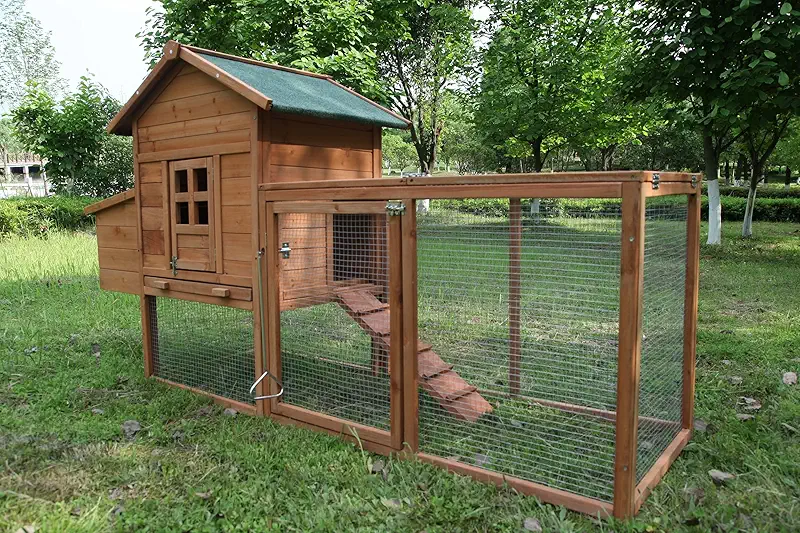
Why the chicken coop door matters more than you think
I still remember one fall evening, standing out back with a flashlight in my teeth, hammer in one hand, coffee in the other, trying to fix a warped old chicken coop door while the wind howled. The hens were lined up behind me, clucking like I was late for work, and a raccoon was sitting on the fence like he had tickets to the show.
That night taught me something: you can have the nicest coop on the planet, but if your chicken coop door is weak, sticky, or badly placed, you are inviting trouble. Predators don’t care how cute your nesting boxes are. They care about the easiest way in, and that is almost always a sloppy door.
The three jobs of a good chicken coop door
Over the years, I’ve boiled it down to three simple jobs every door has to do. If a door can’t pass this little farm test, I don’t bother with it:
- Keep predators out – raccoons, foxes, neighborhood dogs, even rats will test your door.
- Keep drafts and rain off the hens – a wet, drafty coop is a fast path to sick birds.
- Be easy for you to use every single day – if you groan every time you close it, it’s the wrong door.
Simple as that. If your current setup fails one of these, it’s time to rethink it before a hungry visitor teaches you a hard lesson.
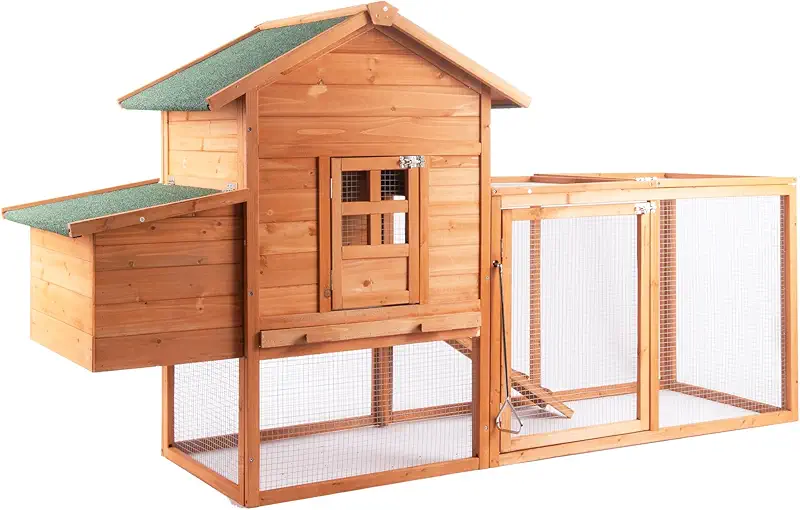
Manual vs automatic chicken coop door: what really works on a busy farm
I’ve used both manual and automatic doors over the years. Honestly, neither one is “fancy farmer only”. It comes down to your routine, your weather, and how honest you are about your own habits.
Living with a manual chicken coop door
I started out with a simple wooden door that slid up and down. No motor, no wires, just me, twice a day. It got the job done, and the hens didn’t complain once. But here’s what I learned:
- Great if you’re home morning and evening. If you’re out before sunrise or home after dark a lot, you’ll miss closing time sooner or later.
- Simple to fix. If it sticks, you sand it. If it warps, you straighten or replace it. No electronics to curse at.
- Cheap and forgiving. Perfect for small flocks and tight budgets.
The downside? The one time you forget to close that manual chicken coop door because you fell asleep on the couch, that’s usually the night Mister Raccoon swings by for a “visit”.
Life after switching to an automatic chicken coop door
After one too many late-night sprints in the rain, I finally gave in and tried an automatic door. I’ll admit, I was skeptical. Out here, if something breaks, I’m the repair guy whether I understand it or not.
But I have to say, a good automatic chicken coop door is like hiring a dependable teenager who never forgets to shut the coop and never complains about the weather.
- Timer or light sensor handles open and close without you watching the clock.
- Keeps your flock on a routine, which hens love more than we realize.
- Perfect backup for nights when you’re late, sick, or just plain forgetful (happens to the best of us).
If you go this route, look for sturdy material, a strong motor, and clear instructions. And don’t be shy about reading reviews; other farmers are pretty honest when something doesn’t survive its first winter.

Predator‑proofing your chicken coop door like a cautious old farmer
Predators around a coop are like kids around a cookie jar: if there’s a weak spot, they’ll find it. I’d rather “overbuild” my door than wake up to feathers in the yard.
How predators test your chicken coop door
Over the years I’ve watched tracks and claw marks tell the story. Here’s what they do:
- Raccoons pull, pry, and feel for latches like little burglars with thumbs.
- Foxes and dogs push and ram low spots, especially at the corners.
- Rats and weasels look for gaps or rotted wood around the frame.
So when you choose a chicken coop door, you’re not just choosing what looks nice – you’re choosing how hard you want to make life for those night visitors.
Door materials that actually hold up
I’ve gone through warped plywood, rusted metal, and one plastic door that looked tired after the first summer. The winners, in my book:
- Thick, treated wood with a good seal against the frame. Warm look, but needs a little more upkeep.
- Galvanized metal doors that slide snugly and don’t bend easily. My first choice for serious predator pressure.
- Solid composite or heavy‑duty plastic from reputable brands – not flimsy, not bendy.
Whatever the material, I always run my hand along the edges. If I can flex it or see daylight where it should be tight, I know a determined raccoon will see the same opportunity.

Size, height, and placement: getting the doorway right for your hens
Chickens don’t ask for much, but they do appreciate a door that fits them. I’ve seen folks build grand front entrances for their coops, big enough to drive a lawn mower through, and then wonder why it’s so drafty.
How big should a chicken coop door be?
For standard laying hens, a pop door around 10–12 inches wide and 12–14 inches tall works well. Bantams can get by with smaller, big heavy breeds might like a bit more room, but don’t turn it into a barn door.
A smaller, well‑placed chicken coop door keeps more warmth in and more trouble out, especially in windy areas.
Where to place the door on the coop
- Higher than ground level. I like the bottom of the door 6–8 inches above the bedding, with a solid ramp. Keeps rain and mud from rolling in.
- Avoid the windiest wall. If your north wind bites, don’t put your door there if you can help it.
- Easy for you to reach. No crawling, no stretching over fencing every single day.
I always picture myself in January, in the dark, half awake. If I can open and close that door safely and easily in that moment, I know it’s in the right spot.

Daily routine: using your chicken coop door to keep hens laying strong
You can tell a lot about a flock by how they act at the door in the morning. Mine line up like kids at a school bus stop. A smooth routine keeps them calm, and calm hens lay better.
Morning: opening the chicken coop door
Whether your door is manual or automatic, here’s what I like to see happen at sunrise:
- Door opens smoothly without banging or sticking.
- Hens step out onto a dry ramp, not a muddy slide.
- Outside run is ready – no surprise dogs, no open gates.
I like to glance at each bird as she steps through the chicken coop door. You’d be surprised how often you spot a small limp or ruffled feather before it becomes a real problem.
Evening: closing time and head count
At dusk, I treat the door like a final head count. Even with an automatic system, I still peek in when I can:
- Make sure everyone’s in – late hens happen more than you’d think.
- Check the latch or mechanism so nothing wiggles loose overnight.
- Listen for odd noises – coughing, heavy breathing, or too much flapping.
Takes two minutes, and I sleep a whole lot better for it.

Simple maintenance to keep your coop door from failing at the worst time
Doors never fail at noon on a nice day. They wait for cold rain, late nights, and your worst mood. So I baby mine a little all year long.
My low‑effort maintenance checklist
- Monthly: brush off dust, cobwebs, and bedding around the track or hinges so nothing jams.
- Seasonally: check for swelling wood, loose screws, and any daylight where there shouldn’t be.
- Before winter: make sure the door still shuts tight when it’s cold and the wood has shifted.
For automatic doors, I also:
- Check batteries or power connections before long cold snaps.
- Test the safety features so no hen gets pinched in the doorway.
- Watch one full open‑and‑close cycle now and then, just to be sure.

How a good chicken coop door supports happy laying hens
A lot of folks think eggs come from feed alone. Feed matters, sure, but hens also need to feel safe. A solid, dependable chicken coop door is part of that safety.
When the coop is dark, quiet, and secure at night, the birds rest deeper. Rested hens eat better, move better, and lay better. It’s all connected, from the latch on your door to the yolk on your breakfast plate.
I like to say: “If I wouldn’t sleep well with that door between me and the woods, my hens won’t sleep well either.”

FAQ about choosing and using a chicken coop door
Not everyone does. If you’re home morning and evening, and you’re the “set‑your‑watch‑by‑me” type, a solid manual chicken coop door can work just fine. But if you travel, work odd hours, or are the kind of person who forgets where they put their glasses while they’re on your head, an automatic door can save your flock from that one night you forget to close up.
Chickens are cautious at first, but they’re not dumb. I’ve swapped doors more times than I can count, and every time the flock figures it out in a day or two. I usually prop the chicken coop door open safely and toss a little feed just outside. Curiosity and full crops do the rest.
It sure can. A giant opening lets in drafts, rain, and trouble. You want a doorway sized for birds, not for people. A separate human‑size access door on hinges is great for cleaning, while the smaller pop chicken coop door is just for the hens. That way you keep warmth in and predators challenged.
I’ve fought that battle. Keep bedding and mud away from the doorway, use materials that don’t soak up water, and make sure the door fits snugly without rubbing. On really bad nights, I’ll brush away snow and ice before bedtime. For automatic doors, I test them during the first cold snap so any problems show up when I’m watching.
For most backyard flocks, one good‑sized chicken coop door is plenty. If you’ve got a big flock or a long skinny coop, a second door can ease traffic jams and pecking at rush hour. I watch how they move: if birds are getting pushed or piling up at the doorway morning and night, it might be time for door number two.