
Chicken coop egg box
I’ve been gathering farm eggs since I was big enough to carry a rusty metal bucket. Over the years I’ve learned one thing real quick: a good chicken coop egg box turns daily chores from a headache into a quiet little joy. Let me walk you through what really matters, without the fancy talk – just honest barnyard experience.
Why The Right Egg Box Matters More Than Folks Think
A chicken coop egg box might look simple, just a box with some bedding, but it decides three big things on any farm: how clean your eggs are, how calm your hens are, and how much bending and crawling you’ll be doing every single day.
I’ve used old milk crates, wooden apple boxes, fancy plastic nests, and a couple of contraptions that I swear were designed by someone who never met a hen in real life. After thousands of eggs and more than a few broken shells, I’ve come to trust a handful of simple rules for a reliable chicken coop egg box.
If you get the nesting boxes right, hens walk in quiet, lay their eggs, and stroll back out like they’re leaving a little gift. Get them wrong, and you’ll find eggs in the feeder, under the coop, in the goat stall, and in places you don’t want to crawl into.
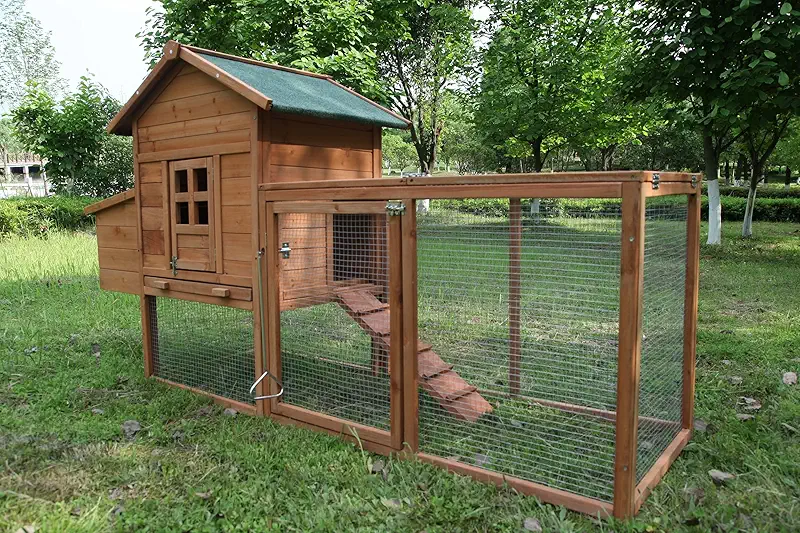
If your back and your hens are both complaining, it’s usually the nest boxes talking. Fix those, and half the drama disappears.
How Many Chicken Coop Egg Boxes Do You Really Need?
First thing folks ask me is, “How many boxes for my flock?” Hens are funny creatures. Twenty of them will fight over the same favorite nest while three empty boxes sit right beside it looking lonely. Still, there’s a good rule of thumb that keeps the peace.
- Plan on about one egg box for every 3–4 hens.
- Always give at least two boxes, even for a small flock.
- For bigger flocks, it’s better to have a couple extra than one too few.
On my farm, I keep six boxes for around twenty hens. Do they use all six? Not really. Three are popular, one is “only if I must,” and two are “the weird corners” that certain hens swear by. But I notice when there are too few, tempers rise. I’ve seen old Granny Hen drag a younger hen right out of the nest by the tail feathers when she’s in a mood.
Extra boxes mean less pushing, less pecking, and fewer cracked eggs from impatient hens stepping on each other. Hens don’t ask for much. A quiet spot, some soft bedding, and enough room to mind their business.
Perfect Size And Height For A Comfortable Egg Box
A good chicken coop egg box doesn’t have to be pretty, but it does have to fit a hen like a well-worn pair of boots. Too big and they scratch the bedding out. Too small and they hang half out the door looking grumpy.
Right size for most backyard hens
- Width: about 12 inches
- Depth: about 12–14 inches
- Height: about 12 inches tall
That size works fine for common breeds like Rhode Island Reds, Barred Rocks, Orpingtons, Isa Browns, and most mixed barnyard hens. If you’ve got big heavy girls, like large Orpingtons or Jersey Giants, you can go a little wider.
How high should the boxes be?
Most hens like their nest boxes raised off the ground but not up in the clouds. I aim for the bottom of the boxes to sit about 18–24 inches off the floor. That’s high enough to feel safe, but low enough for older or heavier hens to hop up without much trouble.
One lesson I learned the hard way: keep your roosts higher than the chicken coop egg boxes. If the boxes are higher than the roosts, hens will sleep in them at night, and you’ll wake up to eggs sitting in a box full of poop. Not a good way to start the morning.
Quiet, dim, cozy, off the ground, and nowhere near the food traffic. If you design your boxes with that in mind, your flock will do the rest.
Materials That Stand Up To Real Farm Life
I’ve seen chicken coop egg boxes made from almost everything – wood, plastic, metal, old drawers, paint buckets, even a busted beer cooler. Some worked, some turned into a headache, and some turned into a mouse hotel.
Wooden egg boxes
Wood is still my go‑to. It’s warm, familiar, and hens seem to settle in without fuss. Plywood or solid boards both do fine. Just don’t leave bare edges where mites and gunk can hide forever. A quick coat of safe, low‑odor sealant or paint on the outside can help the wood last longer.
Plastic egg boxes
Good plastic boxes are easy to clean and don’t soak up smells. If you hose your coop from time to time, plastic can make life easier. Just make sure the plastic is strong enough that it doesn’t flex or crack under a hen jumping in and out every day.
Metal egg boxes
Metal roll‑out style boxes are handy for keeping eggs clean and out of pecking range. I’ve used a few over the years. They stay strong and are pretty easy to wipe down, but can feel a bit cold in winter if your coop isn’t well insulated. A good layer of bedding goes a long way there.
Whatever material you choose, think about three things: can I reach inside easily, can I clean it without cussing too much, and will it still look decent after a couple of muddy seasons?
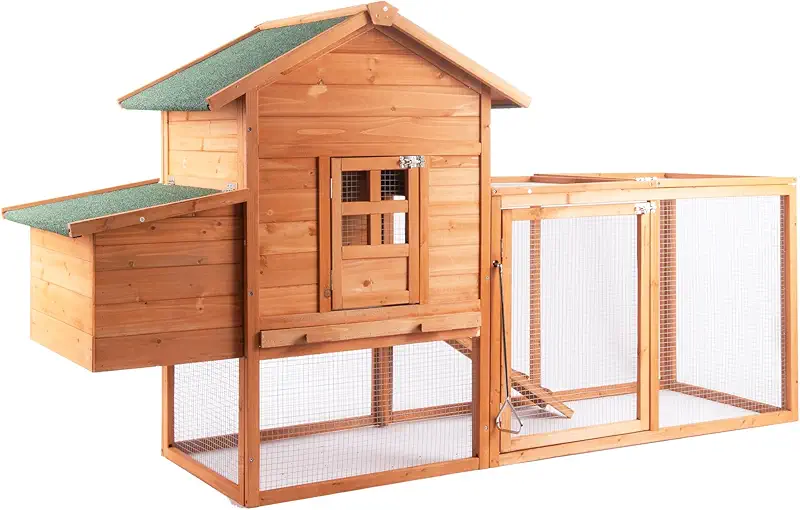


Bedding: Keeping Eggs Clean And Shells Intact
A chicken coop egg box without good bedding is like a bed without a mattress. Technically it works, but nobody’s real happy about it. The right bedding cushions the eggs, keeps them clean, and makes hens want to come back.
My favorite nest bedding options
- Dry pine shavings – soft, easy to find, and smells good.
- Clean straw – classic choice, just don’t let it get damp.
- Nesting pads – reusable and stay put when hens scratch.
These days I like to use nesting pads at the bottom with a thin layer of shavings on top. The pads keep eggs from rolling around and don’t get kicked out as easily as loose bedding alone. Shavings on top give that soft “sink in” feel hens seem to love.
If you find eggs cracked or sitting on bare box floor, it usually means you don’t have enough bedding, or your hens have scratched most of it out. Just top it up and pack it gently in the back of the box.
Every couple days, I walk the line of nest boxes, scoop the bedding back into the corners with my hand, add a bit more if it’s thin, and quietly talk to the hens. Might sound silly, but calm chores make a calm flock.
Roll‑Out Chicken Coop Egg Box: Worth It Or Not?
Roll‑out egg boxes look a little fancy at first, but I’ll tell you where they shine. In a roll‑out system, the egg gently rolls away to a tray once it’s laid. That keeps most eggs clean and safe from curious peckers and the occasional breakfast‑thief hen.
On my place, roll‑out boxes made the biggest difference when I was working longer days off the farm. I’d come back and find the eggs sitting in the collection tray, not hidden under three hens or cracked in the bedding.
They do cost more than simple wooden boxes, but if you’ve ever dealt with an egg‑eating hen, you know how nice it is to have the eggs out of reach. Once a hen gets the taste of fresh yolk, breaking that habit can be harder than house‑training a barn cat.
If you’re curious about different styles of chicken coop egg box, from simple wooden nests to bigger setups and roll‑out boxes, you can browse a whole range of ready‑made options here:
I like building things myself, but I’m not above letting someone else do the fiddly work when it saves me a Saturday. If you feel the same, take a quiet look at what’s already built and ready to go.
Let me compare
Where To Put Your Egg Boxes Inside The Coop
You can build the prettiest chicken coop egg box in the county, but if you put it in the wrong corner, your hens will ignore it and lay under the feed bin instead. They’re stubborn like that.
Good placement rules
- Keep boxes away from the main door where there’s a lot of coming and going.
- Keep them out of the draft, especially in colder climates.
- Give them a bit of shade or dim light, not full sun.
- Make sure you can walk right up and reach all the boxes easily.
My favorite setup is to line the chicken coop egg box units along one quiet wall, opposite the door and not under the roosts. That way droppings don’t land on the roof of the boxes, and hens feel they’re off the main “highway” of the coop.
One small trick: if hens ignore a new set of egg boxes, I place a couple of ceramic or wooden dummy eggs inside each nest. Hens see those and think, “Well, someone else liked this spot, must be good enough for me.” Works better than any sales pitch I’ve ever heard.

Simple Cleaning Routine So Egg Boxes Don’t Turn Into A Mess
A chicken coop egg box doesn’t need to be spotless, but it shouldn’t smell like a swamp either. Hens don’t enjoy laying in a dirty nest any more than you’d like sleeping in muddy sheets.
My easy cleaning rhythm
- Daily: grab eggs, toss out any damp or very dirty bedding.
- Weekly: pull bedding from each box, scrub any stuck mess, refill fresh.
- Seasonally: check for mites, wash surfaces, and let everything dry well.
When I clean, I move slow and steady. No loud slamming or sudden moves. Hens remember how they feel in the coop, and if it always feels like a storm when you clean, they’ll look for quieter places to lay.
I also give the edges and corners of each chicken coop egg box a good look now and then. If you see fine dust and tiny dark specks, you may be looking at mites. Cleaning, a safe coop spray, and giving things time to dry out in the air usually sets that straight.

Common Egg Box Problems (And How I Fix Them)
If you keep hens long enough, you’ll run into the usual collection of egg box troubles. None of them are the end of the world, but they sure can test your patience on a Monday morning.
Hens sleeping in the nest boxes
If you find piles of droppings where eggs should be, your birds are sleeping in the chicken coop egg box at night. Make sure the roosts are higher than the boxes and more comfortable. Sometimes I’ll block the boxes off after dark for a few nights so they’re forced to sleep on the roosts instead.
Eggs outside the boxes
When I see eggs on the floor or in random corners, I ask three questions: Is the coop too bright? Are the boxes too crowded? Is the nest bedding dirty or thin? Fixing any one of those usually brings the eggs back where they belong.
Egg‑eating hens
That’s a tough habit. Roll‑out boxes help, since they move eggs out of reach. Collect more often, add thicker bedding, and make sure birds have enough calcium and protein. A bored hen with a soft‑shelled egg is one crack away from a bad new hobby.
Broken shells in the box
Most of the time, broken eggs come from thin bedding, over‑crowded boxes, or hens jumping in and out too fast. Extra padding and more chicken coop egg box space fixes that more often than not.

Chicken Coop Egg Box – Frequently Asked Questions
Choosing A Chicken Coop Egg Box That Fits Your Flock And Your Life
At the end of the day, a good chicken coop egg box is about balance. It needs to suit your birds, your weather, your coop, and your daily routine. Some folks love building their own from scrap lumber. Others are happier opening a box, hanging a ready‑made nest system, and being done with it.
If you stand in your coop and picture your future chores, you’ll know what’s right. Ask yourself:
- Can I reach every egg without crawling on my knees?
- Will this setup still make sense when I’m older and my back is a bit stiffer?
- Does it give my hens a calm, cozy place to lay?
- Is it simple enough that I’ll actually keep it clean?
Hens give you eggs, and a bit of quiet company if you let them. Giving them a solid, well‑placed chicken coop egg box is a fair trade in my book. Build or choose something you won’t mind looking at and working with every single morning, before the coffee kicks in.
If you’d like to look over different chicken coop egg box setups – single boxes, stacking units, roll‑out nests, and full coops that already include nesting – you can wander through a whole row of them here, just like walking down the aisle at the farm store without having to leave your porch.
Take your time, think about your hens, and picture tomorrow morning’s egg run. When something feels right, you’ll know.
I’ll browse quietlyAnd if you want to see all the different chicken coop styles available, from small backyard huts to roomy walk‑in setups, here’s a simple place to start.
Show me every coop