
Chicken coop enclosure
Chicken Coop Enclosure
I’ve been raising laying hens here in the States for more years than I care to count. I’ve built coops out of old barn wood, cattle panels, and once out of a rusty horse trailer that probably should’ve gone to the scrapyard. What I learned the hard way is this: a good chicken coop enclosure isn’t fancy, but it must be safe, dry, and easy to live with for both you and the birds.
Let me walk you through how I think about a proper chicken coop enclosure, what matters, what really doesn’t, and a few stories from the farm so you don’t have to repeat my mistakes.
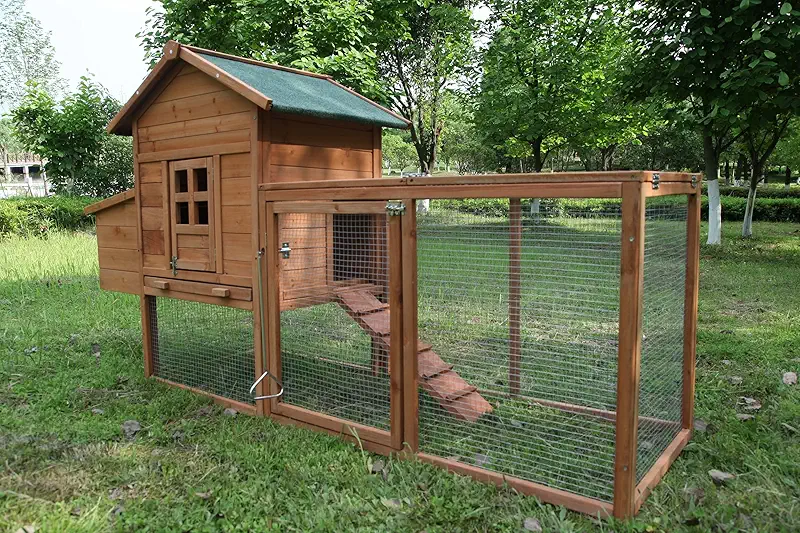
A solid chicken coop enclosure keeps hens safe, dry, and laying steady through the seasons.
What a chicken coop enclosure really needs to do
A lot of folks start by asking, “How big should my chicken coop enclosure be?” That’s a good question, but not the first one I ask. I start with this: “What is trying to eat my hens, and how is the weather where I live?”
Out here we’ve got coyotes, raccoons, hawks, owls, foxes, neighbor dogs, and the occasional bored teenager who thinks chasing chickens is entertainment. On top of that we get hot summers, cold winters, wind that’ll slap your hat off, and plenty of rain. Your chicken coop enclosure has to stand between your birds and all that nonsense.
The three big jobs of an enclosure
- Keep predators out – every night, every season.
- Keep hens dry and mostly draft-free, but still well ventilated.
- Give enough room so hens aren’t stressed, bored, and pecking each other bald.
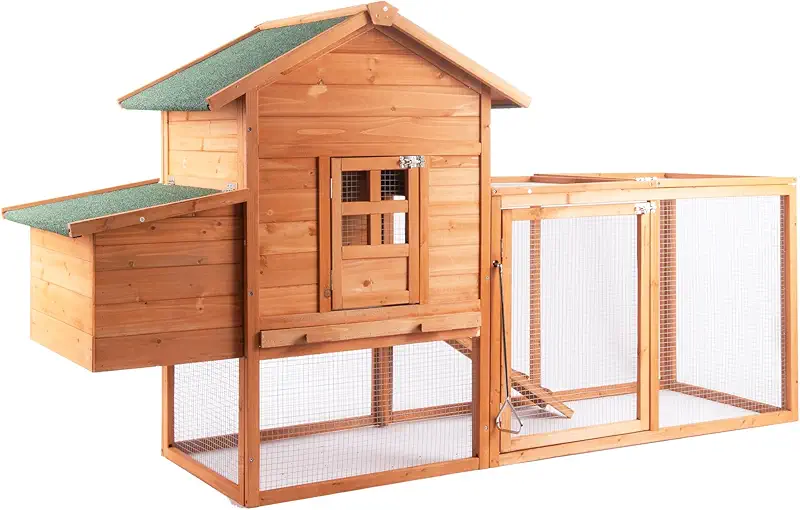
Hardware cloth and solid framing turn a simple chicken coop enclosure into a real fortress.
Choosing size and layout for your flock
I still remember my first tiny coop. Looked cute as a button. The hens hated it. Too tight, no breeze, and I spent more time cleaning than they did laying. So let’s talk about size before you repeat my rookie year.
Space inside the coop
Inside the enclosed house section, a simple rule works fine:
- Light breeds (Leghorns and such): around 3–4 sq ft per hen.
- Heavier breeds (Orpingtons, Rocks, Reds): 4–5 sq ft per hen.
That might sound generous, but crowded birds get cranky. Cranky hens eat feathers, bully the low-ranking girls, and go off lay when stress piles up. Give them room to move.
Plan space for nest boxes (one for every 3–4 hens), a decent roost, and a corner that’s easy for you to reach with a shovel and a bucket. Your back will thank you.
Space in the run / enclosure
The run is where your chicken coop enclosure really earns its keep. Here’s what I shoot for:
- At least 8–10 sq ft per hen in the run.
- More space if you can swing it, especially if they don’t free-range.
Tightly packed runs turn into mud pits and disease factories. With more room, the grass lasts longer, droppings spread out, and hens keep themselves entertained scratching, dust bathing, and arguing over bugs.

A roomy chicken coop enclosure keeps peace in the flock and eggs coming steady.
Height and human comfort
I built one low enclosure where I had to crawl in on my hands and knees. One summer of that and I swore never again. If you can walk in without ducking, you’ll clean more often and check birds more carefully. Funny how that works.
- Walk-in height if you can manage it.
- Wide doors that a wheelbarrow can fit through.
- Access panels near nest boxes so you can gather eggs without disturbing the whole flock.
Keeping predators out of your chicken coop enclosure
Predators are patient, hungry, and good at finding weak spots. A raccoon can reach through wide wire and do terrible things. A fox can dig like a backhoe. An owl will wait till you forget to shut the door just once.
Wire that actually works
Around here I have a saying: “Chicken wire is for chickens, not for predators.” It keeps the birds in, but it doesn’t always keep the bad guys out.
- For serious predator resistance, use 1/2 inch hardware cloth on lower walls, doors, and any openings.
- You can use stronger welded wire with larger openings higher up where raccoon hands can’t reach through as easily.
- Bury or trench that wire, or create an apron around the perimeter, so diggers hit a barrier.

Strong mesh, secure latches, and a buried apron turn a simple run into a true chicken coop enclosure.
Doors, latches, and night-time safety
Raccoons are smarter than some distant cousins I won’t name. They can flip simple latches and work at a weakness all night long. So:
- Use two-step latches (like a carabiner on an eye latch) on every door.
- Check for thumb-turns or slide bolts that could be bumped open; back them up.
- Close birds up in the secure coop at dusk, not just the outer run, if predators are thick.
I lost my best old hen, Big Red, because I trusted a cheap latch one summer. Fixed it the next day, but that didn’t bring her back. A few extra minutes and a better latch are cheaper than a dead flock.
Ventilation, bedding, and dryness in the enclosure
Chickens can handle cold better than damp. Wet litter and stale air are what make birds sick. A good chicken coop enclosure keeps water out, lets fresh air in, and gives you a fighting chance when the weather turns ugly.
Good airflow without harsh drafts
I like vents high up under the eaves, protected by overhang and hardware cloth. Warm, moist air rises and escapes up there. Cool air slips in lower down but not straight across the roosts.
- Openings high on opposite walls for cross-ventilation.
- Covered with fine mesh to keep out weasels and small critters.
- Adjustable vents or windows if your seasons run from snow to heatwave.
Bedding and floor choices
I’ve used everything from sand to straw. What matters is staying dry and easy to clean.
- Pine shavings: easy to find, dries out fast, pretty forgiving. My go-to for most coops.
- Straw: looks nice, but it can mat and mold if you don’t stay ahead of it.
- Deep litter method: slow composting inside the coop, turning and adding dry bedding as needed. Warm in winter if done right.

Dry bedding and raised floors help your chicken coop enclosure handle rain and snow.
Designing a chicken coop enclosure for laying hens
Laying hens are creatures of habit. They like routines, safe places, and feeling like the boss of their little world. When your enclosure fits their nature, the eggs come steady and life stays peaceful.
Roosts they actually use
Hens want to roost higher than nesting boxes and off the ground. I use flat-ish roosts, like the narrow side of a 2x4, so their toes are supported.
- Give 8–10 inches of roost space per hen.
- Keep roosts all about the same height so low birds aren’t always shoved to the bottom rung.
- Place roosts where droppings don’t fall into food or water.
Nest boxes that stay clean
The magic of a good chicken coop enclosure is when you open a clean nest box full of fresh eggs. That doesn’t happen by accident.
- Place nest boxes lower than the roosts so hens don’t sleep in them.
- Use dry, cushy bedding (shavings, chopped straw) and refresh often.
- Mount them where you can reach from outside if possible.

Comfortable roosts and quiet nest boxes turn a simple chicken coop enclosure into a productive hen house.
Little “toys” that stop bad habits
Bored hens invent trouble. They peck feathers, egg-eat, and harass the timid ones. Your enclosure can help keep their minds busy.
- Hang a cabbage or treat ball so they peck at that, not each other.
- Add a low perch or stump in the run for them to hop on.
- Provide a dry dust bath area with loose soil, ash, and sand.
Doesn’t have to look pretty. Chickens don’t care about matching colors. They care about interesting spots to scratch and dig.
Daily and seasonal care of your chicken coop enclosure
Building an enclosure is one thing. Living with it year after year is another. A smart setup saves time every single day.
My simple daily checklist
- Quick walk-around for holes, loose wire, or dug spots.
- Fresh water, dumped and refilled, not just topped off.
- Feed topped up and stored where mice can’t feast at night.
- Eggs gathered morning and evening.
Seasonal chores that pay off
Each season, the enclosure needs a little attention:
- Spring: Deep clean, repair winter damage, add shade if summers get brutal.
- Summer: Extra waterers, shade cloth, good airflow. I freeze jugs of water and set them in front of a fan on the worst days.
- Fall: Check roofs, seal drafts at roost height, lay in extra bedding.
- Winter: Focus on dry, not warm. Clear snow from run roof or netting so it doesn’t collapse.

With a well-planned chicken coop enclosure, chores stay simple through every season.
How to choose a pre-made chicken coop enclosure
Not everyone wants to swing a hammer on the weekend, and that’s just fine. These days there are plenty of ready-made chicken coop enclosure kits. Some are solid and well thought-out, others… let’s just say I wouldn’t trust them against a determined raccoon.
What I look for in ready-made enclosures
- Sturdy framing that doesn’t wobble when you shake it.
- Real hardware cloth (or a place to easily add it) instead of thin “chicken wire” alone.
- Roofing that actually sheds water and can handle snow or strong sun.
- Walk-in access to the run and easy access to nests and interior for cleaning.
- Enough space per bird, according to the numbers we talked about earlier.

Many kit-style chicken coop enclosure setups can work great with a few smart upgrades.
Most pre-made enclosures benefit from a couple of farmer tweaks: an extra latch here, some buried wire apron there, maybe a better roof panel or more ventilation cut in. Think of the kit as the bones, and you add the muscle.
FAQ about chicken coop enclosures
1. How big should my chicken coop enclosure be for laying hens?
For most backyard flocks, I like 4 sq ft per hen inside the coop and at least 8–10 sq ft per hen in the run. More is better if they aren’t free-ranging. If you have heavy breeds or long winters when birds stay cooped up, lean to the higher end. Crowded hens get stressed, which means fewer eggs and more pecking.
2. What’s the best wire for a safe chicken coop enclosure?
For predators, 1/2 inch hardware cloth is hard to beat. It’s tougher than regular chicken wire and keeps out raccoon hands and smaller predators. I use it on lower walls, around doors, and over any vent or window openings. You can use stronger welded wire with bigger openings higher up where reach-through attacks are less likely. Whatever you choose, attach it solidly with screws and washers or heavy-duty staples.
3. Do I need a roof over the whole chicken coop enclosure?
A full roof is excellent, especially in rainy or snowy areas, but not always required. At minimum, I like a solid roof over the coop itself and some kind of protection over the run: wire or netting to keep hawks out, and maybe a tarp or panels for shade and rain. A roofed run keeps bedding drier, cuts down on mud, and makes chores a lot more pleasant.
4. How do I keep the enclosure from getting muddy and smelly?
Pick a well-drained spot if you can. Slope is your friend. Inside the run, add coarse sand, wood chips, or chopped straw to give water somewhere to go and droppings something to mix into. Keep waterers up on blocks so they don’t leak and soak the ground. In the coop, use dry bedding and good ventilation. When in doubt, add more carbon material (shavings, chips) and improve airflow.
5. Can I use a pre-made chicken coop enclosure kit for cold winters?
Yes, but you’ll usually need to beef it up a bit. Many kits are designed for mild weather and light use. For cold climates, I like to add more insulation by blocking wind at roost height, making sure there’s a dry floor with plenty of bedding, and confirming the roof can handle snow load. Keep ventilation high up, not at bird level, so moist air escapes without chilling them. With those tweaks, a solid kit can carry hens through winter just fine.
Ready to pick your chicken coop enclosure?
If you’ve read this far, you’re already ahead of most new chicken keepers. You know a chicken coop enclosure isn’t just a cute little house in the yard. It’s where your hens sleep, lay, gossip, and live out their feathered lives. Build or choose well and you’ll get fresh eggs, calm birds, and fewer headaches.
Think about your predators, your weather, and your daily routine. Picture yourself out there in rain boots with a feed bucket in one hand and coffee in the other. If the setup still feels easy in your mind, that’s the enclosure you want.
When you’re ready to look over different chicken coop enclosure options, take your time and trust your common sense. If something looks flimsy in pictures, it’ll feel flimsy in your backyard. If it looks solid, has good wire, decent space, and smart access, that’s worth a closer look.