
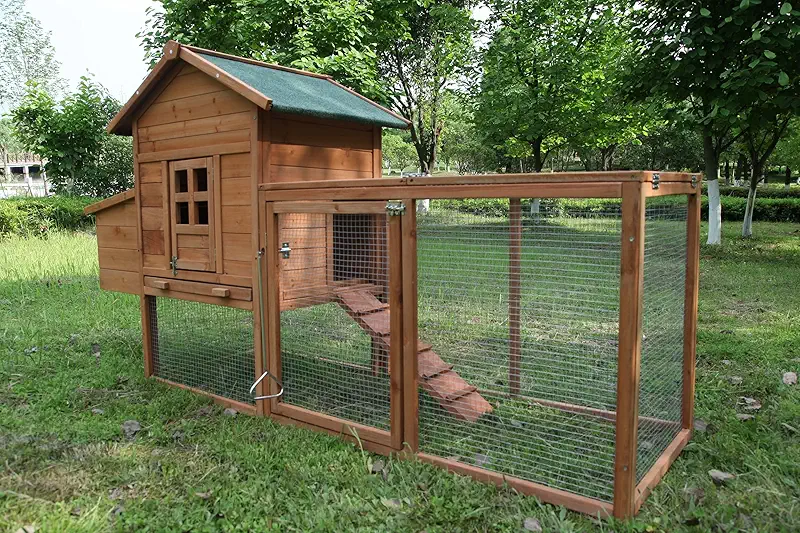
The real goal: happy hens, steady eggs
When folks ask me about chicken coop essentials, they usually start with looks. “Will this coop look cute by the garden?” I always chuckle. Hens don’t care about cute. They care about dry bedding, fresh air, safety, and a place to lay without the whole world staring at them.
On my place in the Midwest, we get just about everything the sky can throw at us: heat, cold, wind, sideways rain, and the occasional nosy raccoon with a taste for chicken. Over time I’ve boiled things down to a simple rule: if a coop keeps birds safe, dry, and calm, the egg basket fills itself.
1. Solid coop structure: size, strength, and simple layout
First thing I look at with any coop is the bones of it. Does it look like it will still be standing after a few storms and a couple of winters? I’ve seen cheap coops twist apart like cardboard when the wind picks up. The hens survived, but my pride didn’t.
As a rule of thumb, give your birds about 3–4 square feet per hen inside the coop if they also have a run. If they’re confined more, bump that up. Crowded birds get cranky. Cranky birds start pecking. Pecking birds mean trouble.
Materials that stand up to farm life
Heavy wood, sturdy framing, and tight fasteners are worth every penny. Thin particle board and flimsy hinges might be cheap, but they don’t owe you any loyalty. Out here, I’d rather my coop feel a bit “overbuilt” than wake up to chickens roosting on my porch because their wall blew out.
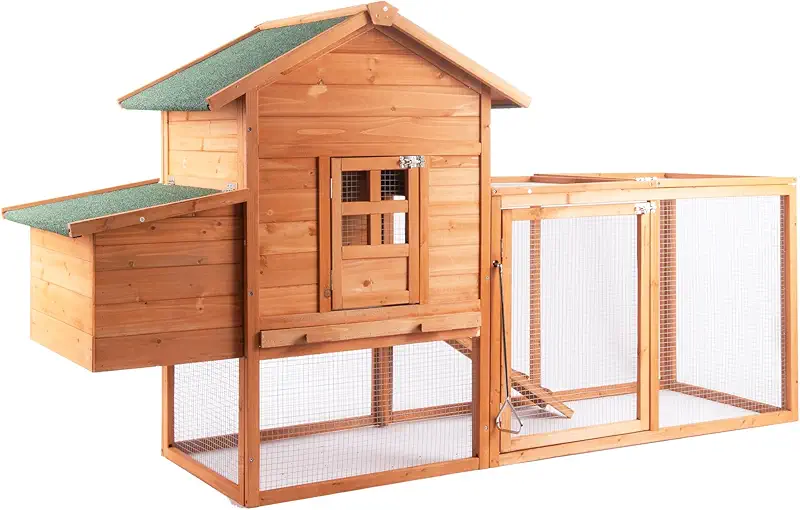
Watch how the doors and nest box lids close. If they wiggle and rattle when you touch them, a raccoon will open them like a lunchbox. Strong latches and snug fits are small details that save birds.
Room to move, roost, and relax
Hens are like people in a long pick-up line: give them some elbow room and they’ll behave better. Inside the coop, make sure there’s enough roosting space so they don’t have to pile on top of each other.
I give mine about 8–10 inches of roost per bird, more for the heavy girls. Roost bars should be higher than the nest boxes, so they sleep up on the bar instead of cuddling where they’re supposed to lay. Hens are practical, not fancy: higher feels safer, so that’s where they’ll go.
2. Nesting boxes: where the magic happens
My granddad used to say, “You don’t get breakfast without a good nest.” He was only half joking. A decent nesting setup is one of the top chicken coop essentials if you want clean eggs and happy hens.
Figure on about one nest box for every 3–4 hens. They’ll all line up for the same box anyway—usually the one a bossy hen chooses first—but having options keeps peace in the flock.
What makes a good nest box
- Dark and calm: Hens like to feel tucked away, not on display.
- Easy to clean: Removable trays or smooth corners make a big difference.
- Right height: Low enough to reach, high enough to stay dry and away from damp bedding.

I like nest boxes that open from the outside. On frosty mornings, being able to collect eggs without stepping into cold, dusty bedding feels like a little gift from above.
If you get eggs with cracks or poop on them often, don’t blame the hens right away. Check your nesting boxes. Too shallow, not enough bedding, or nests in the brightest spot of the coop will cause all sorts of egg drama.
3. Ventilation: fresh air without chilling your flock
This might be the most misunderstood piece of chicken coop essentials. Folks hear “drafts are bad” and then seal their coops tighter than a pickle jar. Next thing you know, the air inside smells sharp and heavy, and the birds start coughing.
Good ventilation means steady, gentle air exchange above the chickens’ heads. I like vents or windows near the roofline, covered with strong hardware cloth, not chicken wire. Chicken wire keeps chickens in. Hardware cloth keeps predators out.

In winter, I close off the gusty spots that blow directly on the roosts but keep the upper vents open. Moist air from their breath and droppings has to go somewhere. If it stays inside, you’ll see frostbite on combs and more respiratory issues.
4. Bedding and floor: dry feet, healthy birds
I always say, “If your socks would be wet in there, your chickens’ feet are in trouble.” Dry bedding is non‑negotiable. Damp floors are a breeding ground for ammonia, bacteria, and all the things that make birds sick.
I’ve tried just about everything: straw, wood shavings, sand, and a few experiments I don’t care to admit. For most backyard folks, dry pine shavings or chopped straw work well. Lay a good layer, then stir or top it off regularly.
Keep a small rake or old garden hoe right by the coop. Every couple of days, give the bedding a quick stir. Two minutes of stirring saves you hours of deep‑cleaning later.
Flooring that saves your back
A floor you can scrape clean matters more than most people think. Smooth wood or a lined floor is much easier to scoop out than dirt with roots and rocks. I learned that the hard way, shoveling frozen manure out of a dirt‑floor coop in February. Once was enough.
5. Predator‑proofing: locks, wire, and common sense
If you’ve never seen what a raccoon can do to a weak latch, trust me, you don’t want to. Part of real chicken coop essentials is assuming that everything with teeth is interested in your hens.
Here’s what I look for in a coop that respects predators:
- Hardware cloth, not chicken wire, on windows and vents.
- Buried or apron fencing along the run to stop digging.
- Strong latches that require more than a curious paw to open.

At night, I always do a quick door check. Takes less than a minute, and I sleep a lot better. It doesn’t matter how nice the coop looks if something can stroll in after dark.
6. Feed, water, and daily chores made easy
The best coop is the one you don’t mind walking out to twice a day, all year long. I set mine up so feed, water, nests, and the main door are all easy to reach with frozen fingers and muddy boots.
Feeders and waterers that work with real life
You want feeders and waterers that:
- Stay off the ground, so they don’t fill with bedding and droppings.
- Are easy to top off without spilling half the bag of feed.
- Can be cleaned without contortions.
In summer, I like waterers placed where there’s some shade. In winter, a small heater or insulated design saves you from playing “break the ice” every morning. After a few winters swinging a hammer at frozen buckets, I learned my lesson.
7. Comfort through the seasons: heat, shade, and common sense
Chickens handle cold better than heat, but they don’t like extremes either way. Part of chicken coop essentials is planning ahead for your local weather, not someone else’s.

Winter on the farm
I don’t run big heat lamps. Too many barns have burned that way. Instead I:
- Keep the coop draft‑free but well‑ventilated.
- Use extra dry bedding for insulation.
- Make sure the roosts are wide enough so birds can cover their toes with their feathers.
On the coldest nights, my hens puff up like feathered little marshmallows and do just fine, as long as the air is dry and calm inside.
Summer heat and shade
Hot, still air will knock a hen down faster than a January wind. In summer, I open every window and vent I can, as long as predators are still kept out. Shade over the coop and run helps a lot.
If you see birds panting with wings slightly open, they’re too hot. I’ve run a fan outside the coop door more than once on the worst days. Not fancy, but it keeps them comfortable and better able to keep laying.
8. The run: where chickens get to be chickens
A good coop with a lousy run is like a nice house with a parking lot for a yard. Chickens love to scratch, dust bathe, and hunt for little snacks. A safe, roomy run is part of real‑world chicken coop essentials.

I like runs tall enough that I can get in there without crawling. I’ve crawled through my share of low doors with a feed bucket, and I don’t recommend it unless you enjoy surprise chicken flapping right by your face.
Covering the top of the run protects from hawks and keeps local wildlife from dropping in uninvited. Even some light netting over the top is better than nothing.
9. Keeping chores simple so you actually enjoy your flock
When I help friends pick out or build coops, I always ask, “What will this feel like on a dark, rainy Tuesday?” If it looks great in the catalog but feels like a chore every day, you won’t enjoy your chickens for long.
That’s where good doors, smart layout, and small details shine:
- Doors you can open with one hand when the other is holding a bucket.
- Nest boxes where you don’t have to bend like a pretzel to collect eggs.
- A floor and bedding system you can clean in under 30 minutes.
The less hassle you have getting in and out, the more time you spend actually watching and enjoying your hens. And that, to me, is half the point of keeping them.
10. Choosing a coop that fits your life
No single setup is perfect for everyone. A family with four backyard hens doesn’t need the same thing as a small farm with twenty layers. But the chicken coop essentials stay the same:
- Safe, sturdy structure.
- Dry floor and good bedding.
- Proper ventilation, no harsh drafts.
- Comfortable nesting boxes.
- Secure roosts and predator‑proofing.
- Easy access for you, every single day.

When I look at new coop options, I picture one of my own hens inside. Would she stay dry in a storm? Would she have space to settle on the roost without getting shoved off? Could I reach the eggs on a snowy morning without cussing at the door? If the answer is yes, it’s worth a closer look.
If you want to see a variety of ready‑made coops that follow these principles, you can wander through different designs, sizes, and layouts and picture what would sit best in your yard and life. I’ll browse a bit