
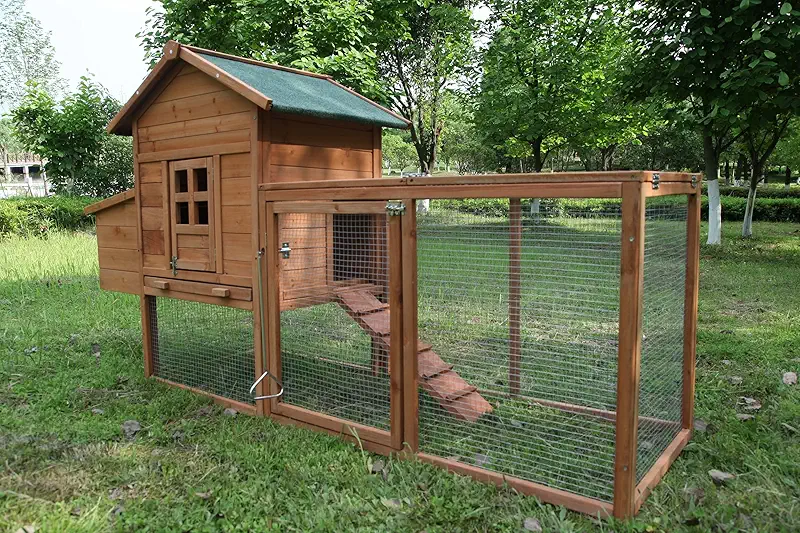
Why a chicken coop exhaust fan matters more than folks think
When I built my first proper hen house, I thought solid walls and thick bedding meant I was spoiling my birds. The coop was tight, cozy, and looked pretty good. Within a week, it smelled like a barn under a thunderstorm and my eyes watered every time I opened the door.
The problem wasn’t the hens. It was me. I had forgotten one of the most important tools in a modern coop: a good chicken coop exhaust fan. Once I installed one, the change was fast and clear. The air felt lighter, the smell dropped, and my girls started spending more time calmly on the roosts instead of crowding near the door looking for fresh air.
A chicken coop exhaust fan is not a fancy gadget, it’s a simple way to keep three big problems under control:
- Ammonia from droppings – that sharp smell that burns your nose? Your hens’ lungs don’t like it either.
- Moisture and condensation – wet litter means bacteria, frostbite, and unhappy feet.
- Summer heat – hens handle cold better than heat, but a stuffy coop will drain them fast.
I tell new chicken keepers this: if you can smell the coop strongly when you open the door, your birds have been breathing that all night. A chicken coop exhaust fan helps them get clean air without turning the coop into a wind tunnel.
How I choose a chicken coop exhaust fan (farmer’s simple checklist)
I’m no engineer, but I know what works out in the yard. Over the years I’ve settled on a simple, common-sense checklist for picking a chicken coop exhaust fan that actually does its job without scaring the birds or draining the power bill.
1. Match the fan to the size of your coop
On my place, I’ve got a small 4×6 coop and a bigger walk-in style coop. They don’t need the same fan. For a small backyard coop, a compact fan that quietly trades the air a few times an hour is enough. For a big flock, you want more power, sometimes more than one fan.
Rule of thumb I use: it should clear the coop air several times an hour, but not so strong that feathers fly every time it kicks on. If your hens’ combs are flapping in the breeze, that fan is doing more than it needs to.
2. Quiet enough not to rattle hen nerves
Chickens pretend to be tough, but the wrong noise will have them all plastered to the far corner like kids when the fire alarm goes off. My first fan sounded like a tractor starting in the rafters. The birds hated it, and I ended up shutting it off more often than not.
These days, I look for fans described as quiet or low-noise, and I stick them on a solid surface so they don’t buzz the whole wall. Once the birds get used to a soft hum, they ignore it. Honestly, I think they like the routine sound.
3. Easy to clean and dust-friendly
Coop dust is no joke. Feathers, dander, bedding bits – they all end up on everything, including your fan. If it’s a pain to clean, you won’t do it as often as you should. I’ve been there.
A good chicken coop exhaust fan should let you wipe the blades and grill without needing a toolbox and a college degree. I try to give mine a quick clean when I change out litter or scrape the roosts – just part of the routine.
4. Weather-resistant for farm reality
Out here, we get baking sun, sideways rain, and winter that makes metal ring. If a fan is going in an outside wall, I want it built to handle moisture and temperature swings. A flimsy unit might work for one season and then quit on you right when the heat wave hits.
I look for solid housing, decent seals, and if it has louvers that close when it’s off, even better. That keeps cold drafts and curious insects where they belong – outside.
Where to place a chicken coop exhaust fan (and where I messed up first)
My first install was… let’s say “educational.” I slapped the fan low on the wall, right across from the roost. The hens looked like they were on the front of a moving train, feathers gently streaming. They were not amused.
After a few grumpy evenings of them trying to roost in the nesting boxes, I shifted the fan and learned a few things.
Keep the breeze above roost level
I mount my chicken coop exhaust fan high on the wall these days, so it pulls the warm, damp, ammonia-heavy air up and out. Cold air comes in low from vents on the opposite side. That way, the chickens sit in calmer air between the two.
Use a partner: intake vents
A fan is only half the story. It needs someplace to pull fresh air from, or it just struggles. I like to have:
- Lower vents on the opposite wall for fresh air, covered with hardware cloth.
- High fan or vent on the leeward side, so the wind doesn’t blow straight in.
Think of it like a slow, steady breath through the coop, not a gust.
Don’t point it straight at the birds
Drafts on birds are trouble, especially in winter. Moving air is good, but constant wind on combs and feet can mean frostbite even in weather you wouldn’t expect it. I like my fan to pull air across the top part of the coop, letting things mix without feeling like a storm inside.
Real-life results: what changed when I added exhaust fans
Over the years, I’ve watched what happened before and after I added fans to my coops. Here’s what I noticed, plain and simple.
Health and breathing
Before exhaust fans, I saw more sneezing, a bit of eye irritation, and hens avoiding the coop until the very last light. Now my birds stroll in at dusk, settle on the roosts, and I almost never hear a cough or see those “wet” looking eyes you get in a stuffy coop.
Egg production
When hens are hot or breathing bad air, they’re stressed. Stressed hens lay fewer eggs – and sometimes thinner shells. After I got the ventilation right, my egg numbers evened out more through summer and winter. The girls stayed steadier, and I got more good shells and fewer oddballs.
Smell and flies
Let’s be honest, the coop will never smell like a rose bush. But there’s a big difference between “it smells like chickens” and “who left this bucket out for a month?” With a chicken coop exhaust fan pulling out damp air, the litter dries better, the smell is tamer, and flies don’t seem quite as thrilled to move in.
My own daily chores
I’m the one stepping into that coop every day, sometimes several times. With the fan running, I can scrape, feed, water, and collect eggs without feeling like I’m standing over a compost pile in July. Less nose burn, less sweat dripping off my hat.
How I actually run my chicken coop exhaust fan through the seasons
A lot of folks ask whether you should run a fan year-round, and the honest answer is: it depends on your weather, your coop, and your birds. I’ll tell you what works for me here in the States with hot summers and cold winters.
Summer: fighting heat and humidity
In summer, my fan works harder than I do – and that’s saying something. On really hot days, I run it most of the day and at least early evening. If the nights stay warm, I let it run all night on a lower setting, keeping the humidity and heat moving out.
I also add shade outside the coop and lots of cool water, but that simple, steady airflow keeps the coop from turning into a slow cooker. I’ve seen hens pant and spread their wings when the air is dead. With the fan on, they still get hot, but they stay on their feet and keep eating.
Winter: balancing cold and fresh air
Winter is when folks get nervous. We feel cold, so we want to seal the coop up like a jar of jelly. Problem is, the birds keep breathing, pooping, and adding moisture to that closed space. Then you see frostbite on combs and think it’s from the cold alone, when it’s really from damp, chilly air.
In winter, I still use my chicken coop exhaust fan, just smarter:
- I run it in shorter bursts or on a timer, especially in the warmest part of the day.
- Vents stay open but protected from direct wind and snow.
- Bedding stays thick and dry to keep feet warm while the air stays moving up high.
My birds fluff up, tuck their feet, and ride winter out just fine, with clean air and dry combs.
Rainy seasons and damp climates
If you live where everything feels a little soggy, a chicken coop exhaust fan is worth its weight in gold. I’ve had stretches where it rained so much the ground squished all over the yard. In those times, I run the fan more often, just to keep the bedding from feeling clammy and sticky.
Simple installation tips from a not-so-fancy handyman
I’m no carpenter, but I’ve managed to get fans into wooden walls, metal sheds, and old barns without calling in the pros. Here’s how I keep it straightforward and safe.
Think about wiring and safety first
Electricity and dusty coops can be a bad mix if you don’t respect them. I like:
- Using outdoor-rated cords and covers if the fan plugs in.
- Keeping wires tucked in conduit or stapled up high out of beak reach.
- Using grounded outlets and keeping everything off wet floors.
Some folks go with solar-powered options, which can be a nice way around long extension cords.
Give yourself a solid frame
When I cut a hole in the coop wall, I frame it with scrap 2×4 or similar, so the fan has something solid to screw into. That keeps it from rattling and shaking the wall. I also like a bead of outdoor caulk around the edges to keep drafts and bugs from sneaking past the housing.
Protect the birds from the blades
Chickens are curious – and not always wise. If there’s spinning metal and a gap, they’ll go over to ask, “What’s that?” I always make sure the fan has a sturdy grill, and if there’s any doubt, I add hardware cloth over the inside. Better safe than explaining to kids why one hen is missing some feathers.
Use your nose and breath as a test
My “professional test” is simple. I step into the closed coop, stand there for a bit, and breathe. If after a few minutes my nose is fine, my eyes aren’t burning, and the air feels light, the fan and vents are doing their job. If I want to get out right away, the birds probably do too, and it’s time to upgrade or adjust.
Daily and seasonal maintenance for your chicken coop exhaust fan
A fan doesn’t ask for much, but it does better if you give it a little attention now and then. I fold mine into my regular coop chores so it never turns into a big project.
Quick monthly check
About once a month, or whenever I’m already out there with a broom and bucket, I:
- Brush or wipe dust off the grill and blades.
- Make sure nothing is wobbling or rattling.
- Listen for changes in sound – grinding or scraping is a bad sign.
Seasonal deep check
Before the big heat of summer and the deep cold of winter, I give the chicken coop exhaust fan a closer look:
- Check that the housing is still tight and sealed in the wall.
- Look over cords and plugs for cracks or chew marks.
- Test intervals – how long it takes for the coop to feel fresher once it kicks on.
Takes maybe ten minutes, and it saves me from surprise failures when I need the fan most.
Listen to the hens
At the end of the day, the birds tell you how you’re doing. If they rush the fresh air every time you open the door, or start roosting in weird spots, that’s feedback. When my hens are quiet, spread evenly on the roosts, and breathing easy, I know the airflow is about right.