
Chicken Coop Extension Run
Chicken Coop Extension Run – When your hens outgrow their space, you don’t need a bigger farm, just a smarter run.
I still remember the morning I realized my girls needed more space. I opened the coop door, and six hens tried to push out at once like kids getting off a school bus on the last day of class. Feathers everywhere, a lot of squawking, and one cranky Rhode Island Red giving me the stink eye. That was the day I decided it was time for a proper chicken coop extension run.
If you’re reading this, chances are your flock is growing, or you’re just trying to treat your hens a little better than “good enough.” You’re on the right track. A solid chicken coop extension run doesn’t just make your hens happier, it makes your life easier: cleaner yard, fewer escape artists, and steadier egg production.
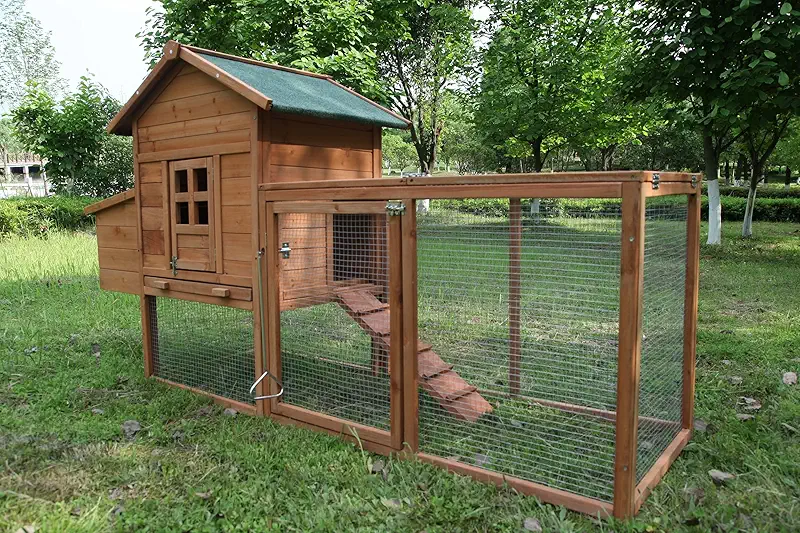
Why A Chicken Coop Extension Run Changes Everything
Hens aren’t that different from us. Cram us all in a tight room with one bathroom and see how long it takes before tempers flare. Chickens packed in a tiny run get mean, noisy, and stressed. Once I added my first chicken coop extension run, it was like someone turned down the volume on the whole flock.
The picking and feather pulling slowed down. Eggshells got a little stronger. And my old hen, Mabel, finally had enough space to waddle off and nap in peace without some young pullet hopping on her back.
Extra run space means fewer squabbles at the feeder, less bullying, and more natural behavior like dust bathing and scratching. A crowded flock is a cranky flock.
I love letting my birds roam, but hawks and stray dogs love that too. A covered chicken coop extension run lets them enjoy the outdoors without constantly ending up on the predator menu.
Before I added an extension run, my hens turned my wife’s flower bed into a crater field. The run keeps them busy in their own space, and my marriage is better for it.
When hens feel safe, have space, and can follow their little chicken routines, they tend to lay more regularly. Stress is the enemy of eggs.
Years ago, I tried to “make do” with a run that was honestly too small. My dominant hen started pulling feathers from the lower girls. I blamed feed, lighting, everything but the run size. Once I added a simple extension, the pecking calmed down within a week. Same hens, same feed, same coop – just more room. That’s when I stopped calling run space a luxury and started calling it “necessary.”
What To Look For In A Chicken Coop Extension Run
Not all runs are built the same. Some look pretty in the photo but fold like a cheap lawn chair the first time the wind howls or a raccoon leans on it. When you’re choosing a chicken coop extension run, think like a stubborn old farmer: “Will this thing hold up when life gets ugly?”
Look for solid metal or treated wood and tight wire mesh, not flimsy chicken wire alone. Predators can push, dig, and chew more than you think.
You want a run that connects cleanly to your existing coop door or pop hole, without big gaps that a hen or a weasel could slip through.
If you can stand up inside, your back will thank you. If not, at least make it tall enough so hens can use roosting bars and you can still reach into corners.
A covered run keeps hawks out and gives shade and shelter from rain and snow. Wire top, solid roof, or tarp all beat a wide-open top.
Side doors, walk-in entry, or removable panels turn chore time from a wrestling match into a quick visit with a rake and a bucket.
If you know yourself, and you know “just six hens” will become twelve, choose a system you can extend later without starting from scratch.
How Big Should Your Chicken Coop Extension Run Be?
Folks ask me this a lot, and my answer is always the same: give them as much space as you reasonably can. But if you like numbers, here’s the simple version I use on my own place.
- Minimum: I aim for at least 8–10 square feet of run space per standard hen.
- Better: 15 square feet per hen gives them room to move without bumping into each other all day.
- Best you can: If you can go bigger, do it. I’ve never once said, “Boy, I wish I’d built that run smaller.”
Bantams can get by with a little less; big heavy breeds like Orpingtons or Brahmas really enjoy the extra floor space. My heavy girls aren’t much on flying, but they sure like to wander and scratch.
Attaching A Chicken Coop Extension Run To Your Existing Coop
Hooking a new chicken coop extension run to your old coop isn’t complicated, but a few details can save you a lot of cussing and chasing loose hens around the yard.
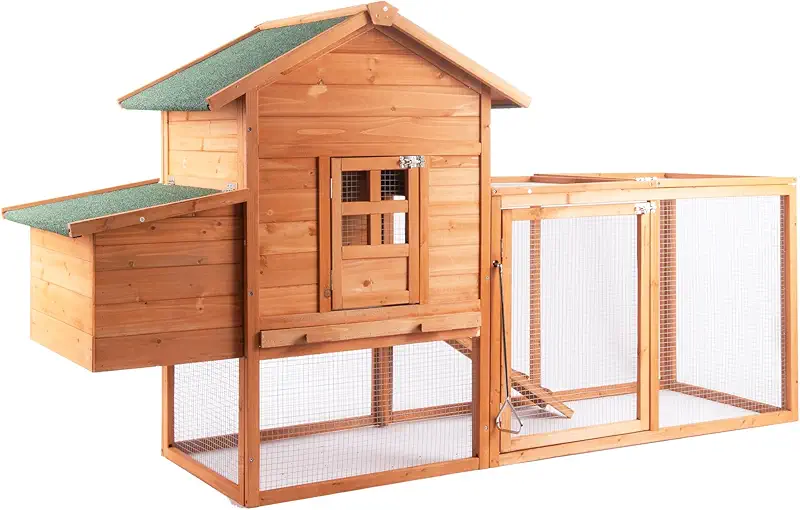
1. Line up the doors
Make sure the coop pop door lines up with an opening in the extension run. You don’t want gaps where heads, wings, or sneaky critters can slip through.
2. Close the gaps
Use hardware cloth, strong wire, or solid boards to close any odd-shaped spaces where the coop and run meet. Raccoons only need a little crack to start trouble.
3. Anchor it down
I like to use ground stakes, heavy blocks, or even bury a bit of the frame so a strong wind or a determined dog can’t shift it.
4. Test it before bedtime
Let the hens explore during the day while you watch. See where they try to squeeze, climb, or sneak, then tighten up any weak points before it gets dark.
Predator Protection In A Chicken Coop Extension Run
Out here, it’s not a question of if something wants chicken dinner, it’s how many somethings. Foxes, raccoons, hawks, owls, neighbor’s dogs – they all watch your flock like a drive-through window.
A good chicken coop extension run should slow them down, frustrate them, and ideally send them looking for an easier meal elsewhere.
- Use real hardware cloth, not just chicken wire. Chicken wire keeps chickens in, but it doesn’t always keep predators out. Hardware cloth (that thick welded wire with small openings) is worth its weight.
- Think about the top as much as the sides. Hawks don’t need invitations. A covered run – wire or solid – makes a big difference.
- Stop the diggers. You can lay a skirt of wire mesh out flat on the ground around the run, or bury hardware cloth 8–12 inches down to stop diggers.
- Latch like a raccoon lives next door. Because he probably does. Use latches that need two motions or a carabiner clip. Coons have nimble little fingers and all night to practice.

One winter night, a big storm rolled through and dropped a branch on part of my run roof, bending it down just a bit. I figured I’d fix it “tomorrow.” Well, a raccoon figured he’d visit “tonight.” Thankfully he didn’t get inside, but he sure tried. Claw marks on the bent section reminded me: predators test every weakness. Since then, I fix things the same day I spot them.
Everyday Life With A Good Chicken Coop Extension Run
When your run is set up right, daily chores get simpler. I like keeping feed and water in the run most of the year, especially in a covered spot where rain and snow can’t hit it. That keeps the coop drier and the bedding cleaner.

I also like to set up:
- A dedicated dust bath corner – a low tub or box with dry soil, sand, and a bit of wood ash. It keeps mites down and makes for some happy, rolling hens.
- Perches at different heights – gives them something to hop up on, and you can see who’s boss by who claims the highest spot.
- Seasonal shade and wind breaks – a tarp in summer, clear panels in winter. Chickens don’t mind cold as much as they mind wind and damp.
With a good extension run, I can step in, check everybody over, toss a few treats, and be back in the house before my coffee cools down.
Choosing A Chicken Coop Extension Run Online
When you’re looking at pictures on a screen, everything looks sturdy and spacious. But a wise farmer learns to read the fine print. When I’m browsing chicken coop extension run options online, I pay close attention to size, framing, and how real folks say it went together.
Before you click anything, grab a tape measure and write down:
- The space you actually have in your yard.
- The height you can live with (and duck under, if needed).
- How many hens you have now and likely later.
Then look for extension runs that truly match those numbers, not just the ones with the prettiest photos. Read the reviews from folks who sound like they actually keep chickens, not just bought it for a weekend project.

Seasonal Care For Your Chicken Coop Extension Run
A solid run will last years, but only if you treat it a little like a piece of farm equipment: check it, fix it, and don’t ignore the little problems. Weather is hard on anything that lives outdoors.

- Spring: Walk the whole frame. Tighten screws, fix sagging wire, and rake out old bedding or leaves. I like to spread that used bedding in the garden after it ages a bit.
- Summer: Watch for hot spots with no shade. Add a tarp, shade cloth, or a bit of roofing so they’ve got somewhere to cool off.
- Fall: Check for rust, rot, and ground shifts after heavy rains. Clear out any low spots that hold water and turn to mud.
- Winter: Make sure snow load won’t collapse the roof, and block the worst of the wind while still letting fresh air move through.
A few minutes here and there beats having to sprint outside in a snowstorm because the run roof decided to take the night off.
Small Yard? You Still Deserve A Chicken Coop Extension Run
Not everybody’s got acres to play with, and that’s fine. I’ve helped plenty of folks on small suburban lots squeeze in a safe, comfortable chicken coop extension run without turning the whole yard into a barnyard.
In tight spaces, I like taller, narrower runs that go up a bit instead of out. Hens will happily use vertical space if you give them perches and platforms. A walk-in style run can double as storage for feed cans along one side.
You can also:
- Use a modular run that can turn corners around a shed or patio.
- Add wheels to one side of a smaller run and move it like a wheelbarrow to fresh grass.
- Place the run where shade and sun naturally trade places over the day.

Growing Your Flock Gradually With A Flexible Extension Run
I’ll tell you a secret: almost nobody stops at “just three hens.” Once you taste your own eggs and see those little ladies greeting you each morning, the number creeps up. That’s why I like extension runs that can be added onto again later.

Modular systems let you:
- Add a second section when you bring in new pullets.
- Separate younger birds or a rooster if needed.
- Shift parts of the run to give tired ground a rest.
If you build or buy with “future me” in mind, you save a lot of money, time, and headache down the road. Your future self will thank you, maybe with an omelet.
FAQs About Chicken Coop Extension Runs
1. How much space do my hens really need in a chicken coop extension run?
I like to see at least 8–10 square feet of run space per standard hen, and closer to 15 if you can swing it. Bantams can get by with a bit less, and big heavy breeds appreciate a bit more. More room means less bullying, less boredom, and fewer health problems.
2. Do I still need a chicken coop extension run if my hens free-range sometimes?
Yes, it’s still worth it. Free-ranging is wonderful, but it’s not always safe – or convenient. A solid run gives your flock a protected outdoor space on days when you’re gone, when predators are active, or when you just don’t want chickens on the porch or in the garden beds.
3. What’s the best flooring for a chicken coop extension run?
I usually let mine live right on the earth, then add straw, wood chips, or leaves as bedding. That lets them dust bathe and scratch naturally. If mud is a problem, I’ll bring in coarse sand or larger wood chips to keep their feet drier. I’m not a big fan of solid concrete for runs—it’s hard on their legs and not as fun for them.
4. How do I keep my chicken coop extension run from turning into a muddy mess?
Mud happens when you have poor drainage and too many birds on too little ground. Slope the ground slightly if you can, add a thick layer of wood chips or coarse sand, and keep feeders and waterers in a covered area so you’re not constantly spilling water into the soil. Moving the run or rotating sections once in a while also helps.
5. Can I add a chicken coop extension run to a prefab coop I already bought?
Most of the time, yes. You might need a bit of creativity, a drill, and some hardware cloth, but as long as you can give your hens a safe doorway from the coop into the run, you can usually attach an extension. Just make sure everything lines up tight and you brace the new section so it doesn’t wobble in a strong wind.
If your girls are starting to bump shoulders or pace the fence, that’s their way of saying it’s time for more room. A good chicken coop extension run lets them live like real chickens – scratching, dust bathing, sunning, and still coming home safe each night.
Take a quiet minute, picture the space you’ve got, count your hens, and pick a setup that will still feel right a year from now, not just this weekend. Your flock – and your egg basket – will show you the difference.
Show me every coop