
Chicken coop extension
Chicken Coop Extension
Out here on the farm, I learned the hard way that a cramped coop means stressed hens and empty nest boxes. A good chicken coop extension gives your girls room to stretch, scratch, gossip, and still feel safe when the sun goes down.
If you already have a coop and your flock has quietly turned from “just six hens” into a feathery neighborhood, you are in the right place. I will walk you through how to size and choose a chicken coop extension, what has worked on my own farm, and a few mistakes I would rather you do not repeat.
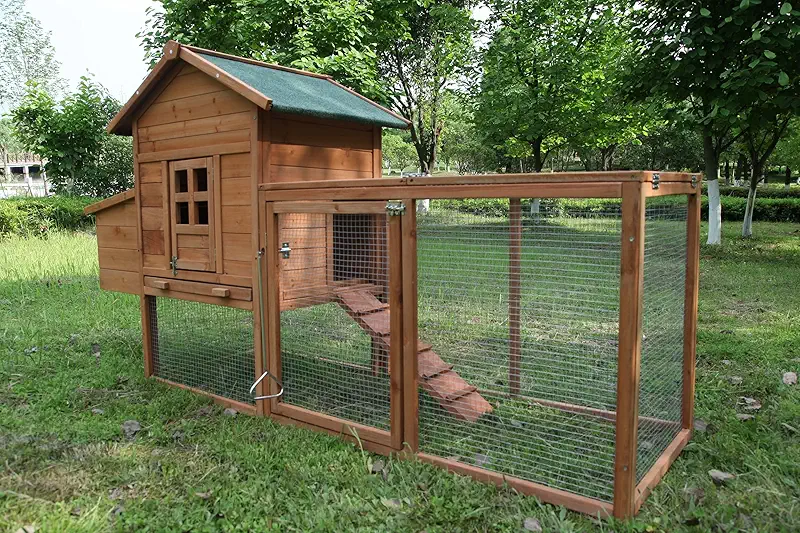
Why a chicken coop extension changed my mornings
For years I told myself, “I will not add more hens.” Then a neighbor needed to rehome a few, then the kids wanted a couple fun breeds, and before long I had more personalities than nest boxes. Sound familiar?
At first it was fine. But soon I noticed the signs: bald spots on backs from pecking, grumpy squabbles at roost time, and eggs laid in every wrong place except the nest boxes. That is when it hit me — we did not have a chicken problem; we had a space problem.
Adding a simple chicken coop extension calmed things down in less than a week. The pecking line disappeared, egg production picked up, and the morning sound of the coop went from frustrated clucking to that happy, quiet murmur that tells you the flock is at ease.
If your birds rush the door when you open the coop, or you see them pacing the fence like teenagers stuck inside on a sunny day, they are telling you they need more room. A well planned chicken coop extension gives them that room without tearing everything down and starting over.
How much space your hens really need
Lots of charts will throw numbers at you, but here is the simple farmer math I use for a small backyard flock:
- Inside the coop: 4 square feet per standard hen is the bare minimum I like.
- In the run or extension: 8–10 square feet per hen keeps the peace.
- More space for big breeds: Orpingtons, Brahmas, and other “feathered tanks” need extra elbow room.
With a chicken coop extension, you do not always have to change the sleeping area. Many folks keep the original coop for roosts and nests, then add an extension that acts like a safe, covered yard. That extra space lets birds move, dust bathe, and forage while still being fully enclosed.
On my place, once I passed ten hens, the difference between “enough” and “comfortable” space was about two more strides of run. It does not look like much to a human, but to a hen that short little waddle gets her one more dust bath spot and one less fight.
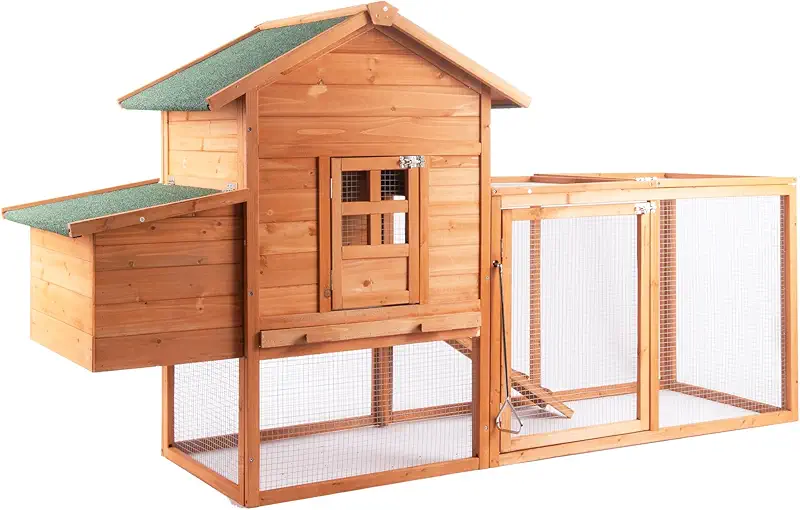
Key things I look for in a chicken coop extension
Not all extensions are built the same. Some are little more than wobbly wire and hope. Over the years I have helped neighbors fix more bad set‑ups than I care to admit. Here is what I look for now, every single time.
1. Strong frame and solid wire
If the frame flexes when you lean on it, a raccoon will treat it like a revolving door. I like extensions with:
- Metal or thick wooden frames that do not twist easily.
- Hardware cloth or strong welded wire, not flimsy chicken wire alone.
- Panels that tie firmly into the original coop so there is no gap for a sneaky paw.
One night a few summers back, a raccoon taught me the difference between “decorative” wire and real wire. After that, every chicken coop extension on my place has been treated like a fence for goats — stronger than I think I need.
2. Roof and weather protection
A roof on the extension makes a world of difference. It keeps the run dry, the dust bath spots loose, and the feed from turning into chicken soup every time it rains.
- Solid or partially solid roof keeps snow and heavy rain off.
- Some open panels for ventilation if your summers are hot.
- Enough headroom for you to step in without crawling like a mole.
3. Easy doors for humans (and not for foxes)
If you need to do yoga every time you grab eggs or refill water, you will end up putting chores off. I look for:
- One main human door that opens wide and latches firmly.
- A pop door between coop and extension that closes tight at night.
- Latches that require thumbs, not raccoon fingers.
4. Room to add on again
I know you are planning to stop at “just a few hens.” I planned that too. Still, I like a coop extension design that can be added onto easily — another panel here, a bit more run there. It costs less to grow slow than to rip it all out and start over.

Keeping predators out of your chicken coop extension
Around here, everything likes chicken. Fox, raccoon, possum, neighborhood dogs, hawks — they all think I built a buffet just for them. A flimsy chicken coop extension is an invitation they will not ignore.
Here is how I harden an extension without turning it into Fort Knox:
- Hardware cloth skirt: Lay 12–18 inches of wire flat on the ground around the edge and cover it with soil or rocks. When something digs, it hits that hidden wire and usually quits.
- Small openings: I prefer 1/2 inch hardware cloth low down where paws reach through. Larger wire higher up is fine.
- Solid latches: Use double‑action latches or carabiners on doors. If a raccoon can open your trash can, it can open a simple hook latch.
- Close the pop door: The extension keeps hens safe during the day, but I still lock them in the main coop at night.
I lost a good hen once because I trusted a bit of bent wire. That is the kind of memory that sticks. These days, when I look at any chicken coop extension, I ask myself, “Would I trust this with my favorite old hen?” If the answer is no, I fix it or I pass on it.
How a coop extension keeps egg production steady
Hens are simple in some ways. Give them safety, space, and steady feed, and they give you eggs. Take away any of those, and they slow down or stop. Space is the part most folks underestimate.
Before I added my first real chicken coop extension, my girls laid fine in spring, then dropped off hard in summer when they were stuck inside more because of heat and predators. Once I gave them more shaded run, the egg basket looked a lot better.
Extra room lowers stress. Lower stress means:
- Less feather picking and bullying.
- Calmer roosting at night, so birds rest instead of argue.
- Better appetite and more time scratching for natural snacks.
All of that shows up in the nest box. You might not get more eggs than a hen is built to lay, but you see fewer “mystery breaks,” fewer soft shells, and steadier laying through weather changes.
Real life pros and cons of adding a chicken coop extension
Folks ask me straight: “Is a coop extension really worth it, or should I just build a bigger coop from scratch?” Here is how it usually shakes out in the real world.

What I like about extensions
- Let you keep your current coop instead of starting over.
- Cheaper than a whole new set‑up most of the time.
- Faster to install — a weekend project instead of a summer one.
- Easy to move or adjust if the flock grows again.
- Keep birds out of flower beds while still giving them “outdoor” time.
What can be tricky
- You need to match the height and doors of your old coop.
- Cheap kits can be wobbly if you do not anchor them.
- Snow load and wind can be rough on light roofs.
- You may find yourself “just adding a few more hens” again.
When neighbors come asking, I usually tell them this: if your current coop is solid and dry, a chicken coop extension is the quickest, most sensible way to give birds more room. If the coop itself is rotten or badly built, then it is time to rethink the whole set‑up.

Planning your chicken coop extension step by step
You do not need blueprints to get this right, just a little planning and a tape measure. Here is how I walk folks through it in my own town.
- Count your birds honestly. Not the number you meant to have, the number you actually have.
- Figure your space. Use that 8–10 square feet of run per bird as your guide.
- Measure your coop walls. How wide and tall is the side where you want to attach the extension?
- Check your yard slope. A bit of slope is fine; a steep drop means more work to level things.
- Think about doors. Where will you walk in, and how will hens move between coop and extension?
Once you have those answers, looking at different chicken coop extension options becomes a lot easier. You will know right away which ones fit and which ones would take more wrestling than they are worth.
Little comforts that make your hens love the new space
The extension itself is only half the story. What you put inside it matters just as much. Over the years, I found a few small touches that make hens fall in love with their new room.
- Dust bathing corner: I keep a dry spot with loose soil, wood ash, and a bit of sand. It keeps mites down and hens happy.
- Low perches: A couple of sturdy branches or boards a foot or two off the ground give them a place to hop and rest.
- Covered feed and water: Hang feeders and waterers so they stay clean and do not flood every time it rains.
- Shade and breeze: A mix of solid wall and open wire means shade from sun but still fresh air.
- Toys, if you like: A cabbage hung on a string, a log to climb, or a few stumps. Nothing fancy; hens are easy to entertain.
I always say, if I would not want to stand there for an hour, my hens probably do not either. When a chicken coop extension feels like a safe, interesting space, birds spend more time out there and less time picking on each other.
My take on different chicken coop extension styles
When you start looking around, you will see all kinds of extension styles. Let me run through the ones I see most and how they tend to work on real dirt.
- Fixed attached runs: These bolt right onto the coop and stay put. Great if you have a permanent spot and want the strongest set‑up.
- Modular panel systems: Panels you can re‑arrange or add to over time. Handy if you think your flock might grow or move.
- Walk‑in extensions: Tall enough for you to stand inside. Your back will thank you at cleaning time.
- Portable runs: Lighter frames you can drag or move around the yard. Good for letting hens work different patches of grass.
No single style is right for everyone. But if you are anything like me, whatever you pick will slowly turn into “base camp” for more chicken projects.


Keeping your chicken coop extension clean without hating it
A dirty run is a smelly run, and your hens will show it in their health. The trick is setting things up so cleaning is quick, not a weekend job you dread.
Here is what has worked for me:
- Use a coarse bedding like wood chips or chopped straw on bare ground.
- Rake out wet or heavily soiled spots every week or two.
- Give everything a deeper clean after a long wet spell.
- Keep waterers high enough so hens do not kick bedding into them.
The best chicken coop extension in the world will turn nasty if you never clean it. But if you design it with big enough doors and a simple layout, you can keep it fresh without breaking your back.
Frequently asked questions about chicken coop extensions
1. Will a chicken coop extension really stop pecking and bullying?
More space will not turn a mean hen into a sweetheart, but it does calm most pecking problems. When birds can get away from each other, the bossy girls do not pin the shy ones in a corner. I have watched flocks settle down in a matter of days after getting a proper extension. If bullying keeps up, then I look at diet, boredom, and sometimes remove the worst troublemaker for a while.
2. Do I still need to let my hens free‑range if I have a big extension?
You do not have to. A safe, roomy chicken coop extension gives hens enough room to live well without roaming the whole yard. Free‑ranging is nice if your area is safe, but it is not required. Many of my best layers have lived long, good lives with a solid coop and generous run, only getting yard time when I am around to keep an eye out.
3. Can I attach an extension to an older wooden coop?
Yes, as long as the old coop is still solid. I like to screw the extension frame into strong studs or corner posts, not just thin siding. Sometimes I add a simple wooden frame on the outside wall so the new chicken coop extension has something firm to grab onto. If the old wood is rotten or spongy, I fix that first or rethink the whole plan.
4. How tall should a coop extension be?
My favorite set‑ups let me walk in standing up. Life is easier when you do not have to crawl on your knees to catch a hen or clean a corner. For smaller yards, even a shorter extension can work, but I try for at least 5–6 feet at the high point. Chickens do not need the height, but you will be glad for it on a cold, wet day when you are out there fixing something.
5. Will a coop extension help in winter?
It sure can. A covered chicken coop extension gives birds a dry place to move even when snow or mud takes over the rest of the yard. They stay more active, which helps circulation and keeps combs and toes healthier. Just remember, no drafty walls, but plenty of fresh air. I like clear panels or wire sides with windbreaks on the worst exposure so light still gets in.
Ready to give your hens a little more breathing room?
If your flock has been politely hinting — or loudly complaining — that they need more space, a solid chicken coop extension is one of the kindest favors you can do for them. It does not have to be fancy, and it does not have to be perfect. It just needs to be safe, sturdy, and big enough for them to live like the curious, busy birds they are.
Take a moment, think about your birds, your yard, and your weather. Then look over the different chicken coop extension options and picture how your mornings could feel when the girls are calmer, the run is cleaner, and the nest boxes stay full.
When you are ready, wander through the different coops and extensions and see what fits your little flock best.
I’ll browse coops now
Want to look over all the different chicken coop setups and find the one that feels right for your birds and your backyard?
Show me every coop