
Real‑life tips from a tired but happy U.S. farmer who has cleaned more coops than he cares to admit.
A good chicken coop for 12 chickens means quiet mornings, steady eggs, and birds that greet you instead of yell at you.
I’ve raised laying hens for a few decades now, through blizzards, heat waves, and more “clever” foxes than I wanted to meet. When folks ask me about a chicken coop for 12 chickens, I always smile. Twelve hens is that sweet spot: big enough for a basket full of eggs, small enough that you still know every bird by name.
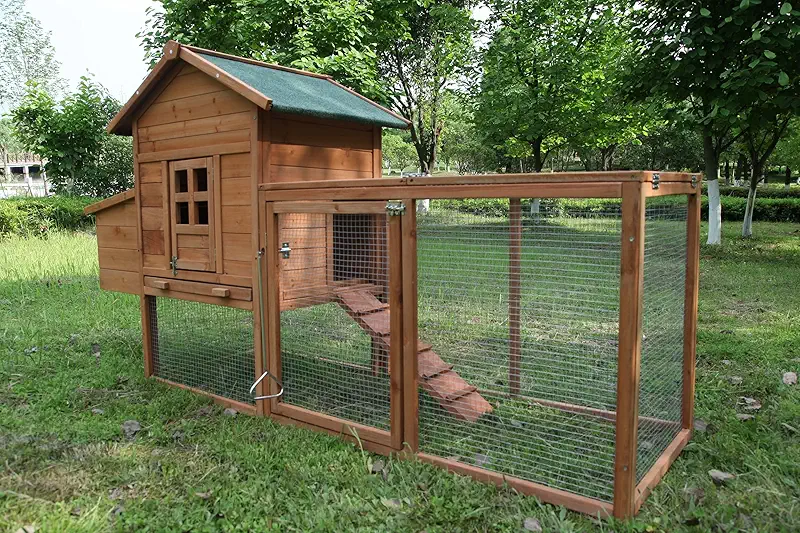
Chicken Coop For 12 Chickens
How Much Space Do 12 Chickens Really Need?
Let’s start with the thing most folks get wrong: space. Chickens don’t complain in words, but they sure complain with noise, fighting, and fewer eggs. If your chicken coop for 12 chickens is too tight, you’ll know it the first time you see a bald‑backed hen or broken eggs in the nest boxes.
Over the years, I’ve tried “by the book” space numbers and then adjusted them after watching real birds act like, well, birds. Here’s what actually works on a small U.S. farm like mine:
- Indoor coop space: I like 4 square feet per bird as a comfortable minimum. For 12 hens, that’s about 48 square feet. A 6×8 or 4×12 interior is a nice ballpark.
- Outdoor run space: Aim for 8–10 square feet per bird in the run. For 12 hens, I’m happiest around 100–120 square feet. Think 10×10 or 8×14.
- Vertical space: Chickens like to jump and roost. A coop that’s at least 5–6 feet tall inside makes life easier for them and for your back.
If I can walk into the coop, turn around without bumping a hen, and bend over to scoop poop without hitting my head, the birds and I are both happier.
Now, some pre‑built coops say “for 8–10 chickens” and folks try to stretch that to 12. Could you? Maybe. Should you? Not if you want calm hens and steady eggs. I like to treat those numbers as the “sardines in a can” rating and then go a size bigger for real life.
Choosing The Right Layout For A 12‑Hen Coop
A good chicken coop for 12 chickens is more than a little house with a roof. It’s a rhythm. Where they sleep, where they lay, and where they poop (which is everywhere, by the way) all need to make sense.
Roosts: Where They Sleep
Chickens want to sleep on a perch, up off the ground. For 12 hens, I plan about 8–10 inches of roost space per bird. That means roughly 8–10 feet of total roost length.
- Use 2×3 or 2×4 boards with the wide side up. Flat, not the narrow edge.
- Keep roosts about 18–24 inches off the floor for heavy breeds, up to 36 inches for lighter ones.
- If you have multiple bars, stagger heights so they don’t poop on each other.
I learned that last one the hard way. Nothing like discovering your favorite hen chose the “poop lane” under the top roost. She looked like she lost a paintball fight.
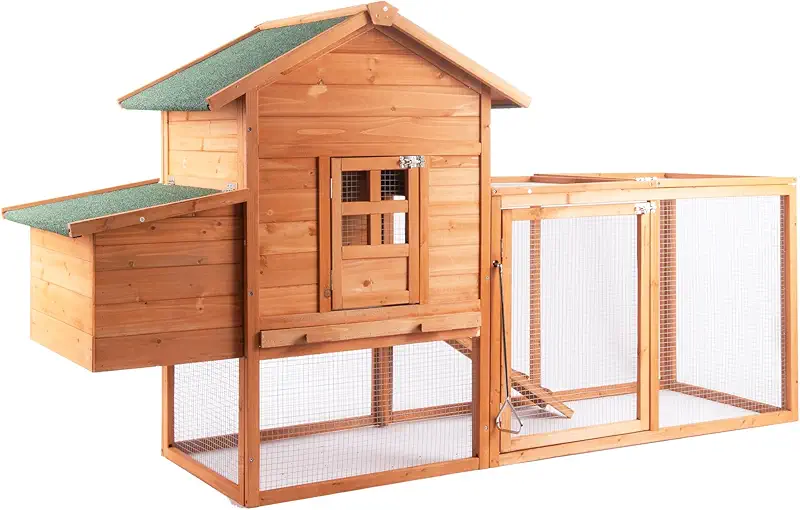
Side‑by‑side roosts and a simple ramp help 12 hens settle in without shoving matches.
Nest Boxes: Where The Magic Happens
Hens don’t need a private spa to lay, but they do want a quiet, dim, and safe corner. For 12 hens, the sweet spot is:
- 4–5 nest boxes (one box per 3 hens is plenty)
- Each box about 12×12 inches and 12 inches high
- Mounted a little lower than the roosts, so they don’t sleep in the nests
Most of my girls all choose the same two boxes anyway. I’ve watched six hens stand in line like it’s the only bathroom in a small house. That’s normal. Just keep the bedding fresh and the boxes dry.
I like pine shavings in nest boxes and a mix of shavings and straw on the coop floor. It smells better, absorbs moisture, and my hens seem to settle right in.

Sturdy framing, tight mesh, and a raised coop floor can keep your 12‑hen flock safe from most night visitors.
Keeping 12 Chickens Safe: Predator‑Proofing That Actually Works
Out here, everything loves chicken: foxes, raccoons, coyotes, hawks, neighborhood dogs, even the odd weasel. A chicken coop for 12 chickens holds a nice little buffet, so you have to think like a hungry predator when you pick or build a coop.
Wire And Hardware Cloth
If I could, I’d stamp this on every prefab coop box: “Chicken wire keeps chickens in, not predators out.” For the weak spots, I always use ½‑inch hardware cloth, not flimsy wire.
- Cover windows, vents, and low areas with hardware cloth, not just chicken wire.
- Secure it with washers and screws, not just staples. Raccoons have clever little hands.
- For the run, bury a hardware cloth skirt 12 inches down or bent outward on the ground about 12–18 inches to stop diggers.
Doors, Latches, And Night Lock‑Up
A good coop door is like a good barn door: simple, solid, and something you can close half‑asleep in your boots.
- Use two‑step latches (like a latch plus a carabiner). Raccoons are smart; don’t give them a puzzle they can solve.
- Make sure the door fits tight with no big gaps. If you can stick your fingers through, a weasel is probably smiling somewhere.
- Decide if you want a manual pop door or an automatic one. I’ve used both; automatic helps when chores pile up.
Years ago, I lost a rooster because I trusted a loose old latch. Woke up to squawking and a flashing set of eyes in the yard. Since then, every chicken coop for 12 chickens I set up gets serious latches and a fast evening headcount.
Ventilation, Weather, And Comfort For 12 Layers
I tell folks this all the time: fresh air matters more than fancy trim. A solid chicken coop for 12 chickens needs good ventilation so moisture and ammonia don’t build up. Damp air in winter is what gives birds frostbitten combs, not just cold temps.
Good Ventilation Without Drafts
Think of it as “high air out, low air calm.”
- Add vents or windows up near the roofline for warm, moist air to escape.
- Keep the roost area free from direct drafts at chicken height.
- Use hardware cloth over vents for safety, with shutters or flaps in colder areas if needed.
Beating Winter
Here in the U.S., winters can be harsh depending on where you are. Most healthy laying hens handle cold better than heat, as long as the coop is dry, draft‑free, and well‑ventilated.
- Skip heat lamps if you can; they cause more fires than they prevent frostbite.
- Deep bedding (4–6 inches) on the floor helps insulate.
- Make sure the coop roof and walls don’t leak. Moisture is the enemy.
Beating Summer
Heat stress will drop your egg count quickly. For 12 hens, a stuffy coop feels like a school bus in July.
- Add shade with trees, a tarp, or a solid roof over part of the run.
- Use bigger windows or vents with hardware cloth so air moves well.
- Place water in the shade, not out in full sun.

A raised coop with shaded run and plenty of air flow keeps a 12‑hen flock comfortable in summer heat.
Daily Life With A 12‑Hen Coop: Feed, Water, And Clean‑Up
Once your chicken coop for 12 chickens is set up, the real test is how it feels on a cold January morning when the coffee hasn’t kicked in yet. A smart layout saves you time every single day.
Feed And Water Setup
For a dozen hens, I like:
- One or two hanging feeders large enough to hold a couple days of layer feed.
- At least two water stations (inside in winter, outside in summer) to cut down on bullying.
- Feeders hung at about back‑height of the birds to reduce waste.
Water is where I see most folks struggle in freezing weather. Heated bases or heated waterers can save you a lot of trips with a bucket when it’s 10°F and windy.

Roomy doors and simple access make cleaning and refilling feeders easy, even with gloves on.
Cleaning Routines That Don’t Take All Day
My first coop was a pain to clean. Low ceiling, tiny door, and no way to shovel out bedding without twisting like a pretzel. I learned fast. Now, whenever I look at a chicken coop for 12 chickens, I ask one question: “How hard will this be to clean in February?”
- Look for a walk‑in door or big clean‑out openings.
- Consider a droppings board under the roosts that you can scrape daily or weekly.
- Plan to do a quick tidy every day or two, and a deep clean a few times a year.
Most mornings, I:
• Check water and fill if needed
• Top off feed
• Scoop the worst droppings under the roosts
• Peek into nest boxes and grab eggs
It’s quicker than finding hidden eggs under the bushes because the hens decided the coop was too dirty.

A well‑sized coop and run give your 12 hens room to scratch, dust bathe, and stay out of trouble.
Run Design, Free‑Ranging, And Boredom Busters
Chickens are busybodies. Give 12 hens nothing to do and they’ll start picking feathers, yelling for treats, or plotting an escape. A good chicken coop for 12 chickens goes hand‑in‑hand with a decent run or yard.
Run Size And Features
Like I said earlier, I aim for at least 100 square feet of run space for a dozen hens. More is always better if you have the room.
- Use sturdy posts and wire or panels. Keep gaps small.
- Add a solid roof section or tarp for shade and to keep part of the run dry.
- Give them perches, stumps, or low platforms to hop on and off.
Free‑Range Or Not?
I’ve done both full free‑range and “yard with a fence” setups. Free‑range makes for happy birds and rich yolks but also feeds the local hawks. For many folks with a chicken coop for 12 chickens, a secure run plus supervised yard time works well.
Just remember: what looks like a cute little red hen to you looks like lunch to a lot of critters.
When my flock gets restless, I hang a cabbage, toss a little scratch into a pile of leaves, or add a new perch. Simple things keep 12 hens busy and out of trouble.
Breeds, Egg Laying, And Personality In A 12‑Hen Flock
The coop is the house, but the hens are the real story. A chicken coop for 12 chickens feels very different depending on who’s living in it. Choose breeds that fit your climate and your patience level.
Favorite Laying Hens For A Dozen‑Bird Coop
Here are a few breeds that have treated me well over the years:
- Rhode Island Red: Tough, good layers, a little sassy. Great for mixed flocks.
- Barred Rock: Calm, friendly, strong winter layers. I’ve had some that followed me like dogs.
- Buff Orpington: Big, gentle, and fluffy. Good for colder areas but they do run warm in summer.
- Leghorn (and similar types): Lighter birds, excellent layers, but a bit more flighty.
With 12 hens, you can mix a few breeds and still keep track of who’s who. Just remember that bigger, heavier birds need ramp angles that aren’t too steep and roosts they can jump up to without acrobatics.
How Many Eggs From 12 Hens?
Folks love to do the math: “If each hen lays an egg a day, that’s 7 dozen a week!” In real life, it’s not that tidy.
Most good layers will average 4–6 eggs per week across the year. With 12 hens, that usually means:
- Spring and early summer: 8–12 eggs a day if they’re young and happy
- Heat of summer: sometimes a slight drop
- Fall molt and winter: fewer eggs unless you use supplemental light
Still, a properly set up chicken coop for 12 chickens will keep you and a few neighbors in eggs most of the year.

A calm, mixed‑breed flock of 12 can keep your egg basket full and your yard full of personality.
Buying A Ready‑Made Chicken Coop For 12 Chickens
Not everyone has the time, tools, or back strength to build from scratch. I’ve put together and used plenty of prebuilt coops, and some of them are better than folks give them credit for—if you know what to look for.
What I Look For In A Prefab Coop
- Honest capacity: If it says “up to 8 chickens,” I treat that as a 4–6‑hen rating. For 12 hens, I check the actual inside dimensions.
- Solid frame and floor: Thicker lumber, not flimsy sticks that warp in one season.
- Real hardware cloth in key spots: Especially windows, vents, and lower panels.
- Walk‑in height or good access: My knees are too old for crawling into coops.
When I see a nice, raised chicken coop for 12 chickens with a secure run and solid framing, I know I can tweak it to my liking with better latches and a little extra wire if needed.

Many ready‑made coops can work for 12 hens when you size up and add a few simple upgrades.
When I put together a store‑bought coop, I usually:
• Add extra screws where panels meet
• Reinforce doors and latches
• Swap weak wire for hardware cloth
• Seal gaps before the first storm rolls in
FAQ: Building And Using A Chicken Coop For 12 Chickens
I like at least 48 square feet of indoor space for 12 hens, about 4 square feet per bird. That might be a 6×8 or 4×12 coop. For the run, aim for 100–120 square feet if you can. More room means calmer birds, cleaner bedding, and fewer pecking problems.
For 12 hens, 4–5 nest boxes is plenty. They like to share. Each box should be about 12×12 inches, with soft bedding and a bit of privacy. If your hens start cramming into one favorite box, that’s normal. Just keep it clean and dry.
You can sometimes size up the rating, but not down. If a prefab says “4–6 chickens,” I would not try to house 12 in it. For a chicken coop for 12 chickens, look for something sold for a larger flock, check the actual measurements, and be ready to add stronger wire and better latches.
In most U.S. climates, you don’t have to insulate. What you need is a coop that is draft‑free, dry, and well‑ventilated. Deep bedding and a dozen hens give off plenty of warmth. Insulation helps in very cold areas, but it must stay dry and protected from pecking and rodents.
Twelve hens are usually quieter than one rooster. They cluck, chat, and make a fuss when laying or if a hawk flies over, but it’s not constant noise. A clean, roomy chicken coop for 12 chickens keeps stress down, which keeps noise down too. Good fences, clean coops, and the occasional carton of eggs for neighbors go a long way.
Ready to see what kind of coop feels right for your flock of twelve?
Show me all coops