
Chicken coop for 50 chickens
Building a calm, roomy home for a big laying flock
I’ve raised layers my whole life out here in the country, and a chicken coop for 50 chickens is where a backyard hobby starts to feel like a real little farm. Done right, it’s peaceful, clean enough, and full of steady eggs. Done wrong, it’s mud, squabbles, and missing feathers.
Let me walk you through how I think about housing a larger flock, what I’ve learned the hard way, and how a well-planned coop can keep your hens safe, healthy, and busy laying instead of fighting. We’ll keep the talk plain and practical, like leaning on a fence with a cup of coffee in hand.
Let me see options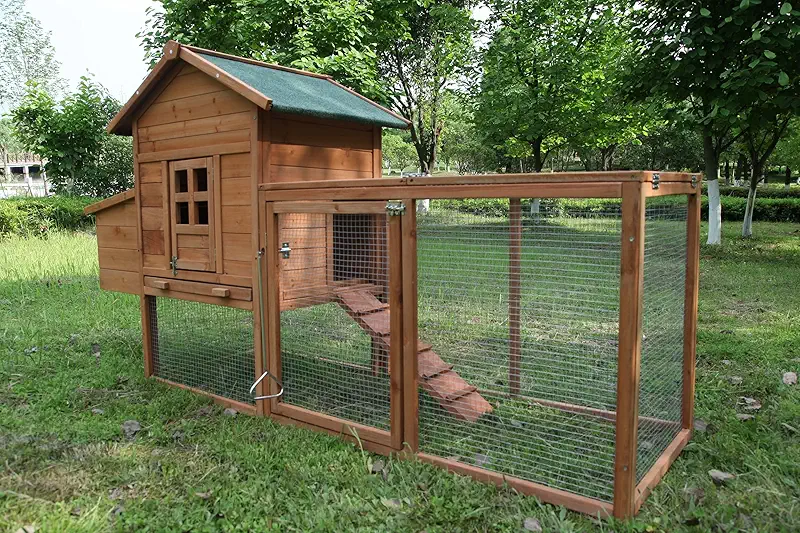
How much space does a chicken coop for 50 chickens really need?
Folks ask me this all the time, usually after they’ve already bought a coop that’s “for 50 chickens” on the box and then watched their hens bicker like kids in the back seat. Numbers on a label don’t always match the way real chickens live.
For layers, I like to think in simple chunks. Inside the coop, I aim for at least 4 square feet per bird. For 50 hens, that’s around 200 square feet of indoor floor space. You can squeeze them tighter, and sometimes I’ve had to during a rough winter, but everyone is calmer with some breathing room.
Outside in the run, if your birds don’t free-range much, I shoot for 8–10 square feet per hen. For 50, that means 400–500 square feet of run space, more if you’ve got the land. When the run is roomy, you get less feather picking, fewer dirty vents, and a lot fewer “hen dramas,” as my wife calls them.
Quick space checklist for 50 hens
- Indoor coop: about 200 ft² (4 ft² per bird).
- Outdoor run: 400–500 ft² or more.
- Pop door wide enough for a bunch of hens to pass without pileups.
- Enough headroom so you can stand up and clean without cussing.
- Easy access to every corner with a shovel or scraper.
Don’t forget about you in the space equation. You’ll be hauling feed, refilling waterers, gathering eggs, and scraping poop. If you can’t move easily inside a chicken coop for 50 chickens, you’ll start skipping chores. Chickens notice that faster than you think.
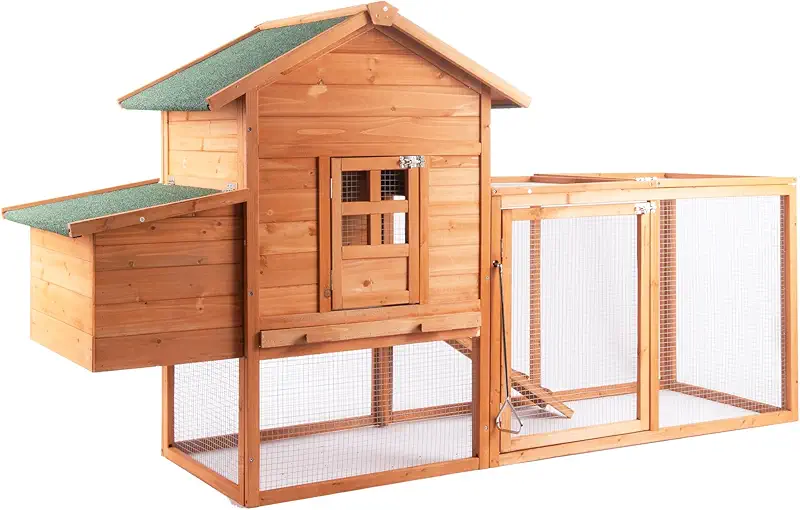
Nesting boxes, roosts, and layout that keeps the peace
Chickens are like people: give them a good bed and a quiet spot and they behave better. In a chicken coop for 50 chickens, a smart layout saves you a lot of headaches.
Nesting boxes for 50 layers
Many books say one nest for every 4–5 hens. With 50 layers, that’s 10–12 nesting boxes. That’s about what I use. Truth is, they will still argue over the same two favorite boxes, but at least there are backups when the bossy hens are busy.
- Size: a nest about 12" x 12" x 12" works fine for standard layers.
- Height: set nests lower than the roosts so hens sleep on the perches, not in the boxes.
- Privacy: a little lip or curtain can reduce egg pecking.
- Access: front access for hens, back access for you if possible.
Roosting bars for 50 hens
Roosts are prime real estate. For a chicken coop for 50 chickens, I budget 8–10 inches of perch per bird. That means around 35–40 feet of roosting space in total.
- Perch material: 2x4 laid flat works great; they can tuck their toes under in winter.
- Height: around 2–4 feet off the floor, with a little laddering if you use multiple levels.
- Spacing: keep at least 12–14 inches between bars to avoid poop rain from above.

In my big coop, I set the roosts like bleachers along the back wall. The older girls like the higher spots, the new pullets hang lower, and everyone seems to find their level in life.
Ventilation, bedding, and keeping the air sweet
A chicken coop for 50 chickens can smell like a barnyard or not much at all. The difference is usually fresh air and dry bedding. Chickens breathe out moisture and drop a lot of nitrogen. Trap that in a box and you’ll have ammonia and sickness in no time.
Ventilation for a larger flock
I tell folks: aim for high, draft-free ventilation. You want air moving out at the top, not blasting across your hens’ backs at night.
- Use vents or windows under the eaves on opposite sides for cross-breeze.
- Cover openings with 1/2" hardware cloth, not chicken wire, to stop predators.
- Adjustable vents are handy for nasty winter weather.
Bedding and manure management
With 50 hens, you’re not just raising chickens; you’re running a small manure factory. A good bedding plan turns that headache into garden gold.
- Deep litter: I often use 4–6 inches of dry shavings or chopped straw, adding a new thin layer every week.
- Droppings boards under the roosts catch most of the mess in one area.
- A quick scrape every morning with a wide scraper keeps odors down.
Once or twice a year, I clean the coop down to the floor and haul that composting bedding out to the garden. The tomatoes love those 50 hens almost as much as I do.

Predator-proofing a chicken coop for 50 chickens
When you keep a bigger flock, the local predators treat your coop like an all-you-can-eat buffet. I’ve lost birds to foxes, raccoons, hawks, and one very determined mink that still makes me mutter when I think about it.
The key is to plan your defenses when you set up your chicken coop for 50 chickens, not after you find feathers scattered in the morning.
What I do on my farm
- Buried apron: I run hardware cloth 12–18 inches out from the coop base, buried or pinned at ground level, to stop diggers.
- Solid latches: Raccoons can open simple hooks. I use two-step latches or carabiners.
- Sturdy run roof: Wire or solid roofing to keep out hawks and climbing coons.
- Automatic or solid pop door: Predators love a coop left open “just this once.”
When I upgraded to a stronger run around my main chicken coop for 50 chickens, the night raids stopped. Predators are lazy by nature. If your coop looks like more work than the neighbor’s, they’ll usually go shopping elsewhere.
You don’t need a fortress made of concrete and steel, but you do need to think like a hungry fox that doesn’t mind working the night shift.

Feed, water, and daily chores with 50 hens
A chicken coop for 50 chickens is a small community. To keep it running smooth, you need steady feed, plenty of clean water, and chores you can handle on your worst day, not just your best.
Feeders for a bigger flock
I don’t like seeing hens body-check each other just to grab a bite. For 50 birds, I either use two long trough feeders or several hanging feeders spaced apart so timid hens can eat in peace.
- Plan on at least two decent-sized feeders so everyone has elbow room.
- Hang or set them at about back height of the birds to keep them from scratching feed out.
- Check levels daily, top off as needed, and watch for mold or clumping feed.
Water for 50 hens
If there’s one thing you can’t skimp on in a chicken coop for 50 chickens, it’s water. A hen can miss a meal and still lay, but short her on water and egg production drops fast.
- Keep multiple waterers so if one gets dirty or knocked over, they’re not high and dry.
- In winter, I use heated bases or buckets to keep ice at bay.
- In summer, I move one waterer into the shade and refresh it often.

My morning routine is simple: quick headcount, scoop the droppings boards, top off feeders and waterers, and gather any early eggs. It takes a little time, but the sound of 50 hens mumbling and clucking while I work beats any office noise I’ve ever heard.
Choosing a ready-made chicken coop for 50 chickens
Not everyone wants to spend weekends with a tape measure and a box of screws. Store-bought coops and modular setups can work just fine for 50 hens, as long as you keep your eyes open and read the details like a suspicious old farmer.
What I look for when I browse
- Honest capacity: I mentally cut the advertised “chicken count” in half and see if it still makes sense.
- Real wood and framing: Thin, flimsy panels don’t last long against wind and weather.
- Good ventilation and solid roofing materials.
- Easy-to-clean design: removable trays, big doors, and room to stand.
- Room for add-ons: runs, extensions, or extra nest boxes down the road.
When I help friends set up their first larger coop, we often start by browsing different layouts and styles together. Some like a long, low “chicken barn,” others prefer modular coops with runs that clip on like building blocks. Either way, we keep that space-per-bird math in our back pocket.
If you’re curious what’s out there, you can look through a variety of designs and sizes and see what matches your land, your climate, and your flock personality.
I’ll browse some ideas
Remember, a chicken coop for 50 chickens doesn’t have to be fancy. It just has to be dry, safe, airy, and easy to live with—for you and for the hens.
My personal routine with a 50-hen laying flock
Since we’re talking farmer to future-farmer, let me share how my own days run with about 50 layers in the main coop. It’s not perfect, but it’s kept eggs on the table and hens looking bright-eyed for years.
Morning
I open the pop door, say “Good morning, girls” like a fool, and watch them pour out. While they’re busy arguing over the best scratching spots, I:
- Scrape the droppings boards into a bucket for the compost pile.
- Stir or top up the bedding if any spots look damp.
- Refill feeders and check waterers.
- Gather any eggs laid early and check nests for broken shells.
Evening
Before dark, I swing back by the chicken coop for 50 chickens and:
- Count heads on the roosts (you get good at knowing who’s missing).
- Close and latch the pop door and run gate.
- Gather the rest of the day’s eggs.

A good coop doesn’t remove all the work, but it makes the work calmer. When I step into a quiet, dry, well-ventilated chicken coop for 50 chickens and see everyone fluffed up and content, I figure I must be doing a few things right.
FAQ about a chicken coop for 50 chickens
If you’re ready to picture your own big, content flock scratching around a solid coop, it helps to see different shapes and layouts side by side. That’s how I like to think things through, staring at options until one just feels right.
Show me all coops