
Chicken coop for 6 chickens nearby
If you are hunting for a solid chicken coop for 6 chickens nearby, let me pour you a cup of coffee and walk you through it like we were leaning on a fence post together. I have raised laying hens for decades out here, and six hens is that sweet little flock size where things can go very right—or very wrong—depending on the coop you give them.
A good coop for six hens does three simple things: keeps them safe, keeps them dry, and makes their daily life—and yours—easy. The trick is knowing what details actually matter before you haul a coop into your yard and find out it is cramped, drafty, or a nightmare to clean. I have made most of the classic mistakes myself, so you do not have to.
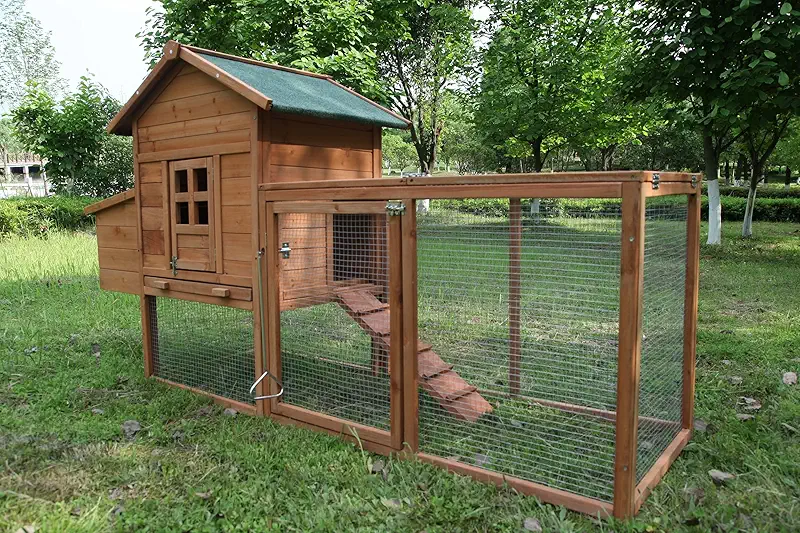
What “for 6 chickens” really means in the real world
When you read “chicken coop for 6 chickens nearby” in a product title, remember this: most coop makers count space like a real estate agent, not like a farmer. Six birds on paper often means four birds in real life, especially once you see them jostling for roost space on a rainy night.
Out here, I aim for comfort, not bare survival. A hen that has breathing room, dry bedding, and a quiet place to lay will pay you back in eggs and fewer headaches. A hen that is crowded and stressed will pay you back in pecked feathers and vet bills.
Simple sizing rules I use on my farm
Here is the quick and honest sizing guide I use for my own laying flock of six:
- Indoor floor space: at least 18–24 square feet total for 6 hens. More if your winters are long.
- Outdoor run space: bare minimum 60 square feet, closer to 80–100 if you can swing it.
- Roost space: around 8–10 inches of perch per hen, and I like a little extra so no one gets shoved off.
- Nesting boxes: 2 or 3 boxes for six hens is perfect; they will still all try to use the same one, just to be difficult.
If a coop listing claims to hold 6 hens but the footprint is under 12 square feet, just know that means “6 tiny birds standing shoulder to shoulder, not moving.” Your girls deserve better than that.
How I eyeball a coop fast
When I click through a new coop and the seller says “up to 6 chickens,” I stress-test that number:
- If it says 6, I ask: would I be happy with 4 or 5 in here?
- If the run looks narrow, I mentally cut the bird count in half.
- If the roof is low and flat, I picture our first heavy snow and ask, “Will this survive January?”
Rule I stand by: if you are on the edge about space, go bigger. I have never regretted a coop that felt a little too roomy. The hens love it, and somehow I always end up with “just two more” birds anyway.
Key coop features that matter for six laying hens
Most coops online look cute. But your hens do not care about cute; they care about staying dry and off the predator menu. When I go looking for a chicken coop for 6 chickens nearby, here are the real-world features I check before anything else.
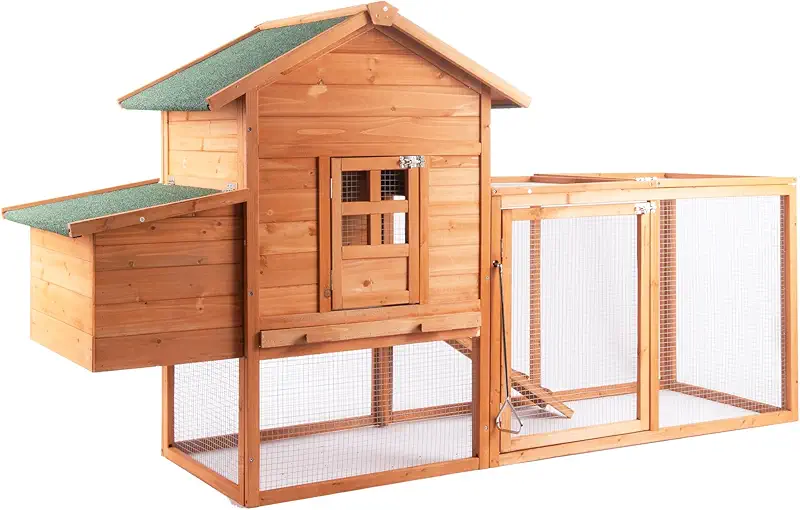
1. Strong frame and solid floor
I have watched more than one flimsy coop sag after the first wet spring. With six hens hopping, scratching, and landing on the roost bar, a weak frame will show its age fast. Look for:
- Sturdy framing: thick boards, not spindly little sticks that flex when you push them.
- Raised floor: a coop lifted off the ground 12–18 inches helps with rot, moisture, and rats.
- Tight joints: no big gaps at corners where wind and rain can sneak in.
My first cheap coop sat right on the ground. One spring storm and the floor soaked up water like a sponge. The hens were fine, but the coop smelled like a wet dog for weeks. I learned my lesson: ground contact is for rocks, not chicken houses.
2. Ventilation without drafts
Hens breathe out a lot of moisture, and so does their manure. If that moisture stays trapped in a coop, you get frostbit combs in winter and ammonia stink in summer. The answer is gentle airflow up high, not holes at chicken height.
- Vents or windows above roost level.
- Hardware cloth over every vent, not chicken wire.
- A solid wall behind the roost so cold wind does not hit birds straight on.
Out here, I like vents on opposing walls, under the eaves. My girls stay dry and the air never feels stuffy, even after a storm.

3. Predator-proofing that actually works
Where I live we have raccoons that could pick a pocket and foxes that work night shift. A coop for six hens is like a “now open” sign to every hungry critter. So I treat security like it is not optional—because it is not.
- Hardware cloth, not chicken wire: raccoons can tear chicken wire like wet paper.
- Dig protection: either a solid floor, buried wire skirt, or a fully raised coop with sturdy run.
- Good latches: I like latches you have to open with two motions; raccoons are smart.
The first time I woke up to a whole flock still alive after hearing coyotes close by, I patted that coop like it was an old truck that just pulled us through a bad storm. You only need one close call to become serious about hardware cloth.
Daily life with six hens: how the right coop makes chores easy
Six chickens will not take over your life, but they will add a steady rhythm to your day. A good coop makes that rhythm smooth: fast morning check, quick feed and water, easy nighttime lock-up. A bad coop makes everything a wrestling match.
How a smart layout saves your back
When I am looking for a chicken coop for 6 chickens nearby these days, I picture myself cleaning it after three months of wet weather. If I cannot see how to rake or scoop it out without crawling on my hands and knees, I move on to the next one.
- Big enough door for you, not just the hens.
- Removable trays or wide openings so you can scrape bedding out fast.
- Nesting box lids that open from outside the coop.
I have had coops where I had to duck-walk inside to grab eggs from the back box. My knees still remember those days, and they are not impressed.
My simple cleaning routine for a 6-hen coop
With the right coop, upkeep is not a big production. Here is how I keep things tidy:
- Quick rake of droppings under the roost every few days.
- Top up bedding once a week so the floor stays dry.
- Full clean-out every 4–6 weeks, more often in wet seasons.
- Check hardware, latches, and corners while I am in there.
Total time? Maybe 10–15 minutes a week. The hens pay rent in eggs, so it is a fair deal.

Comfort for your hens: nests, roosts, and space to scratch
Happy hens lay better, stay calmer, and give you fewer headaches. Comfort for a group of six starts with where they sleep, where they lay, and how much room they have to act like actual chickens.
Nesting boxes that keep eggs clean
I like nesting boxes that are slightly raised off the floor, darker than the rest of the coop, and easy to reach from outside. For six hens, two or three boxes are perfect. They will usually pick a favorite box anyway, usually the one a broody hen already sat in once.
- Each box around 12" x 12" is fine.
- Low lip at the front so bedding and eggs do not spill out.
- Easy to toss in fresh shavings or straw.
Roosts: the chicken bunk bed
Chickens like to sleep up high; it makes them feel safe. For six hens, I like one or two long roost bars all at the same height. Multi-level “stair step” roosts look fancy but lead to bossy hens pooping on the lower ones.
A 2x3 board with the wide side up makes a great roost. In winter, hens can sit on their feet and keep them warm. I set the roost higher than the nesting boxes, so they are not tempted to sleep in the boxes and foul them up.
Room to be chickens, not decorations
Six hens need space to scratch, dust-bathe, and do their little chicken arguments without turning mean. A good run helps:
- Dry ground with some shade.
- Areas of loose soil or sand for dust baths.
- Sturdy fencing so you can relax at night.
I toss old leaves, grass clippings, and small branches in the run. The hens act like kids at Christmas morning. Keeps them busy and their feet strong.

Weather, seasons, and your 6-hen coop
A “chicken coop for 6 chickens nearby” means something different in Arizona than it does in Minnesota. Before you settle on a coop, match it to your weather. Your hens will thank you with steady eggs when your neighbors’ birds are taking the season off.
Cold climates
Where winters bite hard, I am looking for a coop that is tight, but not sealed like a jar. You want:
- Solid walls with minimal gaps.
- Good roof that shrugs off snow.
- Vents up high so warm, moist air can escape.
I do not use heat lamps in my coops; too much fire risk. Instead, I focus on dry bedding, wind protection, and well-fed birds. A modest, dry coop beats a big, drafty one every time when the thermometer dives.
Hot climates
If your summers are brutal, your main enemy is trapped heat. A small coop stuffed with six hens and zero airflow is a recipe for heat stress.
- Large windows or vents with hardware cloth.
- Light-colored roof to reflect sun.
- Shade over the run—trees, tarp, or roof.
I freeze water in old jugs and set them in the run on the hottest days. My hens gather around like folks at the ice cream truck.

Buying a chicken coop for 6 chickens nearby: how I compare options
When you are scrolling through coops online, everything can blur together—same red paint, same little ramp, same promises. Here is how I quickly sort the “maybe” coops from the “not for my hens” coops.
My quick checklist before I click
- Real dimensions: I grab the listed length and width and do the math for floor space.
- Inside photos: I want to see roosts, nests, doors, not just the pretty outside angle.
- Run height: If I cannot stand or at least stoop in there, cleaning is a pain.
- Reviews from real chicken keepers: I look for folks mentioning actual flock size and seasons.
Once I have a couple of coops that seem honest about their size and build, I pick the one I can imagine still standing strong five years from now.
If you plan to expand later
The only sure thing with chickens is that “just six” rarely stays six. If you suspect you might add a couple more down the road, it is worth thinking ahead now:
- Choose a coop that can connect to an extra run.
- Leave yard space for a second small coop if needed.
- Pick designs that can be moved or adjusted.
I started with six hens, and, well, let us just say the flock did not stay that size. The coop that allowed me to bolt on extra run panels saved me from rebuilding from scratch.

Real-life rhythm with a 6-hen backyard flock
Let me paint you a picture of daily life with six laying hens and a good coop in your yard. Morning: you step outside with your coffee, open the pop door, and they spill out clucking, ready for the day. You top off feed and water in a couple of minutes. Maybe you toss them a handful of kitchen scraps—wilted lettuce, a heel of bread. They are thrilled.
Midday, you wander out and there are a couple of warm eggs waiting in the boxes. You gather them, maybe say thanks out loud like I do. Chickens do not understand English, but I swear they can tell when you are pleased with them.
Evening comes, and the girls have already put themselves to bed on the roosts. You just close the door, check the latch, and listen to the soft murmurs inside the coop. It is a small, steady comfort in a noisy world.
That easy rhythm depends on a coop that works with you, not against you. One that is sized right, not over-promised. One that keeps them safe at night and lets you go back inside on a cold morning without a wrestling match for every chore.

FAQ – common questions about a chicken coop for 6 chickens nearby
Not really. I would rather see three or four hens in a coop meant for six than six birds crammed into a shoebox. As long as the coop is well-built and not drafty, extra space is a blessing. The only time “too big” becomes a problem is if you cannot keep it bedded and dry, but for backyard flocks that is rare. Go a little bigger if you can—you will likely add birds later anyway.
They can, but it is not ideal. I have seen six hens line up to use the same favorite box while two other boxes sat empty. Chickens are funny that way. Still, I like to give six hens at least two, preferably three boxes. It helps on busy laying mornings, and if one hen goes broody or hogs a box, the others have backups.
I strongly recommend a run even if your birds free-range. Weather, vacations, predators, or grumpy neighbors can all limit free-ranging from time to time. A secure run lets you keep them safe and contained when needed. For six hens, I would not go smaller than about 60 square feet, and more is always welcome. Think of it as their safe yard attached to their house.
That depends on your bedding and your nose. With six hens, I do a quick tidy under the roost once or twice a week, top up bedding weekly, and a full clean-out every month or so. In wet seasons, I might clean more often. If you step inside and smell strong ammonia, it is time. A well-designed coop makes that whole job quick and simple.
I have done both. Building your own can be cheaper if you already have tools, time, and patience. But I will be honest—more than once, buying a ready-made coop and tweaking it a little saved my weekend and my back. If you find a solid chicken coop for 6 chickens nearby that matches the guidelines we talked about—good size, solid frame, decent run—it is fine to start there and improve it over time with better latches, extra vents, or added run space.
If you are ready to give your six hens a safe, comfortable place to call home, take a quiet minute and look over the different coop styles, sizes, and layouts available. Picture them in your yard, and picture yourself tending that little flock without a daily wrestling match.
Show me all coops