
Chicken coop for 6 chickens
Chicken Coop For 6 Chickens
I’ve raised laying hens for more years than I care to count, through hot summers, ice storms, raccoons, and plenty of rookie mistakes. Let me walk you through how to pick and set up a chicken coop for 6 chickens that keeps them safe, laying steady, and easy to care for.
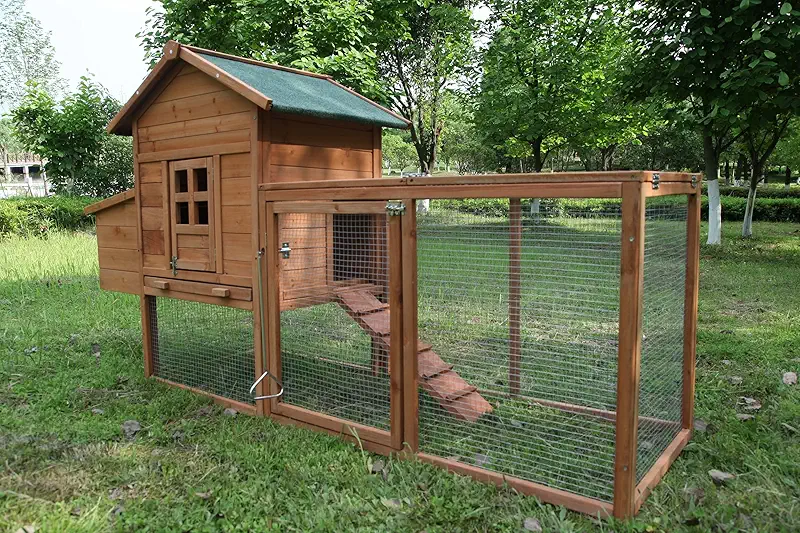
What a chicken coop for 6 chickens really needs
When folks ask me about a chicken coop for 6 chickens, they usually expect one magic number or a fancy brand name. Truth is, your girls don’t read catalogs. They care about space, safety, dry bedding, and a quiet spot to lay. Get those right and they’ll forgive a lot of the other stuff.
Over the years, I’ve tried everything from a crooked homemade coop I slapped together out of old pallets, to store‑bought coops that showed up in cardboard boxes with more screws than my old pickup. Some held up great, some turned into firewood faster than I’d like to admit. Here’s what I wish someone had sat me down and told me before I built my first setup for a small backyard flock.
A ready-made chicken coop for 6 chickens can give you a big head start, especially if you don’t own every tool in the hardware store. The key is knowing what to look for when you’re scrolling through options and pretty pictures.
If you’re like me and prefer to see several real-world options side by side, you can poke through a range of chicken coops sized for a half‑dozen hens right here. Check the photos, dimensions, and reviews with the tips I’m sharing in mind.
How much space does a coop for 6 hens really need?
Let’s start with space, because cramped birds are cranky birds. I once squeezed too many pullets into a small coop because the price was “too good to pass up.” Well, they passed up laying eggs for a while and spent their time picking feathers off each other instead. Lesson learned.
For a chicken coop for 6 chickens, I aim for:
- Indoor coop space: at least 4 square feet per bird if they’re mostly inside, 2–3 if they have good run time.
- Outdoor run: 8–10 square feet per bird as a comfortable minimum.
- Roost space: about 8–10 inches of perch per hen.
- Nest boxes: 3 boxes for 6 hens is about perfect.
You’ll see some catalog descriptions that sound like they’ve never met a full‑grown hen. “Perfect for 6–8 chickens” they say, and the footprint is smaller than my favorite recliner. When in doubt, consider it a 4‑hen coop, not 8. A little extra room pays you back in calmer birds and steadier egg baskets.
Always look at the actual dimensions in feet, not just the “fits X chickens” claim. Grab a tape measure and pace it out in your yard so you can really picture it.
When snow or heavy rain keeps them inside, that’s when tight quarters cause trouble. Plan for the worst‑weather day, not the best sunny afternoon.
I’ve never once wished I had less coop space. A touch larger means easier cleaning, better airflow, and room if you add a couple more hens later on.
Roof, walls, and floor: keeping your hens dry and comfy
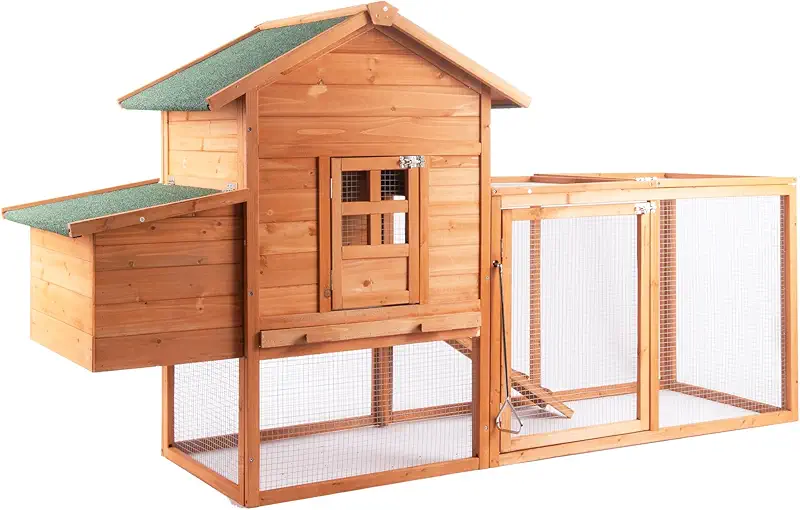
Hens handle cold better than damp. A soggy coop gives you sick birds and dirty eggs. When you’re looking over any chicken coop for 6 chickens, pay close attention to how it keeps the weather out.
On my farm, the coops that held up best all had the same things in common: a solid roof with decent overhang, snug joints that didn’t whistle in the wind, and a floor that stayed dry even after a week of rain.


Ventilation without cold drafts
One winter I thought I was being kind by plugging every crack with foam and boards. Felt snug as a glove. Problem was, the moisture from their breath and droppings had nowhere to go. Frost built up on the walls and even on their combs. I had to open everything back up again.
Your coop needs vents up high, ideally near the roof, so warm, damp air can escape while fresh air sneaks in lower. On a chicken coop for 6 chickens, I like:
- A few small vents under the eaves on both sides.
- Windows you can crack open, covered in sturdy wire mesh.
- No gaps right at roost level where wind can blow straight on the birds.
Flooring that makes cleaning less of a chore
I’ve shoveled out coops with dirt floors, wood floors, and wire floors. Dirt is cheap but hard to clean well. Wire floors can be cold and rough on feet if they’re not done right. These days, I’m partial to solid floors with good bedding on top.
- Wood floor raised off the ground – stays drier and easier to scrape.
- Deep bedding of pine shavings or chopped straw – soft, absorbent, and easy to refresh.
- Removable trays under roosts – a real back‑saver; you just pull and dump.
A clean, dry floor also means your eggs come out a whole lot cleaner. Less scrubbing eggs, more sipping coffee while you admire them. That’s a fair trade in my book.
Run space and fencing for 6 hens
Your hens may sleep in the coop, but they live in the run. A chicken coop for 6 chickens really shines when the outdoor area lets them scratch, dust bathe, and stretch their wings a bit. A bored hen is a troublemaker; a busy hen is an egg‑laying machine.
I still remember watching my first flock step into a proper-sized run. They fluffed their feathers, kicked up dust, and gave me that “about time, buddy” look only chickens can give.


Predator-proofing the run
Predators are clever, patient, and always hungry. Around my place we’ve got foxes that trot by like they own the lane, raccoons with hands smarter than some neighbors I’ve had, and hawks circling on lazy afternoons. So every chicken coop for 6 chickens needs a run that is more fortress than fence.
- Wire size: I like 1/2" hardware cloth for lower walls, not just chicken wire.
- Buried skirt: Bury or bend wire out around the base to stop digging.
- Roof or netting: A covered run keeps hawks and owls from dropping in.
- Solid latches: Raccoons can open simple hooks; use locking or spring latches.
I once lost three hens in one night to a raccoon that figured out a lazy hook latch. After that, I started latching coops like they were holding gold instead of chickens.
Inside layout: roosts, nest boxes, and feeders
The inside of a chicken coop for 6 chickens doesn’t need to be fancy, but a smart layout makes life easier for both you and the birds. Think of it like planning a tiny farmhouse: sleeping area, pantry, and “bedrooms” for laying.
Roosts: where your ladies sleep
Chickens like to sleep up off the floor on roosts. Make sure:
- Perches are higher than the nest boxes, so they don’t sleep where they lay.
- Edges are a bit rounded; a 2x4 laid flat works great in cold climates.
- You give them at least 8–10 inches of perch each.
In one of my early coops I put the roosts too close to the wall. The poor hens ended up decorating the siding with droppings. A few inches out from the wall and a drop board under the roost fixed that in a hurry.
Nest boxes: private little egg rooms
Hens like a quiet, somewhat dark spot to lay, away from the hustle of the door and feeders. For a chicken coop for 6 chickens, aim for:
- 3 nest boxes, around 12x12 inches each.
- A low lip at the front so bedding and eggs don’t roll out.
- Easy access from outside if possible, so you can gather eggs without stepping in droppings.

Don’t be surprised if all 6 hens decide that one box is the favorite. I’ve watched five hens stand in line for one nest while the others sit empty, like stubborn shoppers waiting for a particular checkout lane.
Feeders, waterers, and your own back
Put your feeder and waterer where:
- You can reach them without ducking and crawling every morning.
- They won’t get filled with rain or snow blowing in the door.
- The birds can’t scratch bedding straight into them with every step.
I like feeders either hung slightly off the ground or raised on blocks. Keeps most of the bedding out and saves me from refilling quite so often. Your back will thank you later if your coop doors and access points are tall enough for you to stand or at least crouch comfortably.
Daily life with a chicken coop for 6 chickens
A good coop doesn’t just look pretty in a picture; it fits your daily rhythm. Six hens are a nice sweet spot: enough eggs to share with neighbors, but not so many that your chores eat up the whole evening.
Here’s how a normal day looks around my place with a flock this size:
- Morning: Open the pop door, quick check on feed and water, pick up any early eggs.
- Midday: Glance at the run, make sure everyone is walking and scratching fine.
- Evening: Close up the coop, say goodnight, collect the rest of the eggs.
Once a week I change out the worst bedding under the roost. Every month or two I do a deeper clean. The easier the coop is to open, reach into, and sweep out, the less likely you are to put off the job.
When you look over different chicken coop designs for 6 hens, picture yourself doing these chores in rain, snow, and on those “I’m tired and just got home late” days. If the doors, latches, and layout look simple, that’s a good sign.
Wood, metal, or plastic: what’s best for your coop?
You’ll see chicken coops for 6 chickens built from all sorts of materials. Each has its strength, and I’ve tried most of them over the years.
Wooden coops
Wood feels traditional and warm, and it’s easy to repair or modify with basic tools. Downsides? It can rot if you don’t protect it from standing water, and mites like to hide in cracks if you never clean or dust.
Metal coops
Metal frames and panels can last a long time and stand up to wind. On hot summer days in the South, though, a full metal coop can turn into a little oven unless it’s shaded and well vented. I once had to string up a tarp fast when I realized just how warm the roof was getting at noon.
Plastic and composite coops
Some modern designs use heavy plastic or resin panels. They don’t rot, they’re simple to hose out, and mites have fewer cracks to hide in. They can be lighter, which is nice if you move them around the yard, but you want to be sure they’re anchored well in windy areas.
When you’re weighing these options, think about your climate, how handy you are with tools, and whether the coop will sit in one place for years or move with your birds.
Frequently asked questions about a chicken coop for 6 chickens
If you’re ready to give your flock a safe, cozy home, take a slow look through the different styles and sizes of coops sized for 6 hens. Picture your own yard, your weather, and those fresh eggs waiting in the nest boxes.
Show me all coops