
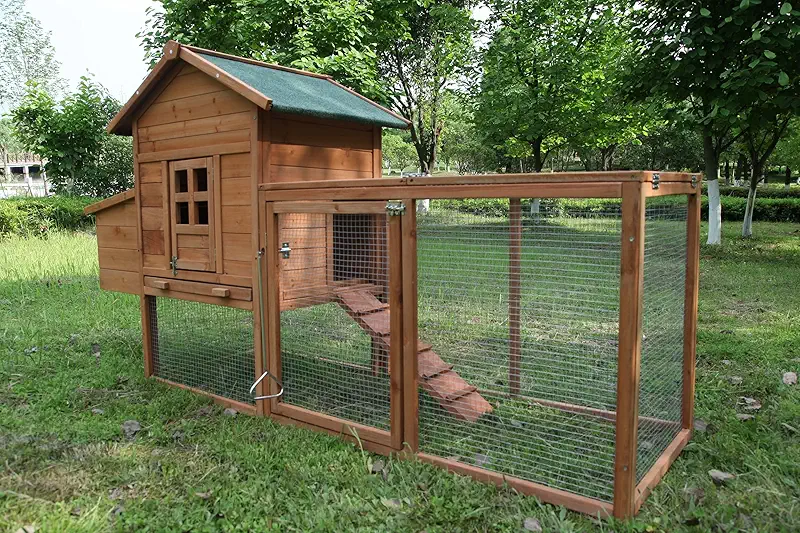
When folks ask me about a chicken coop for 6 hens, I always smile. Six hens is a sweet spot. Big enough for a real egg basket, small enough that you still know each bird by her attitude, not just by her leg band. I’ve run big flocks and tiny backyard groups, and I’ll tell you this: if you set your coop up right from day one, life with six hens is easy, peaceful, and even a little funny.
A good coop is more than a box with a door. It’s shelter, safety, and a place where your hens can gossip, lay, and sleep without trouble. The wrong coop will have you crawling in the mud, chasing escapes, and grumbling while you clean. The right one? You’ll fetch eggs with your coffee in hand and a grin on your face.
How much space does a chicken coop for 6 hens really need?
Let’s start with the numbers, then I’ll translate them into real life.
You’ll hear a lot of rules, and some of them are pretty close. For a chicken coop for 6 hens, I like to see:
- Indoor coop space: at least 4 square feet per hen
- Outdoor run space: at least 10 square feet per hen (more is always better)
- Roost space: around 8–10 inches of perch per hen
- Nesting boxes: 3 boxes is perfect for 6 hens
So for six girls, you’re looking at a minimum of 24 square feet inside the coop (something like 4 ft by 6 ft) and about 60 square feet outside for their run. Can they live in less? Sure. Will they be as healthy and peaceful? Usually not. Crowded hens get cranky, noisy, and sometimes bloody.
| Part of the setup | Minimum for 6 hens | What I like to see |
|---|---|---|
| Indoor floor space | 24 sq ft | 28–32 sq ft |
| Outdoor run area | 60 sq ft | 80+ sq ft |
| Roost bar length | 4–5 ft total | 5–6 ft total |
| Nesting boxes | 2 boxes | 3 boxes |
| Door opening | 8" x 10" | 10" x 12" |
Farmer tip:
If you’re torn between two sizes of chicken coop for 6 hens, go with the larger one. I’ve never heard anyone complain their coop was “too roomy,” but I’ve heard plenty of grumbles about tight quarters once folks add “just two more hens.”
Setting up a happy home for six hens
Let’s walk through how I’d set up a chicken coop for 6 hens if I was starting from scratch behind a regular American home. I’ll talk like you’re standing here with me in the yard.
Roosts: where your girls sleep
Chickens sleep up off the ground because, deep down, they still think there’s a fox under every bush and a possum in every shadow. In a chicken coop for 6 hens, I like one main roost bar about chest‑high to you, with maybe a lower “step” bar to help them hop up if needed.
I use 2x2 or 2x3 lumber with the corners rounded off. Skinny little dowels hurt their feet. Space the roost so droppings land away from feeders and waterers. Chickens are sweet, but their aim is terrible.
Nesting boxes: egg‑laying privacy
For six hens, three nest boxes are just right. No need for six; they’ll still argue over the same favorite box anyway. That’s just how it goes. Aim for boxes about 12" x 12" x 12", a bit dark, and lower than the roosts so no one sleeps in there. Sleepers in the boxes mean poop in the nests, and nobody wants that on their breakfast.
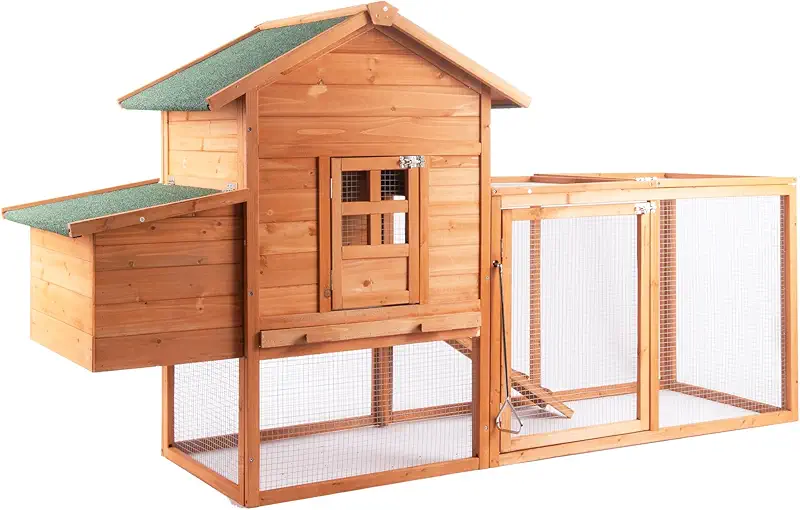
I like to add a little lip on the front of each box to keep bedding and eggs from rolling out. Straw, wood shavings, or chopped hay all work. My girls seem to like straw best, but I think they just enjoy kicking it out the door.
Ventilation: fresh air without drafts
One of the biggest mistakes I see in a chicken coop for 6 hens is not enough ventilation. Folks seal everything tight, thinking they’re keeping the birds warm. Problem is, moisture builds up, and that’s what really causes frostbite and sickness.
You want vents up high, above roost level, on opposite sides if you can. Wire them over with hardware cloth, not flimsy chicken wire. That way air can move, but critters can’t squeeze in. Think “fresh, not breezy” right where the hens roost.
Watch out:
A coop that smells strong to you smells ten times worse to a chicken. If you open the door and your eyes water, you don’t need a new candle; you need better ventilation and probably to clean the litter.
My real‑life checklist when choosing a chicken coop for 6 hens
Over the years, I’ve built coops from scratch, converted old sheds, and used store‑bought coops. When I look at any chicken coop for 6 hens, here’s what I always check off in my mind:
- Can I stand or kneel comfortably inside or reach everywhere from outside doors?
- Is cleaning going to be a 5‑minute job or a weekend project?
- Are the doors big enough for a shovel and a bucket?
- Is there a dry, covered space for feed, or will I carry bags in the rain?
- Is the wood solid and treated properly, or will it rot in two winters?
- Are there spots where water will pool or leak inside?
- Does it have hardware cloth (1/2") where it matters for predators?
- Is there shade for summer and some wind break for winter?

I also think about where I’m going to walk every single day. You’ll carry water, feed, and egg baskets back and forth. Put that chicken coop for 6 hens somewhere your boots can reach without a wrestling match with the mud.
Predator‑proofing a chicken coop for 6 hens
Where I live, we’ve got raccoons smarter than some people I’ve worked with, and foxes that treat a chicken coop like a drive‑through window. Six hens make a nice little buffet if you don’t build with predators in mind.
The basics of keeping your girls safe
- Use hardware cloth, not chicken wire, for anything that keeps predators out.
- Bury a skirt of wire or boards around the run to stop digging.
- Make sure every latch is raccoon‑proof (two‑step latches are best).
- Close the pop door every night, even if you’re tired.
- Check for gaps bigger than a finger; weasels love those.

I remember one summer when I got lazy about latching a side door. Came out one morning and found feathers where my favorite red hen used to sleep. That’ll sober you up fast. Since then, I treat every latch like it’s holding back a hungry thief, because that’s exactly what it’s doing.
Run and outdoor space for six hens
The coop is their bedroom; the run is their living room. With a chicken coop for 6 hens, a good run makes all the difference in how calm and content your flock stays.
Bare minimum, you want about 60 square feet, but 80 or more is where you’ll see them really stretch, dust bathe, and scratch around without bickering. Throw in some logs, a pallet, or a small bench as “chicken furniture” so they have places to hop and hide.

If you can, give them some real ground, not just boards or concrete. Chickens are little gardeners with feathers. They turn soil, find bugs, and handle kitchen scraps like pros. Just remember they don’t know the difference between a weed and your wife’s favorite flower bed.
Seasonal care: keeping six hens comfy year‑round
A chicken coop for 6 hens has to roll with the seasons. I’ve seen bitter winters, muddy springs, hot summers, and leaf‑blown falls. The coop has to work in all of it.
Winter with six hens
People worry more about cold than chickens do. A dry, draft‑free coop with good ventilation is more important than extra heat. Six hens together make a nice little heater of their own.
- Keep bedding dry and deep, especially under the roosts.
- Watch combs on larger‑combed breeds for frostbite; ventilation helps here.
- Use a no‑spill waterer so it doesn’t soak the bedding.
- Don’t seal off vents; you’re fighting moisture, not just cold.
Summer with six hens
Heat will knock a hen down faster than cold. Aim your chicken coop for 6 hens so it catches morning sun, not baking afternoon heat, if you can choose your spot.
- Provide shade over at least part of the run.
- Give extra waterers in different spots.
- Add more ventilation or open windows with hardware cloth over them.
- Offer cool treats like watermelon or frozen peas now and then.

Cleaning and daily chores with a chicken coop for 6 hens
Six hens make a very manageable amount of work if your coop is set up right. If the design is wrong, it’ll feel like you’re cleaning up after fifty.
Here’s what a normal day looks like at my place with a flock this size:
- Morning: open pop door, check feed and water, quick glance at each hen.
- Midday or evening: gather eggs, check for any odd behavior.
- Once a week: rake or stir bedding, wipe perches if needed.
- Every month or so: deeper clean, fresh nesting material, check for mites.
Simple rhythm:
A chicken coop for 6 hens shouldn’t take more than 10–15 minutes a day to manage once you’re in the groove. If it does, the coop layout is probably fighting you.

Common mistakes with a chicken coop for 6 hens
I’ve made most of these myself, so I’ll save you some trouble:
- Picking a “cute” coop that’s too small to walk into or clean easily.
- Trusting thin chicken wire to stop predators.
- Putting the coop in a low, soggy spot in the yard.
- Too few vents up high and too many drafts at roost level.
- Not planning where feed, tools, and bedding will be stored.
- Forgetting that you might add a couple more hens later.
The good news is a lot of these can be fixed with a little wood, wire, and an afternoon of work. But if you’re still in the choosing stage, you can avoid them altogether.

Living with six hens: what you can expect
With a solid chicken coop for 6 hens, here’s what your days start to look like. You walk out in the morning to a gentle clucking chorus. Someone scolds you for being late. You check feed and water, maybe toss a handful of scratch, and watch them chase it like they haven’t eaten in weeks.
By late morning or afternoon, you’ll usually find four to six eggs waiting for you, depending on breed and season. Some days you’ll get fewer, some days more. That’s just chickens keeping you humble.
At night, they file into the coop on their own when the light drops. All you need to do is close that pop door and make sure everyone’s accounted for. If you’re missing one, check the nesting boxes. I’ve had more than one hen fall asleep right on top of her prize.