
Chicken coop for 8 10 hens
Chicken Coop For 8 10 Hens
I’ve raised laying hens for more years than I care to count, from small backyard flocks to barns full of noisy ladies. If you’re planning a chicken coop for 8–10 hens, you’re in a sweet spot: big enough for plenty of eggs, small enough to keep things personal and easy to manage.
In this guide I’ll talk to you like I would to a neighbor over the fence. We’ll walk through space, layout, roosts, nesting boxes, and little details that make the difference between a coop that “sort of works” and a coop your hens really thrive in.
And don’t worry, I’ve made most of the mistakes already, so you don’t have to repeat them.
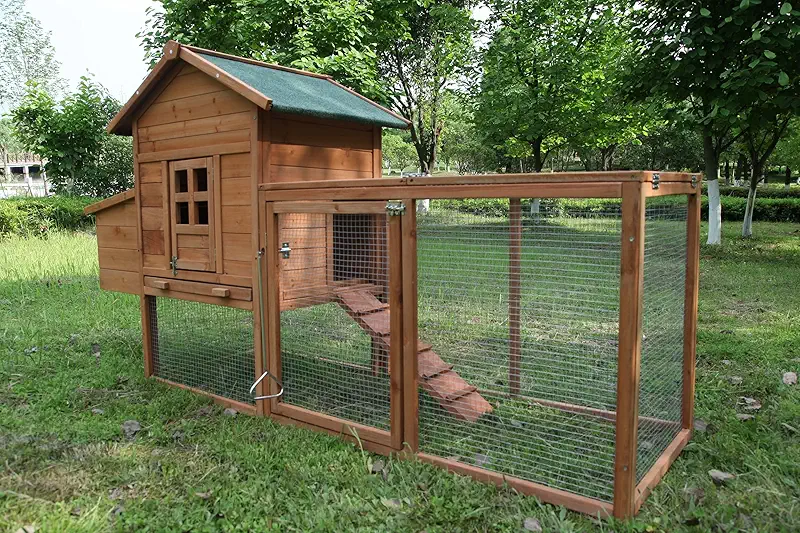
How Big Should a Chicken Coop for 8 10 Hens Be?
Let’s start with size, because cramped birds are grumpy birds, and grumpy birds don’t lay well. A good rule I’ve learned over the years is:
- At least 4 square feet of indoor coop space per hen
- At least 8–10 square feet of outdoor run space per hen
For 8–10 hens, that means you should aim for around 32–40 square feet inside the coop. Something like 4x8 ft, 5x8 ft, or 6x6 ft works well. Bigger never hurts, especially if your winters are long and the flock spends more time indoors.
| Flock size | Indoor coop (min) | Outdoor run (min) |
|---|---|---|
| 8 hens | 32 sq ft | 64–80 sq ft |
| 10 hens | 40 sq ft | 80–100 sq ft |
If your birds are confined more often, bump those numbers up. Space is cheaper than vet bills and feather-picking drama.
I remember one winter when I tried to “get by” with a smaller coop. The hens started pecking each other, and one poor girl looked like she’d backed into a lawnmower. After I expanded the coop with a simple lean-to addition, things calmed right down. Lesson learned: give them elbow room, even if they don’t have elbows.
Layout Ideas for a Comfortable Coop
The best chicken coop for 8 10 hens isn’t just about square feet. It’s about how those feet are laid out. Hens like routine. They like to know where they sleep, where they lay, and where the snack bar is.
Here’s a layout that has worked well for me:
- Roosts along the back wall, slightly higher than the nesting boxes
- Nesting boxes along one side, in the darkest, quietest part of the coop
- Feeders and waterers in the brightest, most open area
- Pop door to the run on the side opposite the nesting boxes
This way, hens don’t track droppings across the nests every time they head outside, and egg collecting stays a lot less messy.
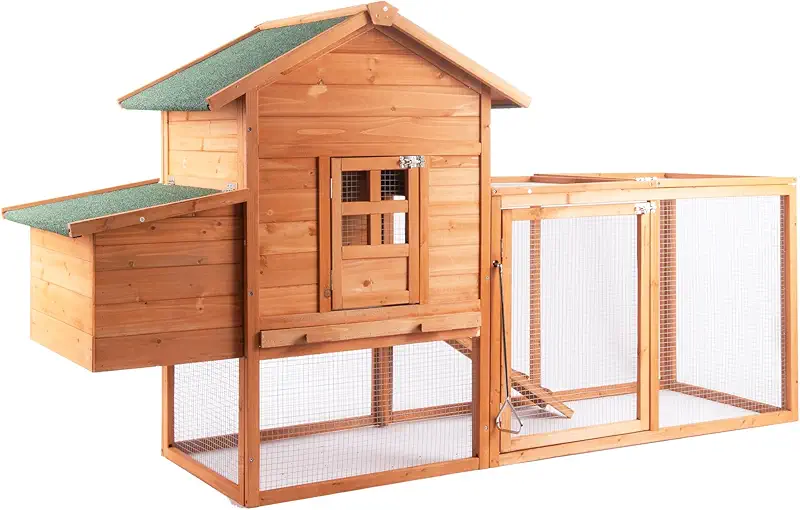

I like coops where the doors open wide and I can reach every corner without needing to crawl in on my hands and knees. My knees are too old for that nonsense.
Good Ventilation Without Drafts
Another big piece of layout is airflow. Hens breathe out a lot of moisture, and so does their manure. If that moisture hangs around, you get frostbite in winter and a swampy smell in summer.
- Put vents up high, above the roosts
- Protect vents with hardware cloth to keep predators out
- Aim for air exchange without wind blasting across the birds
In my own coop, I keep two sliding vents near the roofline and a small window on the east side. On cold nights, the vents stay cracked just enough to keep air moving, and the girls stay healthy.
Roosts and Nesting Boxes for 8 10 Hens
Think of roosts as the hens’ bunk beds and nesting boxes as their private bedrooms. When you get these right, everything else is easier.
Roost Space
Most standard-size hens like about 8–10 inches of roost space each. For 8–10 hens, that means:
- About 6–8 feet of total roost length
- Roost bars about 2–4 inches wide (edges slightly rounded)
- Roosts higher than nesting boxes so they don’t sleep in the boxes
I use 2x4 boards set wide side up. In winter, the hens can sit on their toes and keep them warm. When I tried skinny dowels early on, I ended up with frostbitten toes. Never again.
Nesting Boxes
You don’t need a box for every hen. They actually like taking turns and arguing over the “favorite” box, even if the others are empty.
- 1 nesting box for every 3–4 hens
- For 8–10 hens, 3–4 boxes is plenty
- Each box around 12x12x12 inches
- Place them in a darker, quieter corner


I line my boxes with a layer of pine shavings and a bit of straw on top. The hens like to sit down and wiggle their butts to make a little nest. It’s like watching someone fluff their pillows before bed.
Add a little lip (about 3–4 inches high) at the front of each box. It keeps the bedding and eggs from rolling right out when a busy hen hops in or out. I learned that the hard way after collecting scrambled eggs from the coop floor more than once.
Keeping a Flock of 8 10 Hens Safe and Healthy
Once you’ve got a solid coop for your 8–10 hens, the next job is keeping predators and problems out. Out here, I’ve got raccoons, hawks, foxes, and the occasional wandering dog that thinks my flock is a buffet.
Predator Protection Basics
- Use hardware cloth, not chicken wire, for windows and vents
- Make sure doors latch securely—raccoons are smart little bandits
- Bury wire 8–12 inches around the run to stop diggers
- Close the pop door at night, even if the run is fenced
I once watched a raccoon open a simple slide bolt like it was nothing. After that, I switched to latches that need a little more effort to open. I like to say my coop is “raccoon-annoying” at minimum.
Cleanliness for Better Egg Production
A clean coop doesn’t have to be perfect, but if you can smell it strongly from a few yards away, your hens are breathing it all night. When you’ve got 8–10 hens, the mess builds up faster than you think.
- Scrape droppings from under the roosts every few days
- Add clean bedding weekly; full clean-out every month or two
- Keep feeders and waterers off the ground to reduce spills
- Check vents often to keep moisture under control


When the coop is tidy, eggs stay cleaner, hens stay healthier, and your mornings stay a lot less stressful.
Run Space and Outdoor Time for 8 10 Hens
A chicken coop for 8 10 hens really comes alive when the birds have a good outdoor run. Even if you can’t free-range them all day, giving them space to scratch and dust-bathe keeps them peaceful.
Run Size and Features
- At least 80–100 square feet total for 8–10 hens
- Dry areas where mud won’t build up around the door
- Places to hide and feel safe from hawks (bushes, pallets, low roofs)
- A dust-bath area with dry soil, sand, or wood ash
My hens will skip the fanciest feeder in the world if they find a good dust bath. If you see them lying on their sides, flapping and throwing dirt around like kids at the beach, that’s a good sign.
Weather Considerations
Weather plays a big part in how your coop should be set up:
- Hot climates: more shade, more ventilation, lighter roofing
- Cold climates: solid walls, windbreaks, but still decent airflow
- Wet climates: raised floors, good roof overhangs, good drainage
I always say: if you’d be miserable standing in that spot for an hour, your hens will be too. Stand in your run on a hot afternoon or a cold windy day and see how it feels.
Choosing a Ready-Made Chicken Coop for 8 10 Hens
Not everyone wants to build a coop from scratch, and that’s perfectly fine. These days you can find a chicken coop for 8 10 hens that shows up in a couple of boxes and goes together in an afternoon. I’ve put together more than one of those with a cordless drill in one hand and a cup of coffee in the other.
When you look at ready-made coops, here are the things I pay attention to:
- Realistic capacity (cut the advertised number in half for comfort)
- Sturdy frame and hardware, not thin wobbly wood
- Solid roof that won’t leak after one good storm
- Easy access doors for cleaning and egg collecting
- Good ventilation already built in
Many coops on the market say they hold 12–14 chickens, but that’s wishful thinking. If it says 12, I think “8–10 might be happy in there,” and that’s closer to the truth.

Take a quiet look at different coop styles and think about what would make your mornings with the hens easier.
FAQ About a Chicken Coop for 8 10 Hens
For 8–10 hens, 3–4 nesting boxes are plenty. Hens take turns and tend to share their favorite spots. Too many boxes just means more places to clean. I keep three boxes for a flock of ten and rarely see more than two used at once.
You can, but you may not like the results. Most “12 chicken” coops are tighter than they should be. For 8–10 hens, I look for a coop sold as suitable for more birds, then use it for fewer. That way the flock has room to move, and I see fewer health and behavior problems.
You don’t have to have electricity, but it sure makes life easier in winter. A light helps you see what you’re doing, and a heated waterer keeps the girls from drinking ice cubes. I ran one outdoor-rated extension line to my coop and never looked back. Just keep cords protected from pecking and chewing.
For most standard hens, 18–36 inches off the floor works well. If your birds are heavy breeds or older ladies with stiff joints, stay closer to the low end and use a little “step” so they don’t have to fly straight up. What matters most is that the roosts are higher than the nesting boxes so they sleep on the bars, not in the egg boxes.
With 8–10 hens, I like to do a quick tidy every few days—scrape under the roosts, top up bedding, and dump any wet spots. Then once a month or so, I do a deeper clean: take out old litter, check for mites, and freshen everything. It doesn’t need to sparkle, but it should smell more like dry straw than a swamp.
Bringing It All Together for Your Flock
A good chicken coop for 8 10 hens doesn’t need to be fancy. It just needs to be safe, dry, roomy enough, and easy for you to work with. If you cover those bases, the hens will do the rest. They’ll scratch, cluck, gossip, and leave brown, white, and sometimes green presents all over—but they’ll also give you a basket of eggs that money can’t quite buy.
Over the years, I’ve found that the happiest flocks come from setups where the humans are comfortable too. Doors that open wide. Nesting boxes you can reach without crawling. Feed and water that don’t spill every time you bump them with a boot. Design the coop so the future you—tired, in the rain, at dusk—will still be glad you did it that way.
Whether you build from scratch or choose a ready-made chicken coop for 8 10 hens, imagine your birds living there through all four seasons. Picture a cold January morning, a hot July afternoon, and a rainy October day. If you can see your hens staying safe, dry, and calm in all of those, you’re on the right track.
Take your time, look through the different chicken coop ideas, and pick the one that feels like it would fit your 8–10 hens and your daily routine.