
If you’re hunting for a chicken coop for sale nearby, pull up a hay bale and sit with me a minute. I’ve raised laying hens for decades out here in the States, and I’ve seen coops that belong in a museum… and some that belong straight in the burn pile.
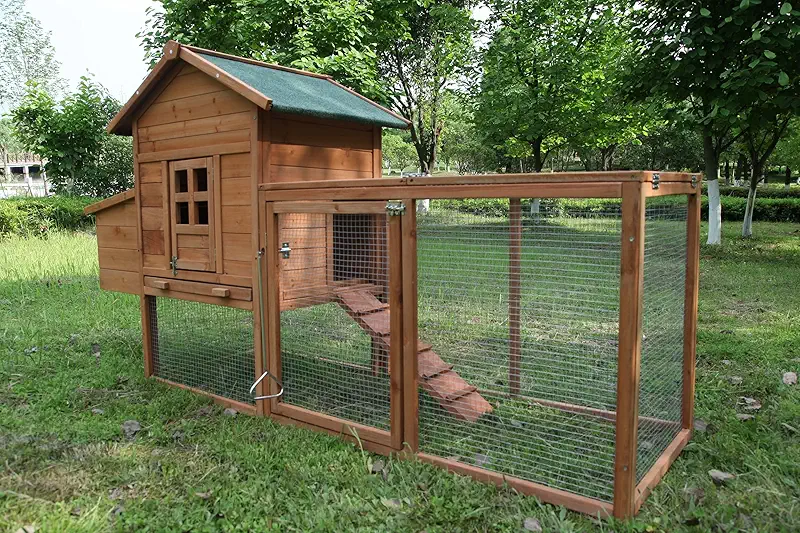
Chicken coop for sale nearby
When folks ask me about finding a chicken coop for sale nearby, they usually expect a quick answer: “Just grab the cute one with the little window.” I wish it were that easy. Out here on my farm, anything that isn’t built right ends up blown over, chewed up, or buried in snow by February.
Over the years I’ve tried small coops, tall coops, cheap coops, and “what on earth was I thinking” coops. Some were good, some were ugly but tough, and some looked pretty until the first raccoon showed up for the night buffet.
In this guide, I’ll walk you through how I pick a coop, what I look for when I’m browsing options online, and the mistakes I’ve made so you don’t have to repeat them. We’ll talk size, layout, safety, weather, and a few farmer tricks I’ve learned the hard way.
How many chickens, how big a coop?
The first thing I ask anyone looking for a chicken coop for sale nearby is simple: “How many hens are you planning on?” Not how many you have today, but how many you’ll have after chicken math kicks in.
Chicken math, in case you’re new to this, is when “I’ll just get four hens” quietly turns into “Well, a dozen isn’t that many, right?” It sneaks up on you faster than a rooster at feeding time.
My simple rule of thumb
Out here, with real winters and real mud, I like to give my laying hens:
- 4 square feet of indoor coop space per bird (minimum)
- 8–10 square feet of outdoor run space per bird if they’re not free-ranging
- About 1 foot of roost bar per hen
- One nest box for every 3–4 hens
So if you’re planning on 6 hens, I’m looking for a coop with at least 24 square feet inside. Some product listings get “creative” with their numbers, so always read the actual measurements, not just the “up to 8 chickens!” claim.
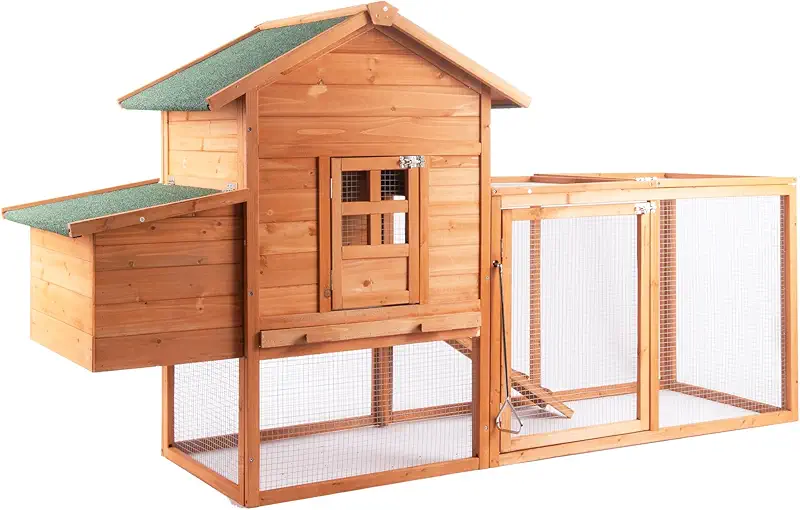
Predator-proofing: what the brochures don’t tell you
Every place has its own bandits. Out here I’ve got raccoons, foxes, hawks, the neighbor’s dog, and the occasional determined opossum. Wherever you live, something wants chicken for dinner.
The difference between losing birds and sleeping easy often comes down to how your coop is put together. I’ve had coops that looked solid but had one weak spot, and you know what predators look for? That one weak spot.
Hardware cloth beats chicken wire
Chicken wire is good for keeping chickens in. It is not great for keeping predators out. I’ve seen raccoons reach right through it like it was a salad bar.
- Look for ½-inch hardware cloth on windows and vents
- Run hardware cloth down into the ground or in an “apron” around the coop and run
- Avoid big, flimsy latches you can flip open with two fingers
- Doors should close tight, with no evening gaps
One summer, I thought I was clever and skipped burying wire on a “temporary” coop. The fox didn’t skip it. He went under, not through. I came out at sunrise and learned that lesson the harsh way.

What I look for when I browse coops
- Solid wood or metal frame that doesn’t wobble in the pictures
- Mesh that looks small and stiff, not thin and saggy
- Doors that have two-step latches or can take a carabiner clip
- Raised coops that are off the ground to keep the floor dry and discourage digging
When you’re checking a chicken coop for sale nearby, picture a raccoon with hands like a toddler and the patience of a saint. If you think they can open it, they probably can.
Ventilation, weather, and keeping hens comfortable
I get asked all the time, “Won’t my hens get cold in winter?” Truth is, chickens handle cold better than damp, stale air. Most problems I’ve seen—frostbite, respiratory stuff—come from poor ventilation, not cold.
A good coop should keep out drafts at roost level but still let moist air escape up high. That matters in the heat of summer, too. A hot, still coop is rough on birds.
Features that keep my flock happy
- Vents up high on more than one side of the coop
- Windows you can open in summer and close in storms
- A solid roof with an overhang to shed rain and snow
- Raised floor or good drainage so the inside doesn’t become a mud pit
I remember one cheap little coop I tried early on. It was cute, looked like a dollhouse. First thunderstorm rolled through and the roof might as well have been a sponge. I spent the evening stapling a tarp in the rain while the hens stared at me like I had lost my mind. They were not wrong.

Layout: nests, roosts, doors, and your back
A cozy coop for hens can be a back-breaking headache for you if the layout is wrong. I’ve had coops that were technically “fine” but made me crawl, twist, and swear every time I cleaned them.
Remember, you’ll be in and out of that coop a lot—feeding, cleaning, collecting eggs, checking on birds. Your future knees will thank you if you think about that now.
Things that make life easier
- Big main door you can actually fit a shovel or rake through
- External nest box access so you can grab eggs without stepping in muck
- Roosts placed higher than nest boxes so hens sleep where they should
- Removable trays or floors that make cleaning a 5-minute job, not a 2-hour one
On my main layer coop, I can stand up straight, swing both doors open, and rake everything right into a wheelbarrow. When I’m done, I don’t feel like I just tried out for a circus act.

“A coop that’s easy to clean stays clean. A coop that’s a pain to clean… well, let’s just say it becomes a science experiment.”
When you’re hunting for a chicken coop for sale nearby, pretend you’re doing chores in your work boots, in the rain, with a feed bucket in one hand. If the design makes that sound hard, keep looking.
Different coop styles and when I use them
Over the years, I’ve used all kinds of setups for my laying hens. Each style has its place, depending on your yard, your climate, and how attached you are to your lawn.
1. Stationary backyard coop
This is what most folks mean when they think “chicken coop for sale nearby.” A solid little house with an attached run that stays put.
- Great if you’ve got a permanent spot picked out
- Easy to add extra fencing or a bigger run later
- Usually has better weather protection than lighter setups
2. Mobile “tractor” style coops
These are coops you can drag or wheel around the yard. I use them when I want the hens to mow and fertilize a patch of grass.
- Good for small yards and fresh grass
- Hens help control bugs and weeds where you park them
- You’ll want something light enough to move but still sturdy
3. Walk-in “barn style” coops
These are bigger coops you can fully walk into. My main flock lives in one of these and I wouldn’t trade it.
- Best for larger flocks and serious egg folks
- Easier to set up deep bedding for winter
- More room to add feed storage, brooders, or extra roosts
If you’ve got the space and you’re in this for the long haul, a walk-in style is worth every board.

When I’m scrolling through options for a chicken coop for sale nearby, I always match the style to how I’ll actually use it, not just how it looks in a picture. Pretty doesn’t collect eggs, and it sure doesn’t shovel manure.
Day-to-day care: setting hens up for steady eggs
A good coop is just the frame. The way you set it up and use it is what really keeps hens laying steady and staying healthy.
Inside the coop
- Keep feed and water off the floor to avoid spills and mold
- Use dry bedding—I favor pine shavings or straw, changed regularly
- Place roosts so droppings fall where you can clean easily
- Keep nest boxes dark and calm so hens feel safe laying
Every morning, I do a quick walk-through: fresh water, top off feed, collect eggs, and take a 10-second sniff. If it smells sharp or heavy, I know I need to clean or add fresh bedding.

Outside the coop
- Give them dust bath spots—bare, dry soil they can roll in
- Offer some shade in the run for hot afternoons
- Walk the fence now and then looking for fresh digging or weak spots
- Rotate runs if you can, so you’re not fighting mud and parasites in one overused patch
I like to say happy hens lay eggs, and stressed hens write complaints with their beaks. The way your coop and run are set up has a lot to do with which one you get.
What I check before choosing a chicken coop for sale nearby
When I’m helping someone pick a coop, I try to slow them down just a bit. Before you click anything, ask yourself a few plain questions.
- Will this still work if I add a few more hens?
- Can I clean this without crawling on my hands and knees?
- Does it keep predators out, not just chickens in?
- Will it hold up through my worst season of weather?
- Does my yard and zoning allow a coop this size?
If the answer to most of those is “yes,” you’re on the right track. If you’re getting a lot of “well, maybe if…,” that’s your gut telling you to keep looking.
When I browse options for a chicken coop for sale nearby, I’ll often pull up several choices at once and compare:
- Measurements and square footage
- Number and placement of doors
- How the roof is built and what it’s made of
- Where the vents and windows sit
You’ll be surprised how quickly one or two options stand out as “the sensible choice” once you look at them side by side.

You don’t need the fanciest coop on the block. You just need one that’s safe, dry, roomy enough, and easy for you to live with. The hens don’t care if it matches the patio furniture—they care that they can roost, scratch, breathe, and lay eggs in peace.
FAQ: practical answers from the coop yard
- Keeping the flock truly small (3–4 hens)
- Adding extra predator-proof wire and good latches
- Checking the roof and floor carefully after the first big storm
- Use a heated waterer in winter
- Plug in a light if I’m checking birds after dark
- Run a small fan during extreme heat waves
- Scraping droppings from below roosts
- Changing out wet spots after rain or spills
- Refreshing nest box bedding when it’s flattened or dirty
My advice: if you’re handy and enjoy projects, build. If you just want hens and eggs without sawdust in your hair, a solid pre-made coop is a fine way to start. Either way, the same rules apply—size, safety, ventilation, and your own comfort doing chores.
If you’re ready to look through more than just one or two photos and really compare different chicken coop options, you can quietly scroll through a whole bunch of them and see what feels right for your yard and your birds.
Show me all coops