
Chicken coop for sale
If you’re hunting for a solid chicken coop for sale and not just a pretty picture in a catalog, you’re in the right place. I’ve raised laying hens on American soil for more years than I care to count, and I’ll walk you through how to pick a coop that keeps birds safe, dry, and laying like clockwork.
When folks ask me about a chicken coop for sale, I always smile and say, “You’re not just buying a box of wood. You’re buying your hens’ whole little world.” I’ve seen coops that were tight as a drum in a blizzard and coops that wouldn’t keep out a bored raccoon on a Tuesday night.
I farm in the States, with winters cold enough to freeze your mustache and summers hot enough to fry an egg on the pickup hood. Our hens have been through it all with me. Over the years I’ve learned which features matter, which ones are just fancy talk, and how to match a coop to real everyday life on a small homestead or backyard.
On this page I’ll help you read between the lines when you see a chicken coop for sale online. We’ll talk size, safety, cleaning, weather, and—most important—what keeps those egg baskets heavy. I’ll share what has worked on my own farm, the mistakes I’ve made, and what I look for when I click through a new coop myself.
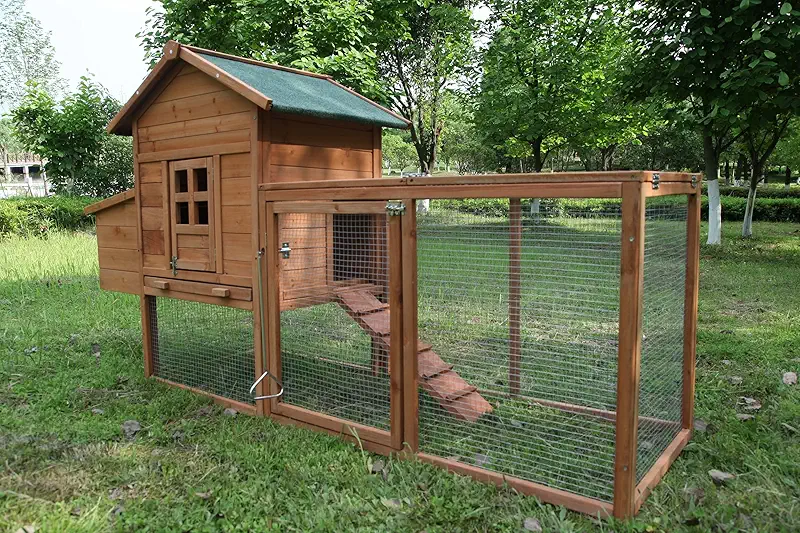
What I Really Look For In A Chicken Coop For Sale
Out here, a chicken coop is like a barn in miniature. It has to do a lot of jobs every single day. When I scroll through pages of chicken coop for sale listings, I ignore the fancy paint and focus on simple things: space, airflow, safety, and how big a pain it’s going to be to clean when I’m tired and it’s already dark.
Let me walk you through the checklist I use before I spend a single dollar. This isn’t theory. It’s what I’ve tested under boots, mud, snow, and a few too many roosters.
1. Space: Real Numbers, Real Birds
A lot of product pages swear a small coop will handle 6–8 hens. Most of the time, that number is written by somebody who has never chased chickens in the rain. On my place, I use this rule of thumb:
- Indoor coop space: about 4 sq ft per hen
- Outdoor run space: 8–10 sq ft per hen
- Roost bar: 8–10 inches of roost per hen
So if you want 4 good layers, look for around 16 sq ft inside the coop. When I see a small box bragging “up to 8 chickens,” I just shake my head and move along. Crowded hens get cranky, pick at each other, and lay fewer eggs. That’s money and peace of mind right out the window.
2. Safety: Who Are You Really Building For?
Here’s the truth: you’re not just buying a chicken coop for sale for your hens. You’re buying it for every critter that wants a midnight snack. On my farm that means raccoons, possums, foxes, coyotes, stray dogs, weasels, and the occasional hawk that thinks he’s invited to lunch.
When I study a coop, I look for:
- Hardware cloth instead of cheap chicken wire
- Solid latches that a raccoon can’t flip open like a teenager opening a fridge
- Wood thickness that doesn’t feel like a cereal box
- Flooring that stops digging predators
If the pictures show soft wire, big gaps, or flimsy doors, I move on. Predators only need one weak spot; your coop needs none.
Different Types Of Chicken Coop For Sale (And When They Make Sense)
Not every setup is right for every yard. I’ve run big walk‑in coops, little backyard numbers, and mobile tractors I drag with the lawn tractor. Each has its place. Let’s walk through the main types you’ll see when you browse for a chicken coop for sale.
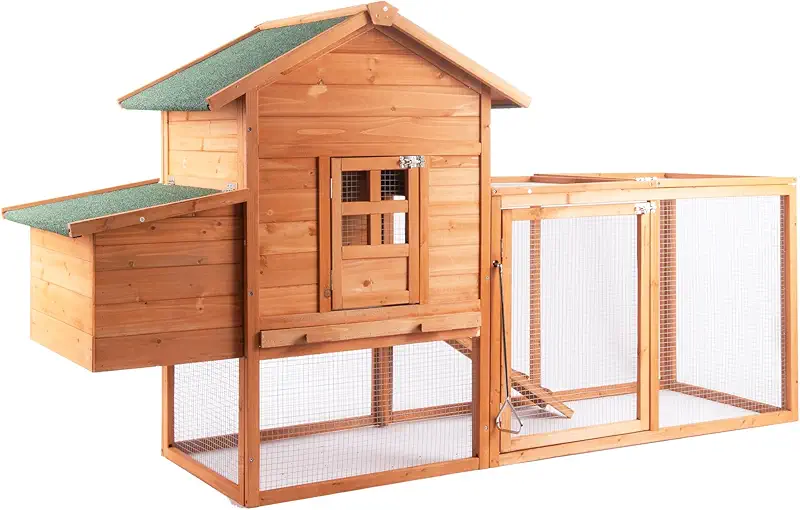
Good for a small town yard and a starter flock of 3–4 hens. Easy to place near the house so you’re not slipping on ice fetching eggs.
Let me see this
Feels more like a tiny barn. I like this style when I’ve got 6–10 hens and want room to step in, clean, and visit with the girls without ducking.
I want to peek
Great if you like to move birds to fresh grass. I use this type on summer pasture, then shift everybody back to a sturdier coop for winter.
This might workWhen you’re scrolling through chicken coop for sale photos, picture where it will sit in your yard. Can you reach it in winter? Is there shade in summer? Can you get a wheelbarrow there for cleaning? I’ve regretted every “perfect” coop that was stuck in a muddy corner I hated walking to.
Must‑Have Features Inside A Layer Hen Coop
Hens don’t ask for much: a dry bed, a safe roost, a quiet nesting box, and feed and water where they can’t knock it over every five minutes. When a chicken coop for sale gets those few things right, life gets easier fast.
Good Roost Bars
Chickens like to sleep up off the floor. I use 2×3 lumber with the wide side facing up, edges slightly rounded. Skinny dowels hurt their feet in cold weather. Roosts should be higher than the nest boxes, or you’ll find sleepy hens in the nests and messy eggs in the morning.
Nesting Boxes That Hens Actually Use
A basic rule I follow is one nest box for every 3–4 hens. I line mine with plenty of shavings and a little lip on the front, so the eggs don’t roll out when a hen decides to rearrange the furniture. When I see a chicken coop for sale with tiny, shallow nests, I know I’ll be fishing eggs off the floor.

Ventilation Without Drafts
Airflow is one thing new keepers overlook. Chickens breathe out a lot of moisture, and so do their droppings. If that moisture can’t get out, it settles on combs and toes and causes frostbite in cold weather. I look for:
- Vents up high under the roof overhang
- Windows or wire panels that can close in storms
- No big openings at roost level where wind hits them directly
In summer, I want that coop to breathe like a screened porch. In winter, I want it tight at bird level but still vented up top. When I see a chicken coop for sale with zero vents, I just keep scrolling.
Easy‑To‑Clean Floor
There are two kinds of coop owners: the ones who think about cleaning before they buy and the ones who think about it the first time they crawl inside with a shovel. I like:
- Flat floors without a maze of tiny corners
- Doors big enough for a shovel or scoop
- Pull‑out trays that actually hold weight
My back thanks me every time I choose a coop that’s easy to clean. So do the hens—their health rides on dry, fresh bedding.
How To Match A Chicken Coop For Sale To Your Climate
Where you live changes what “good” looks like. I’m in a four‑season climate, so I’ve seen what works in snow, rain, and heat waves. Before you jump on a chicken coop for sale, think more about your weather than your favorite paint color.
Cold Climates
If winters bite where you live, look for:
- Thicker walls and a decent roof
- Small, high vents you can partly close
- Room for deep bedding on the floor
- A people door you don’t dread opening when it’s icy
I rarely use heaters. A dry, draft‑free coop with good ventilation has kept my girls laying through some pretty nasty snaps. When I see a light, thin‑walled chicken coop for sale for northern states, I’ll only consider it as a warm‑season coop or with serious wind protection around it.
Hot Or Humid Climates
Heat kills more birds than cold, in my experience. In hot states, I want:
- Lots of windows or wire panels with shade
- Light‑colored roofs, not black heat traps
- Space for extra waterers
- Coops placed where the afternoon sun is gentle
When you’re scanning each chicken coop for sale, picture the birds on your worst summer day. If you’d hate to sit in there for an hour, they will too.
Setting Up Your New Coop Step By Step
Once you’ve chosen a chicken coop for sale that fits your birds and your yard, the real fun starts: putting it together and turning it into home. I’ll give you the simple farm‑tested steps I follow every time I set up a new coop or move an old one.
- Pick a good spot. High ground beats low. You don’t want rain turning your run into a duck pond. If I can, I put the coop where I can see it from the kitchen window.
- Think about morning and evening. You’ll visit the coop early and late. Make sure there’s a clear path that won’t turn to ice or mud too badly.
- Assemble carefully. Don’t rush. Tighten every screw. Predators are good at finding lazy construction.
- Add bedding. I use pine shavings. Some folks use straw. Lay it thick enough that droppings don’t hit the bare floor.
- Check latches in the dark. I walk around the coop at night with a flashlight and tug on every door like a hungry raccoon.

Once your birds move in, you’ll learn their habits fast. They’ll show you where they like to roost, which corner they think is the “bathroom,” and whether they approve of your nesting boxes. Hens always have opinions; they just share them with feathers instead of words.
My Daily Routine For Happy Laying Hens
A solid chicken coop for sale is just the start. It’s the daily rhythm that keeps birds healthy and eggs coming steady. Here’s the simple routine I’ve followed for years.
Morning
- Open the pop door so hens can greet the day
- Check water first thing—fresh, clean, and not frozen
- Top off feed and glance at every bird as she hops out
I can spot a sick hen faster than any chart. If one girl hangs back or fluffs up her feathers odd, I take a closer look.
Midday
If I’m around, I take a quick walk by. I listen more than I look. A calm flock sounds like soft clucks and contented murmurs. Loud squawks often mean a predator passed by, a hen is stuck, or the new rooster said something rude.
Evening
- Collect eggs (I don’t like leaving them overnight)
- Do a quick headcount on the roost
- Close up doors and double‑check latches
A good coop makes all of this smoother. Doors close right, eggs are easy to reach, and I don’t end up crawling under low roofs after a stubborn hen who decided to sleep in the corner.
More Coop Ideas To Consider
If you’re still weighing options, here are a few more styles you’ll often see when browsing a chicken coop for sale. I’ve used all three at one time or another, depending on the season and how many birds I had.

Handy when you can’t free‑range much. Gives the girls room to scratch, dust bathe, and gossip without tearing up your whole yard.
Let me think more
I like raised coops where winters are wet. Keeps the floor dry and gives birds a dry spot under the coop during storms.
This looks handy
A good match if you want one coop to do it all—spring chicks, summer laying, fall molt, and long winters.
Show me detailsWhen I weigh a new chicken coop for sale, I don’t ask, “Is this perfect?” I ask, “Will my hens be comfortable here, and will I still like it on a cold, muddy Wednesday?” If the answer is yes, that coop usually turns into a long‑term friend.
I'll explore optionsQuestions Folks Ask Me About Buying A Chicken Coop For Sale
Ignore the wild numbers in some ads. For laying hens, I plan about 4 square feet per bird inside the coop and 8–10 square feet per bird in the outside run. So a coop that’s 4×4 feet inside (16 square feet) is comfy for about 4 hens. You can squeeze more, but I’d rather have calmer birds, cleaner feathers, and better egg numbers than bragging rights about how many I crammed in a box.
You don’t need fancy; you need solid. I’ve had plain coops that outperformed prettier, pricier ones. I look for sturdy framing, decent wood, good wire, strong latches, and thoughtful design. If a basic chicken coop for sale checks those boxes, I’ll happily choose it over a “deluxe” model that cuts corners where it matters.
Not always. If you’re starting with 3–4 hens and unsure how deep into chickens you’ll go, a smaller coop can be a smart trial run. Just be honest with yourself—chicken math is real. Most folks say, “I only want three hens,” then six months later they’re whispering about adding a few more. If you suspect that’s you, lean toward the next size up when you pick a chicken coop for sale.
Smell comes from wet bedding and poor airflow, not from the chickens themselves. I keep the coop dry, stir bedding often, add fresh shavings when needed, and make sure there’s enough ventilation up high. A quick daily look and a deeper clean every few weeks keep things under control. A well‑designed coop makes this much easier, because you can actually reach all the corners without turning into a contortionist.
Buying the smallest, cutest chicken coop for sale and believing the "up to 8 chickens" number printed on it. That and underestimating predators. I tell folks to size for the birds they want in a year, not just the birds they have today, and to treat every latch and opening like a determined raccoon will test it. Do that, and you’ll save yourself heartache and replacement costs down the road.
Ready To Choose Your Next Coop?
If you’ve read this far, you already care more than most folks flipping through a random chicken coop for sale ad. That’s good news for your hens. They’ll repay you in fresh eggs, cheerful clucks, and the quiet pleasure of a yard that feels a little more alive.
Take your time, measure your space, be honest about your weather, and remember that you’ll be walking out to that coop on your best days and your worst ones. Pick something future‑you will thank you for.
When you’re ready to look around, take a slow, thoughtful stroll through the different styles and sizes available. Picture your own birds inside each one and listen to that small, practical voice that says, "Yes, this would work for us."
Show me all coops