
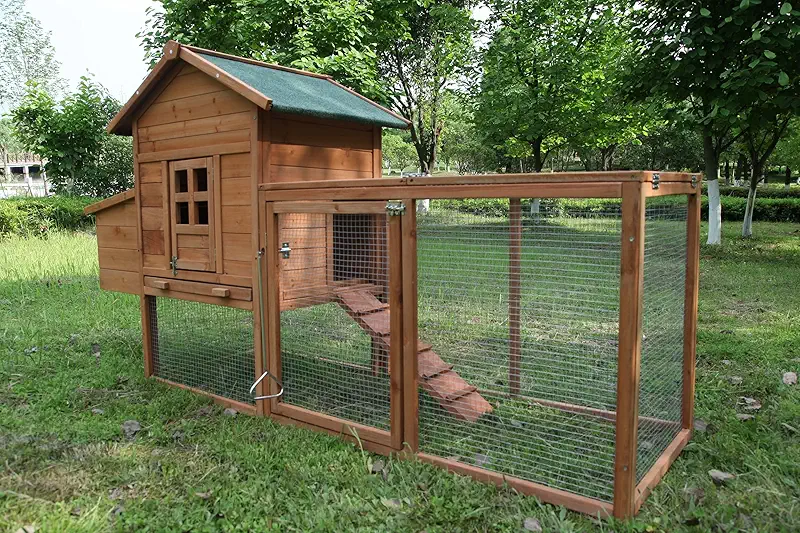
What a real winter chicken coop needs
When folks ask me about the “perfect” chicken coop for winter, I always laugh a little. Out here, perfection is the coop that still opens after an ice storm and does not smell like a swamp by February. A strong winter coop is less about looking cute and more about balancing warmth, fresh air, and easy chores.
Years ago my first winter with hens taught me a good lesson. I thought I was being kind by sealing every little gap. The coop stayed warm, all right, but the air turned damp and heavy. Frostbite showed up on combs and I felt awful. Since then, when I choose or build a chicken coop for winter, I follow some simple rules.
Key features I always look for
- Solid walls and roof: No wobble, no leaks, no loose panels flapping in the wind.
- Raised floor: Keeps the birds above frozen ground and helps the bedding stay dry.
- Ventilation high up: Openings under the roof, not at chicken level, so moisture escapes.
- Covered run or porch: Hens hate walking on snow; a roofed area keeps them active.
- Easy-access doors: You want wide doors you can open with gloves in a snow drift.
- Roomy roosts: Enough space so they can fluff up without pushing each other into drafts.
When you look at any chicken coop for winter, picture yourself using it on a dark January morning. The latch is frozen, your fingers are stiff, and the wind is howling. If the design still feels simple and safe in that moment, you are on the right track.
Warm vs. ventilated: finding the sweet spot
Most new keepers think, “The warmer the better.” I used to think the same, until I saw how much damage moisture can do in cold climates. Chickens create a lot of steam just by breathing and from their droppings. If that moisture has nowhere to go, it settles on combs and feet and freezes.
My best winters came after I learned to see ventilation as part of warmth. Dry air feels warmer than damp air at the same temperature. In my main coop, there are vents all along the top of the walls, and a little gap under the roof ridge. Snow blows sideways here sometimes, so those vents are protected by overhangs and hardware cloth.
How I balance warmth and fresh air
- Vents above roost level, so air can move out without chilling the hens.
- Solid walls and no big cracks at perch height.
- Deep bedding on the floor to act like a soft insulation blanket.
- Roof overhangs that keep wind-driven snow out of the vents.
When you review any chicken coop for winter, check the roof line and upper walls. Even small screened openings up high can make a big difference, as long as the floor and roosts stay calm and draft-free.
Size and layout: how many hens per coop in winter
In summer, a cramped coop is annoying. In winter, a cramped coop means stressed birds picking at each other. On my farm, I see personality changes when space gets tight. The sweet hen turns bossy. The shy pullet starts sleeping in the nest boxes to get away.
For a chicken coop for winter, I try to give at least 4 square feet of indoor space per standard-size hen, and more if the run will be snowed in often. Bantams can get by with a little less, big heavy birds need more.
Layout details that help in cold weather
- Roosts away from doors and vents so no direct wind hits them at night.
- Nest boxes lower than roosts so hens sleep on the perch, not in the boxes.
- Feed and water in one easy corner so you can refresh them fast before your own nose freezes.
- Headroom for you if possible. Being able to step inside saves a lot of cursing in a blizzard.
If the coop you are looking at feels a bit bigger than you need, that is not a bad thing for winter. Give hens room to stretch and scratch on stormy days, and they will reward you with quieter clucks and more steady laying.
Insulation, bedding, and the deep litter method
People often ask me if a chicken coop for winter needs fancy insulation inside the walls. In my experience, solid construction plus good bedding usually matters more than stuffing every panel with foam. Chickens come wearing their own down jackets. Our job is mainly to keep the wind and wet away.
What makes a big difference for me is how I handle bedding. I am a big fan of the deep litter method when it is done right and kept dry. On my place, I start fall with a clean coop, then lay down several inches of dry shavings and a little chopped straw. As winter rolls on, I keep adding clean material on top instead of removing everything each week.
Why deep litter works well in winter
- The layers build gentle warmth as they break down a bit.
- Chickens love scratching through the layers, which keeps them busy on storm days.
- It soaks up moisture from droppings if your ventilation is decent.
- Come spring, you have a head start on rich compost for the garden.
The trick is to keep it dry and fluffy. If it ever smells sharp or feels soggy, I add more dry material and check the ventilation again. A wet coop in winter is worse than a chilly coop.
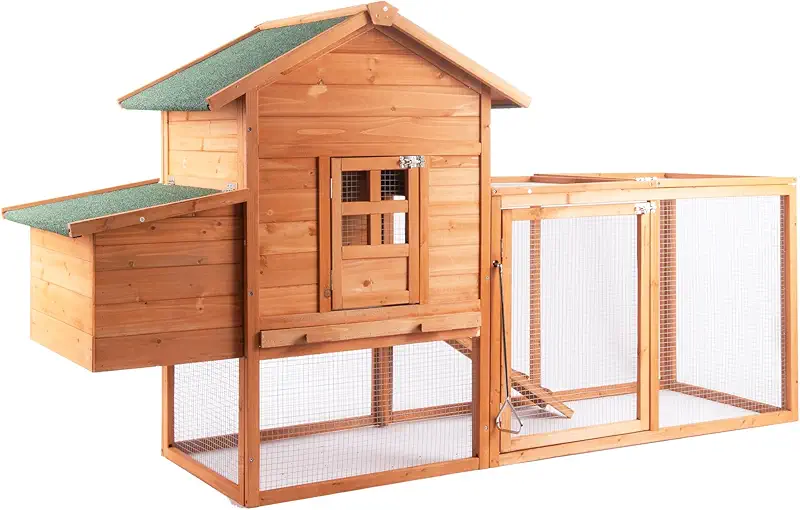
A raised chicken coop for winter keeps feet out of slush and bedding drier.
Protecting hens from wind, snow, and predators
Where I live, the wind has a habit of showing you every mistake you made on the barn. A good chicken coop for winter needs to stand up not only to the cold but also to smart winter predators: hungry raccoons, foxes, and the occasional hawk that does not feel like migrating.
I remember one icy night when a storm blew open an old coop door that did not latch well. By the time I got out there, snow had drifted halfway across the floor and the hens were piled in the one dry corner, looking at me like I had personally offended them. That morning I promised myself: proper doors, proper latches, every time.
Winter protection checklist
- Heavy-duty latches that you can work with gloves, but raccoons cannot open.
- Hardware cloth, not chicken wire, on windows and vents; chicken wire keeps chickens in, not predators out.
- Covered run or windbreak panels made from tarps or solid boards on at least one side.
- Roof that can handle snow load for your area; steep roofs shed snow better.
When you choose a chicken coop for winter, look closely at the hardware and how the panels connect. Pretty paint will not keep a fox out, but solid framing and real locks will.

A partly enclosed run lets hens stretch their legs even when the ground is frozen.
Keeping water from freezing and feed under control
Water is the chore that will test your patience in winter. I have carried more buckets of warm water through snowdrifts than I care to remember. The right chicken coop for winter will give you a handy spot to keep waterers and feeders out of drafts but easy to reach.
I like to place water in the run during the day and move it into a sheltered corner at night if needed. In the coldest spells I use a heated base or a heated waterer, and I make sure cords are routed so curious beaks cannot reach them.
Few simple habits that help
- Use wide, shallow water pans as backup; ice is easier to knock out in the morning.
- Top off water with warm (not hot) water on bitter days.
- Keep feed dry and off the floor; damp feed in winter is a waste and a magnet for mice.
- Offer a snack of cracked corn late afternoon so they go to roost with full crops.
Chores are a lot easier if your coop door opens into a small sheltered space. When I look at a chicken coop for winter, I always imagine myself carrying a bucket in and out with the wind blowing behind me. If that mental picture feels clumsy, I move on to the next design.

Sturdy nesting boxes and roosts make winter egg collection quick and easy.
Egg production in winter: what a good coop can (and cannot) do
Every winter, someone tells me their hens “quit” on them and they blame the cold. Truth is, shorter days are usually the bigger problem. A solid chicken coop for winter helps the birds stay healthy and comfortable, and that lays the groundwork for steady eggs, but it cannot fight the sun by itself.
In my own flock, I do a few things to gently support laying. I make sure the coop feels calm and safe, I keep drafts off the roosts, and I give them a steady, high-quality layer feed with a little extra protein in the worst of the cold. Some years I use a low-wattage light on a timer in the morning, so they get a few extra hours of light.
Coop details that help winter laying
- Dry, clean nesting boxes lined with deep straw so eggs do not freeze as fast.
- Easy access from outside so you can collect eggs more often without disturbing the flock.
- Enough nests (about one box per 3–4 hens) to cut down on squabbles.
- Quiet, dim corner for the nest area so hens feel safe while laying.
Do not worry if production dips a bit when the days are very short. As long as your hens are bright-eyed, active, and eating well, your chicken coop for winter is doing its job. The eggs will pick back up when the sun swings higher.

Thoughtful design and sturdy materials turn a simple coop into a winter workhorse.
Choosing the right chicken coop for winter: my personal checklist
Over the years I have tried homemade coops, hand-me-down sheds, and ready-made chicken coops built for backyard keepers who do not want to start from scratch with a hammer. When I look at any prebuilt chicken coop for winter, I run it through the same old-farmer checklist in my head.
My winter coop checklist
- Is it solid? Will it laugh at a strong gust instead of rattle like a tin can?
- Can I reach everything? Nesting boxes, roosts, and corners without crawling on my knees?
- Is there protection from snow? Roof over the run or at least a good overhang on the doors?
- How does it drain? Water should run away from the coop, not collect under it.
- Is there room to add extras? A heat lamp is often not needed, but hooks, extra vents, or a new roost are handy.
I also remind folks not to chase the cutest little house they see online. A fancy paint job is nice, but straight boards, solid framing, and a roof that does not leak will mean a whole lot more to you in January when you are out there in your boots.
If you want to look through various ready-made options that already tick most of these boxes, you can browse different styles, sizes, and layouts here:

A well-planned winter setup makes daily chores calmer and faster.
Daily winter routine that keeps hens happy
The best chicken coop for winter will still treat you poorly if your routine fights the weather. After a few rough seasons, I settled into a simple rhythm that works for both me and the flock.
My usual winter day with the hens
- Early morning: Check everyone, open pop door if the run is safe, swap any icy water, quick feed top-up.
- Midday: Toss a little scratch grain in the run bedding to keep them moving and hunting.
- Afternoon: Collect eggs again so fewer are lost to freezing or getting cracked.
- Evening: Quick head count on the roost, close everything up tight, check latches and vents.
A good coop design makes this whole routine take just a few minutes, even when my beard has frost on it and my coffee is getting cold on the porch. When you choose a chicken coop for winter, picture this daily rhythm and see if the coop makes it smooth or frustrating.

Simple windbreaks and deep bedding go a long way toward winter comfort.
Simple upgrades that turn any coop into a better winter coop
Maybe you already have a coop and you are just trying to get through the cold season without a big rebuild. I have been in that spot more than once. A few cheap upgrades can make an ordinary hut feel like a well-thought-out chicken coop for winter.
Upgrades I reach for first
- Clear plastic panels or greenhouse plastic on part of the run to block wind and let in sun.
- Extra roost bar a few inches higher, so birds have room to space out.
- Draft stoppers at the bottom of doors using scrap wood or old feed bags.
- Bucket or bin for bedding right beside the coop so you can toss in fresh shavings quickly.
None of these changes are fancy, but together they turn a simple shed into a decent chicken coop for winter. Chickens do not care about looks. They care about dry feet, calm air, and a safe place to sleep.

Plenty of space and light keep winter flocks calm and productive.
Final thoughts from an old farm hand
Over the decades, I have learned that a good chicken coop for winter is not about chasing perfection. It is about listening to your birds, watching how the wind hits your yard, and being honest about how much work you want each day. If your coop keeps them safe, mostly dry, and calm through the coldest weeks, you are doing just fine.
When you look at different coops, ask yourself three simple questions: “Will this be solid in a storm? Can I clean and care for it without cussing? Will my hens feel safe here on the longest night of the year?” If the answer is yes, go ahead and trust that.
If you are still weighing your options and want to see different layouts and sizes that can be adapted to your climate, you can take your time and look through a range of choices here:
FAQ about choosing a chicken coop for winter
Do I need to heat my chicken coop for winter?
Most healthy hens do not need a heated coop if it is dry, draft-free at roost level, and well-ventilated up high. Chickens handle cold better than heat. I only consider extra heat for tiny coops in extreme cold or for sick or very young birds, and even then I use safe, enclosed heaters and never bare bulbs hanging over dry bedding.
How big should a winter coop be for six hens?
For six standard hens, I like at least 24 square feet of indoor space in winter, plus a good-sized run. That might be something like 4x6 feet or larger. More space is better if your birds will be stuck inside during storms. When you check any chicken coop for winter, think in terms of real floor space, not just the outside measurements on the box.
What bedding is best for a chicken coop in winter?
My go-to is pine shavings with some straw mixed in. Shavings soak up moisture and straw gives them something long and scratchy to dig through. I avoid cedar shavings because of the strong oils, and I stay away from dusty materials that can bother their lungs. Whatever you use, keep it dry and add more often in winter.
How do I stop comb frostbite in cold weather?
Dry air and no drafts on the roost are the big helpers. Make sure your vents are up high and that roosts are away from doors and windows. Wide roosts let hens sit on their feet to keep toes warm. In very cold climates with big-combed breeds, some folks use a little plain petroleum jelly on comb tips, but good ventilation and a dry chicken coop for winter matter more than any ointment.
Can I use a small prefab coop for winter?
You can, but be honest about your weather and flock size. Many small prefabs are fine for mild winters or tiny flocks, but they benefit from a few upgrades: extra bedding, a windbreak around the run, and sometimes added vents up high. When you consider a prefab chicken coop for winter, treat the product as a starting point that you can improve, not the final word.
If you feel like your hens deserve a snugger home this cold season, take a slow look through all the different chicken coop styles and pick the one that fits your land and your chores best.
Show me all coops