
Chicken coop for backyard egg lovers
A cozy chicken coop for your hens is more than four walls and a roof. It’s the little barn where tomorrow’s breakfast is made, one egg at a time.
I’ve been raising laying hens on my U.S. farm long enough to have made just about every mistake a person can make with a chicken coop. I’ve built coops from scrap wood, bought fancy ones, and even had one that the wind sent rolling across the pasture like a tumbleweed. The hens were fine. My pride took longer to recover.
On this page I’ll walk you through how to choose the right chicken coop for your flock, your yard, and your weather. I’ll keep it simple, honest, and based on what has actually worked here on the farm.
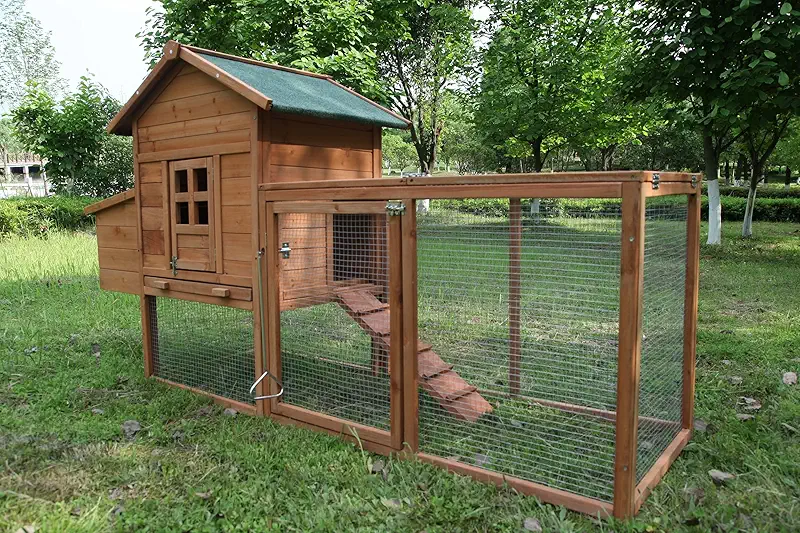
What a good chicken coop for laying hens really needs
A lot of online pictures of chicken coops look cute, but cute doesn’t keep your hens safe or laying well. A good chicken coop for backyard layers needs to do three main jobs:
- Keep the hens safe from predators and bad weather.
- Keep the air fresh and dry, not damp and smelly.
- Make your life easy when you gather eggs and clean.
When I built my very first coop, I focused on charm instead of function. It had a cute little window, some fancy trim, and a door that stuck every time it rained. The hens didn’t care about the trim, but I sure cared about that door at 6 a.m. in January.
So let’s talk about what really matters when you’re choosing a chicken coop for your flock, whether you have three pampered ladies or a whole breakfast factory in the backyard.
How much space your chickens actually need
Space is the first thing folks underestimate. Baby chicks fit in the palm of your hand. Six months later, they’re shoulder-checking each other off the roost like tiny feathered linebackers. A cramped chicken coop for layers leads to bullying, broken feathers, and fewer eggs.
My simple rule of thumb
- Inside the coop: at least 3–4 square feet per hen.
- Outside run: at least 8–10 square feet per hen.
If you live where winters are long and the birds stay inside more, lean toward the higher numbers. I did “just enough” space one winter. By February, the hens were so bored they started pecking each other’s tail feathers. It looked like a pillow fight gone wrong.
Count how many hens you want, then pretend you’ll add three more. Pick a chicken coop for that bigger number. Chickens are like potato chips. Folks rarely stop at one flock.
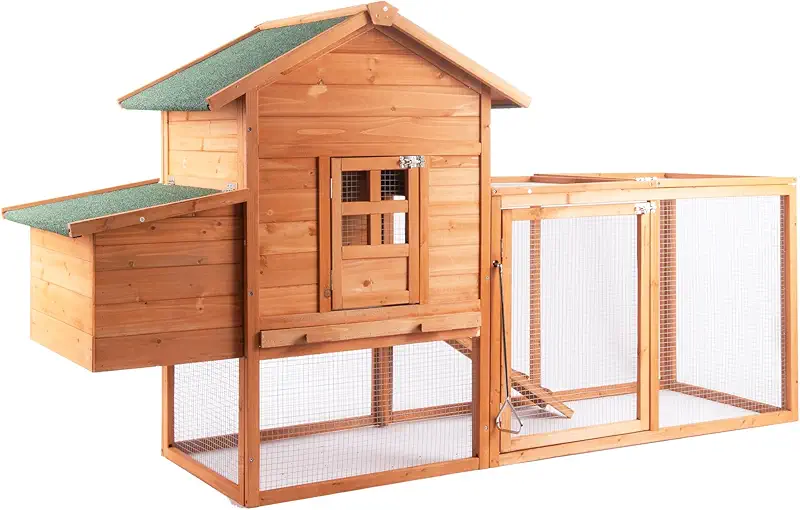
Roosts, nest boxes, and where the eggs end up
A chicken coop for laying hens needs two important “furniture” pieces inside: roosts for sleeping and nest boxes for laying. Get those right and half your daily chores get easier.
Roosts: the chicken bunk bed
Chickens like to sleep up off the ground. It makes them feel safe. I use 2x3 boards, wide side up, with the edges rounded a bit so it’s easy on their feet. You can use branches too, but make sure they’re strong and not too skinny.
- Allow about 8–10 inches of roost space per hen.
- Keep roosts all at roughly the same height so “top hens” don’t fight for the highest spot.
- Place roosts higher than the nest boxes so they don’t sleep where they should lay.
One year I tried a stepped roost setup that looked like stadium seating. The boss hen claimed the top and spent every night dropping “gifts” on the ladies below. Took me a week to figure out why they looked so grumpy every morning.
Nest boxes: where the breakfast magic happens
A chicken coop for eggs should have cozy, darker corners for nest boxes. Hens like privacy when they lay, just like we do. Crowded, bright nests mean eggs end up on the floor, and nobody wants to crawl under a roost to rescue breakfast.
- Plan for one nest box for every 3–4 hens.
- Put a little lip on the edge to keep bedding and eggs from rolling out.
- Use straw, shavings, or chopped hay so eggs have a soft landing.
No matter how many nest boxes you build, the hens will always swear there is only one favorite spot. I’ve seen eight hens stand in line for the same nest while the rest of the boxes sit empty like lonely motel rooms.

Ventilation, drafts, and keeping the smell down
When folks ask me what’s the most overlooked part of a chicken coop for backyard layers, I say ventilation every time. Chickens breathe out moisture, their droppings give off ammonia, and if that air can’t get out, you end up with damp litter, strong smell, and sick birds.
Good air, without a cold wind
You want lots of air up high, and calm air down where the hens sit and sleep. Think of it like a barn with the windows up near the roof.
- Add vents or windows near the top of the walls.
- Cover openings with hardware cloth, not flimsy chicken wire.
- Make sure air can enter on one side and exit on the other.
Even when it’s cold, don’t seal the coop tight. Dry, moving air is warmer for a hen than damp, still air. I once sealed every crack before a big freeze and paid for it with a week of coughing birds.
Predator proofing: building a chicken coop for safety first
If you haven’t met your local predators yet, your chickens will introduce you. Raccoons, foxes, dogs, coyotes, rats, weasels, hawks – they all know a good chicken dinner when they see one. A sturdy chicken coop for night-time is your hens’ best bodyguard.
Things I never skip now
- Solid latches on doors and nest box lids. Raccoons have hands like tiny burglars.
- Hardware cloth (strong wire mesh) for every window, vent, and opening.
- Buried wire apron or solid base so nothing can dig in under the coop.
- Doors that shut tight without gaps – no room for a sneaky weasel.
Years back I trusted a little hook-and-eye latch on my coop door. Came out one morning and found it neatly unhooked and pushed open. Lost two good hens that night and learned more than I wanted to know about raccoon intelligence.
When you’re browsing any chicken coop for your yard, look close at how the doors close, how the run attaches, and what kind of wire they used. If it looks like you could kick through it by accident, a predator can do it on purpose.
Choosing the right chicken coop for your climate
A chicken coop for Arizona isn’t the same as a chicken coop for Minnesota. Hens are tougher than we give them credit for, but they still need help dealing with heat, cold, wind, and rain.
Hot and sunny places
- Look for coops with plenty of shade and open-air panels.
- Metal roofs should have a ceiling or insulation under them.
- Light colors reflect heat better than dark ones.
On my hottest days here, I open up every vent I can, add extra waterers, and keep the run shaded. A chicken coop for hot weather is almost more porch than house.
Cold and snowy places
- Solid walls with no gaps near roost height.
- Good roof with strong pitch so snow slides off.
- Room to hang a waterer so it doesn’t freeze to the floor as fast.
I don’t heat my main coop unless we’re getting an awful cold snap. Instead, I use deep bedding and wind protection. A dry hen with fluffed feathers is wearing her own down jacket.

Cleaning and daily chores: design that saves your back
The first time you clean out a low, cramped coop, you’ll understand why I talk so much about doors and access. A chicken coop for easy cleaning should almost invite you in, not make you crawl on hands and knees with a shovel.
Features that make chores easier
- Big human-sized doors or wide tops you can open.
- Removable trays under the roosts to catch droppings.
- Enough headroom that you can at least crouch instead of crawl.
- Nest boxes you can reach from outside to gather eggs.
I’ve learned that if a coop is annoying to clean, people put it off. When cleaning waits, the smell grows, the flies come, and the hens start coughing. A good chicken coop for your flock is really a good chicken coop for your nose too.

I scrape under the roosts every few days, refresh nests as needed, and do a deep clean every few months. With the right design, that whole deep clean can take less than an hour, and my back still works afterward.
When you’re looking at any chicken coop for sale, imagine yourself with a shovel in one hand and a bucket in the other. Is there room to move? Are there places droppings will pile up where you can’t reach? Think about future-you, not just today-you.
Portable vs. permanent: which chicken coop for your yard?
Over the years I’ve used both big, permanent coops and smaller mobile ones, sometimes called tractors. Each has its place, and which chicken coop for your setup is best depends on your space and habits.
Portable coops (chicken tractors)
These are smaller coops with attached runs that you can move around your yard. Hens get fresh grass, and your lawn gets free fertilizer.
- Great if you have a smaller yard.
- Nice for keeping birds on fresh ground.
- Best for lighter breeds that handle moving well.
I like portable coops for spring and summer. The hens follow the green and keep the bugs nervous.
Permanent coops
A permanent chicken coop for bigger flocks or cold climates often has more space, stronger framing, and room for you to walk inside.
- Better for larger flocks.
- Easier to build strong and solid.
- Can connect to a fenced yard or larger run.
Around here, my main laying flock stays in a permanent coop with a big yard. It’s not fancy, but the eggs are.

Matching the chicken coop for your lifestyle
The best chicken coop for your hens is also the best one for your daily rhythm. I always tell people to be honest with themselves. Are you an “up at sunrise” type, or more of a “coffee first, then chickens” type?
Questions to ask yourself
- How often will I clean? Be realistic. Easier cleaning means you’ll do it more often.
- How many eggs do I really want? A chicken coop for two hens is very different from one for twelve.
- Do I travel? If you’re gone some weekends, your coop should be easy for a neighbor to tend.
- How handy am I? Some coops come ready to set up, others need fixing and tweaking.
My neighbor bought the cutest little chicken coop for four hens and then, two months later, he had ten birds and no plan. We ended up building an addition that looked like a porch stuck on a dollhouse. The hens loved it. His wife, not so much.
When you look at any chicken coop for your place, picture yourself using it on a cold, wet, windy day. If it still seems manageable in your mind, you’re on the right track.

Common mistakes when picking a chicken coop for egg layers
I’ve made most of these mistakes myself, so don’t feel bad if you recognize one. Better to learn from my bruises than earn your own.
- Going too small. It’s the number one regret I hear. Chickens multiply; space doesn’t.
- Trusting “chicken wire” for safety. It keeps chickens in, but doesn’t keep much out.
- Ignoring ventilation. A chicken coop for happy hens needs fresh air, not just insulation.
- Putting it too far from the house. You’ll visit that coop twice a day, maybe more.
- Forgetting the roof. Cheap roofing leaks, and nothing smells worse than wet bedding and droppings.
A good rule is to imagine the worst week: heavy rain, strong wind, you with a head cold. If your chicken coop for that week still feels okay to deal with, the design is probably solid.
“Would I still like this coop after hauling buckets to it in the dark for a week?” If the answer is yes, you’ve probably picked well.

FAQ: choosing a chicken coop for backyard hens
If all this talk about cozy roosts and fresh eggs has you picturing hens in your own yard, it might be time to look over a few more designs and see what fits your place.