
I’ve been raising laying hens most of my life, through blizzards, heat waves, and everything in between. Folks sometimes think it’s all about feed and breeds, but in truth, a big part of success is how you “play” the chicken coop game each day. You make the coop, the routine, and the environment into a sort of quiet game the hens can win.
When I say chicken coop game, I’m not talking about some phone app. I’m talking about the real‑life dance between a farmer, a chicken coop, and a flock of opinionated hens who all think they’re in charge. The coop is your game board, the hens are your players, and the rules are simple: keep them safe, keep them busy, and they’ll pay the rent in eggs.
How the chicken coop game works in real life
Every morning when I walk out to the coop, I’m already thinking about the game. Did they sleep calm last night? Is the bedding dry? Is there fresh water? If I get those things right, the hens act relaxed. If I get them wrong, they start writing angry messages in the dust with their feet.
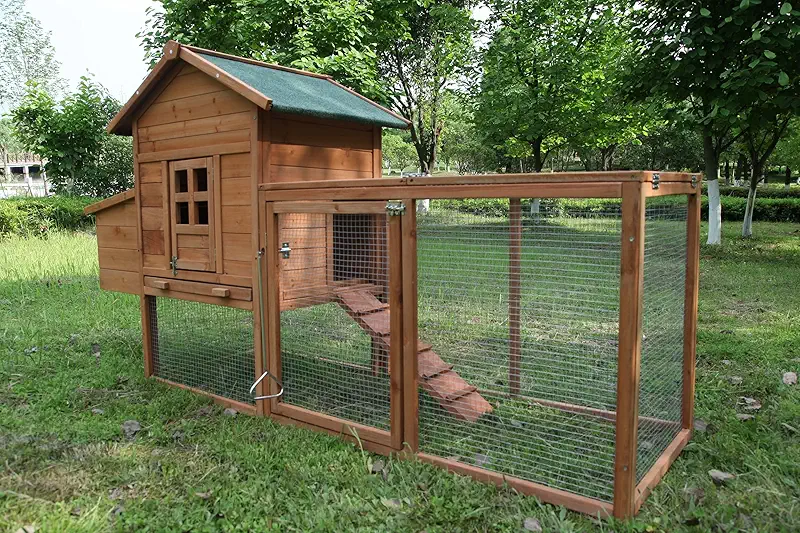
The first “level” of the game is the coop itself. A good coop makes the rest easy. A bad coop will have you out there every evening with a hammer in one hand and a curse on your lips. Ventilation, space, roosts, nest boxes, and predator protection are the main pieces on the board.
Ventilation: the invisible level of the game
One of the most important parts of your chicken coop game is air. Chickens breathe out a lot of moisture and ammonia builds up from droppings. If the coop doesn’t breathe, your hens pay the price with respiratory trouble and wet bedding.
I like a coop that has vents high up near the roof line and maybe a window or two you can close when the wind howls. The trick is to move air without putting a draft right on the roosts. Think “fresh barn smell,” not “wind tunnel.”
Space and roosting: where hens win or lose
The next part of the chicken coop game is space. Crowded birds turn into feathery little bullies. I aim for at least 4 square feet of indoor coop space per bird, more if I can spare it. On the roosts, they like about 8–10 inches each, though in winter they’ll all jam together like they’re sharing secrets.
I remember one winter when I tried to “make do” with a smaller coop. By mid‑January, the girls had plucked half the feathers off the lowest hen in the pecking order. I added a bigger roost and some extra space, and the drama died down. Lesson learned: in the chicken coop game, crowding is how you lose.

Nest box “hide and seek”
Another fun part of the game is teaching hens where to lay. Hens love to play hide and seek with their eggs. If they don’t like your nesting setup, they’ll tuck eggs under bushes, in corners, or on top of a feed bag just to keep you humble.
A good rule of thumb is one nest box for every three to four hens. Line them with straw or wood shavings, keep them a little darker and quieter than the rest of the coop, and collect eggs often. I like to use fake ceramic eggs when I’m training pullets. They see those and think, “Well, everyone seems to be laying here,” and follow along.
When I bring new pullets into lay, I close off the most tempting “wrong” corners of the coop for a week or two. I also keep the run interesting, but the nest boxes calm and cozy. Most of them figure it out in a few days. Hens are not dumb, just stubborn—kind of like some farmers I know.
Turning chores into a daily chicken coop game
The game isn’t just about the building. It’s about your routine. My day with the hens has a simple rhythm, and sticking to it keeps everybody, including me, in a good mood.
- Morning check: open the coop, quick headcount, fresh water, fill feeder.
- Egg round #1: mid‑morning egg check so nests don’t overflow.
- Afternoon game time: scratch grain in the run, small treats, a little “yard talk.”
- Egg round #2: just before dusk, gather the last of the eggs.
- Lockup: shut them in safe for the night, quick look for any limping or odd behavior.
It sounds like a lot written out, but it becomes a calm little game of habit. The hens learn the pattern. They know when I’m coming. I swear some of them stand at the door like they’ve clocked my schedule better than I have.

Keeping hens busy: the “boredom buster” part of the game
A bored hen is a troublemaker. To win the chicken coop game long‑term, you’ve got to give them something to do besides picking on each other. Out in the run, I toss a little scratch grain into the bedding, so they have to dig for it. I hang up cabbage heads or bunches of greens like a low‑budget carnival ride.
I also like to change the run around once in a while—drag a branch in there, pile up some straw, move a perch. Every time I change something, the hens act like I just opened a new theme park. Simple as it is, that’s all part of the chicken coop game: making small changes to keep their minds and bodies working.
My “rainy day” chicken coop game
On days when it pours and the run is muddy, I bring the game inside the coop. I’ll scatter a handful of scratch in a thick layer of dry bedding and let them work it through. That scratching turns into fresh aeration for the litter, and I sweep the high‑traffic spots after. The hens think it’s fun, and I get cleaner bedding. Everyone wins.

Predator control: the serious side of the game
Now, there’s one part of the chicken coop game that isn’t cute at all: predators. Raccoons, foxes, hawks, neighborhood dogs—they all like chicken dinner as much as you do. A flimsy coop is just a snack bar with a welcome sign.
I learned this the hard way many years ago when I trusted an old, half‑rotten coop door. One clever raccoon figured out the loose latch, and I woke up to feathers and regret. Since then, I treat locks and wire like I’m guarding the crown jewels.
- Use hardware cloth, not flimsy chicken wire, on openings.
- Make sure doors close solid, with predator‑proof latches.
- Consider a covered run if hawks are common in your area.
- Check the ground edges so nothing can dig under easily.
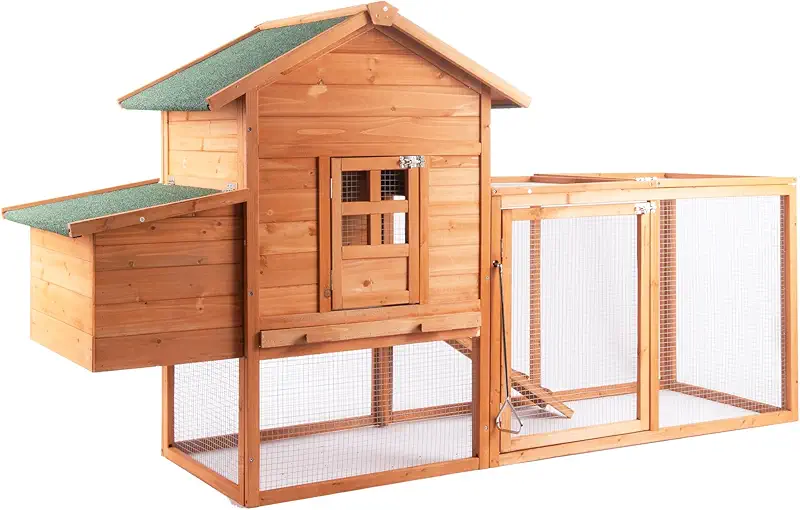
A good modern coop makes a lot of this easier, with solid doors, snug panels, and a safe run already built in. That’s where picking the right setup from the start changes the whole game.

Choosing coops: setting up your game board
When you’re looking over different coop styles, remember you’re not just buying lumber and hinges. You’re choosing the game board you’ll be playing on every day for years. The right layout can turn chores into a quiet joy. The wrong one can make you mutter under your breath every morning.
Think about:
- Size: Will it fit the flock you have now and the birds you’ll want later?
- Access: Can you reach eggs, feeders, and bedding without crawling on your knees?
- Cleaning: Are there trays or big doors that make muck‑out days quicker?
- Weather: Does it handle your winters and summers without turning into an oven or a freezer?
Out here, I’m always balancing time and comfort. A well‑designed coop lets me spend less time fighting doors and more time actually watching the hens, noticing early if one is off her feed or limping a bit. That’s where good design pays back in real health.

My simple chicken coop game for steady eggs
If you want a clear “game plan,” here’s the pattern that’s kept my egg baskets heavy and my hens calm:
- Keep the coop dry, aired out, and draft‑free around the roosts.
- Give hens enough space to move without bumping into each other all day.
- Make nest boxes cozy and slightly dark so they feel safe laying there.
- Offer clean water and good feed at the same time every day.
- Change the run a little every week to keep them busy and curious.
- Lock up tight every night, no matter how tired you feel.
Follow those steps and you’ll be surprised how much easier the whole thing feels. What looks like “work” from the outside turns into a friendly little game between you and your birds. You give them what they need, and they send breakfast right back your way.
