
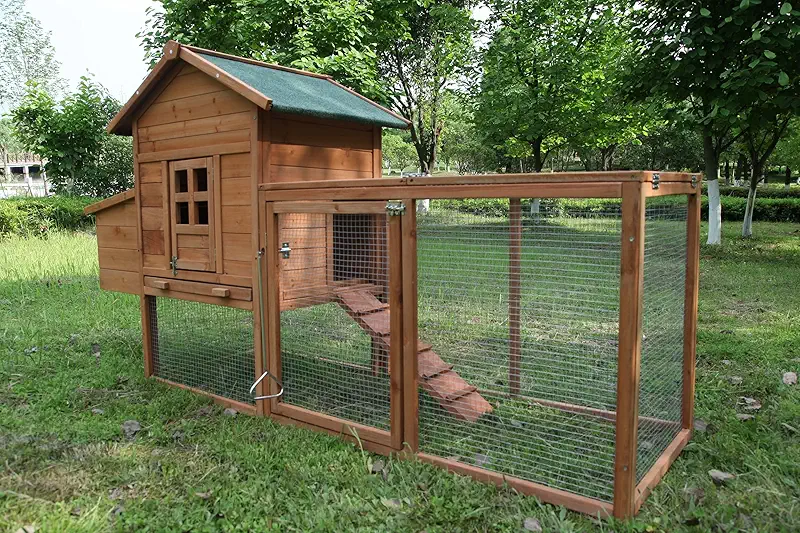
Why a coop and greenhouse belong side by side
When I first started with chickens, my “coop” was an old shed that leaned a little to the left. The “greenhouse” was my wife’s sunny kitchen window. It worked, more or less, but it was a lot of running back and forth, and the hens let me know they weren’t impressed.
Years later, after a few harsh winters, muddy springs, and more than one busted waterer, I tried my first chicken coop greenhouse combo. That setup changed the way I manage my birds and my garden. Suddenly, the whole system felt like it was working with me instead of against me.
The heat and shelter from the greenhouse help the coop. The chickens give back with manure and scratching power for the garden beds. Less waste, fewer trips with the wheelbarrow, and more steady eggs on the breakfast table. It’s the sort of thing that makes you wonder why you didn’t do it ten years earlier.
The simple idea behind a chicken coop greenhouse combo
- The coop gives your hens a dry, safe, draft-free home.
- The greenhouse traps warmth, extends your growing season, and protects tender plants.
- Together, they share warmth, nutrients, and space, like a tiny backyard farm.
Real-world benefits I’ve seen on the farm
I’m not much for fancy talk, but I pay attention to what works. Over time, a good chicken coop greenhouse combo has given me three things: steadier eggs, healthier soil, and less daily fuss.
1. Happier hens and steadier egg baskets
Chickens don’t like big swings in temperature. One winter, before I had the combo, I’d open the coop on a cold February morning and the girls would look at me like I’d insulted their grandmother. Egg count dropped, and I can’t say I blamed them.
With the coop snugged right up against a greenhouse, the air stays a little kinder. I’m not saying it feels like Florida, but that extra buffer from wind and cold helps them keep laying. On my place, I saw winter egg numbers hold a bit stronger after I switched to the combo, especially from my older hens.
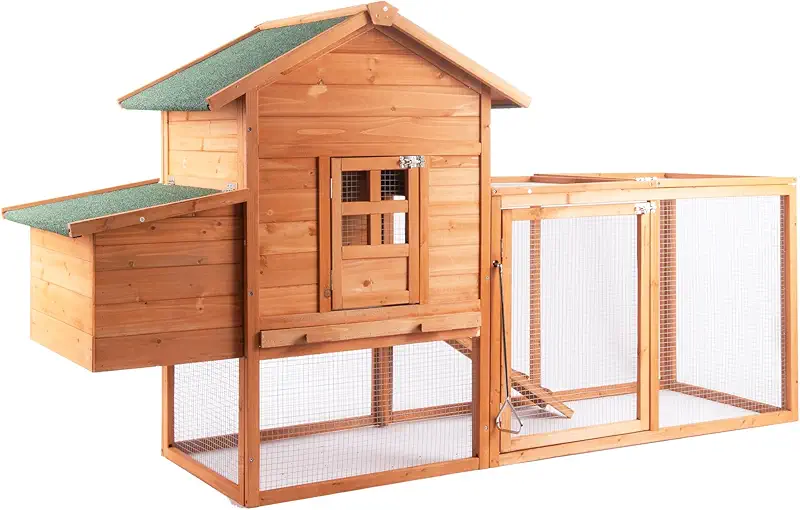

2. Free fertilizer, right where you need it
I’ve never met a chicken that didn’t know how to make manure. The trick is getting that “gold” to the right place without hauling it all over the yard.
With a chicken coop greenhouse combo, I use deep bedding in the run and coop area. Straw, leaves, wood shavings—whatever I’ve got. The hens scratch it, mix it, and break it down. When it’s partly composted, I can shift that material straight into or near the greenhouse beds. Shorter trips, lighter work, nicer soil. That’s my kind of math.
3. Less mud, less mess, less wasted time
Before I had the combo, my springtime looked like a boot-sucking mud festival. I’d haul bedding across the yard, then drag tools to the garden, back and forth, back and forth.
When the coop and greenhouse share a wall or sit side by side with a shared run, a lot of that mess shrinks. Tools, feed, and hose lines all stay in one general area. The birds have a covered space to scratch even on wet days, and you’re not chasing them through puddles. You’ll still get dirty, of course. That’s just part of the deal. But you won’t be cursing the mud quite as often.
What I look for in a chicken coop greenhouse combo
Walking through all the different setups out there can feel like trying to choose a tractor by color. There are a lot of good-looking options, but you want one that actually works on your ground, with your birds.
When I’m sizing up a combo, these are the things I stare at first, right after I pour a cup of coffee.
Solid structure and predator protection
Out here, I’ve got hawks, raccoons, foxes, and the occasional neighbor’s dog who thinks he’s a coyote. A coop is only as good as its weakest board or mesh.
- Floor and walls: Strong wood or metal frame, no big gaps where cold or critters sneak in.
- Wire: I like hardware cloth over thin chicken wire, especially near the ground.
- Locks: Simple latches are fine, but they should be something a raccoon can’t easily flip open.


Ventilation for the coop, warmth for the greenhouse
A tight coop without airflow is worse than a drafty one. Ammonia and moisture build up fast. At the same time, you don’t want your greenhouse turning into a sauna in July.
- For the coop: Vents up high, windows you can close in storms, and good cross-breeze without hitting the roosts directly.
- For the greenhouse: Roof vents, side openings, or roll-up sides so you can dump hot air fast in summer.
- Between the two: Some combos let a bit of warmth drift from greenhouse to coop, but I still keep each space controllable on its own.
Enough space for both birds and beds
I’d rather have a smaller flock in a roomy coop than a crowded bunch in a palace on paper. Overcrowded hens pick on each other and lay fewer eggs, no matter how pretty the setup looks.
My rule of thumb for layers is about 4 square feet of indoor coop space per bird, and 8–10 square feet of outdoor run, minimum. With a chicken coop greenhouse combo, I treat the greenhouse beds as plant territory first, and chicken territory only when I invite them in.
Quick space check for your flock
- Small backyard flock (4–6 hens): modest coop with a compact greenhouse works fine.
- Medium flock (8–12 hens): larger run area and stronger framing are worth it.
- Bigger group: consider multiple combos or a main coop with a separate greenhouse.
How I actually use a chicken coop greenhouse combo through the seasons
Let me walk you through a year on my place with a coop and greenhouse side by side. The calendar might look a little different where you live, but the ideas carry over just fine.
Spring: scratching beds and waking up the soil
As soon as the ground starts to soften, I use the hens like little feathered rototillers. I’ll fence off a section of beds near the greenhouse, let them scratch and stir, and then move them along before planting.
They tear up old roots, chase bugs, and break up the top layer of soil. They’re not gentle, mind you, so I only turn them loose where I want that kind of energy.
Summer: shade, airflow, and keeping things from baking
Summer is when the greenhouse can turn mean if you don’t watch it. On hot days, I open vents early, roll sides up if I’ve got them, and make sure waterers for the hens are in the shade, not in full blast sun.
I plant taller crops or use shade cloth on the greenhouse side that faces the coop run, so the birds get some relief from the heat. Happy hens handle summer just fine; stressed hens go off-lay, and nobody wants that.


Fall: turning leftovers into next year’s soil
After harvest, I pull old plants, toss them where the birds can pick through them, and let the flock do some cleanup patrol. They’ll find bugs hiding in stems, knock seeds loose, and chew up what they can.
A chicken coop greenhouse combo makes this easy: garden waste, bedding, and chicken manure all travel short distances. By late fall, I’ve got mulch piles cooking along nicely, ready to feed the beds the following spring.
Winter: shelter, light, and simple routines
Winter is when I really appreciate having things close together. I don’t have to trudge across the yard in knee-deep snow with a bucket of feed and a cranky attitude. The coop, run, and greenhouse sit close, and chores are quick.
The greenhouse traps a bit of daytime heat, takes the edge off the wind, and gives me a place to tinker with tools or start a few cold-hardy greens. The hens enjoy dry footing under cover, and they seem calmer when the world outside is frozen solid.

Tips for keeping layers healthy in a combo setup
A fancy structure won’t fix poor care. Your hens don’t care what color the greenhouse is; they care about comfort, feed, and routine. Here are some habits that have served me well with laying flocks.
Give them dry bedding and clean nests
I check the coop floor and nest boxes every day, even if it’s just a quick glance. Damp spots get covered or scooped; nests get fresh straw when they start to look tired. A good chicken coop greenhouse combo makes it easy to stash bales or bags of bedding nearby, so you’re more likely to keep up with it.
Let the birds see daylight
Chickens don’t thrive in gloom. I like coops with windows, clear panels, or a run that gets some honest sun. The greenhouse side of the combo is naturally bright, and I use that to my advantage, but I also make sure the hens have shady spots. Too much direct sun without shade can be just as rough as too little.
Fresh water, always within easy reach
I’ve lost more time than I’d like to admit thawing waterers or hunting for a missing bucket. These days I keep at least two water spots: one closer to the coop, one nearer the greenhouse or run. In winter, I favor heavier rubber bowls that are easy to dump and refill.
Keep an eye on the quiet ones
In every flock, there’s a boss hen, a few middle-of-the-road gals, and one or two quieter birds. In a tighter space like a combo, bullying can sneak up on you. I watch for bare backs, pecked combs, or hens hanging back from the feeder.
If I see trouble, I adjust roost space, add another feeder, or hang a cabbage or treat in the run to spread attention around. It doesn’t take much to tip the balance back toward peace and eggs.
What kind of chicken keeper suits a coop greenhouse combo?
I won’t tell you a chicken coop greenhouse combo is for everyone. If you’ve got wide open acreage and a big barn, you might prefer separate, larger buildings.
But if you find yourself in one of these groups, the combo style tends to fit like a worn-in work glove:
- Backyard families who want eggs, a small garden, and short chore times.
- New chicken keepers who’d like a clear, contained setup instead of scattered sheds.
- Older farmers (like me) who appreciate fewer steps, fewer heavy loads, and more tidy systems.
- Busy folks balancing jobs, kids, and a small flock of hens on the side.
My advice is simple: start with something you can manage comfortably, not something that looks impressive from the road. The best setup is the one you’re happy to walk out to every single day.