
Chicken coop heater and brooder
Chicken Coop Heater And Brooder
I’ve raised laying hens through more winters than I can count on one hand, and I’ve learned this the hard way: a good chicken coop heater and brooder isn’t about spoiling your birds, it’s about keeping them safely comfortable so they lay strong eggs and greet you every morning.
On this page I’ll walk you through how I keep my flock warm, how I use heaters and brooders without burning the barn down, and what I look for when I check new gear online.
Let me see options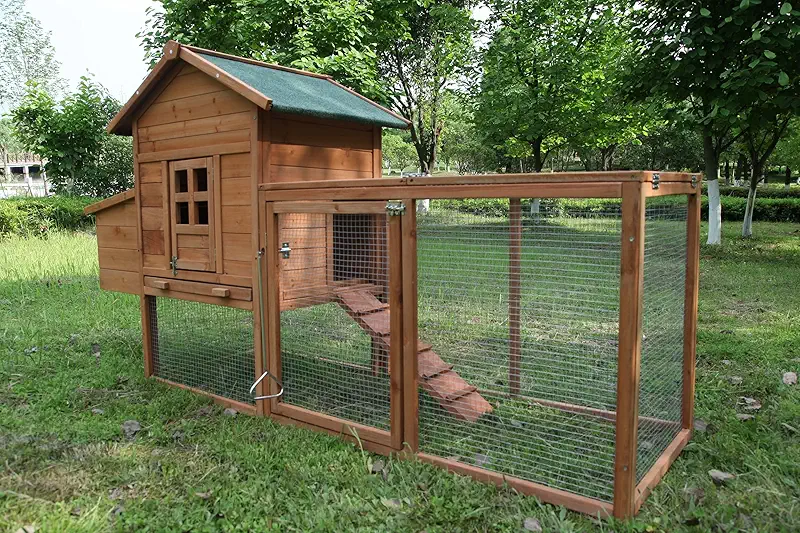
How Cold Can Chickens Really Handle?
Folks ask me every fall, “Do I need a chicken coop heater and brooder or will my hens be fine?” Chickens handle cold better than people think. A healthy adult hen with a dry, draft-free coop can shrug off temperatures well below freezing. I’ve had birds scratching around happily while my beard was freezing solid.
The trouble starts when cold teams up with damp, drafts, or weak birds. Wet feathers don’t insulate worth a darn, and a cold breeze blowing across roosts all night can chill them right to the bone. That’s when I start thinking about gentle heat.
Young chicks are a different story. They don’t have that thick feather coat yet, so they need a steady, warm brooder from day one. An adult hen can fluff up like a feathery little furnace. A chick is more like a cotton ball with legs.
Where I live, we see some nights down around zero. I don’t keep the whole coop toasty like a living room. I just offer a warm zone, keep the drafts off them, and make sure the bedding is dry enough that if I dropped a knee on it, I wouldn’t regret it.
Types of Chicken Coop Heater And Brooder Setups
Over the years I’ve tried about every way a person can warm a chicken coop, including one very bad idea involving an old space heater that I’d rather not talk about. Here are the main types that make sense on a small farm or backyard flock.
Flat Panel Heaters
These look like a thin, flat board that gives off gentle radiant heat. Many are safe to touch, and they don’t blast out hot air like an angry dragon. I like them because they warm the birds and nearby bedding without heating the whole building.
- Lower fire risk than bare bulbs
- Mount on a wall or stand near roosts
- Good for taking the edge off deep cold
Brooder Plates For Chicks
A brooder plate is like a mama hen in a neat little package. It’s a heated panel on adjustable legs. Chicks scoot under it when they’re cold and step out when they’re warm. No more guessing if that red bulb is too close or too far.
- Mimics natural “under the hen” warmth
- Chicks can self-regulate temperature
- Much safer than hanging heat lamps
Heat Lamps (And Why I Rarely Use Them)
I’d bet heat lamps have burned down more barns than cigarettes. I still own a couple, and once in a while I use one out in a drafty shed with pigs or for a short emergency. But in the chicken coop, especially over dry shavings, they make me nervous.
If you do use a heat lamp, treat it like a loaded shotgun in the house: double-secure it, don’t hang it by the cord, keep it far from wood and bedding, use a proper guard, and check it daily. Personally, I sleep better with safer styles of chicken coop heater and brooder.
These days I lean on flat panel heaters and brooder plates. They warm what needs warming, and they don’t make me feel like I’m gambling with my barn roof.
How I Set Up A Brooder For Happy, Strong Chicks
There’s a special sound to a content brooder. It’s a soft, gentle peeping, like they’re gossiping about the big world they just landed in. When chicks are too cold, you’ll know: they pile up in one loud, complaining heap under the heat source. Too hot and they run to the corners, panting and looking offended, like someone left the oven door open.
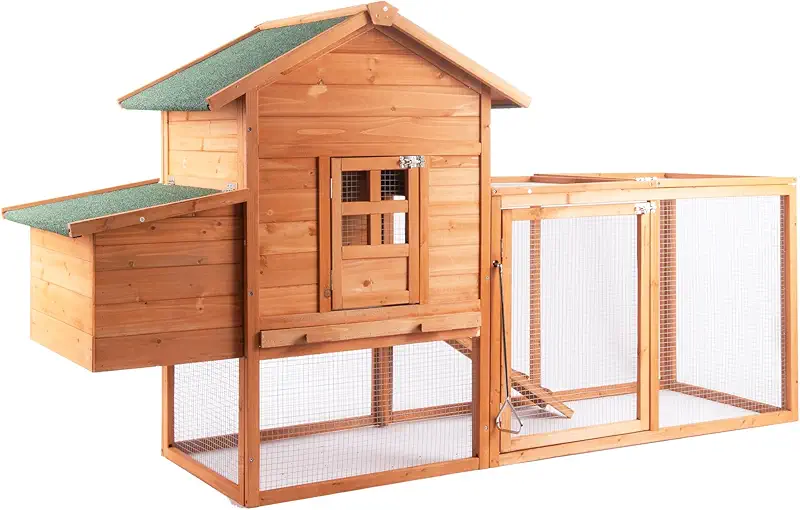
I start my chicks in a draft-free box or stock tank with good bedding. Pine shavings work fine; I skip the slippery newspaper because I like my chicks to grow bones, not sprains. Right from day one I add a brooder plate or a well-placed heater suitable for chicks.
My Basic Brooder Temperature Rule
I’ve read all the charts, but I still use my eyes more than my thermometer. As a loose guide I aim for:
- Week 1: about 95°F (35°C) under the heat
- Drop about 5°F each week
- By week 5–6: little to no extra heat if your room is mild
But the real test is chick behavior. If they’re spread out evenly, eating, drinking, and napping under and outside the heater, then the chicken coop heater and brooder are doing their job. If they’re either huddled or hiding from the heat, I make small adjustments.
Other Brooder Must-Haves
Heat is only one piece of the puzzle. I also make sure my brooder has:
- Fresh water shallow enough that nobody drowns in the first week
- Starter feed in a feeder they can’t tap-dance in too easily
- Dry bedding with the wet spots pulled daily
- Good air – not stuffy, not drafty
- Some darkness at night, so they learn day and night like normal creatures
With that setup, I’ve raised healthy, sturdy pullets that walked into winter like feathered linebackers.
Keeping Adult Hens Warm Without Overheating The Coop
Once birds are fully feathered, I treat heat as a comfort tool, not life support. A good chicken coop heater and brooder setup for grown hens is simple: tight against drafts, loose for air, and just enough warmth that combs and toes don’t get nipped by frost.

My Coop-Warming Priorities
Before I plug anything in, I walk the coop with a farmer’s checklist:
- Drafts above roost height sealed – I don’t want wind on their backs
- Ventilation high up – moist air has to get out, especially in winter
- Dry bedding – damp shavings feel twice as cold
- Solid roosts – wide enough so they can cover toes with feathers
Once that’s done, I decide if a heater is needed. On mild winter nights I don’t use one at all. When it’s bitter cold for a long stretch, I’ll set up a flat panel heater near the roosts so it warms the space where they perch, not the whole county.
Where I Put The Heater
I mount or place the chicken coop heater and brooder panel:
- A few feet from the roosts, not right up against them
- Far from bedding piles and dusty corners
- Where the cord runs safely along a wall, out of beak reach
I like my hens warm, not baked. If I walk into the coop and it feels like a sauna, I’ve overdone it. The birds should fluff up comfortably, not pant and stand there looking like they’re regretting life choices.
Safety Rules I Live By With Coop Heat
Electricity and dry shavings can be good friends or bad enemies. Over the years I’ve written my own set of rules for using a chicken coop heater and brooder. They’re simple, and I stick to them.

- No frayed cords. If the cord looks tired, the heater retires.
- No cheap extension cords. I use heavy-duty ones rated for the load.
- Secure mounting. Nothing hangs by a cord, ever.
- Clear space. No bedding, feathers, or cardboard within reach of the heat source.
- Daily glance. I peek in at night and again early morning the first week I run any new heater.
It takes maybe a minute each day, but it’s a lot easier than explaining to the fire department why my coop is smoking.
I also pay attention to how my birds react. If they’re avoiding the heater area, it might be too intense or making them uncomfortable. When the setup is right, they’ll roost near the warm zone without crowding or fussing.
Choosing A Good Chicken Coop Heater And Brooder Online
When I’m staring at a screen full of options, I try to picture each heater actually sitting in my coop. Will it fit near my roosts? Can I clean around it without cussing? Is the cord tough enough for a curious hen named Martha who pecks everything like it insulted her?

What I Look For
- Stable design. It should mount solidly or stand firmly without wobble.
- Built-in safety features. Things like tip-over protection or overheat shut-off.
- Reasonable wattage. Enough to help, not so much that it’s cooking the coop.
- Simple surfaces. Fewer crevices for dust and dander to collect.
- Honest reviews. I look for folks using them in real barns and coops, not just bedrooms.
Matching Size To Flock And Coop
A small backyard coop doesn’t need a monster heater. In fact, too much power can make the air stuffy and damp, which is hard on lungs and combs. For my smaller coops, one modest flat panel or a compact chicken coop heater and brooder unit is plenty.
With bigger barns or metal sheds, I still focus on warming the areas where birds sleep and chicks live, not the entire square footage. Chickens carry their own down jackets – they just need a little help when winter gets mean.
If you’re browsing around for something that fits your setup, you can scan through different shapes and sizes and picture which one will tuck into your coop the easiest.
I’ll compare a fewPersonal Lessons From Long, Cold Winters
One winter we had a cold snap so sharp the bucket in the barn froze solid by noon. I remember walking into the coop, breath clouding in the air, and hearing the soft clucks of content hens. They were perched up on wide roosts, near a quiet panel heater, feathers puffed so big they looked like feathered basketballs.

Egg production didn’t even hiccup. That told me more about good coop management than any fancy book. It wasn’t just the heater. It was the combination: dry floor, tight shell, fresh air, and that little bit of gentle warmth aimed right where it mattered.
I’ve also had a season where I got lazy and didn’t fix a leaky spot in the roof. Wet bedding plus cold air made for a long winter. Comb tips got pale, a couple birds sulked, and I kicked myself all spring. I had heat in there, but I hadn’t respected the basics. That was the year I truly learned that heat can’t fix bad housing.
These days I treat a chicken coop heater and brooder as part of the flock’s whole health plan. It sits alongside good feed, clean water, enough space, and daily eyes-on time. I peek into the coop more often, listen to the sounds they’re making, and watch how they settle at night.
If I walk in and my hens greet me with that soft, sleepy murmuring, I know the setup is working. If they’re huddled, restless, or panting, I make changes before the next nightfall. The birds tell you how well your equipment is doing, if you’re willing to listen.
Simple Checklist For Your Own Coop
If you’d like a farmer-style checklist before you plug in any chicken coop heater and brooder, here’s the one I use at home:
- Are the walls and roof keeping out drafts at roost height?
- Is there a way for moist air to escape near the top?
- Is the bedding dry and reasonably clean?
- Are roosts wide enough for the birds to cover their toes?
- Is there a warm zone but also a cooler area they can move to?
- Is every cord protected from pecks and chewing?
- Can I reach the heater easily to wipe dust off?
If I can honestly check those boxes, then I feel better about adding a bit of steady, safe heat. It doesn’t have to be fancy. It just has to suit your birds, your coop, and your weather.

When you’ve got those basics in place, then looking through different heaters and brooders can actually be kind of fun. You’ll know exactly where you’d put each one, and how it’ll fit into your daily chores.
Frequently Asked Questions About Coop Heaters And Brooders
Do my adult hens really need a heater in winter?
Most healthy adult hens can handle pretty cold weather without a heater, as long as the coop is dry and out of the wind. I only add a chicken coop heater and brooder panel when the cold is extreme or when I have older birds, thin birds, or breeds with big combs that frostbite easily. Think of heat as a comfort and protection tool, not something they can’t live without.
Are heat lamps safe to use in a chicken coop?
Heat lamps can be used, but they carry more risk than most other options. Bare, hot bulbs over dry bedding are one of the classic ways barns catch fire. If I ever have to use one, I double-secure it, keep it far from flammables, and check it often. These days I mostly use safer panel-style chicken coop heater and brooder setups instead of hanging bulbs.
How warm should my brooder be for new chicks?
For day-old chicks I start around 95°F (35°C) right under the heater or brooder plate. Then I lower the heat by about 5°F each week. But I watch the chicks more than the thermometer. If they’re piling under the heater, they’re cold. If they’re avoiding it and hanging at the edges, they’re hot. A calm, evenly spread-out group means the chicken coop heater and brooder setup is just about right.
Where should I place the heater in the coop?
I place heaters near, but not too close to, the roosts. I want to warm the area where birds sleep, not the entire building. I keep it away from bedding piles and mount it solidly so nothing can knock it over. I also run the cord along a wall or through conduit so curious beaks can’t turn it into a chew toy.
Will using a heater keep my hens laying more eggs?
Extra heat by itself doesn’t guarantee more eggs. What really helps is keeping birds comfortably warm, not stressed, with good nutrition and steady light. A gentle chicken coop heater and brooder panel can prevent extreme cold from shocking their systems, which helps them stay healthier and more consistent. But it’s just one part of the picture, along with feed, water, light, and low stress.
Looking Over Different Coop Setups
No two farms are the same, and no two coops are either. Some folks tuck three hens into a snug little backyard house. Others, like me, have a motley crew of breeds scattered through bigger sheds and barns. That’s why I like being able to look through many kinds of chicken coop heater and brooder options and imagine how each one would work in my world.

When you look through different ideas, pay attention to your own winters, your breed types, and how often you’re around to check on things. A person who works from home can glance into the coop three times a day. Someone gone twelve hours needs a very steady, low-drama setup.
Start from what your birds tell you, then match the gear to them. That’s been my approach all these years, and the clucks and eggs have backed me up so far.
If you’d like to see more ideas and picture what might fit your own birds and barn, you can browse through a whole range of coop styles and warm setups.
Show me all coops