
I have been raising laying hens in the States long enough to measure time in egg seasons instead of years. When folks ask me for chicken coop ideas, they usually expect something fancy. Truth is, the best coops are like a good pair of work boots: simple, solid, and comfortable enough that you do not think about them much.
Over the years I have built coops out of new lumber, old pallets, an ugly garden shed, and once, the back half of a broken-down horse trailer. Some of them worked great. Some of them taught me expensive lessons. Let me walk you through what I have learned, in plain English, so your hens stay safe, dry, and happy, and you do not have to crawl through mud at 6 a.m. to gather eggs.
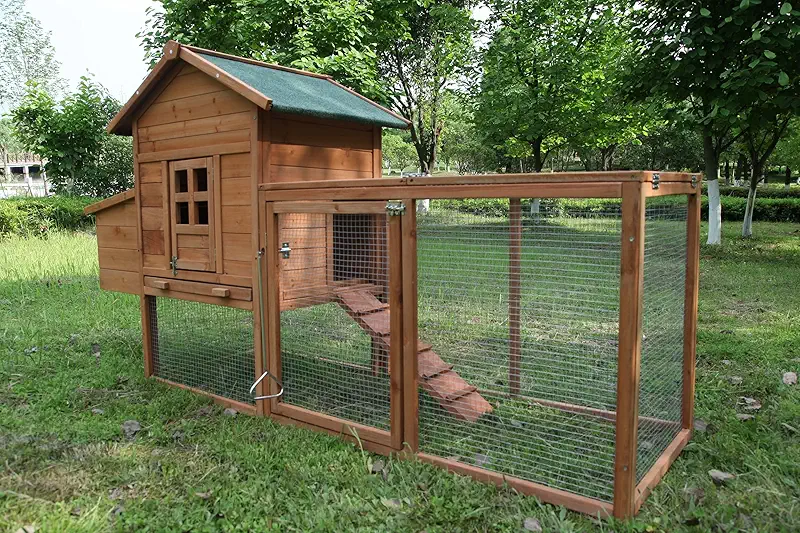
A simple, raised coop with good airflow and an easy-clean layout – the kind that makes morning chores quick instead of grumpy.
Start With Your Flock, Not With the Cute Picture
Whenever you look at new chicken coop ideas, begin with the birds you have or the birds you want. A coop that works for three backyard hens in town is not the same as what you need for a noisy flock of twenty out by the barn.
Here is what I tell neighbors when they start dreaming up their first coop:
- Count birds honestly. You will add more. We always do. Plan extra space from day one.
- Think winter, not summer. Shade is simple. Dry, draft-free birds in January is the real trick.
- Remember future you. You want a coop that tired, cold, early-morning you can clean in ten minutes.
Rule of thumb from my farm: aim for around 4 square feet per bird inside the coop, and about 8–10 square feet per bird in the run if they are not truly free-ranging. Give a little extra if you live where winters are long and rough.
Simple Chicken Coop Ideas That Actually Work
Let us walk through a few coop styles I have used, with the good, the bad, and the “what was I thinking” moments. None of this is theory. It is just what has survived wind, snow, mud, and the occasional raccoon with bad intentions.
The Classic Raised Coop With Run
This is still my favorite style for most small flocks. The coop sits up on legs or a frame, and the hens hang out underneath in a protected run. It keeps the floor dry, lets air move, and adds shade on a hot day.
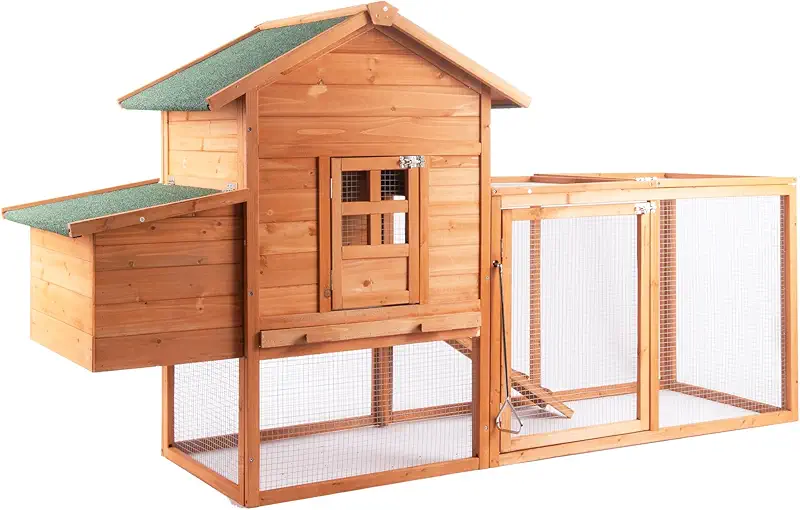
Raised coops give you dry floors, shade under the house, and less bending over to gather eggs – my back thanks me every year.
Why it works on a real farm:
- The floor stays off the wet ground, so bedding lasts longer.
- Predators have a harder time digging in under the walls.
- You can stand outside and reach in, instead of crawling like a raccoon yourself.
The only trouble I ever had was with a coop that was raised, but too low. I had to shuffle on my knees inside to clean the back corners. Do yourself a favor: make sure you can reach everywhere with a shovel or a small rake from the door.
Walk‑In Coops: Great for Your Back
Once I started getting older and stiffer, I fell in love with walk‑in coops. Think of a small shed with roosts and nest boxes along the walls. You step inside, close the door, and the birds are all right there, gossiping about you.

A walk‑in coop feels like a tiny barn: easy to clean, easy to inspect, and a pleasant place to check on your flock.
What I like about walk‑in designs:
- You can hang feeders and waterers off the ground, which keeps things cleaner.
- It is simple to run a light or a heated waterer if you want power inside.
- You see problems faster: sick birds, broken eggs, or that one hen bullying the others.
My first walk‑in coop started as an old lawnmower shed. I added windows with hardware cloth, strong latches, and a pop door that led to a fenced run. It was not pretty, but those hens thought they were living in a hotel.
Mobile Tractor Coops
Tractor‑style coops roll or slide across the grass, giving the flock fresh ground often. I use them for grow‑out birds and meat chickens more than for my main laying hens, but they can work for small backyard flocks too.

Lightweight “tractor” coops shine when you want your birds on fresh grass without risking your garden or flower beds.
Just remember, mobile coops sound fun until the wind hits. My first tractor caught a big prairie gust and tried to head to the next county. I chased it in rubber boots, saying words my grandmother would not approve of. Now I always make sure:
- The frame is strong, and the coop is not too tall.
- There are solid anchors or heavy skids on the ground.
- The wheels can lock or be removed once it is parked.
Key Chicken Coop Ideas for Happy Laying Hens
No matter what style of coop you go for, there are a few things I will always check first. These are the details that keep eggs clean, birds healthy, and chores quick enough that you still have time for coffee.
Good Ventilation Without Drafts
If there is one thing new keepers miss, it is ventilation. Chickens are tough about cold but touchy about damp, stale air. Moisture, ammonia from droppings, and dust can all hurt their lungs.

High vents and screened windows let warm, moist air rise and escape while hens stay cozy on the roosts.
Here is what works well for me:
- Vents up high, above roost level, to let warm, damp air out.
- Windows you can open in summer and shut tight in winter storms.
- Strong hardware cloth on all openings – never just chicken wire.
One winter we closed up a coop too tight, trying to “keep them warm.” The walls frosted up from their breath, and combs started getting frostbite. After that, I left more vent space and used deep bedding for warmth. The birds did much better.
Roosts They Actually Like
Chickens want to sleep up off the ground. In my coops, the roosts are like bunk beds for birds. The trick is to make them stable and not too small.
- I use 2×4 boards turned wide side up, with edges slightly rounded.
- Allow about 8–10 inches of roost space per bird.
- Keep roosts higher than nest boxes, so hens do not sleep where they lay.
When I tried skinny round poles once, the birds kept squabbling and slipping. With wider boards, they settle in like old farmers in church pews – grumbling a little, but everybody finds a spot.
Nest Boxes That Stay Clean
Clean, dry nests mean clean eggs. For most backyard flocks, a ratio of one nest box for every three to four hens does well, though they will all pick the same favorite box and line up like it is the only one in town.

Covered nest boxes with a little lip keep shavings and eggs where they belong, instead of on the coop floor.
Things that make nests work better on my farm:
- A small lip on the front of the box to hold bedding in.
- Shade or a little curtain so the nest feels private and quiet.
- Easy access from outside the coop with a hinged door for gathering.
I also keep a few wooden or ceramic “fake eggs” in the nests. They tell the hens, “lay here,” and they also slow down would‑be egg eaters. Hens are smart, but not quite that smart.
Predator‑Proofing: Ideas From Rough Lessons
If you keep chickens long enough, something will come sniffing around. I have lost birds to raccoons, weasels, and one very bold fox that trotted past me in daylight like he owned the place. Good coop design makes that a lot harder for them.

A sturdy run with buried wire, tight latches, and a solid frame is cheaper than losing birds one by one.
Here are a few predator‑proofing ideas built on hard experience:
- Use hardware cloth, not chicken wire. Chicken wire only keeps chickens in. It does not keep hungry things out.
- Bury wire around the run. I run hardware cloth or welded wire 12–18 inches into the ground or bend it out like an apron.
- Use strong latches. Simple hook‑and‑eye latches are raccoon puzzles. I use two‑step latches or carabiners.
- Block every small gap. If a rat can squeeze through, a weasel is not far behind.
After one raccoon raid, I walked the coop at night with a flashlight, looking for beams of light where air leaked in around doors and eaves. Anywhere I saw light, I imagined claws and teeth, and I sealed it up.
Making Your Chores Easier
I design coops with one main goal in mind: can I take care of these birds every single day without dreading it? If the answer is yes, then everything else is just details.

Big doors, pull‑out trays, and smart feeder placement turn messy chores into quick, simple routines.
Some simple ideas that save me time and my knees:
- A man‑sized door or wide clean‑out door for shoveling bedding.
- Removable roosts and dropping boards for fast scrapes and scoops.
- Feeders and waterers near the door so I am not wading through birds.
- Enough space for the flock you will have in two years, not just this spring.
- Roosts that are higher than nest boxes and easy to reach.
- Ventilation above the birds and solid walls at roost level.
- Predator‑proof doors, locks, and buried or skirted wire.
- A layout that lets you clean the whole coop standing up, not crawling.
When you look at new chicken coop ideas, picture yourself on a dark, rainy Tuesday, not a sunny Saturday. If the coop still sounds good on that rainy day in your head, you are on the right track.