
Real farm experience

Chicken coop images

Chicken Coop Images

You’re looking at chicken coop images and wondering what will really work in your own backyard. I’ve raised laying hens for decades here in the States, through snow, heat, and more than one curious coyote. Let me walk you through these pictures like we’re leaning on a fence together, talking chickens and coffee in hand.

The photos you see here aren’t just “pretty coops.” I’ll show you what to look for in the details: roof lines, doors, nest box height, and little tricks that save you time every single chilly morning.

How to read chicken coop images like a seasoned farmer

When I was a young hand on my dad’s farm, I thought a good coop just had to look cute and keep the rain off. I learned fast that a “cute” coop with poor airflow smells like a wet sock and makes hens sick in a hurry. Now, whenever I study chicken coop images, I run them through a simple mental checklist.

First, I look at the roof and vents. Then the doors and human access. After that, the floor and bedding. Only when those boxes are ticked do I care about trim and paint. Pretty is fine. Healthy birds are better.

Key things I look for in coop photos

  • Ventilation up high, without big drafts at chicken level
  • Dry floor and a way to keep bedding from getting soaked
  • Doors big enough for you to reach every corner
  • Roosts higher than nest boxes, so hens sleep in the right place
  • Hardware cloth on open areas instead of flimsy chicken wire

Any time you are scrolling through chicken coop images and you see low little windows with no wire, or nest boxes right on the floor, my advice is simple: keep scrolling. Your future self, out there in the dark with a shovel, will thank you.

If you like to think in pictures, it helps to compare several coop styles side by side. That’s exactly what you’ll find when you browse more designs. Take your time and imagine yourself doing chores in each one.

Let me compare

What these chicken coop images quietly tell you

Funny thing about photos: they don’t talk, but they tell on folks. I’ve seen polished chicken coop images where you can already see the problems: wet spots by the door, droppings stuck under low roosts, or a feeder knocked over because there’s no good place to hang it.

When I look at a coop picture, I imagine a January morning here on the farm. Wind is sharp, gloves are stiff, and I’m half awake. Can I open that door with one hand? Can I reach the nests without crawling on my knees? Is there room to stand a bucket down without bumping my head? Those are the little daily details that photos can hint at, if you know where to look.
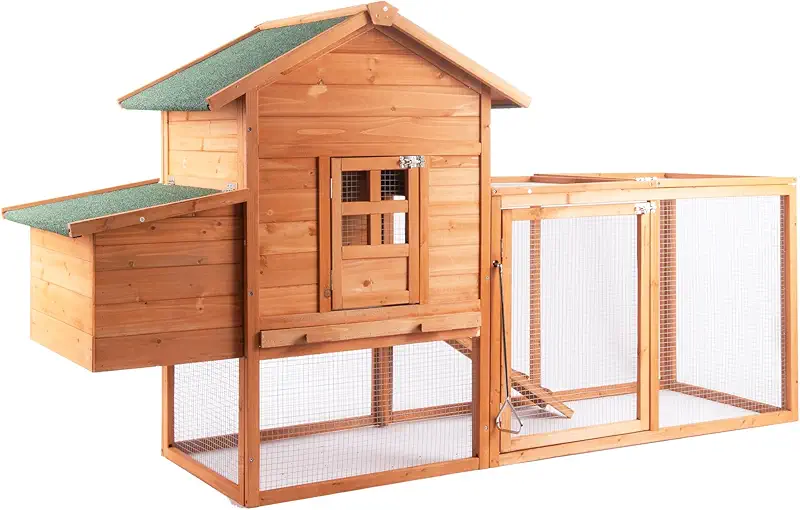
See that image above? Notice the height of the door and where the window sits. Light comes in up high, which is perfect. Hens like a bright coop, but they also like to feel tucked in and safe. Too much glass at chicken level and every shadow makes them nervous.

Reading rooflines and rain patterns

My granddad used to say, “Water always wins.” Any time I look at chicken coop images, I trace in my mind where the rain will go. A steeper roof sheds snow and water better. A little bit of overhang keeps drips off the doorway and the run.

I’ve had coops where the roof dumped water right in front of the door. After a few storms, I turned that area into a mud museum. Every morning I’d lose a boot out there. The hens thought I was dancing for them. Now, if I see that in a photo, it’s a firm “nope” from me.

Feature in the image What I see as a farmer Why it matters to you
Big roof overhang Dry doorway and cleaner run Less mud, fewer slips, easier chores
High vents under roof Good airflow without drafts Healthier lungs and drier bedding
Door at human height No crawling, easy cleaning You’ll actually keep it tidy
Secure latches and wire Predators kept out at night More sleep, fewer worries

Little joke around here: “A good coop keeps your hens safe, but a great coop keeps your back safe too.” When you study chicken coop images, think about your body as much as your birds.

Lessons these coop photos bring back from my own farm

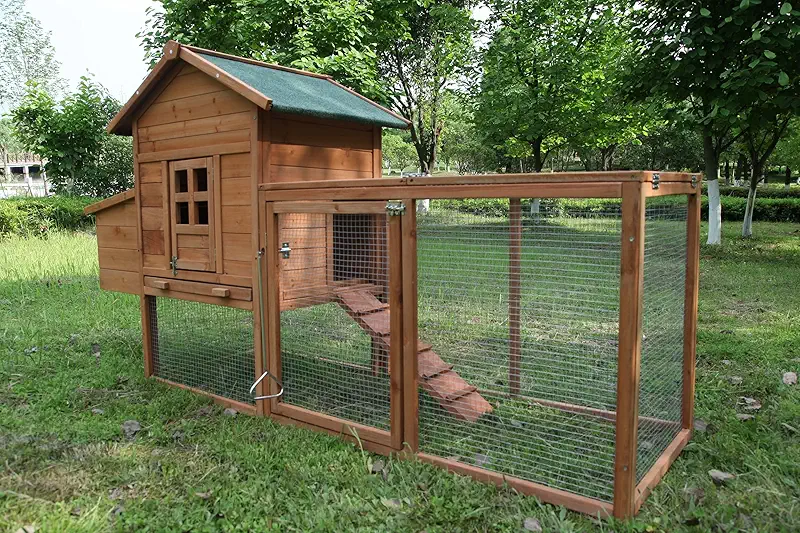
Every one of these chicken coop images reminds me of a story from my yard. That tall coop with the long ramp? I built one like that when I was feeling clever. Looked good in the picture. Then the first icy week hit. Hens came halfway down and just stood there, glaring at me like I’d built a ski jump.

In this image above, the ramp is shorter, and the angle is friendlier. That’s the kind of detail a new chicken keeper might miss. The birds notice, though. A calm, easy climb means fewer pileups and less pushing and shoving at dusk.

Another lesson came from a low, squat coop I threw together years ago. Looked cozy from the outside, and if you took a picture on a summer day, you’d think it was perfect. Come July heat, it turned into a little oven. Now, when I see coops with low flat roofs and tiny vents in chicken coop images, I can almost feel that stuffy air again.

Turning chicken coop images into real eggs in your basket

Pictures can inspire you, but the hens are the real judges. When I look at chicken coop images, I always imagine how my best layers would behave in that space. Hens like routine, comfort, and a bit of privacy when they lay. If the coop in the picture looks cluttered or cramped, I know I’d be hunting for eggs in odd corners.

A good coop image shows three clear zones: a sleeping area with roosts, a laying area with nest boxes, and an everyday living space where feeders and waterers sit. When those areas blend together, you end up with eggs in the bedding and droppings in the nests. Ask me how I know.

What I look for in nest box photos

Nest box shots in chicken coop images are worth studying. I want boxes raised a bit off the floor but not so high grandma’s hens would need a ladder. I like a little lip to keep bedding and eggs from rolling out, and I look for at least one nest for every three or four hens.

Some of my best layers always picked the same box, no matter how many I built. Chickens are like that. But if the coop design only shows one tiny nest and you’re dreaming of a dozen hens, you’re lining yourself up for cracked eggs and crowded mornings.

Letting the images guide your questions

As you keep browsing chicken coop images, let each picture raise a question: “Where does the feed go?” “How do I open that window?” “Where will I stand when I clean this out?” If an image doesn’t answer those questions easily in your mind, it might not be the right fit.

On my farm, the best builds have always been the ones I could picture in full use before I ever picked up a hammer. You can do the same thing just by taking a little longer with each photo, imagining chores on a hot August evening or a cold February morning.

Ready to let these chicken coop images turn into a real home for your flock? Take a slow stroll through more designs, keep these farmer’s notes in mind, and listen to that little voice that says, “Yes, I can see my hens there.”

I can picture this

Chicken coop images – common questions from new keepers

How many hens can I keep in the coop I see in these images?
Most chicken coop images don’t tell you flock size up front, so you have to read the space. As a rule of thumb, I like at least 4 square feet of indoor space per hen, plus 8–10 square feet per hen in the outdoor run. When you study a picture, imagine four hens in a 4×4 box. If the coop looks smaller than that, it’s better suited to a tiny flock than a whole breakfast buffet worth of eggs.
What features should I focus on first when looking at chicken coop images?
Start with the basics: ventilation, predator protection, and ease of cleaning. In the photos, look for high vents or windows with sturdy wire, solid doors with real latches (not just little hooks), and openings big enough for you to reach every corner. Cute flower boxes and fancy trim come last. Your hens won’t care about paint color, but they’ll sure care about fresh air and being safe at night.
Are the coops in these images good for cold climates?
That depends on what you see. For colder areas, I look for chicken coop images with solid walls, small but well-placed vents up high, and no big gaps at floor level. A slightly tighter build with dry bedding is better than a drafty palace. You can always add a tarp windbreak on the run, but you can’t fix a roofline that dumps snow into your doorway. Think “tight but airy,” and you’ll be on the right path.
Do I really need a run like the ones shown in many photos?
I’m a big believer in runs. Free-range is wonderful if your land and predators allow it, but a solid run gives you options. In chicken coop images, you’ll often see coops with attached runs covered on top and wrapped in strong wire. That setup lets your birds scratch, dust-bathe, and sun themselves safely even when you’re not around. On my place, the run has saved many a hen from foxes with bad intentions and good timing.
How can I tell if the coop in the image will be easy to clean?
Easy cleaning starts with access. In the pictures, look for big doors, removable trays or panels, and enough headroom for you to move around. If the only opening you see is a small chicken door, your back’s going to complain. I also like to see smooth interior surfaces and roosts that can be lifted out. Any time you spot those features in chicken coop images, that’s a good sign the designer has done more than just pose for a pretty picture—they’ve done chores too.

Take the next step after the pictures

You’ve spent some time with these chicken coop images, and by now you probably know more than you did when you started. Maybe you can already spot a drafty vent or a muddy doorway just from how the boards line up in the frame. That’s the kind of quiet skill that makes for happy hens and easy mornings.

My last bit of farmer wisdom for you: trust your gut. When you see a picture of a coop and you can clearly imagine your birds, your yard, and your own hands working in that space, pay attention. That feeling has steered me right more than any catalog description ever has.

When you’re ready to move from ideas to real boards and hinges, take another slow look through more chicken coop images. Let the best ones rise to the top, and let your hens—those future egg makers— “vote” in your mind by picturing them walking that ramp and settling on those roosts.

If you’d like to see a wider spread of styles, sizes, and layouts, you can keep exploring all sorts of chicken coop designs right now. Take your time, picture your flock in each one, and see which design makes your mornings feel lighter.

Show me more coops

See all the chicken coops in one place

If you’re like me, you like to lay everything out before making up your mind. One last stop can give you a whole barnyard’s worth of chicken coop images to compare: different footprints, roof styles, and run setups, all lined up so you can look from one to the next and listen to that quiet little “yes” or “not for me.”

When you’re ready, follow your farmer’s instincts and explore the full range of options. Somewhere in that mix is the coop your hens will call home and you’ll be proud to walk out to every single day.

Let me see them all