
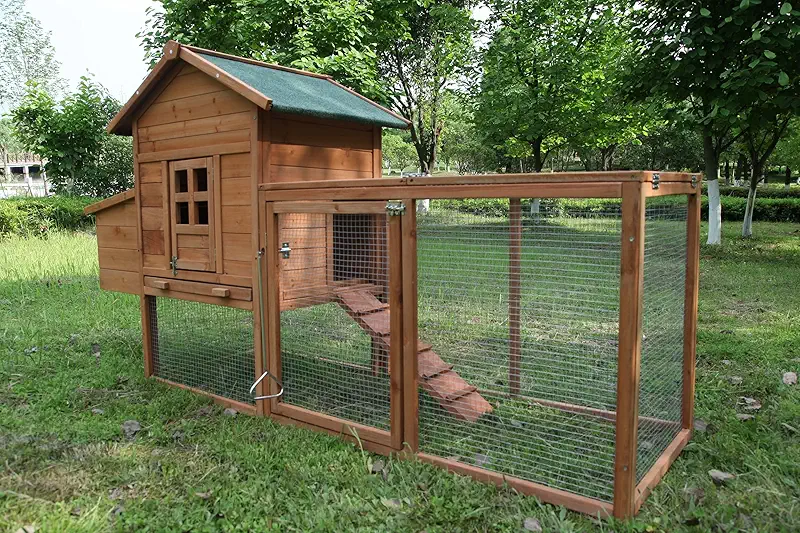
Why the inside of the coop matters more than looks
Back when I started, I was proud of my first little red coop. It looked like something off a calendar: white trim, cute door, even a crooked little window. I figured my hens would be thrilled. They were not. They squabbled, slept in the nest boxes, pooped everywhere, and egg production dropped like a rock.
The trouble was simple: I had focused on how the coop looked from the outside, not how it worked for the chickens inside. Roosts were in the wrong place, nest boxes were too bright, and there was a draft hitting them right in the tail feathers.
Once I fixed the chicken coop inside layout, things changed fast. Hens settled, fighting faded, and the egg basket grew heavy again. That is when I learned: design the inside for chickens first, and for your eyes second. The birds pay the rent with eggs, so they get first say.
The basic blueprint for a good chicken coop inside
Every coop is different, but the basics stay the same. Think of your chicken coop inside like a tiny barn with rooms and jobs:
- One area for sleeping up high (the roosts)
- One quiet corner for nesting boxes
- Open floor space for scratching and moving around
- A spot for feeders and waterers
- Good air flow without cold drafts
When you plan your coop, picture where each of these belongs before you drive a single nail. I even sketch mine on paper first, and I am no artist. The chickens do not mind my bad drawings, they just care the plan works.
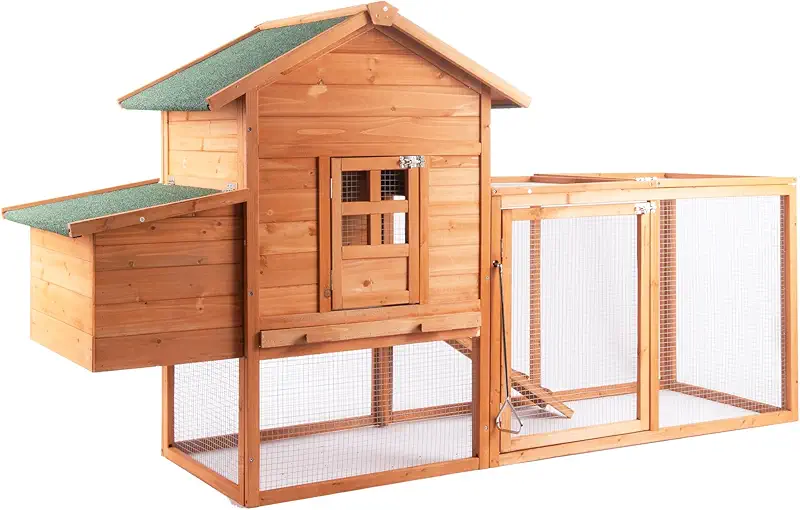
Roosts: where your hens sleep and gossip
At night, chickens want to roost up off the ground. It is in their bones. I have watched my birds fight over the highest spot like kids at a sleepover. If you get the roosts right, your flock sleeps warm, dry, and peaceful.
Height and placement
I like roosts 18–24 inches off the floor for standard breeds. Heavier girls, like Orpingtons, do better a little lower so they do not bang up their legs jumping down. Bantams can handle higher roosts just fine.
Keep roosts higher than the nest box openings, or your hens will sleep in the boxes and turn them into poop buckets. Chickens go for the highest safe spot every time.
Size and material
I prefer a 2x4 board laid flat, wide side up. In cold states, that lets the birds tuck their toes under their bodies and avoid frostbite. Round broomsticks look cute, but they can be hard on feet and get slick.
Give each hen about 8–10 inches of roost space. More is better. I always plan for more birds than I think I will have, because chicken math is real.
One winter I tried packing too many hens on one long roost. They squeezed in like a crowded subway, tempers flared, and the low girls ended up with bare backs. Adding a second roost at the same height solved it overnight.

Nesting boxes: the egg factory inside the coop
A good nest box is like a good porch chair: quiet, comfortable, and out of the wind. If your chicken coop inside nest area feels cozy, hens line up for their turn. If not, they will sneak off and lay under the tractor, under bushes, or wherever makes your life harder.
A simple rule that has worked on my farm for years: one nest box for every three or four hens. They will still share their favorites, but this keeps the line from getting too pushy.
- Size: around 12" wide x 12" deep x 12"–14" tall for most breeds
- Height: about 18" off the floor, lower than the roosts
- Light: dim, but not pitch black; hens like gentle light, not a spotlight
- Privacy: a lip or curtain helps nervous layers feel safer
I add a small front lip to keep bedding and eggs from rolling out, and I always use enough nesting material to make it soft but not so much that eggs disappear.

Bedding and floor: what your boots and their feet feel
A lot of folks only think about what the chickens feel, but remember you are walking in there too. If the floor of your chicken coop inside stays dry, soft, and easy to clean, everyone wins, including your knees and back.
Deep litter or regular cleanout?
I have tried it both ways. With deep litter, you leave a good base of shavings or chopped straw on the floor and keep adding fresh on top. The older stuff under breaks down slowly and gives off a bit of warmth. Once or twice a year, you shovel it all out.
Regular cleanout means thinner bedding and more frequent cleaning. It is tidier, but also more work week to week. Out here, I use deep litter in winter and go a bit lighter in summer.
- Never let the bedding get soggy or smell sharp like ammonia
- Keep waterers from dripping on the floor by raising them a little
- Use a shovel‑friendly surface under the bedding (wood, concrete, or liners)
When friends visit my coop and say, “Huh, this doesn’t smell bad at all,” that’s how I know the bedding is doing its job.
Ventilation: fresh air without a cold breeze
If I could climb up on your roof and fix only one thing, it would be the air. Most new chicken keepers underestimate how important ventilation is inside the coop. Chickens breathe out moisture and drop a lot of manure. With no air flow, that all builds up and causes trouble.
The trick is simple to describe but takes a bit of care to build: let moist air out up high, and bring fresh air in without blowing straight on the birds.
- Put vents near the roofline on opposite sides of the coop
- Cover all vents with hardware cloth, not flimsy chicken wire
- A small window you can open in summer is worth its weight in eggs
- Avoid big gaps at roost height that blast cold air on the flock

One January, before I got smart, I sealed up a coop to “keep them warm.” Within a week, combs started to blacken from frostbite and the smell turned sharp. I cut new vents near the roof, and the birds healed up and perked right back up.
Feeders, waterers, and everyday chores
A chicken coop inside should also be kind to the person taking care of it. Future you will thank today you if you plan the coop around your daily chores.
Where to put feed and water
I like my main feeder in a dry, open space where hens can approach from both sides without shoving. Water goes a few steps away from the feed so they do not splash it into the feeder. In winter, I move water a bit closer to the door so I can swap buckets without tip‑toeing through the whole coop.
- Keep feed off the floor to cut waste and rodents
- Hang waterers or set them on blocks so they stay cleaner
- Leave a clear path from the door to the nest boxes for easy egg checks
I always imagine doing chores on an icy February morning when I lay out the inside. If I can grab eggs, check feed, and glance at all the birds in under five minutes, I know I laid it out right.
Predator safety from the inside out
Most people think of predator proofing as something you do outside the coop, but a smart chicken coop inside plan helps too. I have lost birds to everything from raccoons to weasels, and each loss taught me one more place to tighten up.
- Use hardware cloth on any opening bigger than a pencil
- Build doors that close snug, with two latches if needed
- Cover floor gaps and corners where critters like to squeeze in
- Keep feed in metal cans or tight bins to avoid inviting rodents
I also make sure the inside is easy to check with a flashlight at night. One quick sweep lets me see if something has chewed, dug, or scratched where it shouldn’t. The hens sleep, I sleep, and the coyotes stay hungry.
Keeping hens comfortable through the seasons
A good chicken coop inside should work in July and January without a total rebuild. Where I live we see both sweating summers and freezing snaps, so I have learned to build for all of it.
Summer comfort
In hot weather, the main enemies are heat and stale air. I open every safe vent, flip open the windows with wire between, and keep water in the shade. Inside the coop, I avoid crowding. Too many birds in too small a space will suffer long before you see them panting.
Winter comfort
In winter, people worry about heat more than they should. Dry air and good ventilation protect chickens better than heat lamps in most cases. My roosts are away from doors, and I stack straw bales along the coldest wall. The birds fluff up, tuck their toes, and ride out the night just fine.

Little tricks that make life easier
After enough years of scraping, hauling, and bending, you learn a few small things that make a big difference inside the coop. These aren’t fancy, but they are worth their weight in feed.
- Droppings board under roosts: a simple board you scrape each morning keeps most of the manure out of the bedding.
- Hooks for tools: hang a small rake, brush, and bucket right inside so you do not have to go hunting for them.
- Egg basket shelf: a small shelf near the door for your basket saves you from setting it on the floor and stepping in it. Ask me how I know.
- Head‑bump check: when you are framing, stand up fast under every beam. If you knock your hat off, raise that board.

Planning your own chicken coop inside layout
If you are just getting started, it can feel like a lot: roosts here, boxes there, doors, vents, feeders, predators. But once you break it into pieces, planning a chicken coop inside becomes a straightforward job.
Quick planning checklist
- How many hens do you truly plan to keep?
- Is there at least 3–4 square feet per chicken inside?
- Can you walk inside without ducking and cussing?
- Are roosts higher than the nest box openings?
- Is there good airflow near the roof, but no drafts on roosts?
- Can you reach every corner with a shovel or broom?
- Is feed protected from moisture and from critters?
When I stand in a new coop, I always imagine walking in with a full egg basket in one hand and a feed scoop in the other. If I can move around, see all the birds, and get my chores done without gymnastics, I know that inside is built right.

Questions folks often ask about the inside of a chicken coop
How much space do I need inside the coop per chicken?
I aim for at least 3–4 square feet per standard‑size hen inside the coop, and more if I can swing it. Big breeds and stormy climates do better with extra space, since they spend more time indoors. Tight coops lead to pecking and stress, so I always build a little larger than I think I need.
Should I put food and water inside the chicken coop?
I keep feed and at least one water source inside, especially in winter or when bad weather keeps hens in. In nice weather I also set water outside. Just remember: keep feed dry, off the floor, and close enough to check daily without stepping around obstacles.
How often should I clean the inside of the coop?
I do a quick tidy every day or two, scrape droppings boards, and pick any wet spots. Then, depending on bedding style, I do a bigger clean a few times a year. The real guide is your nose and your eyes: if you smell ammonia or see damp bedding, it is time to clean, not next weekend.
What is the best bedding for a chicken coop inside?
I have had the best luck with pine shavings or chopped straw. They stay fluffy, absorb well, and are easy to rake. I avoid slick materials and anything that molds fast. Whatever you choose, keep it dry and deep enough that droppings disappear into it, not sit on top like frosting.
Do I need electricity inside my chicken coop?
You do not need it, but it sure is handy. A simple light helps with winter chores, and a safe outlet can run a heated waterer where winters are harsh. If you add power, use outdoor‑rated gear and keep cords where curious beaks cannot reach them. I treat electricity in the coop with the same respect I give a bull: useful, but not to be fooled with.
If you are ready to turn these ideas into real lumber and hinges, take a slow look through the different coop setups out there and picture your flock living in them.
I’ll explore coops now