
Chicken coop interior
Chicken Coop Interior: Make Your Hens Feel Right At Home
Simple, field‑tested ideas from a farmer who has shoveled more coops than he cares to admit.
I’ve spent most of my life walking into coops before the sun comes up, coffee in one hand and feed bucket in the other. Over the years I learned something important: a good chicken coop interior doesn’t have to be fancy, but it does have to be smart. When the inside of the coop is set up right, the hens lay steady, stay calm, and you do a lot less cussing at chores time.
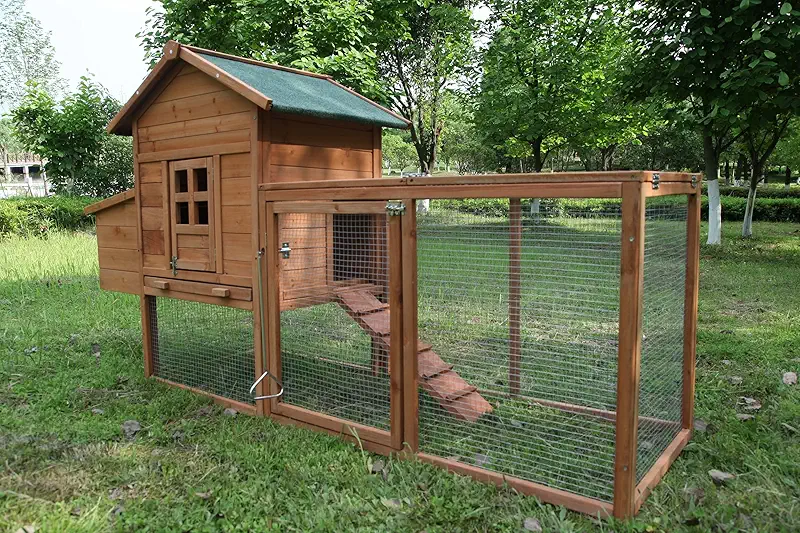
What A Good Chicken Coop Interior Really Needs
Let’s keep this plain and honest. Hens only care about a few things: staying dry, staying safe, staying cool in summer, warm in winter, and having a quiet spot to lay their eggs. Everything inside your coop should serve those simple needs.
I’ve seen coops built like barns and coops built from old pallets and scrap tin. Some looked rough, but the hens were happy because the chicken coop interior was thought through. Others looked pretty for pictures, but inside was a drafty mess. The birds always tell the truth with their laying and their behavior.
- Dry floor and good bedding
- Solid, comfortable roost bars
- Dark, cozy nest boxes
- Fresh air without nasty drafts
- Simple layout for easy cleaning
If your coop smells strong when you first step in, something in the interior is wrong. It should smell like dry wood shavings and a little chicken, not like the back corner of a gas station.
Roosts: Where Hens Sleep And Gossip
At night, hens hop up on the roosts to sleep. That’s their safe place, off the ground and away from trouble. If your roosts are wrong, you’ll know it. Birds will pile in the nest boxes, crowd in corners, or try roosting on anything they can find, including the feeder. I’ve come out more than once and found a hen asleep on the waterer, looking proud and confused.
Here’s what I’ve learned about roost bars over the years:
- Height: About 18–24 inches off the floor works well for backyard flocks.
- Shape: A flat edge about 1.5–2 inches wide lets them grip comfortably.
- Material: Plain wood is best. No metal and no slippery paint on top.
- Space: Plan about 8–10 inches of roost length per bird.
Keep roosts higher than your nest box openings. Chickens like the highest perch. If the nests are higher, they’ll sleep in them, and you’ll be collecting eggs from a pile of manure. Ask me how I know. I learned that lesson on a cold January morning, grumbling the whole time.
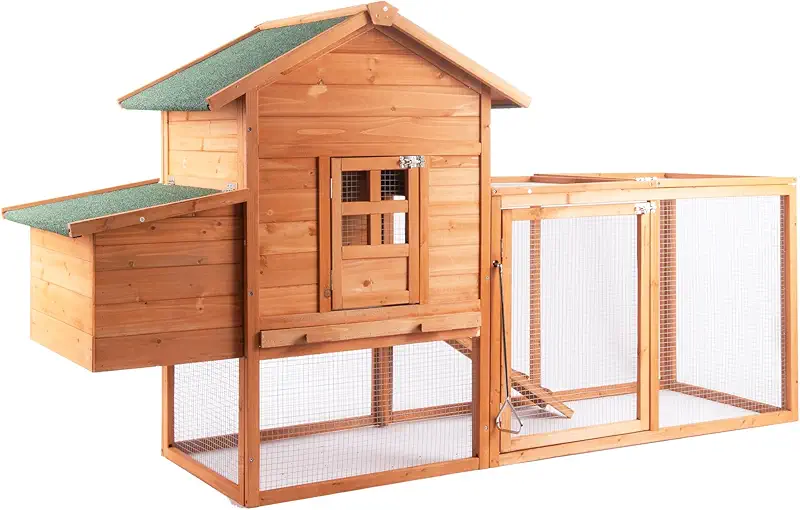
Nest Boxes: The Egg-Laying Office
A nest box is just a dark, snug little room for a hen to mind her own business and lay that egg. If she feels safe, she’ll use the nests every day. If not, she’ll find her own spot, and you’ll end up hunting eggs like an Easter bunny with sore knees.
When I set up nest boxes inside a coop, I focus on three things: size, privacy, and bedding.
Good Nest Box Size And Number
- About 12" wide x 12" deep x 12" high is plenty for most laying hens.
- One box for every 3–4 hens is enough. They like to share their favorite spot.
- Keep nests 18–24 inches off the floor, but lower than the roosts.
Don’t worry if they all crowd into one nest. I had eight hens who lined up for the same box every single morning. Three would cram in while the others waited, yelling about it the whole time. Sounded like a little feathered church choir.
Bedding And Placement Inside The Coop
Use soft bedding like pine shavings or chopped straw inside the boxes. I keep the bedding nice and fluffy and top it up every week. Place the nests on the quieter side of the chicken coop interior, away from doors or heavy foot traffic.

If hens keep scratching bedding out of the boxes, build a little lip, about 3–4 inches high, at the front of each nest. Saves you a lot of sweeping and keeps those eggs cushioned.
Flooring, Bedding, And The Smell Of The Coop
The floor is where most of your work happens. A bad floor stays wet, smells strong, and grows problems. A good floor stays dry and easy to rake. I’ve worked with dirt floors, wood, and concrete. They all can work if your bedding and airflow are right.
Inside the coop I like to see:
- A dry base (wood, packed dirt, or concrete).
- At least 2–4 inches of bedding to start.
- More bedding added over time rather than scraping every little mess.
Many folks use what we call the “deep litter” approach. You keep adding clean bedding on top and let the lower layers break down slowly. Done right, it hardly smells, and your hens get a warm, cushioned floor in winter.
If the coop smells like sharp ammonia when you open the door, you either need more bedding, better ventilation, or both. Your eyes shouldn’t burn when you go in there.

Ventilation: Fresh Air Without Freezing Your Birds
A lot of new chicken keepers worry more about cold than about damp air, but moisture is what really gets birds sick. Your chicken coop interior needs to breathe. I like to say, “drafts at hen height are bad, drafts up high are good.”
Here’s how I set up airflow inside our coops:
- Vents or windows up near the roof line on at least two sides.
- Solid walls at roost height so wind doesn’t blow directly on the birds.
- Hardware cloth on openings, not chicken wire, to keep varmints out.
- A pop door that closes tight at night.
In winter, I close off strong drafts but still leave high vents open. The warm air carries moisture up and out. In the heat of summer, I open everything I safely can. Chickens handle dry cold better than wet cold, and they handle a little heat better if the air moves and there’s shade.

Feeders, Waterers, And Daily Chore Flow
The inside of your coop should work with you, not against you. When I step into a coop, I want to be able to feed, water, and collect eggs in one simple loop without tripping on anything or chasing birds out the door.
I usually plan the layout like this:
- Nest boxes near the door or along one wall for easy egg collecting.
- Feeders and waterers where I can reach them without stepping under roosts.
- Roosts set so manure falls in one main zone I can rake or scoop quickly.
Keep water away from the bedding you’d like to stay dry. I hang waterers or raise them on a little platform. Hens love to kick shavings into the drinker if you let them. I’m convinced they do it just to keep us humble.
For backyard flocks, a narrow coop with nest boxes on one side and roosts on the other keeps the middle open. That gives you a clean path to walk and work.

Cleaning Routines That Don’t Take All Sunday
I’m a big believer in setting up the chicken coop interior so cleaning is quick and boring. If cleaning is a pain, folks put it off. When they put it off, birds suffer. When birds suffer, egg baskets get light. That’s how you know your design missed the mark.
Here’s the routine that has kept my coops in good shape for years:
Everyday Tasks (5–10 Minutes)
- Collect eggs once or twice.
- Top off water and feed as needed.
- Quick look at the floor and roosts for wet or messy spots.
Weekly Tasks
- Add fresh bedding where droppings build up.
- Rake or turn the top layer of litter to keep it dry.
- Wipe down obvious messes near feeders, waterers, and nest edges.
Seasonal Tasks
- Do a deeper clean, removing most of the old litter.
- Scrub roosts and the floor, then let everything dry.
- Check for gaps, leaks, or loose boards inside the coop.

Making The Coop Interior Safe From Predators
A hen that doesn’t feel safe won’t lay right. She’ll stay jumpy, sleep light, and always be on edge. So safety is a big part of a good chicken coop interior.
Here’s what I look for inside and just around the coop:
- Solid walls with no gaps bigger than your thumb.
- Hardware cloth over all openings, stapled tight and backed by wood.
- A sturdy door latch—raccoons are clever little bandits.
- No roosts close enough to windows for predators to reach through.
I’ve had raccoons flip open simple hooks like they were born with keys in their pockets. Now I use latches that need at least two motions to open. Might slow me down a second, but it saves me from painful surprises in the morning.

Frequently Asked Questions About Chicken Coop Interior
For standard laying hens, I like at least 3–4 square feet per bird inside the coop, not counting the run. So a 4x6 foot coop (24 square feet) is comfortable for 6–7 hens. More space is always easier to manage. Tight quarters mean more pecking, more smell, and more work for you.
I usually keep water where the birds sleep in winter so they don’t walk far in the cold, and I keep feed where I can control rodents. In warm months I like feed and water in a covered run, with maybe a backup waterer inside. If you do keep them inside, raise them up a bit and keep them out from under the roosts so droppings don’t land in them.
Pine shavings are my first choice for most small coops. They’re dry, absorb well, and smell decent. Chopped straw can work too, though it can mat down if it gets wet. I avoid dusty sawdust and slick hay. In nest boxes I use the same pine shavings but a little deeper, so eggs settle in soft.
You don’t have to, but a simple light on a timer can help keep eggs coming during the short days of winter. I keep it modest—just enough to give them about 14 hours of total light. Don’t blast them with a bright shop light all night. They need darkness to rest and stay healthy.
That depends on your flock size and bedding style. With deep litter and a normal backyard flock, a full clean-out twice a year works well for me—usually spring and late fall. In between, I keep adding clean bedding, raking the surface, and removing the heaviest messes. If the coop ever smells sharp or stays damp, I don’t wait—I clean then and there.
If you’re ready to look through different setups and find a coop that already has a smart interior, take a quiet minute and browse around.
Show me every coop