
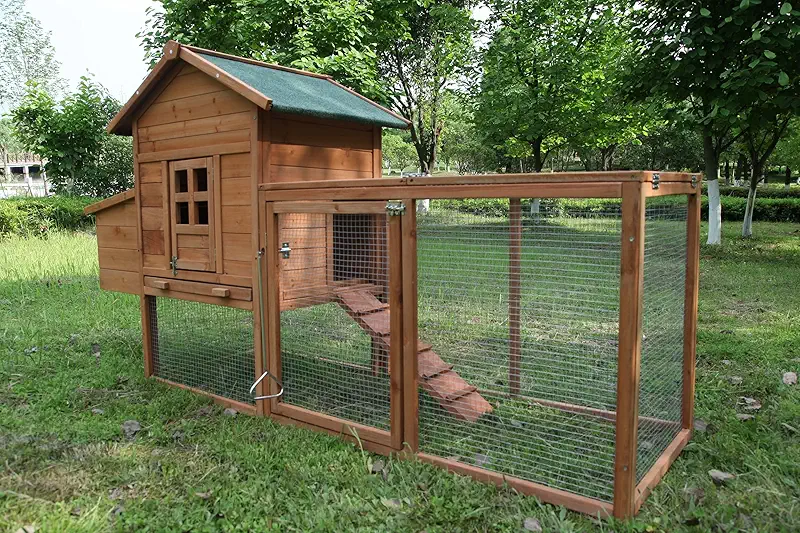
How many hens fit in one chicken coop kit?
The biggest mistake new chicken keepers make is underestimating space. Hens are small, but they live big. They scratch, flap, argue, and announce each egg like they just invented breakfast. A cramped coop turns all that energy into stress, feather picking, and fewer eggs.
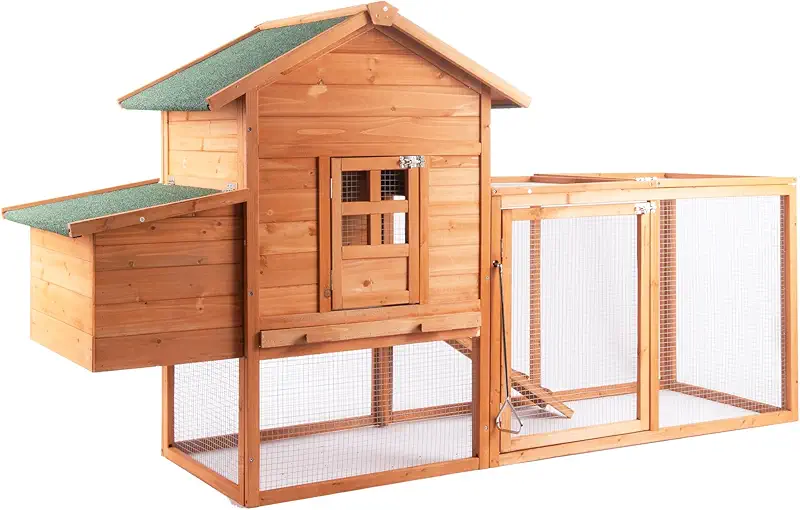
As a rule I’ve used on my own farm:
- 4 square feet per hen inside the coop (minimum)
- 8–10 square feet per hen in the run if they don’t free-range
- 1 nesting box for every 3–4 hens
- 8–10 inches of roost bar per bird
If a chicken coop kit says “for 8 chickens,” I treat that as “comfortable for 4–5 hens” unless the measurements tell a better story. I’ve seen too many boxes advertised for a dozen hens that barely fit six without hard feelings.
Think of it this way: it’s easier to start with a coop a little too big than to tell your kids you have to give away two of their favorite hens because the coop is crowded.
Key features I look for in a chicken coop kit
When I walk around a new coop kit, I don’t care about cute windows or a fancy paint job. I’m looking for three simple things: dry, safe, and easy to clean. If a kit passes those tests, we’re off to a good start.
1. Roof and weather protection
Rain is your biggest quiet enemy. Hens can handle cold better than wet. I’ve seen tough old Rhode Island Reds walking in snow like it was nothing, but give them a damp coop and you’ll deal with frostbite and respiratory trouble in no time.

On any chicken coop kit, I look for:
- Roof with a good pitch so water runs off, not in
- Overhangs that keep rain off the doors and nesting boxes
- Decent roofing material: metal, shingles, or durable panels
- Raised floor to keep the coop off wet ground
2. Ventilation without drafts
I once built a coop that was warm as a thermos but sealed up too tight. Within a month, I had coughing hens and wet walls from condensation. Hens breathe out a lot of moisture; that has to go somewhere.

On a chicken coop kit, I like to see:
- Vents high on the walls to let warm, moist air rise out
- Openings covered with sturdy hardware cloth, not flimsy mesh
- Windows that can be cracked open in summer and closed in storms
- Airflow above the roosts, not right at hen level
If you smell ammonia when you open the coop, your ventilation isn’t enough or your bedding is overdue for a cleanout. Your nose will tell you faster than any manual will.
3. Predator protection
Out here, everything likes chicken: foxes, raccoons, neighbor’s dogs, and a few things that don’t even walk on four legs. A chicken coop kit is only as good as its weakest latch.

I test hardware this way: if I can open a latch with two fingers and no thought, a raccoon can open it with two paws and plenty of motivation.
Strong kits usually have:
- Real hardware cloth (¼" or ½"), not chicken wire alone
- Solid latches that clip or lock, not just slide
- Doors that close snug with no big gaps
- Wire skirt or buried mesh around the run to stop diggers
4. Easy cleaning and egg collecting
A coop can look charming on the outside and be a back-breaker to clean on the inside. I like chicken coop kits that assume I’m not 20 years old and limber anymore.

On a good kit, I look for:
- Large access door where I can reach the back corners
- Removable roosts or droppings tray for quick cleaning
- Nesting boxes reachable from outside without crawling inside
- Floor with no deep cracks for mites and filth to hide
My favorite coop kits let me scoop, scrape, and re-bed in under 20 minutes. Less time cleaning means more time enjoying the hens instead of muttering at them.
Wood vs. metal vs. plastic chicken coop kits
I’ve had about every kind of coop material you can think of. Each one has its own personality, like different breeds of hens.
Wooden chicken coop kit
What I like
- Natural look that fits right into the yard
- Easy to repair, add hooks, or fix sagging doors
- Warmer in winter if built right
- Simple to insulate if you live where winters bite
What to watch for
- Needs paint or sealant now and then
- Cheaper wood can warp or swell in heavy rain
- Mites like hiding in cracks if you don’t keep up with care
Metal and plastic chicken coop kits

What I like
- Often lighter and easier to move for pasture rotation
- Clean surfaces that don’t soak up droppings
- Good for very wet climates that rot wood fast
What to watch for
- Can get hot in direct sun without shade
- Metal corners can be sharp if not finished well
- Some cheaper kits feel flimsy in strong wind
In my yard, combination setups — wood frame with metal roofing, or sturdy plastic panels on a wood base — have stood up best. Strong bones, easy-to-clean skin, you might say.
Setting up your chicken coop kit the smart way
Where you place your new coop matters almost as much as which kit you pick. A great coop in a bad spot is like parking a pickup in a swamp.

Here’s how I choose a spot and set things up:
- High, dry ground. If water pools there after a storm, pick another spot.
- Morning sun, afternoon shade. East-facing works well in most places.
- Close to water and feed. You’ll thank yourself on icy mornings.
- Near the house, not right under the bedroom window. Roosters have opinions at dawn.
When assembling the chicken coop kit, lay all the parts out first, just like the directions say but we all try to skip. I’ve rushed assembly on a windy evening and paid for it later when doors didn’t line up.
Daily care to keep hens laying steady
A good chicken coop kit gives you the structure, but your daily habits make the difference between stressed hens and a relaxed, steady-laying flock. Hens are creatures of routine, like old farmers and morning coffee.
My daily routine
Here’s the simple pattern I’ve used for years:
- Open coop and check everyone is up and moving
- Fresh water in the morning, quick look at feeders
- Short scan for droopy wings, coughing, or limp walking
- Egg collection once late morning, once before dusk
- Quick rake or top-up of bedding where it’s messy
Doesn’t have to be fancy. Your hens mostly need the same things you do: clean water, decent food, fresh air, and a place to sleep without getting rained on.
Winter and summer adjustments
In winter, I worry more about drafts and damp than cold. In summer, I worry about shade and water. A good chicken coop kit makes both seasons easier.
In winter, I:
- Block direct drafts at roost height while keeping top vents open
- Use dry bedding and clean often to keep ammonia down
- Add a board in front of the roost so toes are tucked under feathers
- Check combs for frostbite on the coldest mornings
In summer, I:
- Open every safe vent and window I can
- Provide extra water pans around the run
- Create shade with tarps or shrubs if the run bakes in full sun
- Collect eggs more often so they don’t cook in the boxes
You’ll figure out what your birds need by watching them more than by reading about them. If they’re all panting with wings held out, it’s too hot. If they’re huddled in a corner in a tight ball, you’ve probably got a draft or a chill.