
Chicken coop kits for 10-15 chickens
Chicken Coop Kits For 10-15 Chickens
If you are planning a small backyard flock of 10–15 laying hens, the right coop kit makes life a whole lot easier. I have raised more hens than I can politely count, through blizzards, heat waves, and one very persistent raccoon. Let me walk you through what really matters when choosing chicken coop kits for 10-15 chickens, so your birds stay safe, dry, and laying strong.
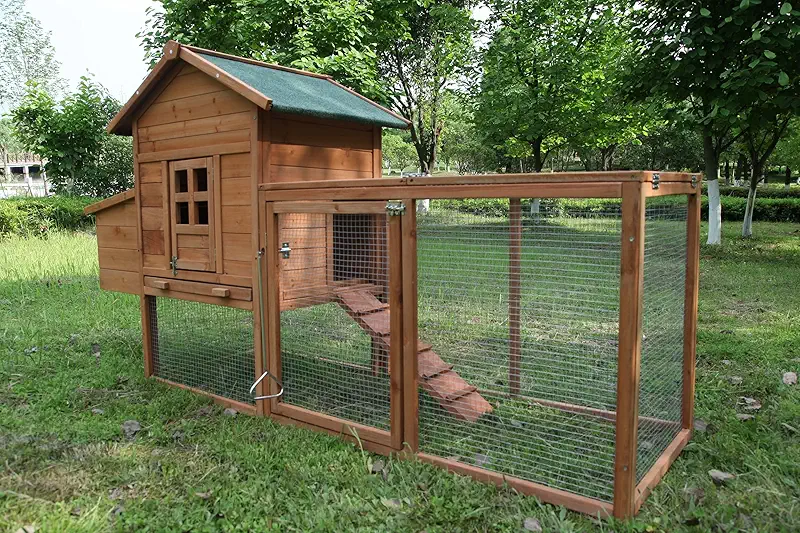
Quick size checklist for 10–15 hens
- Indoor coop floor: 40–60 ft²
- Outdoor run: 100–150 ft² minimum
- Roost space: 10–15 linear feet
- Nest boxes: 4–6 solid, raised boxes
- Dry, draft-free, well ventilated
When a coop kit already checks these boxes, your daily chores feel lighter, and your hens stay calmer and healthier.
Let me see optionsHow much space do 10–15 laying hens really need?
Out on my place, I learned early that crowded hens are cranky hens. When birds don’t have enough room, they pick feathers, fight over feeders, and stop laying just to spite you. With chicken coop kits for 10-15 chickens, space is the first thing I look at.
Inside the coop, I like at least 4 square feet per bird. Ten hens can manage with 40 square feet, but if I’m planning for 15, I aim closer to 60. That extra room gives me space for feeders, a waterer, and a corner for deep bedding. Hens don’t read the brochures about “minimum requirements,” but they sure will show you if you’ve shorted them.
Outside in the run, more is always better. For 10–15 hens, 100–150 square feet is a good starting point. My main layer flock runs in a fenced yard with grass, bushes, and a few old pallets leaned up for shade. I call it “farm chic.” The hens just call it home.
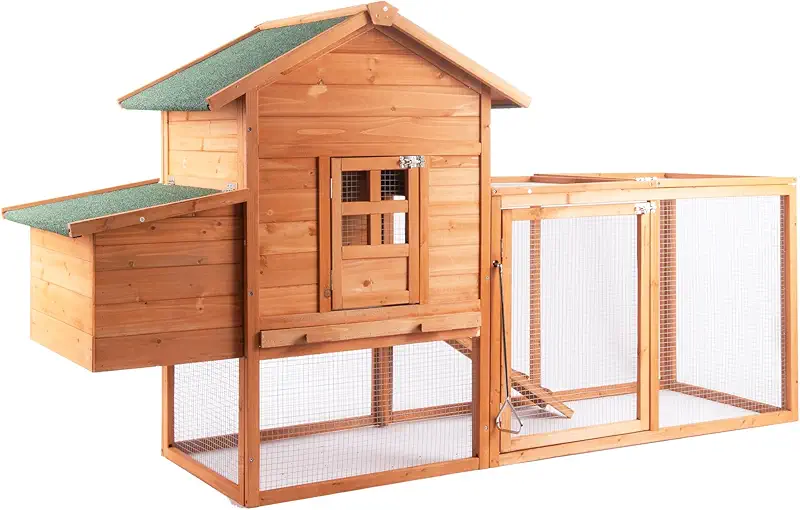

Remember, the kit is just the start. I often add a simple extension panel or a small covered run to most chicken coop kits for 10-15 chickens. A few treated posts and some wire can turn a “just big enough” kit into a roomy, long-term setup.
Roosts, nest boxes, and layout that actually works
A coop can look pretty in pictures and still be a pain to live with. I have crawled on my knees through more tiny chicken doors than I care to remember. Layout matters, both for the birds and for the poor soul collecting eggs in the rain.
Roosting bars: where hens sleep
Hens like to sleep up off the ground. For 10–15 birds, I aim for at least 10–15 linear feet of roosting bar, about 8–10 inches per bird. I use 2×4 lumber turned wide side up, so their feet stay flat in the cold. Round poles look nice, but flat roosts keep toes from freezing when the wind howls.
In a good kit, the roost bars are:
- Higher than the nest boxes, so hens don’t sleep in the nests
- All at a similar height to reduce squabbles
- Far enough from walls so tails don’t smear the siding
One winter, I tried squeezing too many birds on a short roost. The boss hen took the best spot, two juniors tried to squeeze in, and the whole bar turned into a feathered traffic jam. Lesson learned: give them room.
Nest boxes: quiet spots for eggs
For chicken coop kits for 10-15 chickens, four to six nest boxes is perfect. You don’t need one box per hen; they will all argue over the same two boxes no matter how many you give them. It’s chicken law.
Good nest boxes should be:
- About 12×12 inches for standard hens
- Dark and quiet, away from the door
- Raised off the floor but lower than the roosts
- Easy for you to reach without bending in half
I line my boxes with pine shavings and a bit of straw, then toss in a fake ceramic egg at first. Once one hen decides a box is safe, the others usually follow. Chickens are not big on independent thinking.


When you look at any kit, picture yourself doing chores: can you reach the nest boxes from outside? Is there room to set down a bucket inside? Can you stand up, or will you be banging your head every morning before coffee? Those little details decide whether you love your coop or just tolerate it.
Predator protection for your 10–15 hens
Out here, everything likes chicken. Raccoons, foxes, coyotes, neighborhood dogs, hawks, owls, you name it. One weak spot in a coop kit, and you will find out the hard way. I lost my first batch of pullets to a raccoon that figured out a loose latch. Since then, I treat predator-proofing like a serious job.
When I check chicken coop kits for 10-15 chickens, I look for:
- Solid wood frame, not flimsy trim that flexes
- Real hardware cloth (½-inch metal mesh), not thin chicken wire alone
- Doors that close snugly with strong latches, not little hook-and-eye toys
- Roof that can’t be peeled back by a determined critter
On my runs, I always run hardware cloth at least 18 inches down or bent out on the ground, forming an “apron.” Coyotes and foxes love to dig. The apron convinces them to go look for lazier people’s chickens.


I also like coops where the pop door is easy to open and shut every night. I tell new keepers this: nothing good happens to chickens after dark outside the coop. Lock them up, and sleep easy.
Ventilation, bedding, and cleaning: the “barn smell” secrets
A coop for 10–15 birds builds up moisture and ammonia fast. If you open the door and your eyes sting, your birds’ lungs are taking a beating. Your coop should smell like warm straw, not like a gas station restroom.
Ventilation without drafts
Good chicken coop kits for 10-15 chickens have vents high up under the eaves, plus windows you can open in summer and close in winter. The idea is to let moist air drift out the top, while the birds stay out of direct wind at roost level.
- Vents up near the roofline on two sides
- Window or vent on the sunny side for fresh air
- Hardware cloth behind all vents to stop predators
I live where winters are cold, and folks often worry that vents will chill the hens. In truth, damp air is the real enemy. I’d rather have a well-ventilated coop at 10°F than a sealed-up sweat box at 25°F.
Bedding and cleaning routine
With 10–15 hens, you will build up manure quickly. My favorite system is deep bedding: I start with a few inches of pine shavings or chopped straw, and keep adding dry material over time. A couple of times a year, I do a big clean-out and haul the old bedding to the compost pile.
A few simple habits keep life easy:
- Scrape droppings from roost boards once or twice a week.
- Add a fresh layer of shavings whenever the floor looks damp.
- Rake the run occasionally to break up bare, muddy spots.
- Keep waterers high enough so bedding doesn’t get soaked.
I keep a small metal scoop and a bucket hung right by the coop door. If you handle small jobs as you go, you almost never face a nasty mess. That’s true with chickens and with most things in life.
Year-round comfort for 10–15 hens
Your hens don’t get to visit the house when the weather turns rough, so your coop has to be ready for all seasons. When I’m picking chicken coop kits for 10-15 chickens, I try to imagine our worst weather: wind-driven rain from the west, summer heat that melts the paint off the truck, and a snowstorm that sneaks up on a Sunday night.
Cold weather
Chickens handle cold better than we do, as long as they stay dry and out of drafts. I like solid walls, a tight roof, and plenty of dry bedding. I block big gaps at roost height, but keep those high vents open. On the coldest nights, my hens puff up like feathered basketballs and ride it out just fine.
Hot weather
Heat is harder on hens than cold. When the thermometer climbs, your layers need shade, airflow, and cool water. I favor kits with:
- Windows or doors that can be opened securely
- A roof overhang or attached run roof for shade
- Light-colored roofing to reflect summer sun
One August, on a real scorcher, I rigged a cheap box fan outside the run and aimed it through the wire. The hens lined up in front of it like folks in front of an ice cream truck. Simple airflow makes a big difference.

Rain and mud can be just as troublesome. If your kit has a covered run area, that’s gold. If not, you can add a simple roof panel off one side and lay down gravel or wood chips to keep feet out of the muck.
Daily care routine for 10–15 laying hens
Once your coop is set, the daily rhythm is pretty simple. My birds have trained me well. Mornings start with coffee in one hand, feed bucket in the other.
With 10–15 hens, here’s a steady routine that works:
- Morning: Open the pop door, top off feeders, give fresh water, quick look-over of the flock.
- Midday: Toss kitchen scraps or a little scratch, check for eggs if you like.
- Evening: Collect eggs, close pop door, quick headcount on the roost.
It’s amazing how fast hens settle into the pattern. I once forgot to shut the coop door after a long day of haying. Around midnight I jolted awake, threw on boots, and ran out expecting chaos. The girls were all on the roosts, half-asleep, glaring at me for turning on the light. A possum was circling the outside run, deciding if tonight was his lucky night. It wasn’t. Since then, I close that door like clockwork.
A well-designed kit makes every one of those chores easier: doors that open wide, latches at a comfortable height, and enough space to move without tripping over a feeder.
FAQ about chicken coop kits for 10-15 chickens
1. What size coop do I need for 10–15 chickens?
I recommend at least 4 square feet of indoor space per bird, so 40–60 square feet inside the coop. For the run, aim for 100–150 square feet or more. If a kit claims to hold 15 birds but looks tiny in the photos, trust your gut, not the marketing.
2. How many nest boxes should I have?
For a flock of 10–15 hens, four to six nest boxes are plenty. The old rule of thumb is one box for every three or four hens. Mine still argue over their favorites, usually the exact same two boxes, no matter how many I build.
3. Do I need to insulate a coop for 10–15 hens?
Most of the time, solid walls and deep bedding are enough. Chickens wear down coats year-round. Insulation helps in very cold climates, but ventilation is even more important. I worry more about drafts at roost level and damp bedding than about adding insulation.
4. Can chicken coop kits be upgraded or extended?
Yes, and I almost always add something. With chicken coop kits for 10-15 chickens, it’s common to add a bigger run, an extra roof over part of the yard, or stronger wire. The kit gives you a solid starting point; a few simple upgrades turn it into a long-term home.
5. Are coop kits sturdy enough for predators?
Some are, some are not. That’s where your eyes and hands come in. Look for strong framing, real hardware cloth, and solid latches. If something looks flimsy, assume a raccoon will find it. I’ve learned it’s cheaper to add a bit of wire and lumber up front than to replace lost hens later.