
Chicken coop kits for 10 chickens
Chicken Coop Kits For 10 Chickens
I’ve raised laying hens for more years than I care to count. If you’re planning a flock of about ten birds, chicken coop kits for 10 chickens can save you a lot of time, sweat, and “I wish I’d thought of that sooner.”
Let me walk you through what really matters in a coop for ten hens: space, safety, egg production, and easy daily chores.
Pull up a chair, friend. I’ll share what’s worked on my own farm, the mistakes that made me mutter under my breath, and how to spot a coop kit that will serve you and your birds for years.
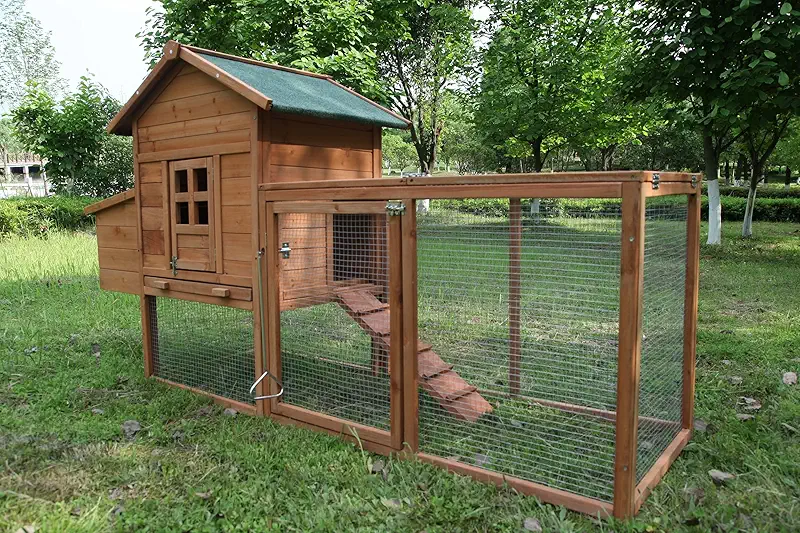
How much space do 10 hens really need?
On paper, the numbers look simple. In real life, chickens don’t read the rules. They shove, flap, argue, and pick favorite corners. That’s why I always tell new keepers to treat the “rules” as the bare minimum, not the goal.
For chicken coop kits for 10 chickens, here’s the simple math I use on my own farm:
- Indoor coop space: 4 square feet per bird → about 40 square feet total
- Outdoor run space: 8–10 square feet per bird → 80–100 square feet total
- Roosting bar length: 8–10 inches per hen → 7–8 feet total
- Nest boxes: 1 box for every 3–4 hens → 3–4 nest boxes
If a kit claims to hold “10–12 chickens” but the floor is closer to 25 square feet, I treat that as a red flag. Sure, you can cram them in. You can also wear boots two sizes too small. Both ideas end badly.
On my place, whenever I gave the hens more room than the label suggested, I saw calmer birds, fewer pecking issues, and cleaner feathers. Extra space costs a little more up front, but it saves you from dealing with bored, crabby chickens later.
Walk-in vs low-profile chicken coop kits
One of the first real-world choices you’ll face is simple: do you want to stand up inside your coop, or crawl around like you’re looking for lost keys under the truck seat?
Walk-in coop kits
These are tall enough for you to step inside. For ten hens, this style is my personal favorite. When I hit my fifties, I promised myself I was done crawling into tiny coops. My knees sent me a thank-you card.
- Easy to clean with a shovel and rake
- Simple to inspect birds on the roost at night
- Better airflow up high, away from the hens
- Room to hang feeders and keep things dry
Low-profile coop kits
These are the small house over a run that you can’t walk into. They’re cheaper and often look cute as can be. I’ve used a few of these, and they can work if you’re okay with more bending and crawling.
- Good for tight yards or smaller flocks
- Often easier to assemble and move
- Need more attention to ventilation and cleaning
- You’ll spend more time on your knees than you may like
If your budget allows, a walk-in coop kit sized for ten birds is worth serious thought. I always remind folks: you’re not just buying a house for the chickens, you’re buying your own daily workspace.
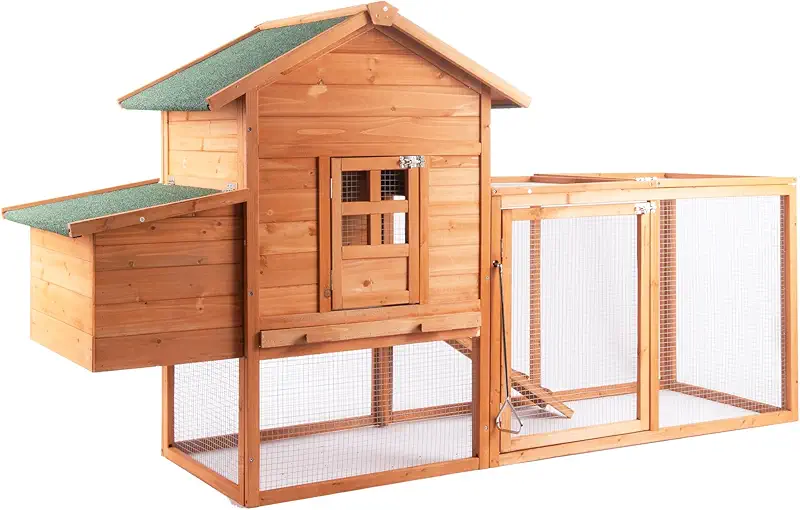
Whatever style you choose, picture yourself on a rainy, icy morning with a feed bucket in one hand. If you can still reach everything easily in your mind, the layout is probably good.
Ventilation, drafts, and keeping birds healthy
I learned the hard way that a coop can be “warm” and still be unhealthy. Years ago, I built a snug little coop for my first serious flock. It held heat well, but it also held moisture and ammonia. The birds started coughing, and my eyes burned every time I opened the door. I had tried to keep them cozy and instead made them a damp little gas chamber.
When you’re looking at chicken coop kits for 10 chickens, here’s what you want in the ventilation department:
- High vents: Openings up near the roof so warm, moist air can escape
- Protected openings: Vents covered in sturdy hardware cloth to keep out critters
- No direct drafts on roosts: Air should move above or away from where hens sleep
- Windows you can adjust: Great for summer airflow and closing down in storms
These days, I’d rather have a coop a bit cooler but dry and fresh-smelling than one that’s “snug” but damp. Birds handle dry cold better than cold plus moisture. My winter rule is simple: if it smells strong to me, it’s worse for them.

Look closely at kit photos and descriptions. If you can’t see obvious vents or windows, assume you’ll have to add some yourself with a saw, drill, and a bit of patience.
Predator-proofing a coop for 10 hens
Let me tell you about the night I lost three of my best layers. I had a cute little coop with flimsy wire and a latch that might as well have had a neon sign saying “Raccoons: Free Buffet.” One night, they figured it out. I walked out in the morning to feathers and silence. That’ll stick with a person.
Since then I’ve treated predator-proofing like locking the front door of the house. For chicken coop kits for 10 chickens, here’s what I consider non-negotiable:
Good signs in a coop kit
- Hardware cloth (small square wire) instead of thin chicken wire
- Solid wood or metal doors with strong hinges
- Secure latches that need a firm hand, not easily nudged open
- Buried or skirted wire around the run to stop digging predators
- Heavy roof panels that can’t be peeled back
Warning signs
- Tiny, flimsy staples holding wire on
- Lots of plastic parts where strength really matters
- Doors that only slide without a latch
- Large gaps under doors or between boards
- Advertising focused only on “cute” looks
Remember, you aren’t just keeping chickens in. You’re keeping everyone else out: raccoons, foxes, neighborhood dogs, weasels, even rats. I sleep a lot better when I know it would take more than a curious raccoon to get that door open.

If a kit looks good but is a little weak in spots, you can always plan to reinforce it with extra screws, locks, and stronger wire. I’ve “upgraded” more than one ready-made coop with a box of hardware from the shed.
Roosts, nest boxes, and the comfort of your hens
After a long day of scratching and gossiping, your hens want two things: a solid perch and a quiet spot to lay tomorrow’s breakfast. The inside layout of chicken coop kits for 10 chickens makes a big difference in how peaceful the flock feels.
Roosts done right
I like roosts made from 2x3 or 2x4 lumber, turned so the flat side is up. Hens can sit with their feet flat and cover their toes with feathers in winter. Round dowels look nice but are harder for them to grip as they age.
- Give each hen 8–10 inches of roost space
- Keep roosts higher than the nest box rims
- Leave a little headroom so they don’t bump the ceiling
- Place them where droppings are easy to clean out
Happy nest boxes
Picture where you’d want to nap if you were a hen: dark, quiet, and dry. That’s your goal. For ten hens, three or four nest boxes is perfect. Any more and you’re just making extra places to clean.
- Boxes about 12x12 inches work well for most breeds
- Position them lower than the roosts to avoid bedtime crowding
- Make sure you can reach them from outside or from a wide door
- Use straw, wood shavings, or nesting pads and keep them fluffed

On my farm, I found that if nest boxes were too bright or too near the door, hens started laying in corners instead. Once they pick a favorite “wrong” spot, convincing them otherwise is like arguing with a teenager.
Flooring, bedding, and cleaning routines
Every glossy photo of a coop looks spotless. Give it a week with ten hens and you’ll see the truth. Good flooring and bedding make the difference between “five-minute chore” and “why did I ever start this?”
Choosing a floor type
You’ll see different floor styles in chicken coop kits for 10 chickens:
- Solid wood floors: Common and workable, but they need protection from moisture and droppings.
- Wire floors: I’m not a fan for full-time living. Tough on feet and messy under the coop.
- Plastic or metal trays: Great for sliding out droppings, especially under roosts.
On my main coop, I painted the floor and then laid down a thick layer of pine shavings. For ten hens, I do a regular cleaning, then a deeper clean when the seasons change.
Bedding and the “deep litter” idea
Some folks use the deep litter method: layering bedding and letting it compost in place over time. It can work well for ten hens if you’re careful about moisture and ventilation.
- Start with a good base of dry shavings
- Add fresh material on top as it gets dirty
- Stir it every week or so to keep air moving
- Clean out fully when it starts to smell or get wet

I also keep a metal bucket and a small shovel in the coop. If I’m walking by with a cup of coffee, I’ll scoop a few spots. Those little five-minute habits keep things from turning into a full afternoon of shoveling.
Run size, shade, and boredom busters
Ten hens will mow down a small bare run faster than you’d think. A good coop kit gives them space to move, but it’s on you to make that space interesting and safe.
Run layout for 10 birds
When you look at chicken coop kits for 10 chickens, check that the attached run or enclosed area is more than just a narrow hallway. Birds need room to flap, dust-bathe, and get away from pushy flock-mates.
- 80–100 square feet of run is comfortable for ten hens
- Look for at least one solid roof section so they have dry ground during rain
- Some shade is crucial in hot weather
- Check that you can walk into the run or easily reach all corners
Keeping hens busy
A bored chicken is like a bored child: they start picking on someone. I toss in simple things:
- Old tree branches to climb on
- A low platform or stump for the boss hen to rule from
- Hanging cabbage or treat balls once in a while
- Fresh straw to scratch through

These little touches don’t cost much, but they keep the peace. I like my hens busy with their own business, not plotting to rearrange the pecking order every afternoon.
Assembly tips for chicken coop kits
If you’re anything like me, you’ve wrestled with flat-pack furniture and sworn you’d never do it again. Coop kits are similar, just with more wood and fewer tiny Allen wrenches.
When I put together chicken coop kits for 10 chickens, here’s what I’ve learned:
- Lay out every piece first and make sure nothing is missing.
- Pre-drill holes if the wood looks like it might split.
- Use your own outdoor screws; they’re often stronger than what’s included.
- Seal or paint exposed wood before the first storm rolls in.
- Have a second pair of hands for the larger wall and roof panels.
The first time I assembled a larger kit, I rushed it at dusk. I ended up with the roosts on the wrong side and had to take the whole thing apart two days later. Now I build slowly, with daylight and coffee.

Think of assembly as the first time you really get to know this little building. As you put it together, imagine your daily routine: where you’ll stand, where the feeder hangs, how the door swings. If something feels awkward now, fix it before the birds move in.
FAQ about chicken coop kits for 10 chickens
1. How big should a chicken coop be for 10 chickens?
For ten laying hens, I like to see at least 40 square feet inside the coop and 80–100 square feet in the run. More is always better if you have the room. Many kits are labeled for more birds than I’d ever keep in them. If a coop says “up to 12–14 chickens,” I usually treat it as comfortable for 8–10.
2. How many nest boxes do I need for 10 hens?
Three to four nest boxes is perfect. Hens will share, and they’ll probably all decide the same box is “the good one” anyway. I’ve had ten hens line up for one box while three others sat empty. That’s just chickens being chickens. Focus more on making the boxes cozy, dark, and easy to reach than on having a huge number of them.
3. Can I keep 10 chickens in a small urban backyard coop kit?
You can, but you have to be honest about space, noise, and your local rules. Check your ordinances first. Then measure your yard with a tape, not just your imagination. Ten hens in a tiny run will chew the grass down to dirt fast, and bored birds get loud. If you’re tight on space, consider a smaller starting flock and a coop kit that’s easy to move so they can graze new spots.
4. Do I need electricity or heat in a coop for 10 chickens?
Most healthy laying hens don’t need heat as long as the coop is dry, draft-free at roost level, and well-ventilated up high. I’ve raised birds through Midwest winters with no heaters, just good housing. Electricity can be handy for lights, heated waterers, and tools, but it isn’t a must. If you do run power, treat it like you would in a barn: safe cords, no loose wires, and everything out of pecking range.
5. How long will a chicken coop kit last?
That depends on materials and how you treat it. A well-built wooden kit that’s painted, kept off wet ground, and occasionally tightened up can easily serve you 5–10 years or more. Cheap, thin wood left bare in the weather can start sagging after a couple of seasons. I look at coop kits the way I look at a good pair of work boots: spend a bit more now, take basic care of them, and they’ll carry you a long way.
If you’re picturing fresh eggs on the breakfast table and a calm flock scratching in the yard, you’re already halfway there. A solid coop is the backbone of that little dream.
Show me the coops