
Chicken coop kits for sale
Chicken Coop Kits For Sale – straight talk from a farmer who’s cleaned more coops than he cares to admit.
I’ve been raising laying hens here in the States since before some of my neighbors were out of diapers. Over the years I’ve hammered together coops out of scrap wood, old pallets, and once even the frame of a pickup truck bed. These days though, I’ll tell you something honest: good chicken coop kits for sale have made life a whole lot easier.
If you’re just getting started with hens, or you’re tired of chasing warped boards around the yard, a solid kit can save your back, your time, and a whole lot of “why on earth did I do it that way?”
Let me walk you through how I look at chicken coop kits, what really matters for egg-laying hens, and the small details that keep your birds safe, dry, and laying steady.
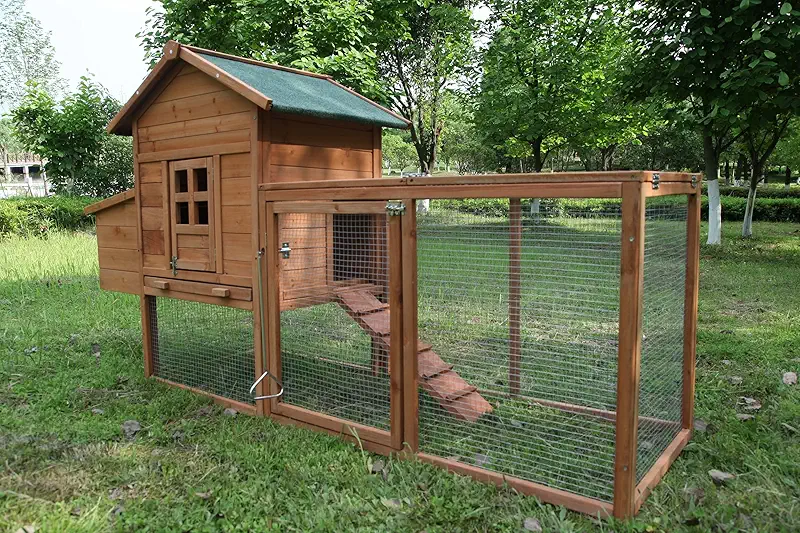
What I look for in chicken coop kits for sale
When I scroll through pages of chicken coop kits for sale, I don’t care much about cute windows or fancy paint. I look for the same things my granddad did: strong wood, dry bedding, safe birds, and a coop that doesn’t turn cleaning day into a wrestling match.
Here’s how I size up a kit before I’d ever let my hens move in.
1. Realistic capacity (not what the box says)
Manufacturers love to say “up to 8 chickens” on a coop that I wouldn’t put more than 3 hens in. Hens need space to hop on the roost, fluff their feathers, and get out of each other’s way. Crowded hens get cranky, pick at each other, and stop laying.
- For standard laying breeds, I plan for about 3–4 square feet per hen inside the coop.
- In the run, I like 8–10 square feet per hen, more if they’re confined all day.
- If the box says 8 chickens, I mentally cut that number in half.
Down the road, you’ll probably want “just a few more hens,” so it doesn’t hurt to go a size up. I’ve never once said, “Boy, I wish this coop was smaller.”
2. Solid construction and weather protection
Out here we see blistering summers, sideways rain, and the kind of winter wind that makes you question your life choices. A flimsy coop doesn’t just blow over; it soaks up water, warps, and lets drafts whistle right over your hens’ backs.
When I look at chicken coop kits for sale, I pay close attention to:
- Framing: I want real lumber, not toothpick-thin strips.
- Roof: A good slope and solid panels so snow and rain slide off instead of pooling.
- Feet: Anything that keeps the base off bare ground helps with rot.
- Hardware: Hinges, latches, and screws that look like they can survive a few seasons.
3. Ventilation without drafts
New chicken keepers worry about cold. Old chicken keepers worry about damp. Moisture in a coop is the real enemy, not a bit of cold air.
A good coop kit has vents up high, where warm, moist air can escape without putting a breeze right across the roosts. I like to see:
- Openings under the roof overhang.
- Windows or vents you can close down partly in winter.
- Strong wire or mesh over all openings.
If I feel the air move at my face while I’m standing up inside, that’s fine. If I feel it at roost height, I start thinking about blocking drafts with extra boards.
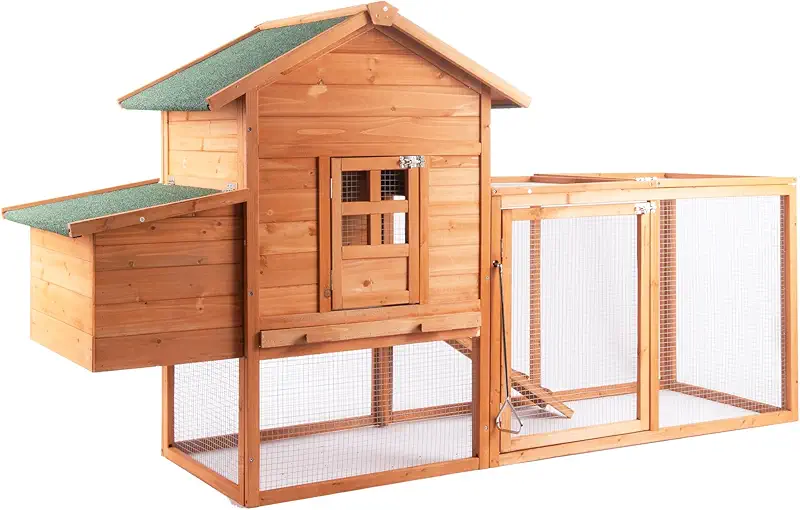


Keeping your laying hens happy in a kit coop
A coop kit is just the shell. Your hens don’t care where the boards came from. They care if they feel safe, dry, and respected as the little egg machines they are.
Here’s how I set up any new coop kit so my layers settle in fast and start filling that nesting box.
4. Nesting boxes that feel like a hideout
Hens like a quiet, dark, cozy spot to lay. If your nesting boxes are bright and open, you’re likely to find eggs in the corners, under the ramp, and once I even found one tucked in my tool bucket.
- One box for every 3–4 hens is plenty. They’ll pick favorites and argue over the same box anyway.
- Make sure the boxes are lower than the roost bars, so hens don’t sleep in them.
- Add a nice lip on the front so bedding and eggs don’t roll out.
I use straw or pine shavings and keep them fluffed up. A soft landing means fewer cracked eggs and less cussing from your side of the coop.
5. Roost bars at the right height
Hens are like kids in a bunk bed; everybody wants the top spot. Roost bars give them a safe place to sleep up off the floor, away from damp and droppings.
In most chicken coop kits for sale, the roosts are included, but I still check:
- Is there enough space for all hens to sit shoulder to shoulder, with a bit of breathing room?
- Is the bar wide enough for them to rest flat-footed, not gripping like a parrot?
- Can my biggest hen hop up without needing a running start?
If the roost is too low or awkward, I’ll pull it out and put in a 2×3 board with the wide side up. Simple, cheap, and the birds love it.
Predator protection: the part you can’t ignore
Out here we’ve got raccoons, foxes, hawks, neighborhood dogs, and a weasel I’m convinced is smarter than me. If there’s one thing I’ve learned, it’s this: predators test your coop every night, whether you see them or not.
When I think about chicken coop kits for sale, I look for designs that give me a head start on predator proofing.
Wire and mesh
Thin decorative wire won’t slow down a raccoon. I like to see strong metal wire on the run and vents. If the kit uses lighter mesh, I’ll often add a layer of hardware cloth around the bottom three feet.
Latches and doors
Raccoons can work a simple latch like they’re opening a snack drawer. I prefer latches that need two motions: lift and slide, or push and twist. On my coops, I usually add a carabiner to night doors, just for peace of mind.
Floor and digging predators
Foxes and dogs don’t bother with locks. They go under. On lighter kits, the run is often just wire on the sides, open on the bottom. That’s fine as long as you think ahead.
- Lay hardware cloth flat on the ground around the coop like a skirt and cover it with soil or gravel.
- Or sink a wire apron 8–12 inches down at an angle.
- For small backyard setups, some folks build on blocks or a raised platform.
I used to think this was overkill until I woke up to a tunnel right up to the edge of my coop. No losses that night, but it convinced me in a hurry.


Daily life with hens in a kit coop
Once the shine of “new coop day” wears off, you’ll discover the truth most of us farmers learn: it’s not the big jobs that wear you down, it’s the little chores done over and over.
That’s why, when I’m looking at chicken coop kits for sale, I picture my future self hauling feed buckets, waterers, and a rake. If that future self groans just imagining it, the coop’s wrong for me.
Easy access for cleaning
I like coops that let me get both arms inside without turning into a contortionist. Big doors, removable trays, and roofs that lift up are blessings when it’s time to scrape and refresh bedding.
On my favorite small kit, I can open a side door and pull out a dropping tray right under the roost. Five minutes and the worst of the mess is gone. That keeps smells down and the air fresher for the hens.
Feeders, waterers, and routines
Your coop kit won’t usually include feeders and waterers, but the layout matters. I try to keep:
- Water in the run where it stays cleaner.
- Feed inside or kept dry under a covered area.
- Walk paths clear, so I’m not stepping in mud twice a day.
Think about where you’ll stand when you open the coop in the morning and close it at night. If you can reach everything without climbing or bending like a circus act, you’ll enjoy your birds more.
Choosing the right chicken coop kit for your situation
Not every coop fits every life. A family on a small suburban lot has different needs than someone with a few acres and a barn cat named Smokey. When I help friends pick chicken coop kits for sale, I start with a few simple questions.
How many hens and what breeds?
If you’re planning on a handful of classic layers like Rhode Island Reds or Barred Rocks, you’ll want a sturdier build than someone keeping three little bantams. Bigger birds need more elbow room and stronger roosts.
Ask yourself:
- How many eggs do we actually eat in a week?
- Am I okay with extra eggs to share or sell?
- Do I want room to grow the flock later?
Climate and location
Up north where winters bite, I care more about drafts and snow load. Down south, I worry about heat and shade. A coop that bakes in the sun all day can be rough on hens in July.
Look for:
- Good roof overhang for rain and sun.
- Plenty of ventilation that you can adjust seasonally.
- A spot with natural shade where possible.
Your time and building comfort
Some of us love a weekend project with a drill in hand. Others just want it done without cussing at a pile of boards. Most modern chicken coop kits for sale go together with basic tools, but there is still a range.
If you’re not handy, pick kits with clear instructions and pre-drilled holes. It’s better to enjoy the build than to swear your way through it and scare the neighbors.


FAQ about chicken coop kits for sale
Ignore the flashy number on the box and think about comfort. For standard laying hens, I like 3–4 square feet per bird inside the coop and 8–10 square feet in the run. If a coop kit claims it holds 6 hens, I’d call it a good home for 3 or 4. Your birds will be calmer, cleaner, and far more productive that way.
Most healthy hens handle cold far better than damp. In many U.S. climates, you don’t need insulation as long as the coop is dry and draft-free at roost height. I focus on blocking strong winds, keeping bedding dry, and making sure there’s good ventilation up high. If you’re in a place with serious cold, you can add foam board on the outside walls and cover it so the hens don’t peck at it.
That depends on the wood, the weather, and how you treat it. Cheaper, thin kits left unpainted might last just a few seasons. A solid kit, assembled well, sealed or painted, and kept off soggy ground can easily give you many years. I’ve got one kit coop on its eighth season now, with just a few boards replaced and a new coat of paint.
Some kits are decent right out of the box, but I always assume I’ll add a few upgrades. Stronger wire on the lower part of the run, better latches, and a ground apron against diggers are common additions. Think of the kit as a solid starting point, then toughen it up for the critters in your area.
You can keep a coop kit right on the ground, but wet soil and standing water will shorten its life. I like to set coops on blocks, pavers, or a bed of gravel so the base can dry out after rain. Your hens will still scratch, dust-bathe, and hunt for bugs, but the wood won’t sit in mud all winter long.
Bringing it all together
If you’ve read this far, you’re already ahead of half the folks hunting for chicken coop kits for sale. You’re not just chasing the cutest picture; you’re thinking about what your hens actually need and what will make your daily chores smoother.
A good coop kit should give you:
- Enough space for the flock you have and the birds you’re dreaming about.
- Strong wood, tight joints, and a roof that laughs at rain.
- Ventilation that keeps the air dry without chilling your hens.
- Predator protection that lets you sleep at night.
- An easy setup and easy cleaning, so you still like chickens next year.
Raising laying hens has been one of the quiet joys of my life. The sound of soft clucking in the morning, a still-warm egg in your hand, that feeling when you see a hen dust-bathing in the sun like she doesn’t have a worry in the world—that’s worth choosing the right home for them.
Take a little time to look through different chicken coop kits for sale, picture your yard, your climate, and your future flock. Pick something your hens will thank you for in their own way, with steady eggs and calm, happy behavior.
When you’re ready to see what’s out there and find a coop that fits your birds and your back, take a slow look through the different options available.
Show me every coop