
Chicken Coop Kits With Runs
Chicken Coop Kits With Runs – Simple Setups For Happy Hens
After a few decades raising laying hens through snow, mud, heat waves and coyotes, I’ve learned one thing: a good coop with a safe run makes life easier for both the birds and the farmer. Let’s talk about how chicken coop kits with runs can give your hens room to scratch, dust bathe, and lay steady eggs without turning your whole yard into a battlefield.
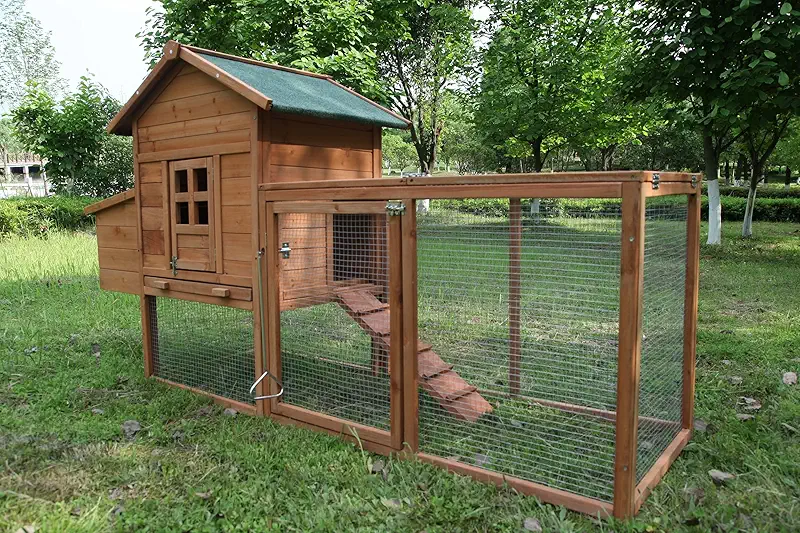
Why Chicken Coop Kits With Runs Make Sense
I grew up on a small U.S. farm where we hammered together coops out of whatever lumber was laying by the barn. Some of those old coops worked, and some of them… well, let’s just say the fox had some good nights. These days, chicken coop kits with runs save a lot of headache. They come with the core parts you need: a sleeping area, nesting boxes, doors, and an attached run so the birds can stretch their legs without wandering into the neighbor’s flower beds.
When folks ask me how to get started with backyard layers, I usually point them toward a simple kit with a run. It keeps the project small enough to finish in a weekend and big enough that the birds are not cramped. You don’t need to be a carpenter. If you can follow basic directions and keep track of screws, you can put one together.
What I Look For In A Coop Kit With Run
When I walk around a new coop setup, I look for a few key things. I don’t start with how pretty it is. I start with what the hens will notice on a hot July afternoon or a freezing January night.
1. Enough room per bird
For laying hens, I aim for about 4 square feet per bird inside the coop and at least 8–10 square feet per bird in the run. More is better. Crowded birds pick on each other, break feathers, and stress out. Stressed hens don’t lay well and get sick easier.
If a kit says it’s for “6–8 hens,” I usually treat that as “4–5 hens” in real life. A lot of marketing folks think chickens are smaller than they really are. A full-grown Rhode Island Red is a stout lady.
2. Solid frame and hardware
Predators are patient. Raccoons have more free time than either you or me. When I check a kit, I look at the frame joints, the hinges, and the latches. Thin wood and toy-sized latches don’t last long in coyote country.
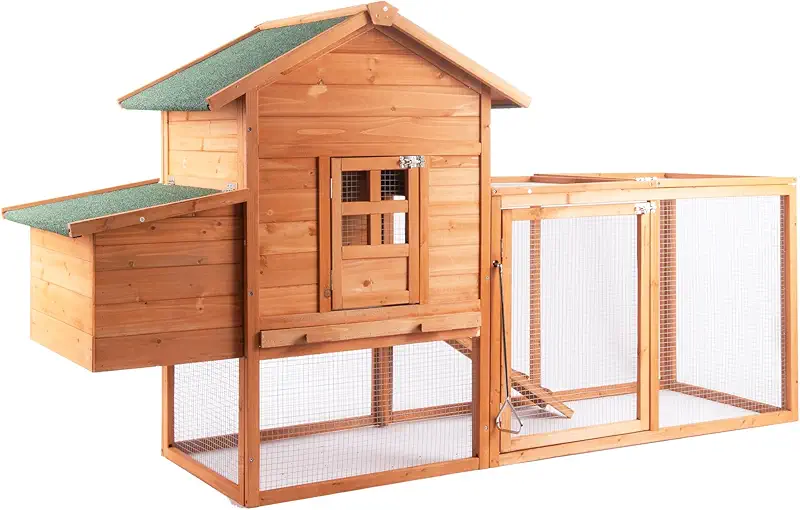

3. A roof that can handle weather
I’ve seen thin, cheap roofs peel and sag after one rough season. If you get snow or heavy rain, look for a coop roof with a good pitch and decent panels. Water should run off fast, not sit and soak into the wood. Leaky roofs lead to mold and cranky hens.
4. Ventilation without drafts
Chickens breathe out plenty of moisture. If the coop doesn’t have vents up high, the air gets damp, and frostbite shows up on combs and wattles when the thermometer drops. Chicken coop kits with runs should have vents that let air out up top, but not blow directly over the roosts.
5. Easy doors and access
You’ll be in and out of that coop every day. Make sure the doors swing clean, the latches line up, and you can reach the nesting boxes without having to crawl like a toddler. I like external nest box lids that lift up from outside the run, especially in muddy seasons.
How Many Hens For Different Coop Kit Sizes
Folks ask me all the time, “How many chickens can I keep in this thing?” The honest answer is, “Less than the box claims, if you want them calm and healthy.” Here’s a simple way I explain it when neighbors stop by the farm with questions.
| Approx. run size | Comfortable number of hens | Best for |
|---|---|---|
| Up to 40 sq ft | 3–4 standard hens | Small backyards, starter flocks |
| 40–70 sq ft | 5–7 standard hens | Families wanting steady eggs |
| 70–100+ sq ft | 8–10+ standard hens | Serious backyard egg production |
Bantams can handle a bit less space, heavy heritage breeds often need a bit more. And if the birds are locked in the run all day, don’t skimp. Give them room to scratch and dust-bathe. Happy hens spend their time hunting bugs, not each other.
Setting Up A Chicken Coop Kit With Run – Step By Step
I still remember the first pre-made kit I built. My wife handed me the box and said, “If you can assemble tractors, you can handle this.” She was right, but only just. Here’s how I set up chicken coop kits with runs these days, without swearing at the instruction sheet.
1. Pick a good spot
I like a spot with morning sun and afternoon shade if I can get it. Gentle slope for drainage, not a swamp. Keep it closer to the house than you think: you’ll appreciate that on dark winter evenings with a bucket of feed in one hand.
- Avoid low, soggy parts of the yard.
- Face the main opening away from prevailing winds.
- Leave walking space around at least two sides if possible.
2. Lay out all the pieces
Open the boxes, lay out the panels, sort the hardware. When I skip this step, I always regret it. Check for damaged parts before you get halfway done. If something is cracked or missing, better to know early.


3. Square up the base
If the base isn’t square, doors won’t close right and panels won’t line up. Measure corner to corner like an “X.” When both diagonals match, you’re square.
4. Anchor it down
Strong wind can treat a light coop like a sail. I’ve chased one across the yard before, and it’s not something I care to repeat. Use ground anchors, screw-in stakes, or set the legs on blocks and tie it down. If you’ve got dogs or coyotes, that extra strength matters.
5. Add your own touches
No kit comes perfect for every farm. I usually:
- Add extra latches on doors and nest boxes.
- Line the lower part of the run with hardware cloth, not just poultry netting.
- Hang a waterer and feeder up off the ground to cut down on mess.
Keeping Predators Out Of The Run
Out here, everything wants a taste of chicken: raccoons, foxes, stray dogs, hawks, even the neighbor’s “friendly” lab. A chicken coop kit with a run gives you a head start, but you still need to think like a hungry raccoon at midnight.
Use hardware cloth where it counts
I love chicken wire for what it is, but it’s not predator-proof. It keeps chickens in better than it keeps trouble out. Around the lower part of the run, I use half-inch hardware cloth fastened tight. Raccoons can reach through big gaps and grab sleeping birds.
Bury an apron around the run
I’ve seen coyotes dig like crazy when they smell chickens. One simple trick that works well: lay a 12–18 inch strip of wire flat on the ground all around the run, fasten it to the bottom, and cover it with a little soil or gravel. When a predator starts to dig, it hits that wire apron and usually gives up.
Lock up before dark
Most predators are night workers. Make a habit of closing the coop door at dusk. If your schedule is wild, you can look into automatic coop doors. I still like to walk out myself, listen for the contented clucking, and do a quick head count.
Daily Care For Laying Hens In A Coop With Run
Once the coop kit is built and the run is secure, the real fun begins: daily hen chores. It doesn’t have to take long. I can care for a small flock in about ten minutes a day, plus a little extra on weekends for cleaning.
Morning routine
- Open the pop door (if it’s not automatic).
- Check water level and refill with fresh, cool water.
- Top off feed; I like to keep it in a hanging feeder.
- Glance at each bird – bright eyes, clean feathers, normal walking.
Hens are creatures of habit. When something is off – a bird off to the side, tail lowered, not interested in breakfast – I pay attention. Catching problems early saves birds.
Evening routine
- Collect eggs (I usually check once at midday too).
- Close and secure the coop door as the sun drops.
- Listen for any fussing or unusual noise in the run.


Simple cleaning schedule
Chickens don’t read cleaning charts, but they sure benefit from them. Here’s what works for me:
- Every few days: rake the run, break up wet spots, add dry bedding if needed.
- Weekly: scrape droppings from under roosts, add fresh shavings.
- Seasonally: full clean-out, scrub surfaces with a mild, safe cleaner, let dry well.
Dry, fresh-smelling bedding is my best friend for healthy birds. If you open the coop and your nose complains, the hens are already uncomfortable.
Encouraging Strong Egg Laying In A Coop With Run
A good coop and run set the stage, but feed, light, and routine keep the eggs coming. My family has relied on egg money more than once, so I pay attention to every little factor.
Nesting box setup
I prefer one nesting box for every 3–4 hens. They’ll still argue over the same favorite box like kids over the best couch spot, but the extra space helps. I line nests with clean shavings or straw and keep them level and slightly dimmer than the rest of the coop.
Feed and grit
A quality layer feed with the right calcium level is worth the cost. Soft-shelled eggs tell me I need to add more calcium, so I keep free-choice crushed oyster shell available in a separate dish. I also make sure they have access to grit if they aren’t on natural ground.
Light and routine
Chickens lay best with consistent daylight. Short winter days can slow them down. Some folks use supplemental light to keep production steady. If you do, add a low-wattage light on a timer for the early morning hours, not late at night, so the birds can still settle naturally at sundown.
Most important of all is calm, steady routine. Same feeding times, same gentle voice, same secure coop and run. Birds may look simple, but they notice every little change. Keep their world steady and they’ll repay you in eggs and quiet clucking.
Little Lessons I’ve Learned About Chicken Coop Kits With Runs
After helping neighbors set up more kits than I can count, a few patterns keep showing up. Maybe they’ll save you a headache or two.
- Overbuild if you can. A few extra screws, stronger latches, and better wire now are cheaper than rebuilding after a raccoon party.
- Plan for mud. Chickens and rain make mud, guaranteed. Gravel or wood chips in high-traffic spots around the run can keep it from becoming a swamp.
- Shade beats fancy. A simple shade cloth over part of the run during summer makes hens happier than any cute trim you could add.
- Keep the hose close. Being able to rinse waterers and scrub a corner of the run without hauling buckets across the yard is worth thinking about ahead of time.
- Start smaller than your dreams. It’s easy to say “I’ll get 20 hens.” Start with a good coop kit and a modest flock. You can always add more birds later, but only if you still enjoy taking care of them.

FAQ – Chicken Coop Kits With Runs
If you’re still reading, chances are you’re serious about giving your hens a good home. A well-chosen chicken coop kit with a safe run can spare you a lot of trial and error, and it can keep your birds content through all four seasons.
Take your time, think about your yard, your weather, and how many birds you truly want to care for every single day. Then pick a setup that fits the life you actually live, not the one on a magazine cover. Your flock – and your future self – will thank you.