
Why a simple ramp can make or break your egg basket.
Chicken coop ladder
Out here on the farm, I have learned one thing the hard way: if your hens hate the chicken coop ladder, they will tell you with empty nest boxes. A good ladder is not fancy, but it keeps your girls confident, safe, and laying steady. Let me walk you through what years of muddy boots and early mornings have taught me about getting that little ramp just right.
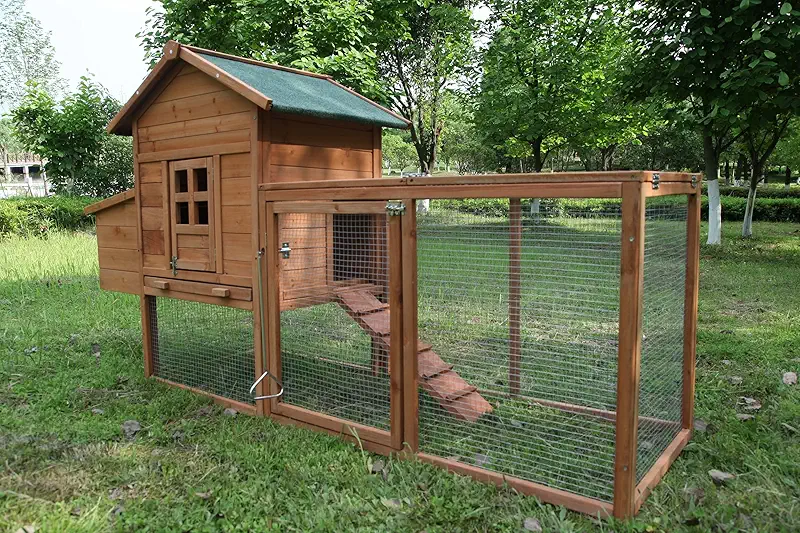
Why the chicken coop ladder matters more than you think
When folks first start with laying hens, they think about breeds, feed, and how many eggs they will get. That is all good. But those hens will not lay well if they do not feel sure-footed going in and out of the coop. The chicken coop ladder is their front porch, their driveway, and sometimes their little stage for showing who is boss.
Years ago, I slapped together a steep ramp with skinny little steps, proud as could be. Looked fine to me. My hens took one look, fluffed their feathers, and decided they would rather sleep under the coop. I spent half the evening crawling on my knees in the dark, gently scooping grumpy birds and carrying them up. That is when I realized: if the ladder is wrong, the whole coop feels wrong to them.
Since then, I pay real attention to how my chickens move. Old hens, heavy breeds, and young pullets all need a gentle path. When the chicken coop ladder is solid, wide enough, and not too steep, they march up at dusk like little feathered soldiers. Less chasing, less stress, and more eggs. Simple as that.
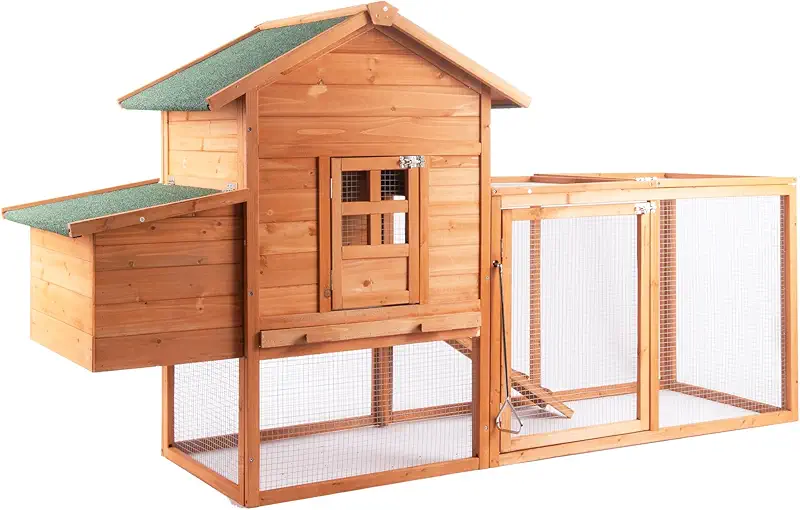
Getting the angle and length right
Think about how you would feel climbing a ladder after a long day in the field. Too steep and your knees complain. Chickens are the same way, just shorter and with more attitude. A comfortable chicken coop ladder usually sits somewhere between a gentle ramp and a modest stairway.
If your coop door is high off the ground, do not be shy about giving the ladder more length. A longer ladder means a softer angle. I once shortened a ladder because I wanted more room to park the wheelbarrow. The hens looked like they were trying to climb a wall. My old Rhode Island Red, Big Betty, just stood at the bottom, yelled at me in chicken language, and refused to go up until I fixed it.
As a rule of thumb, if you see your hens flapping hard to climb up, or sliding a bit on the way down, your chicken coop ladder is probably too steep or too smooth. You want them walking, not flying or skiing.
Watch your flock at sunset. If they hesitate at the base of the chicken coop ladder, pile up under the door, or try to hop straight into the coop, that is your sign the ladder needs adjusting.
Let me see optionsWidth, steps, and spacing: what hens actually like
Chickens are braver than they look, but not when it comes to narrow or wobbly paths. A good chicken coop ladder gives them space to turn, pass each other, and argue a bit on the way up without falling off.
How wide should a chicken coop ladder be?
I like a ladder wide enough for two hens to stand side by side. That way, when the boss hen stops halfway up to declare herself queen of the ramp, the others can still move around her. A narrow ladder turns every evening into a traffic jam with lots of pushing and feather-pulling.
Heavier breeds, like Orpingtons or Brahmas, really appreciate that extra room. Their bodies are like feathered bowling balls. Give them a decent runway and they will use it without fuss.

Step spacing and grip
Now let us talk about the little cleats or steps on the chicken coop ladder. Those are what keep your birds from sliding. I like to space mine so that a hen can comfortably stand on one with her whole foot, with the next one not too far ahead. If they have to stretch like they are climbing a mountain, they will slip.
I once made the mistake of using smooth boards without cleats. Looked pretty. Bad idea. The first rainy day, my younger pullets came down that ramp like kids on a playground slide. Nobody got hurt, but it sure got loud. Since then, every ladder gets solid, evenly spaced cleats and a surface that gives a bit of grip.
The key is consistency. If every step feels the same under their feet, they relax. When birds relax, they eat well, rest well, and lay better. That is the quiet secret inside a simple chicken coop ladder.
Safe materials for a chicken coop ladder
You do not need fancy lumber to make a good chicken coop ladder, but you do need the right kind. Think sturdy, safe, and something that will not turn into a skating rink when it rains. Untreated wood is usually my choice for surfaces the hens touch all the time. I keep the heavy chemicals away from their feet and beaks.
If you want extra grip, a lightly textured surface is your friend. Just do not get carried away with roughness. I tried a too-rough scrap board once, and the hens looked offended, like I had made them walk on gravel barefoot. They used it, but they complained the whole way up and down.

Whatever you use, keep an eye on rot, splinters, and nails that work loose over time. Chickens will not tell you with words when they get a sore foot. They just limp a little, then stop using the ladder as much. A quick check each week saves a lot of trouble and vet bills later.
Some store-bought coops come with a chicken coop ladder that is more decorative than useful. If it flexes, wobbles, or feels like a toy when you press on it, do not trust it with a full-grown hen. That bird might only weigh a few pounds, but the shock when she jumps can be more than a flimsy ladder can handle.
Helping young pullets learn the chicken coop ladder
Young pullets can be brave and silly at the same time. When I first introduce them to a new chicken coop ladder, I do not just open the door and hope for the best. I give them a few gentle lessons.
On the first evening, I will place a couple of them halfway up the ladder, nice and calm, hand under their belly. Once they stand there for a moment and look around, I guide them the rest of the way into the coop. Chickens watch each other closely. After two or three go up, the rest usually decide it is safe.
When I had a batch of skittish Easter Egger pullets, they would hop to the bottom ladder step, stare into the coop like it was a haunted house, and then bolt back down. So I sprinkled a little feed trail up the ladder and just waited quietly nearby. Curiosity and hunger beat fear every time. By the third night, they were racing each other in.

The main thing is patience. If your birds are nervous around the chicken coop ladder, they will be nervous about the coop, and nervous hens do not lay steady. A few calm evenings of “ladder training” pay off later with quiet, orderly bedtimes and full nest boxes in the morning.
Adjusting the ladder for different seasons
The chicken coop ladder that works fine in summer can turn tricky when winter rolls in. Ice, mud, and snow change the way birds move. I live where we see real winters, and I have watched more than one hen try to step carefully on a frosty board and end up flapping for balance like a little feathery acrobat.
In the cold months, I like to check the ladder surface every morning. A light scrape or broom sweep keeps ice and packed snow off. I also make sure waterers are not dripping near the base of the ladder, or you get a little skating rink right where they need traction most.
Mud season is its own headache. If the base of the chicken coop ladder sinks into mud, the angle steepens and the bottom steps disappear. I toss down a few flat stones or a short pallet for a steady landing spot. Your birds notice the difference right away. So will your boots.

In hot weather, the ladder does double duty as a resting spot. You will see hens sit sideways on the steps, half in the shade, half in the breeze. If they choose the ladder as a resting place, you know it feels safe and solid to them.
Signs your chicken coop ladder needs fixing
Hens do not leave complaint forms, but they do leave clues. If you pay attention, your flock will tell you when something is off with the chicken coop ladder. Here are the things I watch for on my place:
- Birds gathering under the coop instead of walking straight up at dusk.
- Flapping and small hops between steps instead of calm, steady walking.
- Hesitation at the top, like they are not sure where to put their feet next.
- A hen slipping, sliding, or catching a toe on a rough edge.
- Muddy or messy spots that never seem to dry at the base of the ladder.
When I see any of those, I do not wait. A loose board or broken cleat can turn into an injury fast. Ten minutes with a drill, a new screw, or a spare board is far cheaper than nursing a hurt bird and worrying if she will ever lay well again.

I also give the whole chicken coop ladder a firm shake now and then. If it wobbles for me, it is going to feel like a rope bridge to them. A solid ladder gives the whole coop a safe, grounded feeling that hens notice, even if they cannot explain it.
Choosing a ready-made chicken coop ladder or ramp
Not everyone wants to build from scratch, and that is just fine. These days you can find plenty of coops and ladders ready to go. The trick is knowing what to look for, so you do not end up with something that looks cute in a picture but spooks your birds in real life.
When I look at a ready-made chicken coop ladder or ramp, I ask myself a few simple questions:
- Does it look wide enough for two hens to pass each other?
- Is the angle gentle, or does it feel like a tight stairway?
- Are the steps or cleats evenly spaced and solid?
- Does the surface give some grip, especially if it gets wet?
- Does the whole thing look sturdy enough to last more than one season?
If I can answer “yes” to those, I feel better about letting my flock use it day in and day out. A reliable chicken coop ladder is not about impressing the neighbors. It is about happy hens that walk in at night without drama and walk out in the morning ready to scratch and lay.

If you are standing there, coffee in hand, thinking your hens deserve a steadier path to bed, you are probably right. A better chicken coop ladder is a small change that your flock will feel every day.
I’ll explore ideasChicken coop ladder FAQs
How steep should a chicken coop ladder be?
I like a chicken coop ladder gentle enough that hens can walk without flapping. If they have to hop or glide down, it is too steep. A longer ladder at a softer angle is always easier on older birds and heavy breeds. Watch them at sunset: if they stroll up calm, you got it right. If they flap and fuss, give that ladder more length.
Do chickens really need steps or cleats on the ladder?
Yes, they do. Smooth boards are fine for your hands, not for chicken feet. Cleats or shallow steps give hens something to grip, especially in wet or cold weather. Without them, the chicken coop ladder turns into a slide, and you will hear about it from your flock, loud and clear. Even simple, evenly spaced strips of wood make a big difference.
How wide should a chicken coop ladder be for heavy breeds?
For big girls like Brahmas or Orpingtons, I like a ladder wide enough that two of them could stand side by side without feeling crowded. A wider chicken coop ladder gives them room to turn, pass, and sort out little pecking order arguments safely. If your biggest hen looks like she is balancing on a fence rail, the ladder is too narrow.
Can I use a ramp instead of a ladder for my hens?
Sure can. Many folks use a ramp-style chicken coop ladder that is more like a sloped walkway with cleats. Older hens and heavy birds often prefer that, because it feels less like climbing and more like walking. Just keep the angle gentle, add solid cleats, and make sure it does not bow or bounce when they are on it. If it feels steady under your hand, it will feel steady under their feet.
How often should I check or replace the chicken coop ladder?
I give mine a quick look every week when I do coop chores. I check for loose cleats, soft spots in the wood, and any screws or nails working their way out. Once or twice a year, I give the chicken coop ladder a firmer inspection, especially after winter. If it creaks, flexes, or shows real rot, I fix or replace it before a hen gets hurt. It is a small piece of wood, but it plays a big part in keeping your layers safe.
If you are picturing your hens walking up a steady, comfortable chicken coop ladder, that picture is worth listening to. A small change under their feet can mean calmer evenings, safer steps, and more relaxed laying day after day.
Show me all coops