
Chicken coop light with timer
I have been raising laying hens out here in the States for more decades than I care to count. One small change that made a big difference in eggs, chores, and calm birds was adding a simple chicken coop light with timer. Let me walk you through how it really works on a real farm, not just on paper.
When winter hits and the days get short, my hens slow right down. Years ago, a neighbor told me, “Give them more light and they will remember they are supposed to lay.” He was right, but the real trick was putting that light on a timer so I was not stumbling to the coop in the dark at 5 a.m.
A good chicken coop light with timer keeps your flock on a steady schedule, lets you sleep in a little, and cuts down on silly mistakes like leaving lights on all night. I will share what has worked with my birds, what to avoid, and a few stories where the hens taught me a lesson or two.
This might help me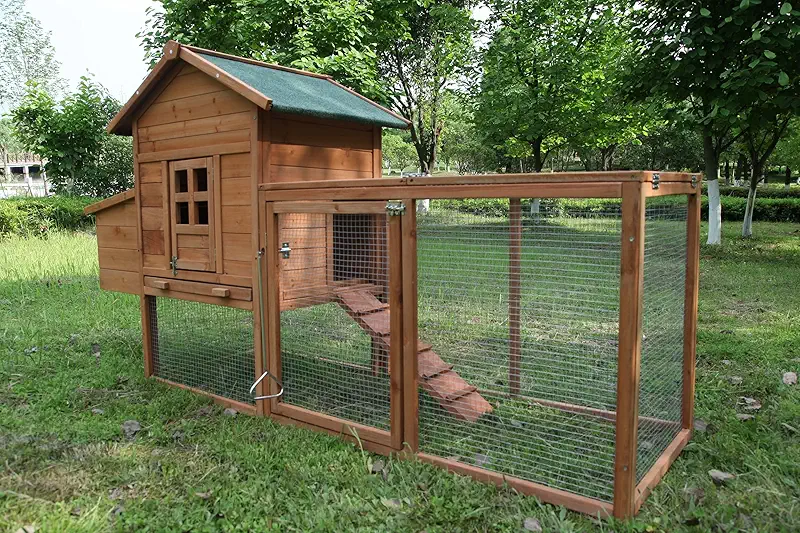
Why a chicken coop light with timer changes the game
Out here, sunrise and sunset never ask what works for our chores. In December, the sun can drag its feet, and my hens think it is time to sleep right after lunch. That makes for fewer eggs and restless birds. A chicken coop light with timer lets you nudge nature just enough to keep the flock working without pushing them too hard.
I like to say the timer is my quiet farmhand. It shows up on time every single day, never complains, and does exactly what I told it to do yesterday. That kind of steady routine is gold for laying hens.
Simple benefits I see every season
- More consistent egg production when days get short.
- Calmer, less jumpy birds in the early mornings.
- No more forgetting to turn lights off and waste power.
- Safer evening lock-up when I can see what I am doing.
- Better routine for the hens: light, feed, roost, repeat.
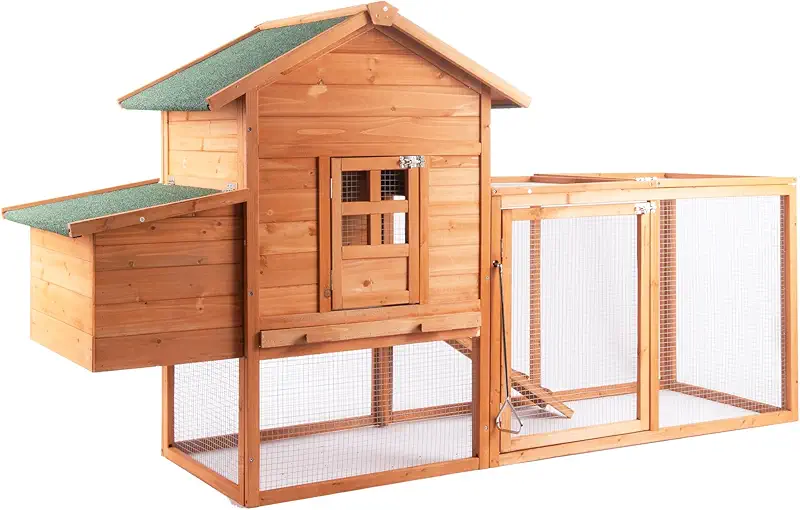
How much light do laying hens really need?
Laying hens are simple creatures. They like about 14 to 16 hours of light a day to keep laying at a steady pace. When daylight drops below that, their bodies slow down the egg-making machine to take a rest.
Out here, that means from late fall through winter they would lay less unless I help them a bit with a light. I do not try to force them to lay like it is July in the middle of January, but I do use a chicken coop light with timer to smooth out the worst of the winter slump.
Morning light vs. evening light
I learned early on that it is better to add light in the morning, not at night. If you keep bumping the light later into the evening, it can snap off while they are still awake and scratchy. Then you have confused birds stumbling around in the dark, trying to find their perch, and that can start fights on the roost.
So I let the sun tell them when it is bedtime, and I use the timer to bring “sunrise” a bit earlier. That way, the day feels long enough to them without messing up their natural sense of when to sleep.
My basic winter schedule
- Timer on: about 3–4 hours before real sunrise.
- Timer off: once the sun is truly up.
- No extra light in the evening, just natural sunset.
- Adjust schedule slowly, 15 minutes at a time.
The hens do not like sudden changes in anything, light included. Moving the time by 15 minutes every few days is gentle and works a lot better than big jumps.

Choosing a chicken coop light with timer that fits your flock
Not every light is right for a chicken coop. A harsh spotlight might make your birds nervous, and a cheap timer that resets every time the power blinks will drive you crazy. When I look for a chicken coop light with timer, I want something simple, tough, and kind to the birds.
What I look for in a coop light
- Soft, warm light. A warm white or soft yellow LED is easier on their eyes than a bright blue-white glare.
- Covered bulb or low profile. Chickens love to peck and jump, so I want no easy glass for them to hit.
- Energy efficient. A small LED pulls very little power but gives enough light for the job.
- Moisture resistance. Coops are dusty and sometimes damp, so a light that can handle that is worth it.
What I want in the timer
- Easy to set without needing a thick instruction manual.
- Battery backup so a short outage does not erase the schedule.
- Multiple on/off programs so I can fine-tune in shoulder seasons.
- Clear display I can read without my glasses on a frosty morning.
A chicken coop light with built-in timer or a simple plug-in timer with a separate light both work, as long as you can understand the buttons on a chilly, pre-coffee morning.

Where to place the light in your chicken coop
Placement is one of those little things that makes a big difference. A chicken coop light with timer should help your birds move around, not shine straight into their faces while they are trying to sleep.
My placement rules
- Mount the light overhead, not at chicken-eye level.
- Keep it away from the roosts so they can sleep in dimmer light.
- Aim for even light near feeder and drinker.
- Make sure cords are hidden or protected from beaks.
I like the main light over the center walkway of the coop, if you have one, or above the feeding area. The roost area should stay a little darker so they know that is the sleeping zone.

Safety tips for using a chicken coop light with timer
A coop is full of dust, feathers, and curious beaks. It is no place to get lazy about electrical work. A chicken coop light with timer is safe if you treat it with respect and check it now and then.
Basic safety checklist
- Use outdoor-rated extension cords and fixtures where needed.
- Keep all wires out of reach or inside conduit so hens cannot peck them.
- Do not pile bedding or straw against outlets or cords.
- Check connections every few weeks for dust build-up or wear.
- Do not use heat bulbs as your main lighting source.
I avoid heat bulbs for light because they run too hot and tempt folks to use them as heaters. That is how coop fires start. A small, cool LED on a timer gives the birds the light they need without the risk that keeps me up at night.

Setting your timer through the seasons
A chicken coop light with timer is not something you set once and forget forever. Seasons change, chores change, and your birds age. I tweak my timer a few times a year to match what is really happening outside and in the nest boxes.
Fall and winter routine
As days start to shorten in the fall, I slowly add morning light. I do not jump from summer sunrise to winter setting overnight; I walk it there over a few weeks.
- Start adding 15 minutes of morning light every 3–4 days.
- Watch egg numbers and bird behavior more than the calendar.
- Stop when you hit around 14 hours of total light.
- Keep feed and clean water ready when the light clicks on.
Spring and summer routine
When days get long again, I let the sun do the heavy lifting. I either shorten the timer or shut it off entirely for a while so the hens can enjoy natural light and sometimes a little rest.
Listening to your hens
The best schedule is the one your birds tell you they are comfortable with. If they look rough, start feather-picking, or seem worn down, I ease off on the extra light and give them a break. A chicken that gets to live like a chicken will pay you back in better eggs in the long run.
I treat the timer as a helper, not a whip. It keeps things steady, but I still look my birds in the eye every day and let them tell me how they are doing.

Little extras that make coop lighting work better
A chicken coop light with timer does its best work when the rest of the coop is set up right. A few small changes really help the birds use that extra light to eat well and lay better.
- Clean windows. If your coop has windows, keep them clean so natural light can help.
- Reflective surfaces. Light-colored walls or a white ceiling spread light without more power.
- Good ventilation. Fresh air keeps the coop from getting stuffy under that extra morning light.
- Steady feed. Extra light without enough feed just leads to hungry, frustrated birds.
- Dry bedding. A bright coop shows you problems early, like damp spots or droppings build-up.

When all these pieces work together, the light and timer simply keep the routine steady. The hens wake up to a familiar glow, find their feed and water, lay their eggs, and head back to the roost at sunset like they always have.
FAQ about using a chicken coop light with timer
If you are ready to make your chores easier and keep your girls on a steady, gentle schedule, a simple chicken coop light with timer is one of those quiet helpers that just works in the background. Take a slow look, think about your own coop, and pick what fits your birds and your mornings.