
Chicken Coop Made From Pallets
Chicken Coop Made From Pallets: My Favorite Low‑Cost Hen House Trick
I’ve built more than a few coops in my life, some fancy, some downright ugly, and the ones that surprised me the most were the chicken coop made from pallets. Simple wood that most folks throw away turned into warm, dry homes for my laying hens. If you’ve got more ideas than dollars in your pocket, this path might fit you just fine.
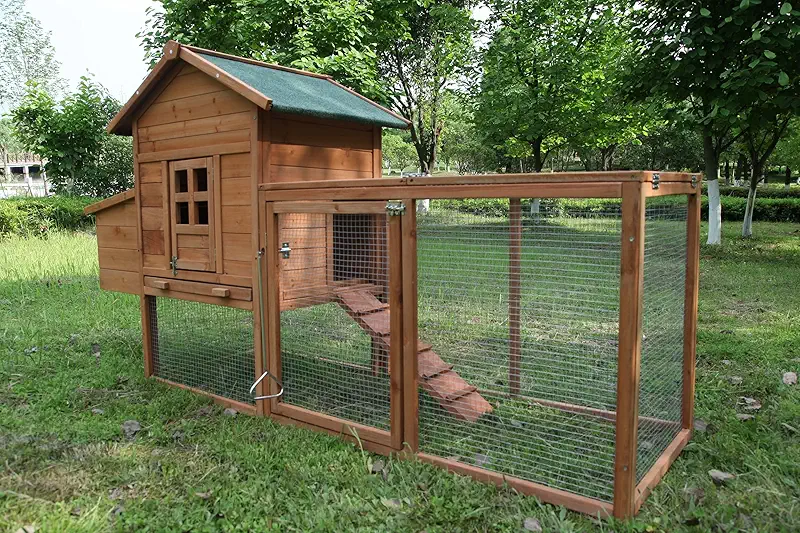
I’m just an old farmer from the States who likes his eggs fresh and his projects cheap but solid. Over the years I’ve learned a lot about what works and what really doesn’t when it comes to pallet coops. Let me walk you through the good, the bad, and the “what on earth was I thinking” so you can keep your birds safe and laying strong without draining the feed budget.
Why A Chicken Coop Made From Pallets Actually Works
When folks first hear “chicken coop made from pallets,” they picture something crooked, drafty, and ready to fall over in the first good wind. Truth is, if you pick the right pallets and build with a little common sense, you can end up with a coop that’s just as sturdy as store‑bought, and sometimes better.
I started using pallets during a tight winter. Lumber prices were high, egg prices were low, and my hens were about to outgrow their old coop. A neighbor who runs a small warehouse told me, “Come haul these pallets off before my wife does.” That was the start of my pallet coop adventure.
Pallets give you framed panels to work with. They’re like ready‑made walls, if you know how to reinforce them. The trick is to see them as a base, not a finished wall. Add a proper roof, good hardware cloth, and some decent screws, and suddenly your scrap pile looks a lot like a real hen house.
How I Plan A Pallet Chicken Coop That Hens Actually Like
Chickens don’t care if the coop is cute. They care if it’s dry, safe, and not freezing or boiling hot. When I’m planning a chicken coop made from pallets, I start by thinking like a hen.
Size, Space, And Room To Peck
For laying hens, I aim for at least 4 square feet per bird inside the coop, and 8–10 square feet per bird in the run. I’ve tried squeezing more birds in before, and all I got for my trouble was pecked feathers, crabby hens, and fewer eggs. Hens like elbow room just as much as we do.
- 3–4 hens: about a 4×4 ft pallet coop.
- 6–8 hens: around 4×8 ft.
- 10–12 hens: think closer to 6×8 ft.
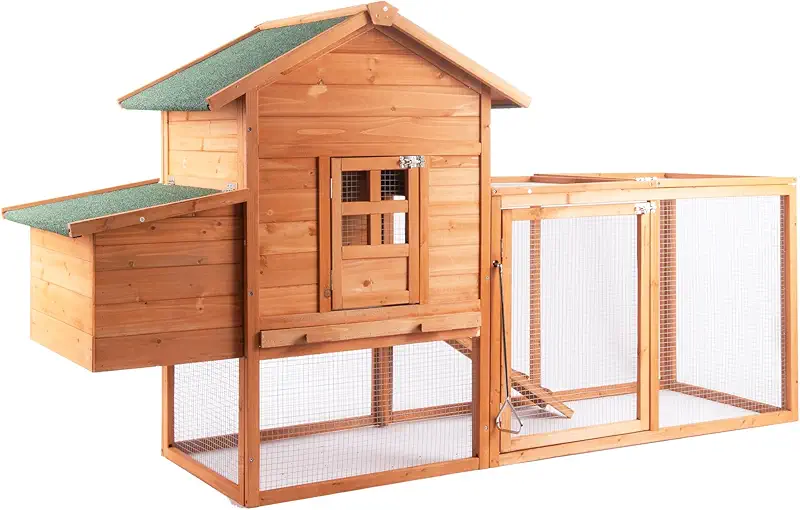
Pallets make this easy because most are around 40×48 inches. Two pallets wide, two pallets long, and you already have the skeleton of a decent coop.
Location: Sun, Shade, And Predators
I’ve built coops in the wrong spot more times than I’d like to admit. Put your pallet coop on the lowest, soggiest part of the yard and you’ll learn fast how much chickens hate wet feet. Now I always:
- Pick a slightly raised spot, so rain runs away from the coop.
- Give morning sun to dry the run and warm the hens.
- Find afternoon shade if you can, to keep summer heat down.
- Keep the coop within eyesight of the house, so predators know you’re watching.
I lost my first hen to a sneaky raccoon I didn’t see coming. These days, I plan the coop so I can glance out the kitchen window and count beaks while the coffee brews.
Building The Walls Of A Chicken Coop Made From Pallets
Let’s talk about how I put the bones of a pallet coop together. I’m not a carpenter by trade, just a farmer with a stubborn streak and a halfway steady hand with a drill.
Picking And Stacking Pallets
First, I line up my pallets and sort them by strength. The heaviest and straightest ones become the main walls. The lighter ones go toward the run or get pulled apart to fill gaps.
I stand pallets on end to form the walls, then tie them together with 2×4s like a belt holding up your jeans. Screws go into solid wood, and I don’t skimp on them. Nails wiggle loose over time; screws stubbornly stay put.

Covering The Gaps
Pallets are full of gaps, and gaps are just invitations for drafts, rats, and snakes. I’ve seen folks try to call an open pallet “ventilation.” That’s not ventilation; that’s trouble.
I cover the outside of my pallet walls with:
- Leftover siding or barn tin.
- Old fence boards.
- Even plywood scraps, as long as they’re solid and dry.
On the inside, where hens roost and nest, I like smooth surfaces they can’t snag themselves on. A cheap thin plywood layer over the pallet boards keeps things easy to clean and gentle on feathers.
Roof, Floor, And Keeping Your Pallet Coop Dry
A chicken coop made from pallets stands or falls on how well you handle water. Wet wood rots, wet litter smells, and wet hens get sick. So I fuss over the roof and floor more than anything else.
Roof That Laughs At Rain
I’ve used metal roofing, shingles, and even old barn tin. Metal is my favorite for pallet coops because it’s light and sheds water fast. The key is a good overhang—at least 6–8 inches past the walls—so rain doesn’t run straight down your pallet sides.

I also pitch the roof high enough that hot air can rise up and out. A flat roof is like a skillet in July—ask me how I learned that one. These days, I give my pallet coops a simple slope and add a small vent under the eaves, covered in hardware cloth.
Floor Options: On The Ground Or Raised
I’ve tried three main floor styles over the years:
- Raised wood floor: Pallets or joists with plywood on top, about 12–16 inches off the ground.
- On‑grade with deep litter: No wood floor, just soil covered in a deep bedding layer.
- Concrete: My least favorite for small backyards, but strong and easy to hose out.
For most backyard folks, a raised floor made from pallets and a solid top layer works great. It keeps rats and snakes out, litter stays drier, and you don’t bend your back so much cleaning it.
Inside The Coop: Making Hens Feel At Home
Once the shell of the chicken coop made from pallets is standing, it’s time to think like a hen again. Where will she sleep? Where will she lay? And where will she gossip with the other ladies?
Roosts: Higher Than The Nest Boxes
Hens like to sleep up off the ground. I use 2×4 boards with the wide side up so their toes stay warm under them. Round poles look cute but give cold feet in winter. I set roosts higher than the nest boxes, because if the boxes are higher, hens will sleep in them and you’ll end up with poopy eggs. Nobody wants that for breakfast.
Aim for about 8–10 inches of roost space per hen. Big breeds like more. My old Buff Orpington named Daisy used to spread out like she owned the whole board, and everyone else just worked around her.

Nest Boxes: Quiet, Dark, And Easy To Reach
For laying hens, nest boxes are like their favorite corner of the house. I keep them a bit lower than the roosts, filled with clean straw or shavings, and out of the busiest traffic path.
- One box for every 3–4 hens is usually enough.
- Make the front lip 3–4 inches high, so eggs don’t roll out.
- If you build from pallets, use smooth scrap wood for the box edges.
I’ve watched hens line up and all want the same box, even when others are empty. Chickens are funny like that. So give them choices, but don’t be surprised if they all choose the same “favorite” spot.
Ventilation, Drafts, And Keeping Hens Healthy
One of the biggest mistakes folks make with a chicken coop made from pallets is confusing “airflow” with “wind tunnel.” Hens need fresh air, but they hate cold drafts, especially at roost level.
I place vents high up on the walls, under the roof overhang, covered in hardware cloth. Warm, damp air from their breath and droppings rises and slips out there. Cooler air comes in low and slow, not blasting straight onto their backs.

I also make sure every hole big enough for a pinky finger is covered with hardware cloth, not chicken wire. Chicken wire keeps chickens in; it does not keep predators out. I learned that lesson on a dark night when a raccoon reached right through and helped himself. Hardware cloth is more expensive, but much cheaper than losing birds.
Predator‑Proofing A Pallet Coop
Where I live, everything seems to like chicken as much as I do: raccoons, foxes, hawks, owls, stray dogs, and the occasional weasel with bad intentions. A chicken coop made from pallets is only as good as its defenses.
Doors, Latches, And Nighttime Safety
I build the main coop door from solid wood, mounted on good hinges that don’t sag. The latch is where I get serious. If a raccoon can open it with clever little hands, it’s not good enough.
- Use locking carabiners or barrel bolts plus clips.
- Avoid simple hook‑and‑eye latches—raccoons solve those like puzzles.
- Check for gaps bigger than half an inch around the frame.
At dusk, I walk down and make sure every door clicks shut. The hens mutter and shuffle on their roosts, and I tell them, “Alright girls, night watch is on.” Might sound silly, but it reminds me to double‑check things.

Securing The Run
If your hens free‑range all day, that’s one thing. But if they’ll spend time in a run attached to your pallet coop, that run needs armor:
- Use hardware cloth or strong welded wire on the bottom 3 feet.
- Bury the fence at least 12 inches deep or bend it outward like an “apron.”
- Cover the top if hawks and owls are a problem where you live.
My first open‑top run turned into a hawk buffet. Now I stretch netting or wire overhead. The hens don’t thank me with words, but they show it in eggs.
Keeping A Pallet Coop Clean And Long‑Lasting
A chicken coop made from pallets can last for years if you take care of it. Most folks blame “cheap pallets” when really the trouble was water and neglect.
Litter Choices And Cleaning Routine
I like pine shavings or dry straw, depending on what’s easy to get. In colder months, I often use the deep‑litter method—keep adding dry bedding on top, let it compost a bit, and clean it out a couple of times a year.
Every week or so, I:
- Scrape droppings from under the roosts.
- Stir and fluff the bedding.
- Check corners for damp spots or mold.

Protecting The Wood
I don’t like harsh chemicals around my birds, but I do like keeping wood from rotting. On the outside of a pallet coop, I’ll use a good outdoor paint or a non‑toxic stain. On the inside, I stay away from anything too nasty and rely more on good airflow and dry bedding.
Any pallet boards that touch the soil will rot first. I learned to set my pallets on concrete blocks or treated runners, keeping them off wet ground. A little gap now saves a lot of repair work later.
FAQ: Common Questions About A Chicken Coop Made From Pallets
Is a chicken coop made from pallets really safe for laying hens?
Yes, it can be safe if you’re picky about the pallets and careful about how you build. Choose clean, dry, heat‑treated pallets without stains or strong smells. Cover gaps so predators can’t squeeze or reach through. Add solid roofing, good latches, and hardware cloth wherever you see daylight. In my experience, a thoughtful pallet coop is just as safe as any bought one.
How long will a pallet chicken coop last?
On my place, a chicken coop made from pallets usually lasts 5–8 years before needing serious work, sometimes longer. It depends on your weather and how well you keep water off the wood. A decent roof, paint or stain on the outside, and raising the pallets off damp ground will stretch that life by several good egg‑laying seasons.
Do pallet coops stay warm enough in winter?
With solid walls, deep bedding, and no drafts at roost level, my hens do just fine in winter without fancy heat. Chickens wear feather coats, after all. What they need more than warmth is dryness and no wind on their backs. If you live where winters bite harder than a hungry fox, you can add insulation or extra wall layers, but don’t forget to keep ventilation up high.
Can beginners really build a chicken coop made from pallets?
Absolutely. I’ve helped plenty of neighbors build their first coops, and some of them had never held a drill before. Pallets are forgiving. You’re not working with expensive lumber, so there’s less pressure. As long as you measure twice, screw things tight, and think about safety, you can build a good starter home for your hens. It won’t be perfect, but neither is any first barn.
Is it better to build a pallet coop or get a ready‑made one?
That depends on your time, tools, and patience. Building a chicken coop made from pallets saves money and lets you size it exactly how you want. But it does take work, and not everyone enjoys splinters and sawdust. Sometimes it makes sense to look at ready‑made coops, compare styles, and see what fits your hens and your yard. I’ve built my own and I’ve used store‑bought; what matters most is that the coop is dry, safe, and easy to clean.
If you’d rather spend more time gathering eggs than hunting for scrap wood, there are plenty of sturdy, ready‑to‑go coops that take the guesswork out of things. I still love a good DIY chicken coop made from pallets, but I’m not shy about using a simpler path when chores pile up.
Let me browse coopsAnd when you’re ready to look around a bit more, you can check all sorts of chicken coop ideas, sizes, and styles in one place and see what feels right for your flock and your backyard.
Show me every coop