
Out here, the wind doesn’t care how cute your chicken coop looks on a postcard. It just blows, rains, snows, and tests every nail you ever drove. When folks ask me about chicken coop materials, I always say the same thing: “Build for the worst day, not the prettiest day.”
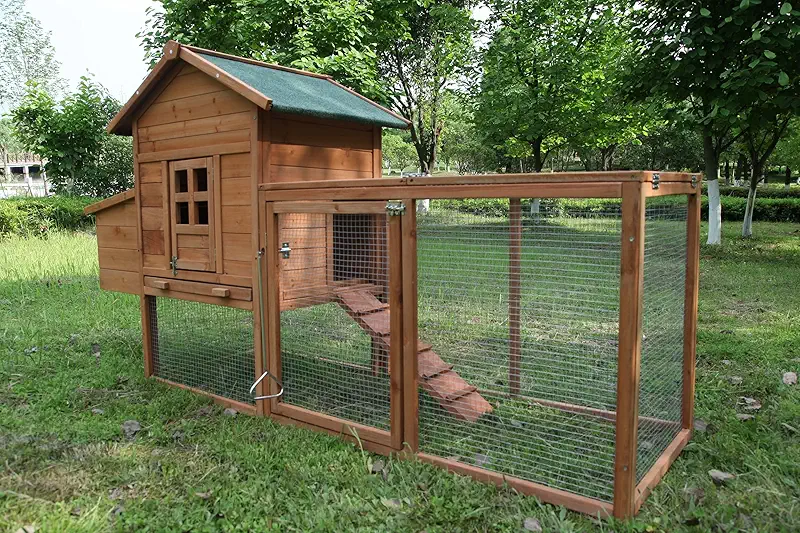
Strong framing, tight wire, dry floor – the heart of a safe coop is in the materials you choose.
I’ve seen light little coops made from the cheapest lumber fold in a storm like a deck of cards. I’ve also seen a well‑built wooden coop shrug off a blizzard, coyotes, raccoons, and one very confused neighbor dog. The birds inside barely missed a peck.
So let me sit you down at my old kitchen table, pour you a cup of coffee, and walk you through the materials I’ve come to trust – and the ones I’ll never touch again – for a safe, dry, easy‑to‑clean home for your laying hens.
What really matters when choosing chicken coop materials
Fancy finishes are nice, but your hens don’t care about “farmhouse style”. They care about comfort and safety. When I pick materials for a coop, I look at five things before I look at price:
- Moisture resistance – Wet wood rots, wet metal rusts, and wet bedding means sick birds.
- Predator resistance – Raccoons have hands like little burglars; a flimsy latch is just an invitation.
- Insulation and drafts – Still air in winter, fresh air in summer.
- Ease of cleaning – If it’s hard to clean, you won’t clean it often enough.
- Longevity – I’d rather pay once and keep it standing for years.
Keep those five in your back pocket as we go through the main materials: wood, metal, wire, flooring, roofing, and the little details that make your life easier.
Wood for frames and walls
Wood is still my favorite for most backyard chicken coops. It’s forgiving, easy to work with, and it feels “right” on a small farm. But not all boards are the same, and some of them are more trouble than they’re worth.
Best woods for chicken coop frames
For the main structure, I use the same sort of stuff you’d use to frame a shed:
1. Framing lumber (2x3 or 2x4)
I like regular framing lumber for studs and roof rafters. It’s strong, available almost everywhere, and plays nice with screws and nails.
- Pros: Strong, easy to cut, good for predator‑proof framing.
- Cons: Needs protection from ground moisture; can warp if not stored flat.
2. Exterior‑grade plywood or OSB for walls
For solid walls, exterior‑grade plywood handles the weather better than interior wood. I avoid particleboard; it swells and falls apart the first time it gets really wet.
- Pros: Makes tight walls, easy to insulate behind, strong against predators.
- Cons: Needs paint or sealer; the cheap stuff can delaminate over time.
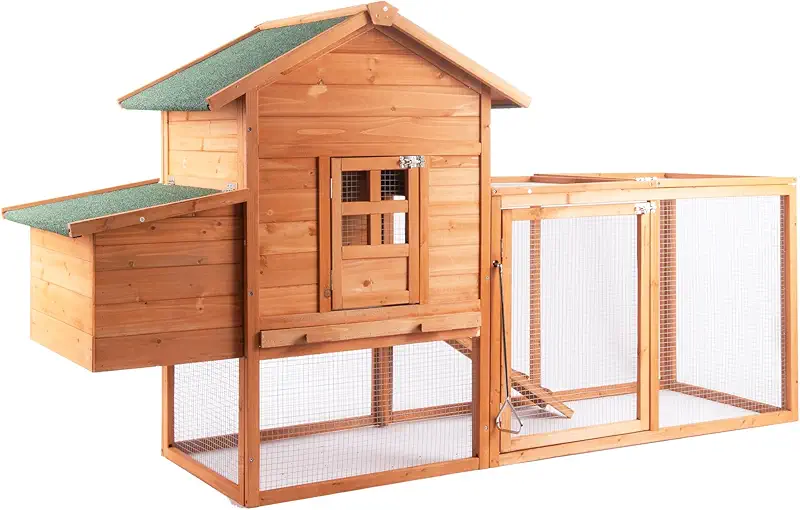
Simple solid walls with proper framing keep the wind out and the hens calm.
Treated vs. untreated wood around chickens
Folks get nervous about pressure‑treated lumber, and for good reason. The old‑style chemicals were pretty nasty. These days, the modern treated wood is safer, but I still keep a simple rule:
- Use treated wood only where it touches the ground – skids, posts, bottom plates.
- Keep treated wood away from where the hens peck or roost.
- Seal cut ends with a good outdoor sealer.
For walls and roosts where beaks and feet are, I stick with untreated wood and a safe exterior paint or stain.
Woods I avoid in a coop
I avoid any board that sheds splinters like a Christmas tree drops needles. Rough edges and panicked hens do not mix. I also stay away from interior plywood, particleboard and anything that swells like a sponge when damp.
Wire, mesh, and fencing: what really stops predators
Now we get to the part that decides whether your coop is décor or a fortress. I’ve lost birds in my early years because I trusted the wrong kind of wire. Once a raccoon teaches you a lesson, you remember it.

Half‑inch hardware cloth: still the gold standard for keeping paws and teeth on the outside.
Hardware cloth: the backbone of a safe run
For any opening within reach of a predator, I use ½‑inch galvanized hardware cloth. Not “chicken wire.” Not plastic netting. Hardware cloth is a stiff metal mesh that actually stands up to claws and teeth.
- Use it for: coop windows, lower walls, runs, under‑floor protection.
- Mesh size: ½ inch keeps out raccoon paws and most snakes.
- Fastening: heavy staples or screws with washers, not just a couple of nails.
Where chicken wire is okay (and where it’s not)
Chicken wire keeps chickens in; it doesn’t keep trouble out. I only use chicken wire inside the predator‑proof shell:
- To divide off a broody hen or injured bird inside the coop.
- For quick temporary pens inside a secure barn.
Outside the coop, I treat chicken wire like decoration, not protection.
Wire for the run floor
If you’ve got diggers like foxes, dogs, or raccoons, they’ll go right under a fence. Two good options I’ve used:
- Apron method: Hardware cloth laid flat 12–18 inches out from the run fence, buried just under the soil.
- Full floor: Hardware cloth under the bedding, especially in small urban coops.
The apron costs less material and still convinces most predators to dig somewhere else for dinner.
Roofing materials that beat sun, rain, and snow
A leaking roof will sour a coop faster than a skunk at a picnic. Wet litter, dripping on roosts, cold drafts – all that means stressed hens and poor egg production.

Simple sloped roofs, with solid overhangs and the right material, keep the coop dry and bright.
Metal roofing
Most of my newer coops wear a metal roof. Corrugated metal or standing seam panels are tough and shed snow like a goose sheds water.
Asphalt shingles
Shingles work fine for small backyard coops when installed on a solid roof deck like plywood.
- Pros: Quiet in rain, easy to patch, familiar to most DIYers.
- Cons: Heavier; can get hot in full sun without shade or ventilation.
Clear or translucent panels
I sometimes use a few translucent roofing panels over part of the run for extra light and dry scratching space. Just don’t roof the entire coop with clear plastic or you’ll have a little oven in July.
Flooring and litter: dry feet, healthy lungs
The floor is where health starts. Wet, compacted litter is where you’ll find smells, ammonia, and foot problems.

A raised, solid floor with dry bedding keeps hens comfortable through every season.
Solid wooden floors
Most of my coops have raised wooden floors made from sturdy boards or plywood, with good bedding on top.
- Raise the floor off the ground so air can move under it.
- Seal the floor with an outdoor sealant or porch paint for easier cleaning.
- Add 3–6 inches of dry bedding like pine shavings, chopped straw, or wood chips.
Concrete floors
If you already have a slab, concrete makes a wonderful, predator‑proof base.
- Pros: Rodents and diggers stay out, easy to scrape clean.
- Cons: Cold in winter; needs plenty of bedding for comfort.
Best bedding over your floor material
I’ve tried everything from sawdust to shredded paper. The ones I keep coming back to:
Whatever you choose, keep it dry and add fresh material regularly. If you walk in and your eyes sting, your bedding is overdue for a change.
Interior materials: roosts, nest boxes, and walls
Inside the coop, your chicken coop materials should be about comfort and cleanliness. Your birds will tell you pretty fast if you get it wrong – they’ll skip the roost, lay eggs on the floor, or start bickering.

Rounded wooden roosts and simple nest boxes make life easier for you and your hens.
Roost materials
Hens like a roost they can wrap their toes around, not a sharp metal edge.
- Best choice: 2x3 or 2x4 boards, edges rounded off with a plane or sander.
- Avoid: Bare metal pipes in cold climates – they get icy and can freeze toes.
Nest box materials
I build nest boxes from the same wood as the coop walls, or I repurpose sturdy wooden crates.
- Line them with a removable mat or cardboard so cleaning is quick.
- Use bedding like straw or shavings; keep it soft and deep.
- Make sure there are no exposed screws or nail tips inside.
Interior wall finishes
Bare wood works, but a light‑colored, washable paint on the inside of the coop makes life easier. You can see mites and droppings better, and cleaning doesn’t feel like scrubbing a barn.
Hardware that doesn’t quit
The little pieces – screws, latches, hinges – are where raccoons get clever. I like to joke that if a toddler can open it, a raccoon can too, but faster.

Solid latches, proper hinges, and tight hardware cloth make the difference on predator night.
Screws vs. nails
I build most of my coop with exterior‑grade screws, not nails.
- Screws hold better when the wood swells and shrinks.
- They’re easier to remove when you decide to “improve” something later.
Door latches
Simple hook‑and‑eye latches are just raccoon puzzles. I use:
- Barrel bolts or slide bolts, plus a carabiner clip through the hole.
- Lockable hasps on people doors.
Hinges and vents
Heavy strap hinges on outside doors, simple but sturdy hinges on nest box lids. For vents and windows, I frame them in wood and cover the opening with hardware cloth first, then any decorative pieces on top if I feel fancy.
Balancing budget and durability
I’m no stranger to stretching a dollar. A farm will teach you to be thrifty whether you like it or not. But there are certain chicken coop materials where I never cut corners, because I’ve paid for it twice later.

A simple, solid build with the right materials beats fancy trim that won’t survive the first winter.
Where to invest a little more
- Roofing: A dry coop is not negotiable.
- Hardware cloth: Real predator protection, not wishful thinking.
- Floor and framing: The bones of your coop should outlive your first flock.
Where you can save
- Using reclaimed lumber if it’s solid, not rotten, and free of peeling paint and nails.
- Repurposing cabinets or crates into nest boxes.
- Starting with a modest‑sized coop and adding on later.
FAQ: Chicken coop materials
Bringing it all together
When you step back, a good coop isn’t magic. It’s just a frame of solid wood, wrapped in the right wire, under a tight roof, sitting on a dry floor, with honest hardware holding it all together. Get those chicken coop materials right, and your hens will hardly notice the weather reports.
My own best‑behaved flock lives in a coop built from plain framing lumber, exterior plywood, hardware cloth, and a simple metal roof. Nothing fancy about it. But year after year, the eggs are steady, the birds are healthy, and in the worst storms all I hear out there is a soft murmur of hens discussing breakfast.
That’s what I want for you: a coop you trust, built from materials that have already proven themselves, so you can spend more time watching your birds scratch and less time fixing what the wind and the wildlife tore apart.