
When folks ask me about chicken coop mesh, I always smile and say, “Well, that’s your silent farmhand right there.” It does its job day and night, never complains, and if you pick the right one, it keeps your hens safe while you sleep like a baby. If you pick the wrong one, you learn what I learned one ugly morning: raccoons don’t read labels, but they sure test them.
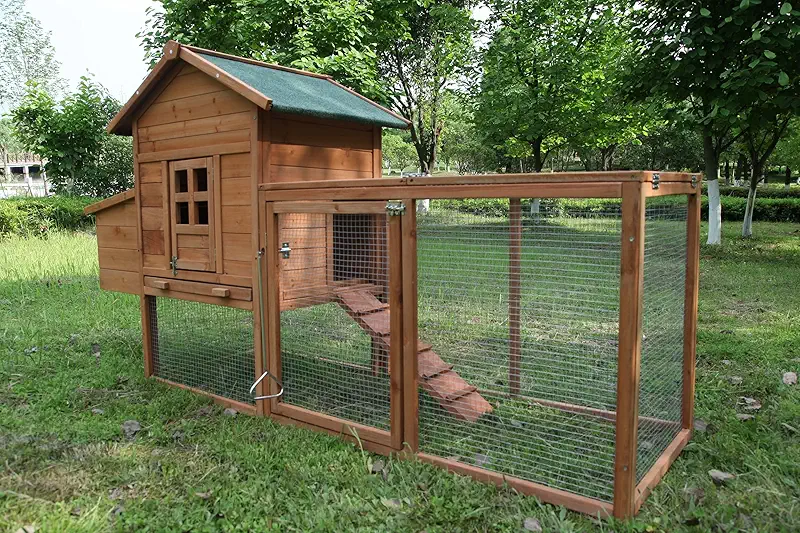
Why Chicken Coop Mesh Matters More Than the Coop Paint
My first coop looked pretty. Fresh red paint, white trim, cute little ramp. I showed it off like it was a new truck. Problem was, I wrapped it with thin, cheap wire that would barely stop a lazy squirrel. One stormy night, the raccoons came. The next morning, I found holes in the mesh big enough to fit my fist, and I’ll let you guess the rest. The lesson stuck: the heart of a safe coop is the mesh, not the color.
Good chicken coop mesh does three simple things:
- Keeps predators out, day and night.
- Lets in plenty of fresh air and light.
- Holds up to weather, pecking, and time.
You don’t need to overthink it, but you also don’t want to trust your hens to something that bends like wet cardboard. Think of mesh as armor for your flock: light enough to move with, strong enough to block trouble.
Types of Chicken Coop Mesh and When to Use Each
There are more kinds of chicken coop mesh than there are brands of feed at the farm store. Let me walk you through the common ones, the way I explain it to neighbors who stop by and lean on my fence for a chat.
1. Hardware Cloth – My First Choice for Safety
Hardware cloth is my old reliable. It’s not cloth at all, of course, just a tight metal mesh, usually galvanized steel. The key is the size of the openings. For coops, I stick to:
- 1/4-inch mesh for maximum protection.
- 1/2-inch mesh when I want a bit more airflow but still strong security.
Raccoons, weasels, rats – they all hate good hardware cloth, and that makes me like it even more. I use it on:
- Windows and vents.
- The lower walls of the run.
- Any place where little hands could reach in.
If a raccoon can hook its fingers through a gap, it can usually tear or pry that spot over time. With tight hardware cloth, they mostly give up and go bother someone else’s coop. Better for them, better for you.
2. Welded Wire – Good for Runs and Bigger Areas
Welded wire is like the big cousin of hardware cloth. The wires are thicker and welded at the joints. The openings are usually bigger too, like 1 x 2 inches or 2 x 4 inches. I like welded wire for:
- Outer fencing around a yard or big run.
- Top covers on large pens to keep hawks out.
- Reinforcing areas where dogs or coyotes might push.
It’s strong against big animals, but those bigger openings mean small predators might sneak through or reach in. That’s why I often layer welded wire on the outside with hardware cloth on the inside where it really counts.
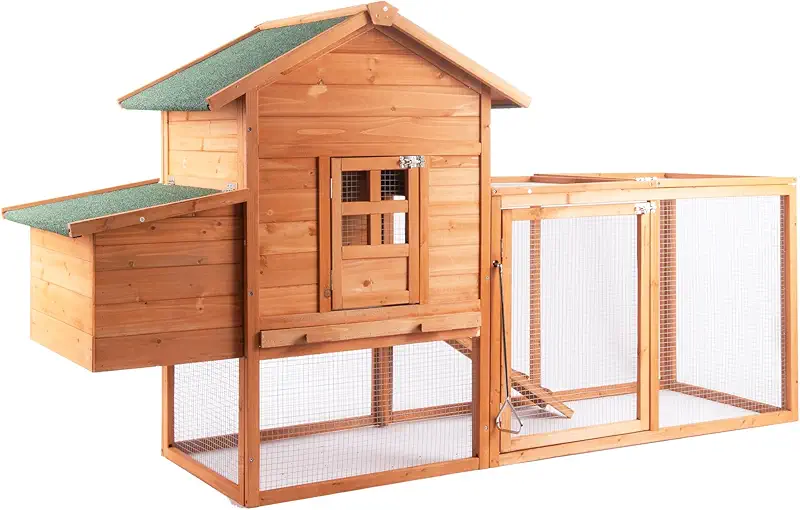
3. Chicken Wire – Better Than Nothing, But Not by Much
Here’s where some folks get fooled. “Chicken wire” sounds perfect for chickens, right? Well, it’s named right, but it’s not built for predators. It’s fine for:
- Keeping hens from wandering where they shouldn’t.
- Separating birds from each other inside a safe barn.
- Light temporary fencing during the day.
But at night, against raccoons, foxes, or a determined dog? It’s like putting up a screen door in bear country. I still use chicken wire sometimes, but never as my main line of defense.
4. Plastic Mesh – For Gentle Jobs Only
Plastic mesh has its place, just not as your predator shield. I use it for:
- Temporary garden fences to keep hens off my tomatoes.
- Inside the coop to keep bedding from spilling out.
- Quick little partitions when I’m separating young pullets.
Sun and cold will eventually make most plastic brittle. So if you’re using plastic mesh, treat it like a short-term helper, not a long-term bodyguard.
How to Choose the Right Chicken Coop Mesh for Your Flock
Standing in front of a rack of rolls can feel confusing. Don’t worry. Let’s break it down like we’re sitting on the tailgate with a cup of coffee.
Step 1: Know Your Predators
Every farm has its usual suspects. Around here, I’ve got:
- Raccoons (the masked bandits).
- Foxes (quick and sneaky).
- Hawks (sky trouble).
- Occasional stray dogs.
If you’ve got mink, weasels, or rats, smaller mesh is your friend. If your main worry is dogs and coyotes, focus on stronger and taller fencing. Look for tracks, droppings, and what neighbors complain about. Your land will tell you what you need to plan for.
Step 2: Decide Where the Mesh Will Go
I think of the coop and run in zones:
- Sleeping zone (coop, windows, vents) – needs tight mesh like 1/4 or 1/2-inch hardware cloth.
- Daytime run walls – welded wire, possibly backed with hardware cloth down low.
- Roof or cover – lighter mesh or welded wire to stop hawks and owls.
- Perimeter fence – taller welded wire or field fence if you have big ground predators.

Step 3: Think About Rust and Weather
I’ve seen cheap mesh rot out in just a couple of seasons. If you live where snow piles up or the air is salty, like near the coast, rust can chew through poor-quality mesh fast. I always look for:
- Galvanized mesh for better rust resistance.
- Sturdy gauge wire – not flimsy like tinfoil.
- Tight, solid welds or joints.
Over the years, paying a little more up front has saved me a lot of headache, and a lot of late-night predator patrols.
Installing Chicken Coop Mesh the Right Way
Mesh is only as strong as how you attach it. I’ve seen good mesh ripped right off because someone relied on a few weak staples. Predators are patient. They test and pull until they find a loose corner. Don’t give them that corner.
Fasteners That Actually Hold
For wood framing, I like to use:
- Heavy-duty fencing staples, hammered all the way in.
- Pan-head screws with washers, especially on doors and corners.
- A wooden batten strip over the mesh edge, screwed down tight.
For metal posts, I use:
- Sturdy fence clips made for T-posts.
- Good quality zip ties as helpers, not the main strength.
Don’t Forget to Bury It
Most predators don’t read instructions, but they do know how to dig. That’s why I always:
- Bury mesh 8–12 inches down around the run, or
- Lay an “apron” of mesh flat on the ground, 12–18 inches out from the fence.
When a fox starts digging at the fence line and hits that apron, it usually gives up. I like to cover the apron with soil or gravel so I’m not tripping on it.

How Mesh Affects Hen Health and Egg Production
You might not think chicken coop mesh has much to do with egg count, but spend enough years with hens and you see the link. Safe hens are calm hens. Calm hens lay better.
I remember one season when something kept spooking my birds at night. I’d hear rustling, the rooster would sound the alarm, and by morning my egg basket was lighter. I finally found claw marks near a weak spot in the mesh. That little nightly stress cost me eggs.
Good mesh helps by:
- Keeping out nighttime visitors that scare the flock.
- Letting in fresh air, which keeps bedding dry and odor down.
- Reducing drafts when sized and placed properly.
Dry, calm, well-ventilated hens stay healthier, fight off respiratory issues, and keep up a nice steady lay. Think of mesh as part of your flock’s healthcare system, not just their fence.

Mesh Maintenance: A Ten-Minute Habit That Saves Hens
I’ve made it a habit to do a quick walk-around of the coop and run while I’m closing things up for the night. Takes maybe ten minutes and has caught more problems than I can count.
What I Look For
- Loose corners or sagging sections.
- Rust spots starting to show.
- Fresh digging along the fence line.
- Bent wires where something may have pushed or climbed.
If I see a weak spot, I fix it right then, before dark if I can. A screw and a small patch of mesh cost little. Losing half your flock to one smart raccoon costs a lot more, in money and heart.

My Simple Mesh Setup for Laying Hens
Over time I’ve settled into a setup that suits my laying flock pretty well. Your land and predators might be different, but this should give you a starting point.
- Coop windows and vents: 1/4-inch hardware cloth, fastened with screws and washers.
- Lower 3 feet of run walls: 1/2-inch hardware cloth to stop reach-ins and small critters.
- Upper run walls: welded wire for strength and airflow.
- Run roof: welded wire or strong mesh to stop hawks and owls.
- Ground apron: hardware cloth laid out 12 inches around the run to stop digging.
Is it overkill? Maybe. But I sleep fine, the hens sleep fine, and most mornings my biggest worry is whether the coffee is strong enough, not whether everyone survived the night.

Common Mistakes with Chicken Coop Mesh
I’ve made most of these myself, so no judgment here. If you can avoid them, you’re already ahead of where I started.
- Using chicken wire for predator protection – it’s for keeping chickens in, not predators out.
- Leaving gaps around doors and corners – predators are better at finding gaps than we are.
- Skipping the buried mesh – a digging fox only needs a few minutes to slip under.
- Using too-light fasteners – thin staples pull out easily.
- Letting rust run wild – weak spots always show themselves during the worst weather.

If you’re just getting started, don’t feel like you have to build the perfect run in one day. Start solid where your hens spend the night. That’s when most trouble comes calling. Then upgrade the rest as you have time and budget.