
Chicken coop metal frame
I’ve raised laying hens through storms, coyotes, and more than a few rookie mistakes. Over the years, a sturdy chicken coop metal frame has been one of the quiet heroes of my farm. Let me walk you through what really matters when you’re choosing a metal frame coop for your flock.
Out here in the States, weather doesn’t ask your permission. Wind, snow, blazing sun – they all take turns trying to knock things down. Wood coops can be lovely, but when it comes to raw toughness, a well-built chicken coop metal frame is hard to beat.
I’ve had metal frame runs stand strong while old wooden pens leaned like sleepy donkeys after a long day. Metal doesn’t swell, twist, or rot like wood, and predators don’t chew through it when they get hungry at 2 a.m.
On this page I’ll share how I think through size, shape, roofing, floor, fencing, and daily use – all from the view of a farmer who just wants healthy hens, clean eggs, and a coop that doesn’t fall over in the first big storm.
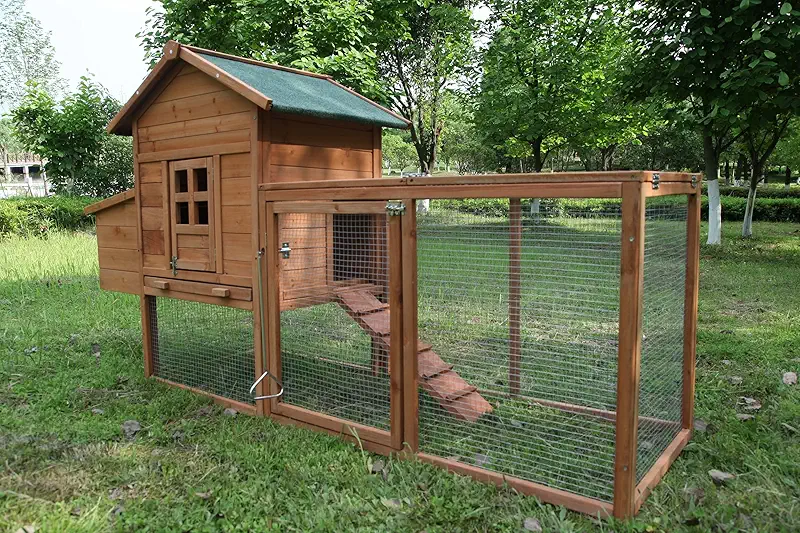
A sturdy chicken coop metal frame gives your hens a safe yard to scratch, dust-bathe, and gossip about you while you’re at work.
Why a chicken coop metal frame works so well for laying hens
When folks ask me what kind of coop lasts the longest, I usually smile and say, “The one that doesn’t rot, sag, or blow away.” That’s my simple way of pointing them toward a solid chicken coop metal frame.
A good frame is like the bones of your coop. If the bones are weak, the rest doesn’t matter. You can have fancy nest boxes and pretty paint, but if the structure wobbles when the wind picks up, you and your hens are going to have a bad night.
With a metal frame, especially galvanized steel, you get:
- Resistance to rot, termites, and mold.
- Far less warping in heat, humidity, or cold.
- Better support for roofing and snow loads.
- A harder time for raccoons, foxes, and dogs trying to push in.
Wood still has its place – I use it inside for roosts and nest boxes because it’s warmer to the touch and easier to work with. But for the skeleton of an outdoor run, a metal frame has saved me time, money, and more than one headache.
Key things to check before you pick a metal frame coop
Frame strength and coating
Not all metal is created equal. When I look at a chicken coop metal frame, I pay close attention to the tubing, the connectors, and the coating.
- Tubing thickness: Thicker steel handles wind better and flexes less over time.
- Galvanized or powder-coated: This protects against rust, especially if you live where rain and snow are regular visitors.
- Strong joints: Bolted or well-designed connectors hold up better than flimsy push-fits.
If you can see close-up pictures or read real user comments, I look for folks mentioning how solid or “wobbly” the frame feels once assembled. That tells you more than any fancy marketing word.
A slightly heavier frame is usually a good sign. If one person can toss the whole thing around like a lawn chair, predators and storms probably can too.
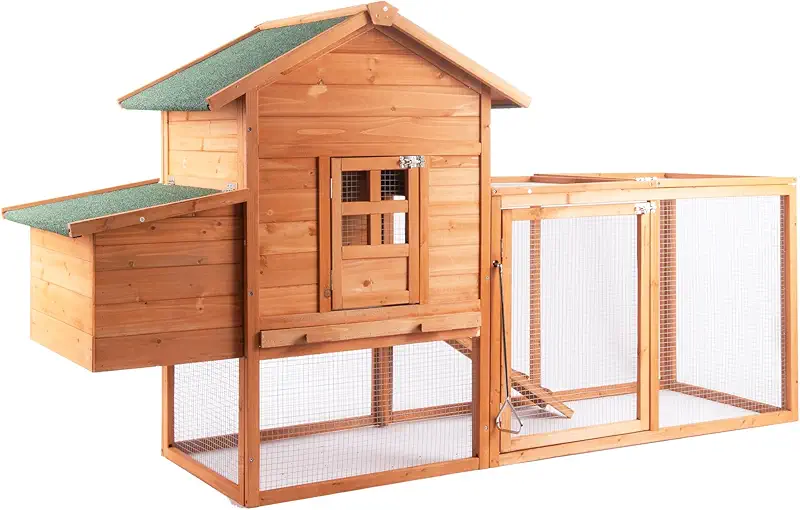
Size, space, and comfort for your hens
Space is where a lot of folks underestimate chickens. They’re small birds, sure, but they don’t like being packed in like a rush-hour subway. Tight quarters lead to pecking, stress, and lousy egg production.
For the metal-framed run area, I aim for:
- 4–10 square feet of run space per hen, depending on how often they free-range.
- Enough height so I can stand up or at least move without crawling like a raccoon.
- Room to add extra roosts, dust baths, and maybe a feed station under cover.
My general rule? If you look at the run and think, “I’d hate to be stuck in there all day,” then your hens would too.
Roofing and shade on a metal frame coop

Hens don’t handle heat nearly as well as we do. A metal frame by itself won’t protect them from the midday sun. That’s where roofing and shade cloth come in.
When I look at a metal frame run, I ask:
- Does it come with a roof panel or cover?
- Is there enough pitch for rain and snow to slide off?
- Can I easily add my own metal panels or tarp if needed?
I like at least part of the run roofed over. The hens use that space when it’s raining, snowing, or just plain too hot. Think of it as their front porch, where they hang out and complain about the weather, just like old farmers.
A good balance is open sides for breeze, with a solid top over at least one-third to one-half of the run. That keeps them dry, but still lets the coop breathe.
Predator protection: where the metal frame really shines
Every area has its own “usual suspects” – raccoons, foxes, neighborhood dogs, hawks, owls, or even coyotes. A chicken coop metal frame gives you a strong skeleton, but it’s the fencing and details that truly keep the bad guys out.
Here’s what I focus on:
Fencing and mesh
I prefer strong welded wire or sturdy chain-link type material over thin, bendy mesh. Hardware cloth (the stiff, small-square stuff) is best for the bottom few feet, especially if you’ve got raccoons around – their little hands are like crowbars with fur.
Digging and climbing
- Buried apron: I like to run 12–18 inches of mesh out along the ground at the base, then cover with soil or gravel. Predators dig at the fence line, hit that buried mesh, and usually give up.
- Covered top: A roof or netting over the top helps with hawks and climbing critters.
The metal frame also helps you anchor everything solidly. I tie fencing to the frame in several spots and use extra ties around the door and corners. Loose spots are where predators start their experiments.
Flooring, bedding, and cleaning with a metal frame run
Most metal frame coops are used as runs or combined coop-and-run setups that sit right on the ground. That can be a good thing. Dirt and grass give hens a place to scratch, dust-bathe, and hunt for bugs, which does half your entertainment job for you.
Over time, though, heavy traffic can turn the ground into a muddy mess. Here’s what has worked for me:
- Start on the highest, driest spot in your yard you can spare.
- Add a thick layer of wood chips, straw, or dried leaves to soak up moisture.
- Rake and refresh the bedding as it breaks down; your garden will thank you for the compost.
The nice thing about a chicken coop metal frame is you can shovel, rake, and wheelbarrow bedding without worrying about chewing up wooden posts or skirting boards.

Daily life with a chicken coop metal frame
A coop can look great in pictures, but what matters most is how it feels to live with it day after day. Chickens need feeding, watering, collecting, and cleaning, and you’ll appreciate every little detail that makes those chores easier.
Make sure you can step inside without ducking too much. Wide doors help with hauling feed buckets and bedding. A door that doesn’t sag is worth a lot on a rainy morning.
Some metal frame runs are light enough to shift slowly across the yard. That lets hens work new patches of grass and lets old ground rest. Just go slow and keep an eye on toes and tails.
Frames with regular horizontal rails make it easy to mount feeders, waterers, roosts, and even windbreaks. I use simple hooks, screws, and zip ties more than I care to admit.
How a chicken coop metal frame helps egg production
Happy hens lay better, and a good frame quietly supports that happiness. Here’s how:
- Less stress from predators: When hens feel secure at night, they rest better and lay more steadily.
- Better airflow: A well-planned frame lets you place vents and open sides where they do the most good without weakening the structure.
- Dry living space: A solid frame can handle a reliable roof, which means drier litter and cleaner eggs.
I’ve watched flocks in rickety coops go off laying after a predator scare. Once I tightened up the structure and secured the frame and fencing, egg numbers crept back up. Chickens might not talk, but their egg basket sends a pretty clear message.

What I watch for when browsing metal frame coops online
When I scroll through different chicken coop metal frame options, I don’t get too dazzled by shiny pictures. I go through my plain little checklist:
- Are there real photos from folks who put it in their yard?
- Does someone mention how it handled wind or storms?
- Is assembly doable with basic tools and one helper?
- Does the size match the number of hens I actually plan to keep (plus a couple more, because I know myself)?
- Is the roof and mesh strong enough, or will I plan on adding upgrades?
I also read complaints carefully. One bad review about shipping damage doesn’t scare me much. But if several people say the frame bends easily or the doors don’t line up, that’s worth listening to.

FAQ about chicken coop metal frame setups
1. Is a chicken coop metal frame safe in very hot or very cold weather?
Metal itself gets hot and cold, but the hens don’t sit on the frame. What matters is shade, airflow, and wind protection. In hot areas, I use a solid roof over part of the run and sometimes add shade cloth on the sunny side. In cold areas, I block winter winds with panels or tarps on the north and west sides while keeping vents high up for fresh air. With that setup, a metal frame coop does just fine year-round.
2. Will a metal frame rust or fall apart quickly?
A good chicken coop metal frame is galvanized or coated to resist rust. I’ve had frames outdoors for years with only small spots of surface rust where I scratched them during assembly. If you see raw metal, a little touch of rust-protective paint goes a long way. I avoid frames that don’t mention any protective coating at all.
3. How many hens can I keep in a metal frame coop?
That depends on the size of the run and whether they free-range. As a rough guide, I like at least 4 square feet of run per hen if they’re out in the yard often, and closer to 8–10 square feet per hen if they’ll stay in the run most of the time. Bigger is almost always better. Overcrowding leads to pecking, dirty bedding, and fewer eggs.
4. Can I attach a wooden coop or nest box to a metal frame run?
Yes, and I’ve done it many times. The metal frame makes a sturdy wall to bolt or clamp a wooden henhouse against. I often build a simple wooden sleeping coop with roosts and nests, then let the hens step down into the metal-framed run during the day. That way, they get the warmth and coziness of wood where they sleep, plus the strength and space of metal for their daytime yard.
5. Is a chicken coop metal frame good for beginners?
I think it’s one of the easiest ways for beginners to start. The frame gives you a clear shape to work with, assembly is usually straightforward, and you can upgrade fencing, roofing, and inside features over time as you learn. Instead of building everything from scratch, you start with a solid skeleton and customize it at your own pace. That’s how I’d set up a first flock if I were starting over.
Final thoughts from an old farm hand
When I walk out to the yard at sunrise and see the hens already scratching under a sturdy metal frame, I don’t think about brand names or fancy descriptions. I just feel grateful the birds are dry, safe, and busy doing what hens do best.
A chicken coop metal frame isn’t glamorous, but it’s the backbone of a safe setup. Get the frame right, and everything else – roosts, nests, feeders, and happy clucks – falls into place a lot easier.
If you’re ready to look over different shapes and sizes, I’d invite you to take your time, picture your own yard, and imagine how many mornings you want that coop to survive. Then pick the one that makes you think, “Yeah, this thing will still be standing when my grandkids are gathering eggs.”

When you’re ready to wander through all the different chicken coop metal frame options and see what fits your little patch of earth, just follow that quiet nudge in your gut.
Show me more coopsWant to explore every kind of chicken coop?
Maybe you’re still thinking things over, or maybe your flock is already tapping their feet wondering where their new home is. Either way, it never hurts to see what’s out there – big runs, small starter setups, and everything in between.

Take a slow stroll through the different chicken coops available and let your eyes – and your hens – help you decide what feels right.
Let me see them all