
Chicken coop near me
Chicken Coop Near me
When folks type “chicken coop near me” and don’t find much, I have to smile. Out here on the farm, the best coops are sometimes a few clicks away, not just down the road. I’ve raised laying hens through blizzards, summer heat waves, and one very opinionated rooster, and I can tell you: the right coop matters more than the right zip code.
In this guide I’ll walk you through how to choose a coop that fits your hens, your yard, and your everyday life, whether you’re on ten acres or a tiny suburban lot. We’ll talk space, safety, cleaning, predator‑proofing, and I’ll share some hard‑earned, boots‑in‑the‑mud experience along the way.
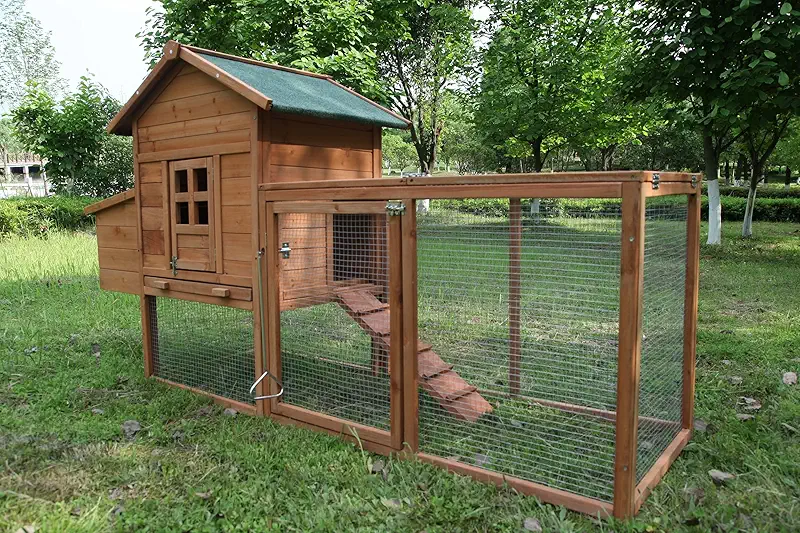
“Near me” really means “right for me”
I’m a U.S. farmer, born and raised with muddy boots and red hens under my feet. When neighbors ask where to find a “chicken coop near me”, I always answer with another question: “What do your chickens need, and what kind of chores are you willing to do every day?”
Coops aren’t just little houses. They’re how you control smell, mess, eggs, and predators. Get it wrong and your birds get sick, your back gets sore, and your mornings get grumpy. Get it right and you’ll be out there with a cup of coffee, listening to soft clucks, and wondering why you didn’t start years ago.
How big should a chicken coop be?
Space is the first place new chicken keepers go wrong. Hens are small, but they don’t like feeling packed in. Overcrowding leads to pecking, stress, and fewer eggs. I learned this the hard way when my “temporary” small coop turned into a “three hens are now twelve” coop. Let’s not repeat my mistakes.
Simple size rules from the farm
- Inside the coop: 3–4 square feet per bird is a good starting point.
- Outdoor run: 8–10 square feet per bird keeps them happier.
- Roost space: around 8–10 inches of perch per hen.
- Nest boxes: 1 box for every 3–4 hens.
If you’re planning for 6 hens, think about:
- Minimum 18–24 sq ft inside the coop.
- 48–60 sq ft in the attached run.
And if you’re like most folks, you’ll “accidentally” add more hens next year. So leave yourself growing room. Chickens are kind of like potato chips: you say you only want a few, and then suddenly you’ve got a whole flock.
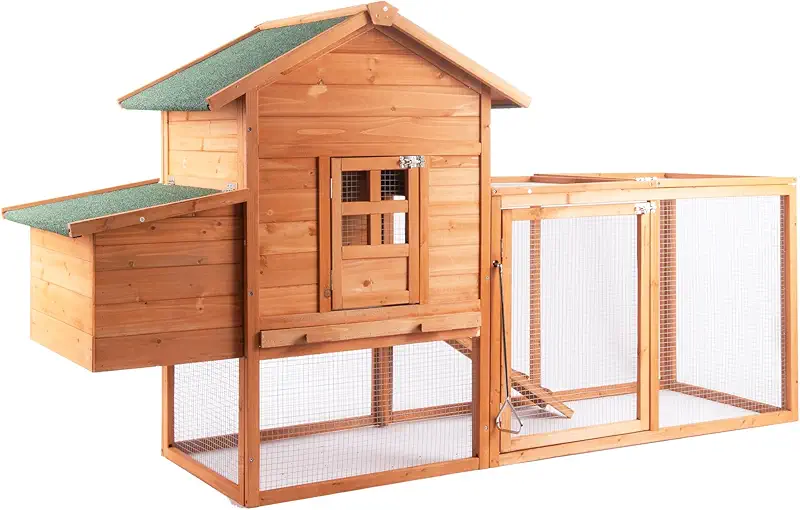
Predator‑proofing: your hens’ night security
Out here we’ve got foxes, raccoons, hawks, and the neighbor’s dog who thinks he’s a coyote. Even in town, raccoons and hawks will find your flock faster than you think. When you’re hunting for a chicken coop near me, you really want a coop that keeps everything else far away.
What I look for in a safe coop
- Strong wire, not flimsy mesh: real hardware cloth, not thin “chicken wire” around openings.
- Solid locks: raccoons can open simple latches. I use carabiners or double latches.
- Stout frame: wood that doesn’t wiggle when you push on it.
- Raised coop floor: keeps things dry and discourages digging underneath.
- Good doors: big enough for you to get in and clean without crawling on your knees.
One summer I lost three pullets in a week because I trusted some cheap wire in the run. Raccoon slipped right through like it owned the place. Since then, I treat predator‑proofing as seriously as I treat my morning coffee.
Show me sturdy coopsVentilation, shade, and weather — keeping hens comfortable
Chickens handle cold better than they handle heat. I’ve seen hens scratching happily on snow, but panting hard on a hot August afternoon. When you look at photos instead of just “chicken coop near me” listings, pay close attention to windows, vents, and roof design.
Good ventilation looks like this
- Openings up high to let warm, moist air out.
- Fresh air without strong drafts blowing directly on the roost at night.
- Vents that are covered with sturdy wire to keep predators out.
Weather‑wise details I’ve learned to love
- Overhanging roof: keeps rain from driving in through the vents.
- Sloped roof: sheds water and snow instead of pooling.
- Dry floor: raised off the ground so bedding doesn’t stay damp.
- Shaded run: at least part of the run in shade most of the day.
My worst coop was beautiful on a cool day and miserable in July. No shade, low roof, barely any air. The hens would stand there with their wings held away from their bodies, looking at me like, “Boss, what were you thinking?”

Cleaning and smell: designing for lazy days
I’ll be honest: some mornings I’d rather drink coffee than shovel poop. That’s why an easy‑to‑clean coop is worth more than fancy paint and cute trim. When you look beyond “chicken coop near me” and into the details, pay attention to how you will work inside it.
Features that make cleaning easier
- Big access doors: so you can use a shovel, not just your hands.
- Removable trays or floors: pull‑out droppings trays save your back.
- Simple interiors: fewer nooks and crannies where mites can hide.
- Roosts you can lift out: makes spring deep‑cleaning much faster.
I run what’s called the “deep litter” system in a few coops: add dry bedding regularly, stir it now and then, and do a big clean‑out a couple of times a year. It works great if your floor stays dry and the coop has good airflow.
Different types of coops and who they fit
Whether you’re on a city lot or a spread of pasture, there’s a style that fits. Instead of just searching for a chicken coop near me and picking the first one, think about how you live and how much time you want to spend moving or maintaining your setup.
- Compact footprint for small yards.
- Coop plus built‑in run for safety.
- Usually easy to assemble and move.
Perfect if you’re just dipping your toes into chicken keeping and want breakfast eggs without turning the yard into a full‑time farm.
- Enough height to stand up inside.
- More space for 6–10 hens or more.
- Much easier cleaning and egg collecting.
If you already know you’ll spoil your birds and probably add more, a walk‑in coop saves you money long term.
- Lightweight, moves around the yard.
- Fresh grass and bugs every day.
- Good for folks who like tinkering.
I use a tractor in the warm months to let the flock mow and fertilize the orchard. Just remember: someone has to move it, rain or shine.
- Coop, run, and sometimes nest boxes included.
- Good for first‑timers who want fast setup.
- Often easy to modify as you learn.
If you’d rather learn with your first flock and tweak later, an all‑in‑one kit can get you from “no coop” to “fresh eggs” in a weekend.
Nest boxes, roosts, and little details that matter
Chickens don’t ask for much, but they do like a good place to sleep and a private spot to lay. Those details are easy to overlook when you’re scrolling through “chicken coop near me” results, but they make a big difference in daily life.
Roosts: bedroom for your hens
- Use wood, not metal — it’s warmer on their feet in winter.
- Flat side up on a 2x3 or 2x4 so they can cover their toes.
- Higher than the nest boxes so they don’t sleep in the nests.
Nest boxes: where the magic happens
- Dark, quiet corners encourage laying.
- Clean, dry bedding keeps eggs nice.
- A little lip on the front so eggs don’t roll out.
I’ve had hens try to lay in feed buckets, hay bales, and once in my wheelbarrow. But when I keep the boxes clean and cozy, most of them use the nests like they’re supposed to.

My daily care routine for laying hens
A good coop makes the daily rhythm easy. Here’s how my mornings usually go, right after I pour that first cup of coffee.
Morning
- Open the coop and let the girls out into the run or pasture.
- Check waterers — fresh, clean water every day.
- Top up feeders and toss a small handful of scratch as a “good morning.”
- Quick look for limping, missing feathers, or anything odd.
Afternoon or evening
- Collect eggs (usually once, sometimes twice in peak season).
- Give the coop a quick stir or spot clean if needed.
- Make sure doors and latches are working smoothly.
Weekly and seasonal
- Add fresh bedding and pull out any wet clumps.
- Inspect for chewed spots, digging, or loose wire in the run.
- Seasonal: adjust ventilation, add windbreaks, or give extra shade cloth.
With a well‑designed coop, this whole routine is quick and almost peaceful. With a bad coop, it feels like a chore list you’re always behind on.

Wood, plastic, or metal? Pros and cons from the field
I’ve tried just about everything: homemade wooden sheds, prefab wood coops, a plastic unit, and a converted metal garden shed. Each has its place. When you’re browsing options instead of only looking for a local “chicken coop near me” sign, keep these trade‑offs in mind.
Wooden coops
- Easy to customize with shelves, roosts, and extra doors.
- Can be warmer in cold weather.
- Needs some maintenance and repainting over time.
Plastic coops
- Often lighter and easier to hose out.
- Less likely to rot or absorb moisture.
- Can heat up fast in full sun, so shade is important.
Metal coops or sheds
- Very durable and long‑lasting.
- Can be converted cheaply if you’re handy.
- Need serious ventilation and insulation in hot climates.
On my place, wood still wins most of the time, but I keep one plastic unit near the garden because it’s so quick to wash out with a hose.

Cost, time, and energy: what’s really “cheapest”?
A lot of folks start with a cheap, tiny coop because it’s nearby and the price looks friendly. A year later they’re hunting for another “chicken coop near me” because the first one cracked, rotted, or turned out far too small.
Things I factor in, beyond the price tag
- How long will it last? A solid coop that holds up for years is cheaper than two flimsy ones.
- How much work will it add? Bad layout means more bending, more cleaning, and more frustration.
- Can I expand it? Panels, extensions, or the ability to attach another run matter.
- How much feed and egg loss will I avoid? Predator‑proof setups save birds and save money.
I’ve wasted more money “saving money” than I care to admit. These days I pick the coop that I can still see myself using five years from now, not just this spring.

FAQ about finding a chicken coop near me
1. How many chickens can I keep in a small backyard coop?
For a typical small prefabricated coop with an attached run, I’m comfortable with 2–4 hens as a maximum. Yes, you’ll see photos with many more squeezed in, but cramped birds get cranky. If you’re dreaming of a dozen hens, skip the tiny coop and start with something that gives you space to walk inside.
2. Do I need an attached run if my birds free‑range?
I always recommend some kind of secure run, even if you plan to free‑range most days. Sooner or later you’ll have a sick hen, a hawk hanging around, or a week when you’re too busy. An attached run gives you a safe backup plan and lets you sleep easy at night.
3. Can I keep chickens in cold climates without heating the coop?
Yes, in most parts of the U.S. you can keep layers without adding heat, as long as the coop is dry, draft‑free at roost level, and well ventilated up high. I’ve had hens do fine through snow and single‑digit nights. Heat lamps cause more fires than they solve problems. Focus on good bedding, draft control, and proper ventilation instead.
4. How far should the coop be from my house?
Close enough that you don’t dread walking out in bad weather. On my place, coops are about a short stroll from the back door. Being too far away means you’re more likely to “skip just this once,” and that’s when predators, frozen waterers, or broken latches show up. I like to be able to reach the coop in under a minute.
5. Is it better to build my own coop or get a prefab one online?
If you’re handy with tools and have time, building can be great. I’ve built a few from leftovers and loved how solid they turned out. But not everyone has spare weekends and lumber. A good prefab coop can get you started fast, and you can still adjust it as you learn. Sometimes the best choice is the one that gets your hens safe and settled this month, not “someday when I finish that big project.”

If you’ve read this far, you’re already the kind of person hens wish they could hire. When you’re ready to look beyond the nearest hardware store and see what’s out there, take a look at the different coop styles and imagine which one fits your yard, your mornings, and your flock’s future.
I’ll browse coops now