
Chicken coop nesting box
Chicken Coop Nesting Box
I’ve been gathering eggs since before I was tall enough to see over the nesting boxes. Over the years I’ve learned this: when your chicken coop nesting box is set up right, hens lay more steady, eggs stay cleaner, and chores feel a whole lot lighter.
On our little U.S. farm, I’ve tried about every kind of nesting setup you can imagine. Some worked, some were a headache, and one got turned into a cat bed. In this guide, I’ll walk you through what actually matters in a chicken coop nesting box, so your hens feel safe, you get more good eggs, and your mornings start with a smile instead of a scramble.
Let me see options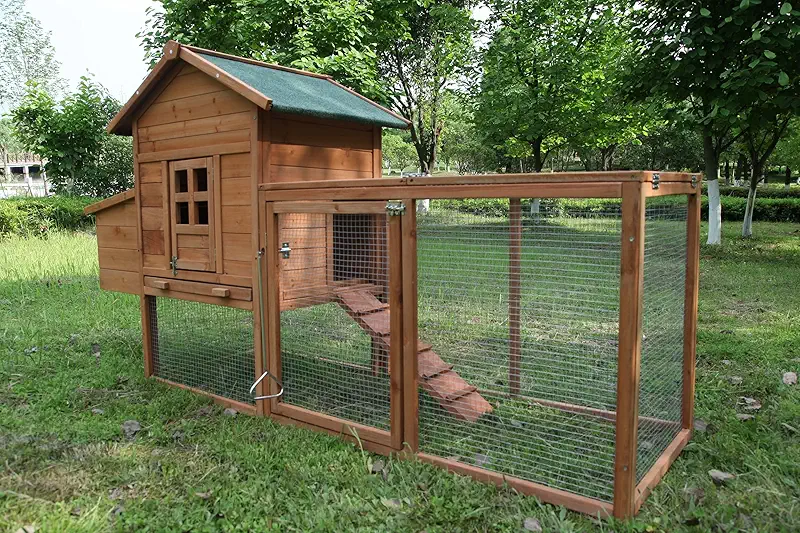
Why the right nesting box matters more than folks think
When people start with backyard chickens, they usually get excited about fancy breeds and pretty coops. Nesting boxes are an afterthought. I did the same. Then I watched my hens lay in flower pots, feed sacks, and once in my open toolbox. Took me half an hour to find that egg. Smelled it before I saw it.
A good chicken coop nesting box gives your hens three simple things: privacy, comfort, and safety. When they have those, they settle down, lay where you want them to, and leave you clean, uncracked eggs. When they don’t, they start laying in dark corners, under bushes, or right in the middle of the coop floor where every other hen can step on the eggs.
Over time, I noticed something else. A calm, well-set nest box area keeps the whole flock more relaxed. Less squabbling, less egg pecking, and fewer “mystery eggs” showing up in places where you discover them with your boots instead of your hands.
Quick checklist for a solid nesting box
- Dark and quiet, away from the traffic of the coop
- Soft bedding that stays dry and fluffy
- Just big enough so hens feel snug, not crowded
- Easy for you to reach from outside or inside
- Easy to clean, no tight corners holding dirt
If your hens are laying where they shouldn’t, odds are one of these points is off. Fix the comfort, and the eggs usually follow.
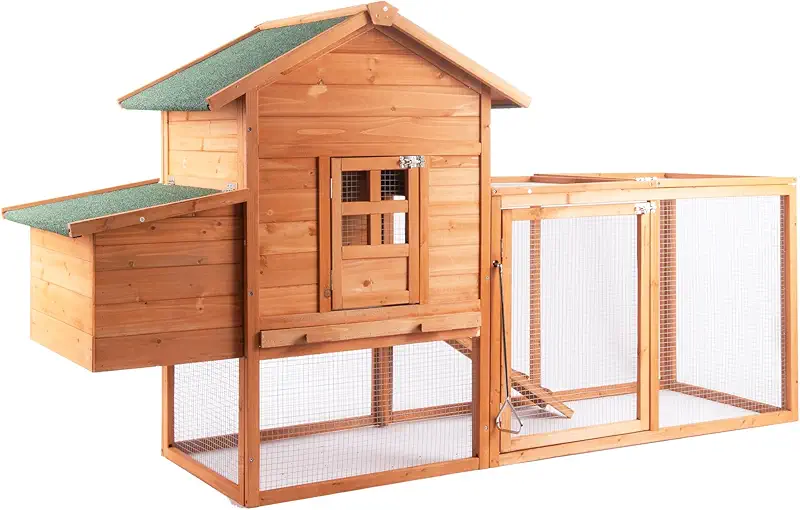
A tidy row of nesting boxes along one wall keeps the egg run quick and easy in the morning.
How many nesting boxes do you actually need?
I’ve seen more fussing over this question than over feed brands. Truth is, hens are funny creatures. You can build eight boxes and they’ll all line up to use the same two. Still, there’s a good rule of thumb that’s served me well:
- Plan for about 1 nesting box for every 3–4 laying hens.
- For a small backyard flock of 6 hens, 2 boxes is usually just right.
- If you have a dozen or more, don’t be shy about that third or fourth box.
On my place, when I slipped under 1 box per 4 hens, I noticed more pushing and shoving, and a few hens started looking for quieter spots. When I added one more box, the drama settled right down. Hens can share, but they don’t like feeling rushed.

Multiple nesting spots give your girls enough choice without turning the coop into a maze.
Best size and height for a chicken coop nesting box
Chickens don’t need a palace to lay an egg. In fact, if the box is too big, they feel exposed. I’ve had the best luck with boxes about:
- 12 inches wide
- 12 inches deep
- 12 inches high in the front, a touch taller in the back
That size fits most standard laying breeds just fine – Rhode Island Reds, Barred Rocks, Australorps, you name it. Bigger breeds like Brahmas appreciate a bit more head room, but most backyard hens cozy right into a 12x12 space.
As for height off the ground, I like the bottom row of nesting boxes to sit about 18–24 inches above the floor. High enough to stay dry and clean, low enough that older hens don’t struggle to hop in. If you stack a second row, keep it low enough that they don’t prefer roosting on top of the boxes instead of the actual roosts.

Right-sized boxes help hens feel tucked in and safe, not cramped or exposed.
What to look for in a ready-made nesting box
I’ve built more homemade boxes than I can count, but I’ll tell you something honestly: as I got older and my knees started arguing with me, I grew a real appreciation for a good ready-made chicken coop nesting box. Less time in the workshop, more time drinking coffee and watching the flock.
Here’s what I look for when I’m choosing a box setup:
1. Solid, easy-to-clean construction
Wood feels cozy, but it can soak up moisture and harbor mites if you’re not careful. Metal and heavy plastic boxes stay cleaner and don’t mind a scrub. If I can hose it down or wipe it out in a minute, it’s a winner in my book.
Look for smooth corners and simple shapes. If there’s a lot of decorative trim, I picture where dust and droppings will settle. That little mental picture has saved me a lot of scrubbing over the years.
2. Good ventilation without drafts
A nesting box should feel snug, but not stuffy. Small openings along the top or back help air move without blowing right over the hen. I’m in the States where summers can get pretty warm, and I’ve learned that a bit of quiet airflow keeps the nesting area smelling like clean straw instead of… well, you know.
3. Sloped roofs to stop roosting
If the top of the nest box is flat, the hens will try to sleep on it. Then you’re dealing with droppings right above your nice clean eggs. A slightly sloped top makes it less inviting, and the flock will usually choose the roost bars instead.
Ask me how I learned this. Let’s just say I spent one Sunday morning scraping dried poop off the top of a plywood nest bank while the hens stared at me like I’d interrupted a show.

Sloped tops and simple lines make nest boxes both hen-friendly and farmer-friendly.
4. Roll-out or traditional floor?
Roll-out nesting boxes tilt so eggs gently roll to a covered tray once they’re laid. That keeps eggs cleaner and helps stop egg-eating habits before they start. I like roll-outs when I’m busy or when kids are helping collect eggs – fewer cracked shells to deal with.
Traditional flat-bottom boxes work just fine too, especially for small flocks and folks who check the coop often. If you go traditional, make sure the front lip is high enough, about 3–4 inches, to keep bedding and eggs from spilling out.
Bedding: what to put inside your nesting box
A chicken coop nesting box is only as good as what you put in it. Over the years I’ve tried straw, hay, wood shavings, and those fancy nesting pads. Here’s how they stacked up for me:
Straight straw
Straw is easy to find and looks “country pretty,” but it can mat down and get musty if it gets damp. I still use it sometimes, but I fluff it often and don’t let it get soggy. Mice like hiding in it too if you’re not careful.
Wood shavings
I like pine shavings for most of the year. They’re absorbent, smell fresh, and hens seem to like digging a little nest in them. Just avoid dusty, powdery shavings. Your hens don’t need to breathe that in.
Nesting pads
A few years back I tried nesting pads with a textured surface that lets dirt fall through. I’ll admit, I was skeptical. But they saved me bedding time and kept eggs cleaner, so they stuck around. I toss a handful of shavings or straw over them and call it good.

Soft, dry bedding in each box makes laying time quiet and calm for your hens.
Where to place your nesting boxes inside the coop
Hens like to feel hidden when they lay. When I’m planning a coop, I picture where I’d sit if I wanted to be left alone with my thoughts. That’s usually where the nest boxes go.
A few placement tips that have never steered me wrong:
- Keep nesting boxes away from feeders and waterers. Too much traffic makes hens restless.
- Don’t put boxes higher than your roost bars. If you do, some birds will try to sleep in them, and you’ll wake up to dirty bedding and dirty eggs.
- Avoid direct sunlight shining straight in. A soft, dim light is best.
- If you can, give yourself outside access with a hinged lid. Your back will thank you.
In one of my first coops, I put the nesting boxes right by the pop door. Every time a hen settled in, another one barreled through the door or flew down from the roost above. That corner stayed chaotic. Once I moved the boxes to the quiet end of the coop, the whole place felt calmer.

Nesting along the quiet wall keeps egg-laying peaceful and predictable.
Training hens to use the nesting box
Every now and then, you’ll get a hen that thinks she’s smarter than you are. She’ll lay behind a hay bale, under the coop, or right in the goat stall. Here’s how I gently convince those free spirits to use the nesting box like everyone else:
Use fake eggs as “hints”
I keep a few ceramic or wooden eggs around. Golf balls work in a pinch. I place one in each nesting box. Hens see those and think, “Well, someone trusts this spot.” It’s farm peer pressure, I suppose.
Block off bad hiding spots
When I find a stash of eggs somewhere I don’t want them, I clean it out and then block that corner with a bucket, board, or bale. Hens are stubborn, but not that stubborn. If the cozy corner disappears, they’ll try the nest box again.
Keep boxes open but calm
Don’t let kids, dogs, or curious visitors lean over the boxes all the time. If hens get startled every time they settle in, they’ll go looking for quieter real estate.

Simple, steady routines teach even the stubborn hens that the nesting box is the right place.
Keeping your nesting boxes clean and healthy
A nesting box should smell like clean bedding and warm feathers, not a swamp. The good news is, it doesn’t take much work to keep things in shape if you stay ahead of it.
- Daily quick check: When you collect eggs, glance at the bedding. If you see droppings, wet spots, or broken egg mess, scoop it out right away.
- Weekly refresh: Top off the bedding, shake it loose, and pull anything that looks packed down or dusty.
- Monthly reset: Empty the boxes fully, give them a wipe or scrub with a mild, chicken-safe cleaner, then add fresh bedding.
- Mite patrol: In warm months especially, dust cracks and corners with a poultry-safe powder now and then. It’s easier to prevent mites than to fight a full-blown problem.
I tell folks this: “If you wouldn’t nap there with your face close to the floor, it’s not ready for your hen either.” That picture tends to make the point.
FAQ about chicken coop nesting boxes
1. When should I add nesting boxes for my young pullets?
I like to have nesting boxes ready and open by the time pullets are about 16–18 weeks old, or a couple of weeks before I expect the first eggs. That gives them time to explore, scratch around, and get comfortable. If you wait until they’re already laying, some will form habits in odd spots and be slower to switch.
2. Why are my hens sleeping in the nesting boxes?
If hens are sleeping in the boxes, usually the roosts aren’t more appealing than the nests. Either the roosts are too high, too drafty, or just not as comfy. Make sure your roosts sit higher than the nesting boxes, are sturdy and wide enough, and aren’t right under a vent. Then gently move the birds to the roost at dusk for a few evenings. Most flocks catch on quickly.
3. How do I stop hens from eating eggs in the boxes?
First, collect eggs more often so they don’t sit there as a temptation. Second, keep enough bedding in the boxes so eggs don’t crack when laid. Once a hen tastes a raw egg, the habit can spread. Roll-out nesting boxes help a lot because the egg slips away out of reach. I’ve broken the habit in a few flocks just by switching to roll-out style boxes and staying ahead with quick collections.
4. Can I put nesting boxes outside the coop?
You can, and many pre-made setups mount on the outside wall with a lid on top. The key is to make sure they’re weather-tight and predator-tight. No gaps for rain or snow to blow in, and hardware cloth or solid walls to keep out raccoons and rats. I like outside access myself – it keeps my boots out of the mud on bad mornings – but the boxes still need to feel dark and sheltered to the hens.
5. Do I need different nesting boxes for bantams or bigger breeds?
Most standard boxes work for a mixed flock. Bantams are happy in full-size boxes; they just look like they’re sitting in the front row at the movies. Really big breeds may appreciate a slightly wider box, but I wouldn’t overthink it. What matters more is quiet, comfort, and clean bedding. If those are right, most hens don’t file a complaint.
If you’re ready to make egg-gathering simple and keep your hens calm and content, a well-made chicken coop nesting box is one of the best upgrades you can give your flock.
I’ll browse all coops