
Chicken coop nesting pads
Chicken Coop Nesting Pads
I’ve been gathering eggs since before I was tall enough to see over the nesting boxes. Over the years I’ve learned one simple truth: good chicken coop nesting pads make life easier for you and much calmer for your hens.
In this guide I’ll share how I use nesting pads on my own U.S. farm, what really matters when choosing them, and a few hard‑earned lessons from muddy boots and cracked eggs.
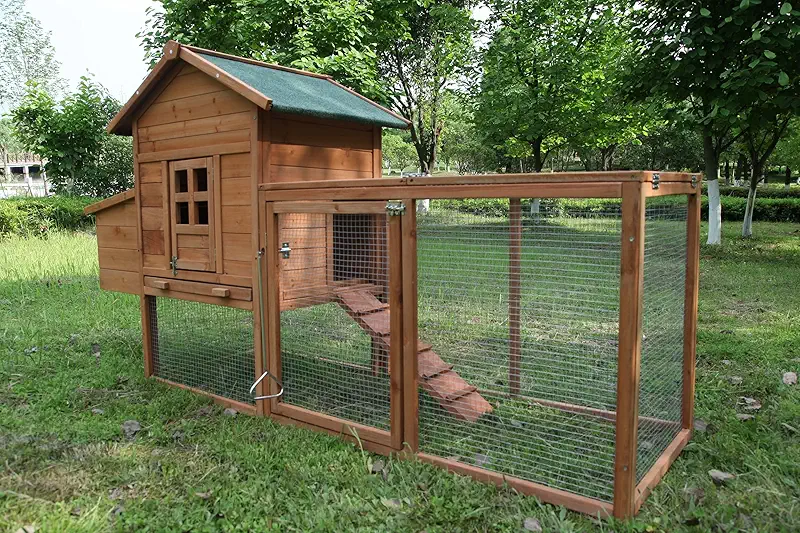
Why nesting pads matter more than most folks think
When people start with backyard chickens, they fuss over breeds, feeders, waterers, fancy doors, even little chicken swings. Then they toss whatever they find into the nesting boxes and hope for the best. I did the same thing my first year, and I paid for it in cracked eggs and cranky hens.
The nesting area is a hen’s nursery. If she doesn’t feel safe and comfortable there, she’ll lay eggs in all the wrong places—under the coop, in the hay bales, behind the feed barrel. I once spent half a day hunting for eggs only to find a secret stash in the old wheelbarrow. Clever birds, terrible system.
Good chicken coop nesting pads do three big jobs:
- Give hens a soft, grippy surface so eggs don’t crack on impact.
- Keep eggs cleaner so you spend less time scrubbing and more time enjoying breakfast.
- Make daily cleaning quick and easy, instead of a messy chore you keep putting off.
Once I switched from loose straw to proper nesting pads, the change was so obvious my wife just raised an eyebrow and said, “Took you long enough.” She was right.
Types of chicken coop nesting pads I’ve tried
I’ve tested just about everything I could fit in a nesting box. Some worked great, some turned into a soggy, smelly mess. Here’s how I’d break them down from a practical farmer’s point of view.
1. Straw and hay over pads
I grew up using straight straw. It’s cheap, familiar, and smells like home. But it compacts fast, gets damp, and the hens love to kick it out for fun. These days, I like to use a solid nesting pad as the base and then add a light sprinkle of straw or hay on top for that “natural” feel.
The pad supports the egg, the straw keeps the hens happy, and cleanup is as simple as shaking off the loose bits.
2. Reusable plastic or rubber style pads
These are the workhorses of chicken coop nesting pads. They usually have a bit of give, some texture, and sometimes slats or holes so droppings fall through instead of sitting right on the surface.
I like these for bigger flocks or when I know I won’t have time to fuss with the boxes every day. When they get dirty, I just pull them out, hose them off, let them dry in the sun, and slide them back in.
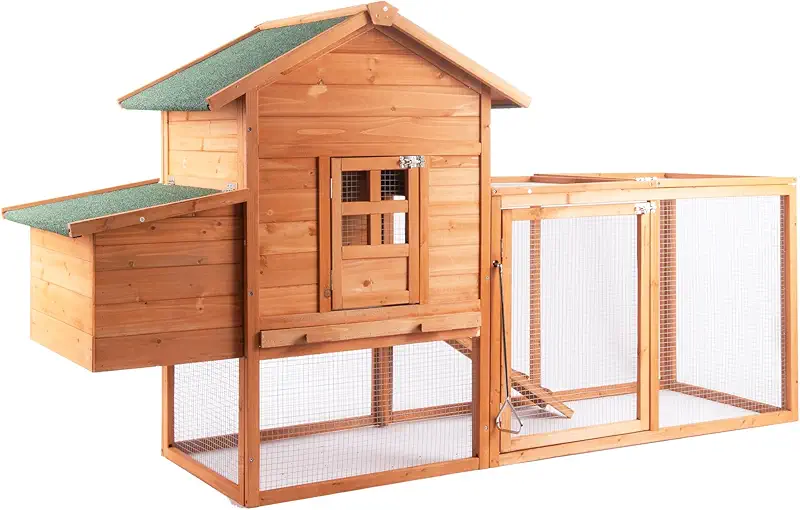

3. Fiber or “nesting mat” pads
These look almost like artificial grass or thick fibers woven together. Hens love to snuggle down in them, and the eggs sit nicely without rolling around. The nice part is that droppings often fall through the fibers, keeping the top cleaner.
On my farm, I use these in the favorite nesting boxes — you know, the ones every hen insists on using, even though there are six others wide open. Chickens are like toddlers: everybody wants the same seat.
Farmer tip: Whatever type of chicken coop nesting pads you choose, buy a couple of extras. When one gets dirty, you can swap it out in seconds and wash at your own pace.
How to choose the right nesting pads for your hens
Every setup is a little different, but there are some simple rules I follow whenever I’m picking new pads for my coop.
Size and fit of the nesting box
Hens don’t want a ballroom to lay eggs in. They like things snug, dark, and quiet. Most backyard nesting boxes are around 12x12 inches, give or take. I always check the pad size against my boxes and don’t mind trimming a little if needed.
A pad that curls up at the edges can bother a hen. If she doesn’t like the feel under her feet, she may ignore that box completely and go lay under your porch instead. Ask me how I know.
Soft, but not squishy
A good pad is like a good mattress: firm enough to support, soft enough to be comfortable. If it’s too hard, eggs crack when they land. If it’s too soft or flimsy, the pad shifts around and bunches up.
I like pads that have a bit of spring when you push down, but pop back into place instead of staying dented.
Drainage and cleanliness
Hens don’t always keep their bedrooms tidy. Droppings happen, and sometimes broken eggs do too. That’s when the design of the pad matters most.
- Some pads have holes or slats so moisture and droppings fall away from the egg.
- Others are dense but non-absorbent, so you can wipe or hose them clean.
- Fiber pads often trap bits in between, which can be okay if you rinse them now and then.
For my larger flock, I lean toward pads that wash off easily with a garden hose. On cold winter days, I’m grateful for anything that cuts my time out in the wind.
Comfort and privacy for the hen
A calm hen lays better and more regularly. Nesting pads can help with that, mostly by creating a cozy, consistent spot that always “feels right” under her.
I like darker corners, solid backs on the boxes, and pads that aren’t slippery. If a hen feels like she’s skating around while she settles in, she’s not going to relax.
Sometimes I’ll see a hen test a new box by scratching around for a while, then settling. If she stays put, I know I picked the right pad.

My daily and weekly nesting pad routine
You don’t need fancy spreadsheets or timers to take care of your coop. A simple routine keeps things fresh and keeps the hens laying where you want them to. Here’s how I handle my chicken coop nesting pads through a normal week.
Every morning: quick glance and egg check
First thing in the morning, coffee in hand, I step into the coop and check the boxes. I collect any early eggs, look for obvious messes, and make sure the pads are lying flat.
If I see a broken egg, I pull the pad immediately, scrape or rinse it, and put in a clean spare. Leaving broken yolk in the nest is a sure way to teach hens bad habits like egg eating.
Midweek: shake and smooth
Once or twice a week, I take a few minutes to:
- Shake off loose feathers, straw, and dust from each pad.
- Add a light sprinkle of fresh straw or shavings if needed.
- Smooth the surface so eggs won’t roll to the corner.
It takes less time than scrolling my phone, and the hens appreciate it far more.
Weekly or biweekly: full clean, depending on weather
In dry weather, I’ll do a deeper clean every week or two. In wet, muddy seasons I do it more often. I:
- Pull each pad out of the box.
- Knock off loose stuff against a fence post or trash can.
- Rinse with a hose if needed, sometimes with a little mild soap.
- Let them dry in the sun, which helps with smells and germs.
While the pads are out, I scrape the bottom of the nesting box and make sure there’s no damp spot or draft coming through. No hen wants a cold breeze on her tail feathers while she’s working.


Little joke from my farm: I tell visitors the hens have better mattresses than I do. With the way my back feels some mornings, I’m only half kidding.
Real-world problems nesting pads can solve
I’ve seen a lot of the same coop problems repeat themselves from one farm to the next. Many of them get better just by choosing and using chicken coop nesting pads the right way.
Problem: Dirty, stained eggs every day
If you’re washing every egg like it came from a mud wrestling match, something’s off. Usually it means droppings are landing where the eggs are, or moisture is building up in the nest.
A pad that lets droppings fall away, plus just enough clean bedding on top, keeps most eggs tidy right from the start. On my farm, I went from scrubbing half my eggs to barely needing to rinse a few each week.
Problem: Cracked eggs in the boxes
If you find hairline cracks or broken shells but can’t blame a predator, the eggs are likely hitting something too hard or rolling into each other.
- Look for bare wood or metal under the pad.
- Check if the pad is slipping off to one side.
- Add a bit of extra bedding where eggs tend to land.
A softer, grippier pad with some give in it usually fixes the problem fast.
Problem: Hens laying everywhere except the boxes
This one can drive you crazy. I’ve collected eggs from feed buckets, old tires, and once from the engine bay of a parked tractor. Cozy spot, terrible idea.
Here’s what worked for me:
- Made the nesting boxes darker and more private.
- Put comfortable nesting pads in the boxes and kept them clean.
- Blocked off tempting corners for a week or two to break old habits.
- Plopped a couple of fake ceramic eggs into the boxes as “hints.”
Once hens realize the box is the easiest, softest place to lay, they usually stick with it.
Setting up your boxes with nesting pads: a simple step-by-step
You don’t need to overthink this. Here’s the same basic setup I recommend to neighbors when they first start keeping layers.
- Clean out the old bedding. Scrape the box down to bare wood or plastic.
- Check for drafts and leaks. Patch any cracks where cold air or rain sneaks in.
- Lay in the nesting pad flat. Trim only if needed so it doesn’t curl up the sides.
- Add a light layer of straw or shavings. Just enough for scratching, not a whole bale.
- Place a couple of dummy eggs. Let the hens know “this is where we do that.”
- Give it a few days. Hens are slow to trust new setups, but once they settle, they’re loyal.
Once your chicken coop nesting pads are in place and your hens accept them, you’ll notice your whole routine gets calmer. Eggs show up in the same places, they’re cleaner, and the hens spend less time arguing over where to lay.
You’ll still have the occasional rebel hen who thinks an empty feed sack is the perfect nest. That’s poultry life. But at least your main flock will be doing things the easy way.

My grandfather used to say, “Take care of the place they lay, and they’ll take care of your breakfast.” Decades later, I’ve found he was right. Good nesting pads are a small detail that make a big difference.
FAQ about chicken coop nesting pads
How many nesting pads do I need for my flock?
A common rule of thumb is one nesting box for every 3–4 hens. So if you have 8 hens, 3 boxes with 3 pads will usually do it. I like to keep 2–3 extra pads on hand so I can swap out dirty ones right away instead of running the hose in the rain.
How often should I replace nesting pads?
It depends on the material and how rough your hens are, but most good chicken coop nesting pads can last a long time if you keep them clean. I’ve had durable pads go two or three seasons with just regular rinsing. If the pad cracks, stays flattened, or starts to hold odors even after washing, that’s when I retire it and bring in a fresh one.
Can I use nesting pads in winter?
Yes, and I recommend it. In winter, I prefer pads that don’t hold moisture and that stay reasonably flexible in the cold. I also add a bit more straw on top for insulation. Dry, well-padded nests help prevent eggs from freezing and cracking before you can collect them.
Do nesting pads stop hens from breaking and eating eggs?
They can help, but they’re not magic. A good pad cushions the egg so it doesn’t crack on impact, and sometimes the egg rolls slightly out of the hen’s immediate reach. That alone stops a lot of accidental breaks that can turn into egg-eating habits. If you already have an egg eater, you may also need to collect eggs more often and use dummy eggs while you break the habit.
Are nesting pads safe for chicks if one of my hens goes broody?
Most quality pads are fine, but I pay attention to gaps and fibers. If there are large openings where tiny legs could slip through, I lay a thin layer of straw or shavings over the pad to smooth it out. I’ve had several broody hens successfully hatch on top of nesting pads without trouble, as long as the surface was even and dry.
Bringing it all together
Raising laying hens isn’t complicated, but it is about paying attention to the little things. Nesting pads don’t seem exciting when you’re first planning your coop, yet they end up shaping your daily chores and the quality of every egg you collect.
With good chicken coop nesting pads, your hens have a steady, soft place to settle. You deal with less mess, fewer cracked eggs, and a quieter coop. Instead of crawling under bushes with a flashlight looking for runaway eggs, you stroll out in the morning, lift a few nest box lids, and fill your basket.
If you’re just starting out, don’t worry about finding “perfect.” Look for pads that fit your boxes, are easy to clean, and give your hens a soft, secure footing. If you’ve been keeping hens for a while, a small upgrade in your nesting area might be the simplest way to make your chores gentler and your eggs nicer.
After all these years on the farm, I’ve learned one thing for sure: when the nests are right, everything else in the coop runs smoother.

When you’re ready to look around and see what might fit your coop best, take your time and picture how your hens will feel settling onto each nest.
I’ll explore the coops