
Chicken coop odor control
Chicken Coop Odor Control
I have been raising laying hens here in the States for a few decades now. Over the years I learned one hard truth: if you do not stay ahead of the smell, the smell will stay ahead of you. In this guide I will show you how I keep my coops fresh, eggs clean, and neighbors friendly, using simple routines, good bedding, and a bit of old farmer stubbornness.
When folks visit my farm for the first time, they often say, “I expected your chicken yard to smell worse.” That always makes me smile, because good chicken coop odor control is not magic. It is just a mix of dry floors, fresh air, and a little common sense. When I started out, my first coop smelled like a wet sock left in a truck for a week. I made all the mistakes for you, so you do not have to repeat them.
Back then I tried to fix the stink with air fresheners and fancy sprays. All I did was perfume a problem that started on the ground. Ammonia from droppings, wet bedding, and poor ventilation are the big three smell makers. Once I learned to control those, the odor backed down fast, and my hens got healthier too.
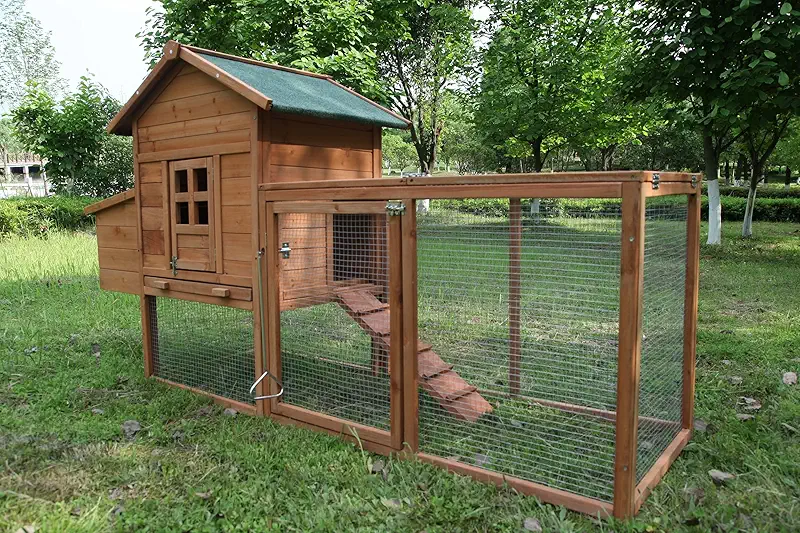
See what fits your flock
Different coops breathe and drain in different ways. When you look around, keep airflow, easy cleaning, and dry floors in mind first. Pretty paint can wait.
Let me browse calmlyI like coops that open wide for cleaning, have raised floors, and space under the roof for air to move without freezing the birds.
Why a clean‑smelling coop matters more than you think
A smelly coop is not just a nose problem, it is a health problem. Ammonia from wet droppings can burn your hens’ eyes and lungs. If you can smell it, they have been breathing it for a while already, because their heads live down closer to the floor than ours. A strong, sharp “barn smell” tells me I waited too long to clean.
Strong odor also attracts flies, rodents, and sometimes predators that learn to follow that scent trail. I had one summer where the flies got so bad I could not drink coffee on the porch without sharing. That was the year I tightened up my odor control routine and never went back.
The good news is that chicken coop odor control does not need high‑tech gadgets. What it really needs is:
- Dry bedding with the right depth and material
- Plenty of fresh air without cold drafts on the birds
- A simple, steady cleaning habit you can actually keep
- Smart use of odor‑controlling products when needed, not as a crutch
Let me walk you through how I handle each of those on my own place.
Choosing bedding that fights odor instead of causing it
Bedding is where most of the battle is won or lost. Think of bedding as your sponge and filter. It needs to soak up moisture, let air move, and hold droppings in place until you clean or compost them.
My go‑to: dry pine shavings
I use kiln‑dried pine shavings for most of my coops. They are light, they compost well, and they do not pack down too tight.
- Smell pleasant and woodsy
- Absorb moisture better than straw
- Easy to stir for deep‑litter methods
What I avoid: dusty or moldy stuff
I once tried some cheap, dusty shavings from a feed store sale. My hens coughed for a week, and the smell got worse, not better.
- Avoid anything damp or musty
- No lawn clippings piled thick in the coop
- Skip cedar shavings for layers; too strong on their lungs
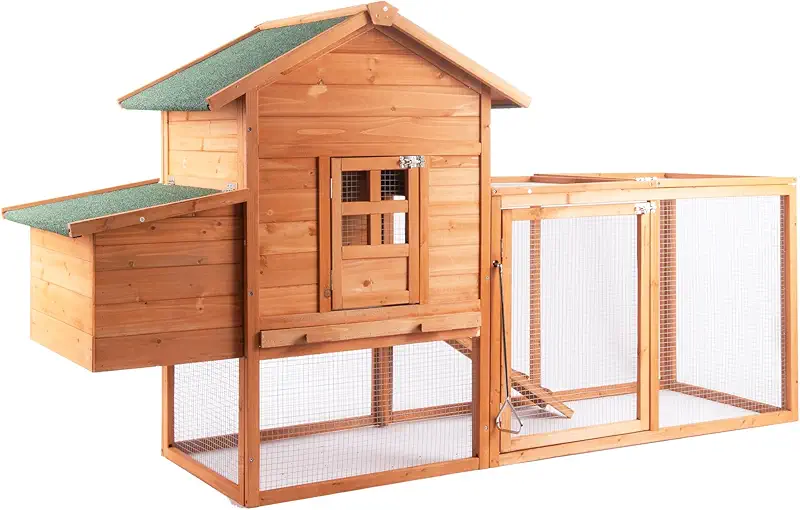
How deep should bedding be?
Depth depends on your climate and how often you clean. In my main laying coop I keep 3–4 inches of shavings most of the year. In winter I may build it up to 6 inches and use a deep‑litter style, turning the bedding with a fork every few days.
Too shallow and you will see damp patches and smell ammonia fast. Too deep and never stirred, it can get soggy underneath and heat up in spots. When I walk through the coop, I listen for that soft crunch under my boots. If I hear squishing instead of crunching, I know I messed up.
Adding odor‑control helpers to the bedding
Over the years I tried several things to help with chicken coop odor control right in the bedding:
- Agricultural lime (not hydrated lime): A light sprinkle on the floor before fresh bedding can help neutralize acidity and control smell. I use it sparingly.
- Zeolite or coop odor granules: These trap ammonia like a sponge. I will mix some into the top layer of bedding under the roosts during humid weather.
- Natural odor‑control powders: Some blends use clay, herbs, and minerals. I like these around nest boxes to keep that area sweet and dry.
Tools like these are helpers, not a free pass to skip cleaning. If a product promises to “fix everything” without you lifting a shovel, I keep my wallet in my pocket and my boots moving.
Ventilation: letting the stink out without freezing your girls
The best nose work you can do does not come in a bag. It comes from smart airflow. Chickens breathe out moisture, their droppings release ammonia, and your coop roof should be where all that heads out, not back into their lungs.
I like coops with high vents under the eaves, protected by hardware cloth. Warm, moist air rises and slips out there. Cooler, drier air sneaks in lower, but I make sure it does not blow straight across the roosts in winter.

My simple airflow checklist
- Can I see vents high on at least two walls?
- Are openings covered with sturdy wire, not chicken wire?
- Is there a way to add or remove vent space with the seasons?
- On a cold night, do the hens feel a draft on the roost? (I check with my bare hand.)
If you are looking over different coop styles, pay more attention to their roof height and vent design than to color or trim. Fresh air is your cheapest and strongest ally in chicken coop odor control.
My daily and weekly routine for chicken coop odor control
Routines beat emergencies. It is easier to give the coop ten minutes most days than to lose a whole Saturday to a horrible mess. Here is what I do.
Every day (or close to it)
- Quick walk‑through while I collect eggs
- Scrape droppings off the roost boards into a bucket
- Scatter a thin layer of fresh shavings under the roosts if needed
- Check corners for wet spots and clumped bedding
- Give feeders and waterers a fast wipe if I see gunk
That little scrape under the roosts makes a huge difference. Most of the manure piles up there at night. If you catch it before it sinks into the bedding, the smell never really builds.

Once a week
- Rake or fork the bedding to break up any packed areas
- Remove obviously wet or caked patches and replace with dry material
- Sprinkle a little odor‑control powder where the hens sleep most
- Wipe down perch surfaces and nest box edges
- Take a minute to just stand and sniff – if I smell sharp ammonia, I adjust
You would be surprised how much you can keep up with just using a good rake, bucket, and a strong nose. Whenever I am tempted to skip, I remember that the hens give me fresh eggs every day. Ten minutes of work feels like a fair trade.
Big clean‑out days
A few times a year, or more often in wet climates, I do a full clean‑out:
- Move the hens into a temporary pen or let them free‑range for a bit
- Shovel all the bedding into a wheelbarrow for composting
- Scrape floors and low walls, then sweep everything out
- Let the coop dry with doors and vents wide open
- Dust corners and cracks for mites if needed
- Sprinkle agricultural lime or odor control granules on the floor
- Add fresh, dry bedding back in, a little deeper than usual
Those days leave me tired, but when I walk into that clean, dry coop in the evening, take a deep breath, and smell almost nothing, it is worth every shovel load.
Water, feed, and little leaks that turn into big smells
Some of the worst odor I ever fought came from one silly leaky waterer. It dripped just enough to keep the corner under it damp. Damp bedding turned into a sour mess, and I chased that smell for a month before I spotted the slow drip in the morning light.

Keep the wet stuff under control
- Waterers: Hang them or raise them on a block so the hens do not kick bedding into them. Check for slow leaks and replace bad seals right away.
- Feeders: Spilled feed mixes with moisture and starts to rot. I like feeders that cut down on scratching and waste.
- Roof and walls: Even a small drip can soak a corner. Fix leaks quick; wet, dark corners are where stink and sickness both love to live.
Good chicken coop odor control starts with staying ahead of water and waste. A dry coop is a lot easier to keep sweet than a damp one, no matter what you sprinkle on it.
Let the hens help you: outdoor space and dust baths
Another trick is to let the birds move some of their business outdoors. A roomy run, or better yet, some supervised free‑ranging, spreads manure out over the land instead of piling it all in the coop.

I also keep a dedicated dust bath area with dry soil, sand, and a little wood ash. Healthy birds that bathe and preen well tend to stay cleaner, and a clean bird makes for a cleaner coop. Plus, watching them flop around in the dust like happy little feathered pigs always improves my mood.
Give them shade, places to scratch, and something to do, and they will spend less time standing in one spot in the coop turning it into a soggy mess.
My honest thoughts on coop designs and extras
Over the years I built a few coops myself and looked over plenty of ready‑made ones. Some are built by folks who clearly never met a chicken in their life. Others are surprisingly smart, with little touches that make odor control easier.

Features that help with odor
- Coop raised off the ground so air can move underneath
- Big door or side panels that open wide for fast clean‑outs
- Removable droppings tray under the roosts
- Metal or solid floors that do not soak up moisture
- Roof overhangs and gutters that keep rain away from walls
When I look at different options, I picture myself cleaning that coop on a hot, busy day. If it looks like a back‑breaking puzzle, I move on. If the doors swing wide, roosts are easy to reach, and there is room to rake, I know I can stay ahead of the smell.
Take a calm look at coop options
If you are thinking about a new coop or adding another one, look for something that makes cleaning simple and airflow natural. Your nose, your hens, and your weekends will all thank you.
I’ll quietly compareReal‑life example from my farm
Let me tell you about the worst smelling coop I ever owned. It was a little shed I bought used, cheap, because I thought I was clever. Low ceiling, tiny windows, no vents, and a dirt floor. In the middle of a wet spring, that floor turned into a sticky cake of wet manure and mud.

I tried everything. Extra shavings, sprays, powders, you name it. Nothing worked until I fixed the real problems:
- Added vents high on both ends under the roofline
- Laid down a solid floor over the dirt with a slight slope to one side
- Built a simple droppings board under the roosts
- Changed my routine to scrape that board every morning
Within a week the sharp ammonia smell was gone. A month later, the coop just smelled like clean wood and dry shavings. Same birds, same number of hens, but better design and habits. That is the heart of chicken coop odor control—fix the source, not just the scent.
Chicken coop odor control – questions I hear all the time
If you are ready to look over different coops with fresh air, easy cleaning, and simple odor control in mind, take your time and trust your farmer sense.
Show me all coops