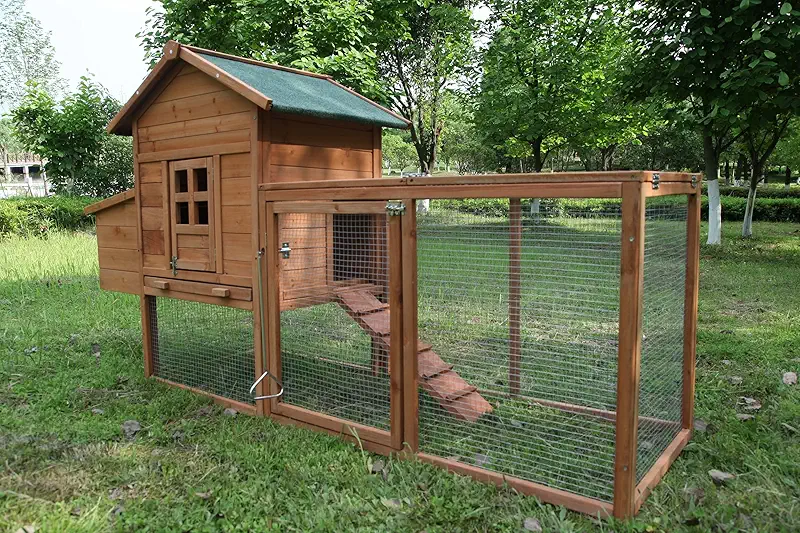
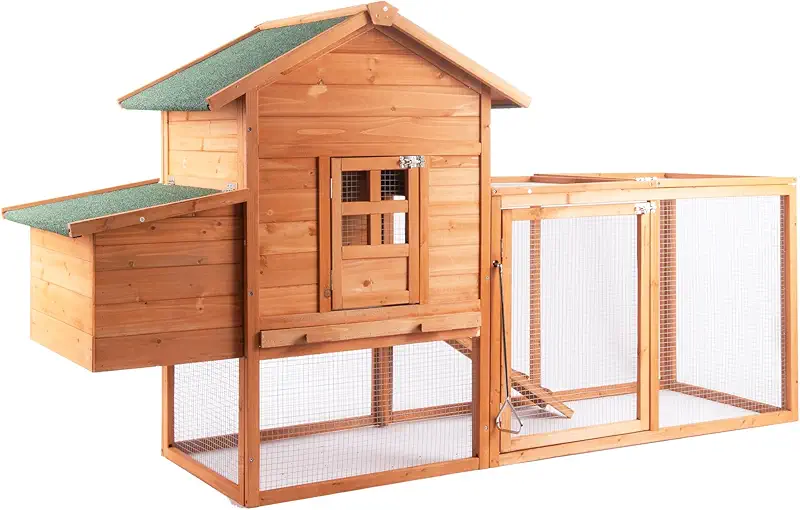
Farmer-tested guidance
Chicken coop on sale deals
Chicken Coop on Sale Deals
I’ve been raising laying hens on our little patch of ground for more than thirty years, long enough to know two things: good eggs start with a good coop, and a good coop doesn’t have to empty your wallet. On this page I’ll walk you through how I look at chicken coop on sale deals as a working farmer, so you can keep your birds safe, dry, and laying strong while still being friendly to your budget.
When folks ask me how I picked my first coop, I tell them the honest truth: I didn’t. My neighbor talked me into a cheap little box with pretty paint and weak wood. First big storm, the roof tried to fly to Kansas and my hens looked at me like, “Really, this is home?” I learned fast that a smart deal is not just about the lowest price tag. It’s about the right coop at the right price.
These days, when I look through chicken coop on sale deals, I treat it like checking a tractor at an auction. I ignore the shine and study the bones: space, airflow, predator safety, and how easy it is to clean. If those four boxes are ticked, then I care about the discount. If not, I move on, no matter how nice the sale looks.
How I judge chicken coop on sale deals as a working farmer
Let me share how I walk through a coop listing, step by step, the same way I do for my own flock. Think of it like sitting at my kitchen table with a cup of coffee, scrolling through coops together and talking it out.
1. Start with space: will your hens breathe easy?
For laying hens, I aim for at least 3–4 square feet per bird inside the coop, and about 8–10 square feet per bird in the run. Sellers like to brag about “holds up to 10 chickens,” but that’s often wishful thinking. If it says 10, I picture 6 or 7 hens living decent, peaceful lives.
Crowded hens get cranky. Cranky hens pick at each other, and picked hens stop laying and start hiding. I’ve seen a bargain coop turn into a feathered boxing ring because it was too tight inside.
Rule I live by: do the math, not the marketing. Length times width, divide by your birds. If it looks tight on paper, it’ll be worse once the feeder, waterer, and nesting boxes are in there.
2. Predator proofing: because raccoons read the sale ads too
Around here, raccoons, foxes, and neighborhood dogs seem to have a sixth sense for fresh chickens. Whenever I look at chicken coop on sale deals, I picture a hungry raccoon with nimble little hands testing every weak spot.
When I read a listing, I look for:
- Hardware cloth (the strong wire mesh) instead of flimsy chicken wire.
- Locks that latch, not just simple slide bolts you can bump open.
- Solid floor or buried wire apron so critters can’t dig under.
- Sturdy frame that won’t twist apart in a strong wind.
One year I tried a “too good to be true” coop deal for some extra pullets. Nice paint, cute windows, terrible hardware. A raccoon peeled a corner of the wire back like a can of beans. I spent the next morning patching things and saying a few words I won’t repeat here.
3. Ventilation: dry air, dry birds, better eggs
A lot of sale coops are built to look cozy in a picture, not to breathe in real life. What you want is steady airflow without drafts blowing on the birds while they sleep. Warm air and moisture should be able to rise and escape up high.
When I read through deals, I like to see:
- Vents or windows near the top of the coop that can stay open most of the year.
- Mesh-covered openings with decent overhang so rain doesn’t blow in.
- A roof that doesn’t leak but doesn’t trap every bit of moisture.
That time I “saved” money and paid in sneezes
I once grabbed a sale coop for a small spare flock. Looked fine online. In real life, it was tighter than my old barn boots. No vents, no top windows, nothing. Within a month of cold, damp weather, the birds were coughing, combs looked pale, and the coop smelled like a swamp. I cut in vents myself, but I’d have been better off paying a little more up front for a coop designed to breathe.
Different types of chicken coop on sale deals (and when they make sense)
Not every coop suits every yard or farm. Before you fall for a discount, think about how you live, how many birds you want, and how far you want to carry water on a cold January morning.
Backyard starter coops
These are the cute little houses you see in lots of chicken coop on sale deals ads. They’re fine if you:
- Only want 3–5 hens.
- Can let them free range most days.
- Don’t mind upgrading later if chicken math hits (and it usually does).
Watch for thin, soft wood and small runs. Many starter coops are like first apartments: cozy, but you outgrow them fast.
Walk-in coops for serious egg folks
If you’re thinking a dozen hens or more, I strongly lean toward a walk-in style coop. My old knees appreciate standing up straight to collect eggs and shovel manure. When I scan deals, the walk-in models often cost more, but the extra comfort and space pay back every winter morning.
With walk-in coops on sale, I pay close attention to:
- Door height and width (can you squeeze in with a bucket?).
- Real framing, not just thin strips trying to pretend to be lumber.
- Enough headroom above the roosts so birds aren’t right up against the roof.
Mobile coops and tractors
Mobile coops are great if you’ve got grass to spare and like happy birds and rich soil. I drag my tractor-style coop a few feet every day when the ground is dry, and the hens do fine work on bugs.
On mobile chicken coop on sale deals, I look for:
- Strong wheels that won’t fold up on a molehill.
- A frame you can actually move without needing six cousins to help.
- Secure latches so nothing sneaks in at night.
If it looks flimsy in the pictures, it’ll be twice as flimsy after one season of sun and rain.
Reading chicken coop on sale deals without getting fooled
Listings can be slippery. Pretty photos, clever words, measurements buried in tiny print. Let me tell you how I read them so I know what I’m really getting.
Look past the paint and colors
A red or green roof may look like a little barn, but your hens care more about roof pitch, overhang, and leaks than the color. I always focus on:
- How the roof panels meet (any gaps or exposed edges?).
- If there’s a decent overhang to protect walls and vents.
- What kind of material it is (asphalt shingles, metal, or thin plastic).
Study the small photos like a detective
On most chicken coop on sale deals, you’ll see close‑ups of hinges, floors, and wire. I zoom in and look for:
- Screws instead of just staples holding things together.
- Hardware cloth instead of big‑hole chicken wire.
- Floor support: is it real boards, or thin slats that’ll sag under bedding?
Why I stopped trusting “holds up to” labels
One listing bragged it could “comfortably house 8 large hens.” I measured the inside and laughed out loud. Eight hens would have needed assigned shifts just to stand up. I passed on that deal, and later a neighbor bought it. Within a few weeks he’d built a second coop. Better to learn from my tape measure than from crowded birds.
Think about future you (and future chickens)
Most folks who start with four hens end up with eight or twelve once they taste those first home eggs. So when you browse chicken coop on sale deals, ask yourself:
- “If I double my flock, will this coop still work?”
- “Can I add a bigger run later without fighting the design?”
- “Will this thing survive at least three winters?”
Cheap becomes expensive when you have to replace it too soon. I’m a big believer in “buy it once, fix it right” even when I’m hunting good deals.
Comfort and egg production: what your coop needs inside
A coop is more than walls and a roof. The inside layout makes a real difference in how many eggs you gather and how much work you do to get them.
Roosts: sleep high, stay calm
Hens like to sleep up off the ground. I look for sturdy wooden roosts about the width of a 2x3 or 2x4 board, with the wide side up in cold climates so they can cover their toes. Round metal bars get cold and slippery.
In chicken coop on sale deals, I check:
- Are the roosts higher than the nesting boxes?
- Are they far enough from the wall so tails aren’t rubbing all night?
- Can you reach them easily to clean under?
Nesting boxes: where the magic happens
For egg layers, I aim for one nesting box for every 3–4 hens. Truth is, they’ll all argue over the same favorite box anyway, but the extra space keeps fights down.
Look for:
- Nesting boxes that open from the outside for easy egg collecting.
- A little lip at the front so bedding and eggs don’t roll out.
- Enough depth for straw or shavings without hitting the roof.
Cleaning: your back will thank you
Eggs might be “breakfast,” but cleaning a coop is “back‑fast” if the design is awkward. I always check sale coops for:
- A wide door or clean‑out panel so you can rake bedding straight into a wheelbarrow.
- Floors without a thousand little gaps where droppings get stuck.
- Enough ceiling height so you’re not bent double the whole time.
Sunday morning and the stubborn coop
Years back I had a low, short coop I’d bought on a clearance sale. Cleaning day meant crawling in like a groundhog with a shovel. I’d back out covered in dust, hay, and chicken opinions. My wife finally said, “Either you get a better coop or I start charging you for laundry.” That was the end of that bargain.
Seasonal tips for using chicken coop on sale deals
Wherever you live, weather will test your coop harder than any sale price. Here’s how I think about coops through the seasons.
Winter: draft‑free but not air‑free
People worry about cold, but in my experience damp air and drafts are the real trouble. Hens can handle cold as long as they’re dry and out of the wind.
With winter in mind, I look for coops that:
- Have vents up high that can stay open without blowing on the roosts.
- Use solid siding, not thin boards that warp and gap right away.
- Have a door that closes snugly without big cracks.
Summer: shade and fresh air
On hot days, a stuffy coop is worse than a cold one. Chickens cool off by breathing and spreading their wings, so you want plenty of airflow.
On warm‑weather chicken coop on sale deals, I value:
- Windows or doors that can be securely propped open.
- Shaded run space so hens don’t have to stand in direct sun.
- Roof design that doesn’t turn the coop into an oven.
Rain and mud: the silent coop killers
Mud is a pain for you and a hazard for birds. Wet ground brings smell, flies, and sore feet. When browsing deals, I think about where the coop will sit:
- If your yard is low and wet, consider a coop on legs with a raised floor.
- Look for roof overhangs that keep water from running straight into the run.
- Plan simple paths with gravel or boards so you’re not wading through soup twice a day.
Stretching your dollar with chicken coop on sale deals
Money doesn’t grow on trees, and trust me, neither does lumber. Here’s how I use sales wisely without creating more work down the road.
Where it’s fine to save
- Cosmetics: paint color, trim pieces, fancy shapes.
- Extras you can add later: extra perches, little ramps, feeders.
- Size above your needs: bigger can be better if the frame is solid.
Where you should be stubborn
- Structural strength: I won’t trade solid framing for a discount.
- Predator safety: cheap latches and thin wire are a hard no.
- Weather resistance: roof and siding must survive more than one good storm.
When I look through pages of chicken coop on sale deals, I ask myself a simple question: “Will this coop make life easier for me and better for the hens for at least a few years?” If the answer is yes, then the discount is a blessing. If the answer is no, it’s just trouble wrapped in cardboard.
If you’re ready to look over a wide range of chicken coops with the eyes of a farmer instead of just a shopper, take your time and trust your gut. Picture your birds inside, picture yourself out there on a cold morning, and see if it feels right.
Let me explore coops
- Check sizes against your flock.
- Look closely at frames and wire.
- Imagine cleaning it on a rainy day.
FAQ about chicken coop on sale deals
How many hens can I keep in a small sale coop?
For most small coops you see in chicken coop on sale deals, I’d plan on 3–5 hens, even if the listing claims more. Aim for 3–4 square feet per bird inside. If the seller says “up to 8 chickens” and the floor space is only 12 square feet, that’s marketing, not reality. Fewer birds in a solid coop beat more birds in a cramped one every time.
Can a cheaper coop still keep my chickens safe?
Yes, if you choose wisely and maybe add a few upgrades. A budget‑friendly coop can work well when the frame is sturdy and the design is sound. If the sale price is low because they used weak latches or thin wire, you can often fix that yourself with better hardware cloth and real locks. But if the wood is flimsy and the structure wobbles, no discount will make up for that.
What’s the biggest mistake people make with chicken coop on sale deals?
The biggest mistake I see is believing the capacity number without checking measurements. Folks bring home a nice‑looking coop, then discover it’s tight once roosts, feeders, and nesting boxes are inside. Always read the length, width, and height, and do the math yourself. If it seems small on paper, it’ll be even smaller with straw and hens in there.
Is it better to buy a coop on sale or build my own?
It depends on your tools, time, and patience. Building your own can be cheaper if you already have lumber, hardware, and a few weekends to spare. But if you’re short on time or don’t trust your carpentry, taking advantage of chicken coop on sale deals can save you a lot of headaches. I’ve done both, and I’ll admit: some days I’m mighty thankful when a box shows up and I only need a screwdriver and an afternoon.
What should I check first when a new coop arrives?
When a new coop from a sale arrives, I open the boxes and check:
- That all panels are straight and not cracked.
- That the hardware (screws, latches, hinges) is all there.
- The wire quality and how it attaches to the frame.
- How solid the floor support looks once loosely assembled.
Before any birds move in, I like to seal the wood, tighten every screw, and make sure doors and latches open and close smoothly. A careful first hour often saves many repairs later.
Now that you know how a farmer looks at chicken coop on sale deals, you’re ready to pick a home your hens will thank you for, in their own clucky way. Take your time, trust what you’ve learned, and choose a coop that fits your birds, your yard, and your daily chores.
Show me all coops