
I’ve been keeping hens in the States long enough to know this: a cheap coop will cost you more in the long run than a good chicken coop over $1 000. I’ve watched thin roofs sag under snow, doors twist in the wind, and raccoons peel cheap wire like they were opening a can of beans. When you step up into the four‑figure range, you’re not just paying for looks. You’re paying for sleep, dry litter, and steady egg baskets.
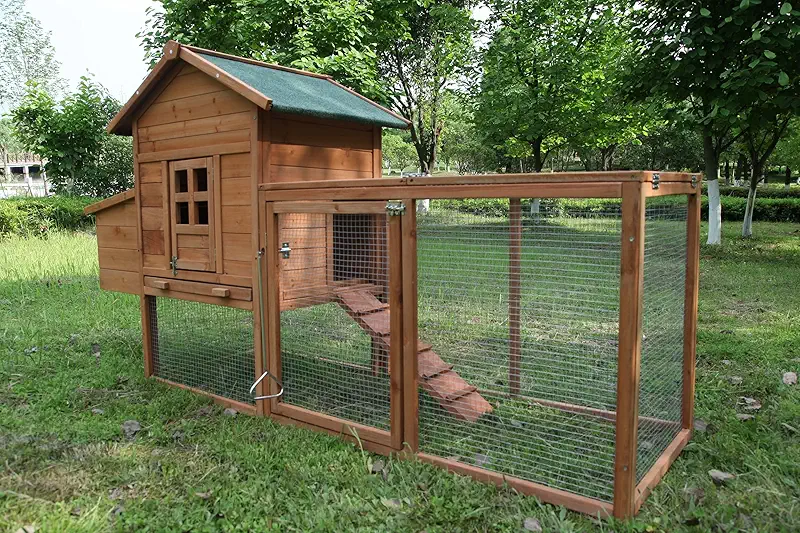
Over the years I’ve built coops from barn scraps, bought budget kits, and finally settled on a sturdy chicken coop over $1 000 when I got tired of patching leaks at 10 p.m. in the rain. I’m no fancy architect, just a farmer who’s broken enough screw heads to learn what’s worth the money. Let me share what I’ve learned, so your hens end up in a coop that treats them right and doesn’t have you cussing every winter.
Why a chicken coop over $1 000 can be the smart move
A lot of folks flinch when they see a price tag in this range. I did too. First time I saw a coop for more than a grand, I said, “For that money it better make omelets and wash the truck.” But then I ran the numbers and thought about what I’d already wasted on patchwork fixes and vet visits from stressed, crowded birds.
When you go for a solid chicken coop over $1 000, you’re usually paying for:
- Thicker lumber that doesn’t twist like a pretzel after one hot summer.
- Real roofing that actually sheds rain and snow, not just decor.
- Stronger wire that makes raccoons grumble and walk on by.
- Better hardware and doors that still close after years of mud and frost.
- Proper space so your hens aren’t packed like commuters in a subway car.
Think about it this way: your hens are working for you every single day. They pay rent in eggs, manure for the garden, bug control, and a little peace of mind when you watch them scratch around. A good coop is the roof over that little business.
How much space your hens really need
If I had a dollar for every time I’ve seen “holds 12 chickens” on a coop that barely holds 6 comfortably, I’d have another whole flock. The truth is, most listings count birds like it’s a clown car, not a hen house.
For a chicken coop over $1 000, you should expect honest space numbers. Here’s what I aim for:
Inside the coop
- 4 sq ft per hen for standard breeds (Rhode Island Red, Barred Rock, etc.).
- 3 sq ft per hen for smaller breeds or if they free‑range most days.
- Headroom so you can stand or at least bend without cracking your skull every time.
In the run
- 8–10 sq ft per hen if they’re mostly confined.
- More is always better; less means more squabbles and feather picking.
- Room for a dust bath area, a feeder, and a waterer without everything sitting in the same muddy corner.
I once squeezed too many hens into a coop because the box said it would “comfortably accommodate” them. The hens disagreed. They let me know with pecked tails and dirty eggs. A decent chicken coop over $1 000 should give you the kind of space your girls need, not what looks good on the side of a carton.
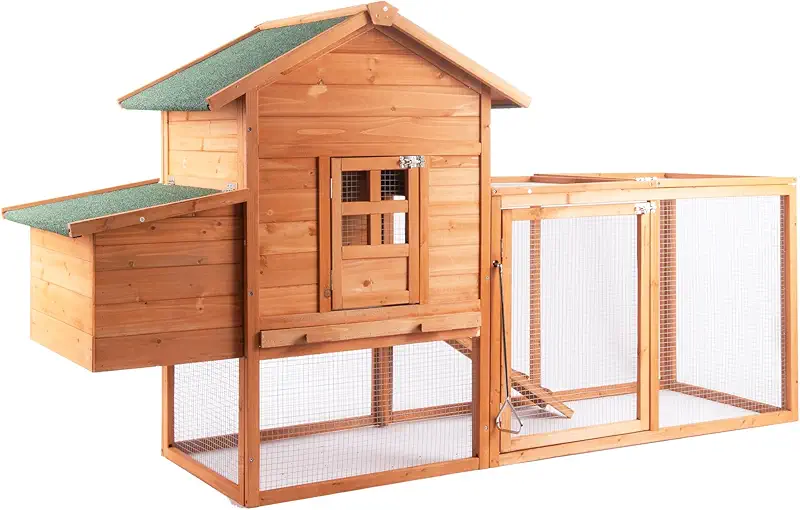
Solid, roomy runs keep tempers calm and feathers smooth, especially when the weather keeps your hens cooped up.
Key features to look for in a chicken coop over $1 000
When I help neighbors pick a coop, I tell them to stop staring at cute windows and start looking at the boring stuff: joints, hinges, wire, and roof lines. That’s what decides whether you’re happy in three winters, not the color of the trim.
1. Strong frame & real wood
A good chicken coop over $1 000 should have a backbone. That means:
- Thick framing that doesn’t wobble when you shove it.
- Pressure‑treated base where the wood meets the ground.
- Panels that meet tight, so wind, rain, and mice don’t invite themselves in.
I’ve watched thin boards cup and split after just one wet summer. A solid coop costs more upfront, but it doesn’t turn into firewood in three seasons.
2. Real predator protection
Let me be blunt: if the wire is flimsy, it’s not a predator‑proof coop; it’s a buffet. When your hens are worth protecting, a chicken coop over $1 000 better come with:
- ½‑inch hardware cloth on windows, vents, and runs (not chicken wire alone).
- Solid latches that a raccoon can’t open like a bored teenager with time on his hands.
- Framed doors that don’t warp, leaving gaps at the corners.
One summer, I tried saving money with cheap wire around a grow‑out pen. A raccoon family showed me just how bad that idea was. I still feel bad about that night. Since then, hardware cloth only. No exceptions.

Look past the paint and check the wire, latches, and frame. Predators certainly will.
3. Roof, drainage, and dry bedding
Hens hate drafts and damp. Wet litter turns into a stinky mess, and cold, wet birds invite trouble. In a reliable chicken coop over $1 000, I look for:
- Real roof panels with overhangs, not just decorative shingles.
- Some pitch to the roof so snow and rain go somewhere that isn’t right inside your nest boxes.
- Flooring you can clean and keep dry, whether it’s wood, plastic, or concrete.
I once had a coop where the roof ended right above the pop door. Every storm sent a waterfall through the entrance. The hens would look at me like, “You see this, right?” Took me a weekend to fix what a smart design could’ve handled from the start.
4. Ventilation without drafts
Good air is like good coffee – you don’t always notice when it’s right, but you sure know when it’s wrong. Ammonia from droppings can burn lungs, and damp air breeds trouble.
In a well‑built chicken coop over $1 000, I want:
- High vents near the roofline so warm, moist air can escape.
- Openings covered with hardware cloth so you can leave them open safely.
- Windows you can adjust for summer breeze and winter snugness.

High vents keep air fresh without chilling your birds, even when everything outside is frozen solid.
My daily life with a chicken coop over $1 000
Let me tell you how a normal winter morning goes with my better coop. I walk out while it’s still dim, coffee steaming in one hand, bucket in the other. The wind is sharp enough to make your eyes water, but when I open the coop, it’s calm and dry inside. No frost on the inside walls, no draft running across the roosts.
The hens shake out their feathers, step down from the roost, and trot right over, hoping I brought scratch. The litter is dry underfoot. I can walk in, stand upright, and scoop what I need without banging my head. Nest boxes open easy from the outside, and the eggs are clean instead of caked in mud from a cramped run.

Easy access means quick chores, less mess, and more time to just stand and enjoy your flock.
Years back, when I tried to “save” money, winter chores felt like a punishment. Doors were swollen and stuck, runs were a mud pit, and the roof dripped right over the feeder. I spent more time fixing things than enjoying the birds. With a solid chicken coop over $1 000, most of that headache just… disappeared.
Practical tips before you pick your coop
Before you head off to look at any chicken coop over $1 000, let me hand you a few checklists from my own notebook. These have saved me from more than one bad decision.
Think about the future flock
- Plan for at least 25–30% more birds than you have now. Chicken math is real.
- If you might add ducks or a rooster, you’ll want extra space and sturdier roosts.
- Make sure there’s a spot where you could add a second run or extension later.

A little extra room now is cheaper than building a whole second coop later.
Check your weather and location
I’ve lived where summers bake the ground and where the wind drives snow sideways. The same chicken coop over $1 000 won’t behave the same in both places.
- Hot climates: Look for shade, vents, windows you can prop wide, and light‑colored roofs.
- Cold climates: Tight joints, decent insulation, steep roof, and sheltered pop doors matter a lot.
- Wet climates: Raise that coop up and make sure the run has drainage; mud is the enemy.
Make chores easy on yourself
I tell folks this all the time: your back has to like the coop too. A fancy chicken coop over $1 000 isn’t worth much if cleaning it feels like crawling into a doghouse.
- Doors big enough for a shovel and your shoulders.
- Nest boxes that open from outside so you can collect in a minute.
- Roosts at a height you can actually reach to check feet and feathers.

Good layout turns daily chores into a quiet, peaceful routine instead of a wrestling match with doors and latches.
How a sturdy coop helps your laying hens
Hens are simple creatures with strong opinions. They like routine, safety, and a dry, quiet place to lay. When you invest in a solid chicken coop over $1 000, you’re giving them exactly that.
My best egg years came after I upgraded coops. Same feed, same breeds, same farmer – just better housing. The birds weren’t stressed from crowding or predators pacing the walls. I had:
- More consistent egg counts, even when the weather turned sour.
- Cleaner shells because nests stayed dry and comfy.
- Fewer health problems, thanks to better airflow and easier cleaning.

Safe, quiet nest boxes are where steady egg baskets begin.
FAQ – Choosing a chicken coop over $1 000
If you only ever plan to keep three hens and you live somewhere with mild weather and almost no predators, you might get away with something cheaper. But for most folks in the U.S., a sturdy chicken coop over $1 000 pays you back in fewer repairs, better egg production, and fewer predator problems. Even a “small” flock deserves dry bedding, solid wire, and a roof that doesn’t quit after two storms.
That depends on the actual dimensions, not what the box claims. Using my rule of thumb – about 4 square feet per standard hen inside – a larger chicken coop over $1 000 can often house 8–12 birds comfortably, sometimes more if it has a big run and your birds free‑range most days. Always count space by square feet, not by what marketing promises.
Start with the boring details: measurements, lumber thickness, roof design, and what kind of wire is used. A good chicken coop over $1 000 will clearly list dimensions and show close‑ups of joints, hinges, and vents. If all you see are pretty wide shots and painted trim, slow down and read the fine print.
A well‑built coop in this price range should, as long as it’s set up right. I’ve had my chicken coop over $1 000 ride out heavy snow and high winds while cheaper sheds around it lost shingles. Look for roof pitch, overhangs, solid framing, and a way to anchor the coop so a storm doesn’t try to roll it like a tumbleweed.
Picture yourself doing chores on the worst day of the year – cold, wet, dark, and windy. If the design of that chicken coop over $1 000 still makes sense in your mind on that day, you’re on the right track. Make sure it’s easy to clean, easy to reach eggs, and safe against predators. Your future self – and your hens – will thank you every single morning.
If you’re ready to see what sturdy, well‑designed homes for your flock look like, take a quiet minute and wander through the different styles and sizes.
I’ll browse coops now