
Chicken coop pick up today
Real-world advice from a U.S. farmer when you need a safe coop fast.
If you’re looking at the yard this morning thinking, “I need a chicken coop pick up today or these hens are sleeping in my garage again,” you’re in the right place. I’ve raised laying hens for decades out here in the States, through blizzards, heat waves, and one very opinionated rooster that thought he owned the farm.
Let me walk you through how to pick a coop quickly, without making the usual beginner mistakes. We’ll keep it simple, practical, and honest – the way farmers talk over the fence, not in some glossy catalog.
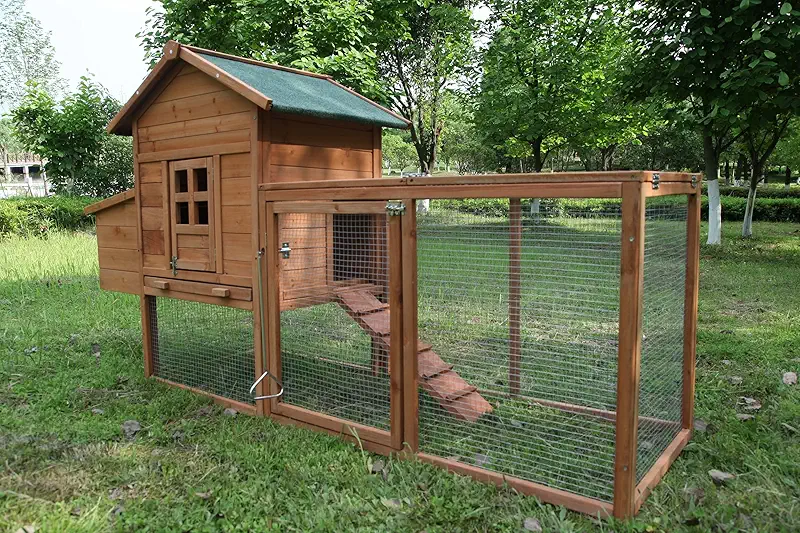
A compact coop style many folks can load the same day and get their hens settled before dark.
What matters most when you need a coop today
When you’re in a hurry, it’s tempting to just grab the first cute little red barn you see and hope for the best. I’ve done that once. The hens forgave me; my back did not. So when you’re thinking “chicken coop pick up today,” here are the four big things you really need to care about:
Don’t overthink the paint color. Worry about space, safety, weather, and how fast you can actually get the thing home and built.
1. Space for each hen
Hens don’t read the box. They don’t know the label says “up to 6 chickens.” They just know if they can move, stretch their wings, and get away from that bossy hen that pecks everyone’s tail.
For laying hens, I like:
- Inside the coop: about 4 square feet per bird
- Outdoor run: 8–10 square feet per bird (more is always better)
- Roosts: enough space so every hen can sit without being shoved off the perch
If a listing says “good for 6 hens,” I treat that as “good for 3–4 hens” for real comfort. The marketing math and the chicken math do not match, trust me.
2. Safety from predators
Foxes, raccoons, neighborhood dogs, hawks – they all love a sloppy coop. When you’re trying to get a coop picked up today, double-check these details before you commit:
- Wire size: 1/2" hardware cloth is far stronger than basic chicken wire
- Latches: avoid simple slide latches raccoons can open; look for secure, double-action latches
- Floor: solid floor or buried wire skirt around the coop to stop diggers
3. Weather where you live
We farm in the U.S., not in a perfect-temperature catalog. Your coop needs to handle your actual weather:
- Cold states: solid walls, minimal drafts at bird height, roof that doesn’t leak, good bedding
- Hot states: lots of ventilation up high, shade, light-colored roof if possible
- Windy places: sturdy frame, roof that won’t flap like a loose hat
Chickens handle cold better than damp. A leaky coop in winter is worse than a smaller but dry coop.
4. How fast you can set it up
If you need a coop ready tonight, be realistic. A big, beautiful walk-in coop might look nice in the photos, but if it takes two strong people and eight hours of cussing to build, it’s not much help for today.
Look for:
- Panels that bolt together instead of building from scratch
- Clear instructions and pre-drilled holes
- Coops you can start using while you add extras later (nest box curtains, extra roosts, etc.)
Three chicken coop styles you can pick up fast
When I think about a quick chicken coop pick up today, I usually group coops into three “emergency friendly” types. Each one has its place, depending on your birds, your yard, and how many neighbors might complain.
- Good for 2–4 hens
- Great if you rent or move a lot
- You drag it to fresh grass
- Good for 4–6 hens (realistically)
- Includes built-in run
- Nice balance of space and size
- Room for you to stand
- Better for bigger flocks
- Easier cleaning and egg checks
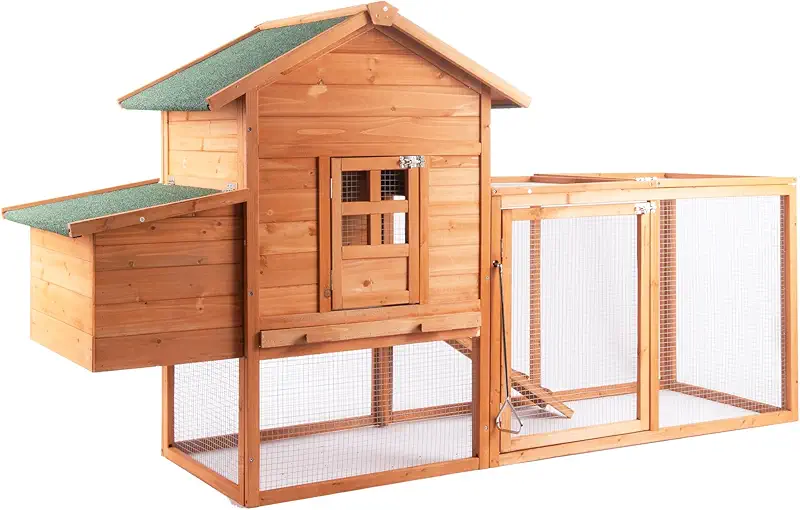
Medium coops with attached runs are a common “same-day” choice for backyard flocks.
How I choose when I’m in a hurry
If someone calls me and says, “Hey, I’ve got six hens showing up today, what kind of coop can I grab right now?” here’s usually how I steer them:
- 2–3 hens, small yard: a portable coop is just fine to start
- 4–6 hens, average yard: medium coop with run, and maybe plan to add an extra attached run later
- 7+ hens or big plans: start with something you can stand up in, even if it feels like more work at first
Chickens are like potato chips – nobody ever stops at just two. Planning a little bigger now saves you money and trouble later.
Real-life setup tips when your coop arrives
Once you’ve sorted out your chicken coop pick up today, the real work starts: getting it ready before the sun goes down and the hens start yawning.

A simple coop set on level, dry ground gives your hens a calmer, safer first night.
Pick the right spot in your yard
Location can make a cheap coop work better than an expensive one in the wrong place. Here’s what I look for:
- High and dry: never in a low spot where rain puddles
- Some shade: big afternoon sun gets rough on birds, especially in summer
- Close to water and power: you’ll thank yourself in winter when things freeze
- Not right under bedroom windows: roosters don’t care what time the alarm clock says
Flooring and bedding for day one
You don’t need anything fancy to start. What you do need is dry, clean, and safe:
- On the floor: pine shavings or chopped straw (avoid cedar; it’s too strong smelling)
- Nest boxes: 3–4 inches of shavings or straw
- Under the coop if raised: consider some gravel to help drainage
Spread your bedding a little deeper in winter, a little shallower in summer so it stays dry. Think of it like their mattress.

Proper roosts at the right height help your hens feel safe and sleep better at night.
Set up roosts and nest boxes right away
Hens like clear “this is where we sleep” and “this is where we lay” signals. Even on day one:
- Place roosts higher than nest boxes so they don’t sleep where you want eggs
- Give them about 8–10 inches of roost space per bird
- Block off any “weird” corners they might cram into at night
If they lay on the floor that first week, don’t panic. They’ll figure it out, especially if the nest boxes are cozy and a bit darker.
Keeping your hens happy and laying strong
Once your chicken coop pick up today mission is handled and the birds spend their first night in the new place, the next step is keeping them healthy, calm, and laying those nice, hard-shelled eggs.

A relaxed flock in a secure coop will reward you with steady eggs and far less drama.
Light, ventilation, and fresh air
Chickens don’t like stuffy, dark boxes any more than we do. They need air, but they don’t need a wind tunnel.
- Ventilation up high: air should move above their heads at roost height
- Windows or vents: with strong wire so nothing can squeeze in
- Light: enough natural light so they can see to eat and drink
On hot days, I open everything I safely can. On cold, windy nights, I keep the vents open but block drafts that hit them right on the roost.
Feed, water, and grit
A fancy coop won’t fix bad feed or dirty water. No matter what setup you pick today, make sure:
- They always have clean, unfrozen water
- Layer feed with enough calcium for shells
- Free-choice grit if they don’t roam on natural ground
I hang my feeders just about back height for the hens, so they don’t scratch bedding into it all day.

A simple attached run lets hens scratch, dust-bathe, and move around safely when you’re not home.
Simple cleaning routine that actually fits real life
You don’t have to scrub the coop like a hospital. You just need to stay ahead of the smell and the flies.
- Daily: quick look at water, feed, and corners, scoop obvious messes under the roost
- Weekly: stir bedding, add a little fresh on top, wipe down roosts
- Seasonally: full clean-out, wash the inside, let it dry in the sun
Common mistakes folks make with a “same-day” coop
In all the years I’ve helped friends and neighbors get set up, I see the same slip-ups again and again when they rush a chicken coop pick up today decision. You can skip these the easy way.

Planning for a little extra space and sturdier construction saves headaches down the line.
1. Trusting the “up to X chickens” label
Those numbers are usually written for tiny birds that never move. Use your own eyes and common sense. If it looks tight in the photos, it will be worse in person.
2. Forgetting about winter and summer
A coop that works fine in spring might be miserable in July or January. Even if you’re grabbing something quickly, picture it in your hottest week and your coldest week.
3. Overcomplicating the first setup
I love a pretty coop as much as the next person, but your birds don’t care about trim boards. Get the basics right first: secure, dry, enough room, food, and water. You can add flower boxes and paint later.

Extra runs, fencing, and small upgrades can all come later, after your hens are safely settled.
4. Not planning for tomorrow’s flock
Most folks start with “a few hens for eggs” and end up collecting breeds like they collect coffee mugs. If you think you might grow your flock, leave yourself room in your yard and in your coop choice.
FAQ about getting a chicken coop pick up today
Yes, that’s exactly what most of us do when we’re starting out. Just make sure the coop is fully assembled, secure, and bedded before dark. I like to move the birds in just before sunset. Chickens are calmer then and more likely to stay put instead of pacing the run.
Ignore the big number on the box. For most small coops you can pick up today, I’d call 2–3 standard hens or 3–4 bantams the comfortable limit. If the birds can’t all sit on the roost without shoving and pecking, it’s too tight and you’ll see more stress and less eggs.
A secure run is worth its weight in eggs. Free-ranging is great when you’re home and watching, but life gets busy. An attached run lets you sleep in, go to work, and still know the birds are safe. You can always open the run door and let them roam when you’re around.
If I’m in a hurry, I focus on four things: strong latches, no big gaps, solid floor or buried wire, and hardware cloth over any windows or vents. I walk around at dusk and literally look from a raccoon’s point of view – “If I were hungry and sneaky, where would I try to get in?”
If it were my money, I’d lean safer and sturdier, even if it means starting a bit smaller. A flimsy big coop can turn into an expensive mistake if predators get in or the roof fails. You can always add a second run or another small coop later as your flock grows.
If you’re still thinking, “I really do need a chicken coop pick up today,” take a quiet minute, picture your yard and your birds, and then look through a few solid options side by side.
Show me every coop