
Chicken coop plans for 10 chickens
Out here on the farm, ten laying hens is that sweet spot: enough eggs for the family, a neighbor or two, and still easy to manage. With the right chicken coop plans for 10 chickens, your girls stay safe, dry, and laying strong, while you stay sane and not knee‑deep in mud and mess.
I’ve built more coops than I care to admit, and I’ve fixed even more for folks who “eyeballed it.” Let me walk you through what actually works in real farm life, not just on a pretty sketch.
Let me see ideasWhen someone asks me about chicken coop plans for 10 chickens, I always smile. Ten hens are where the fun really starts. You start naming them, noticing who’s the bossy one, and who sneaks back to the nest for “overtime” laying. But ten hens will also expose every mistake in a bad coop: not enough roost space, poor airflow, damp corners, or flimsy doors a raccoon can open like it’s a salad bar.
My very first “real” coop for ten hens looked decent from a distance. Fresh paint, cute little window, I even put a horseshoe over the door for luck. Trouble was, I didn’t give them enough roost length and I pointed the main opening straight into our north wind. By the first hard cold snap, those girls lined up at my back door complaining louder than my kids. I learned fast.
That’s why good chicken coop plans for 10 chickens don’t start with pretty; they start with numbers, comfort, and safety. Once those are right, then you can make it cute enough to impress your neighbors on Sunday.
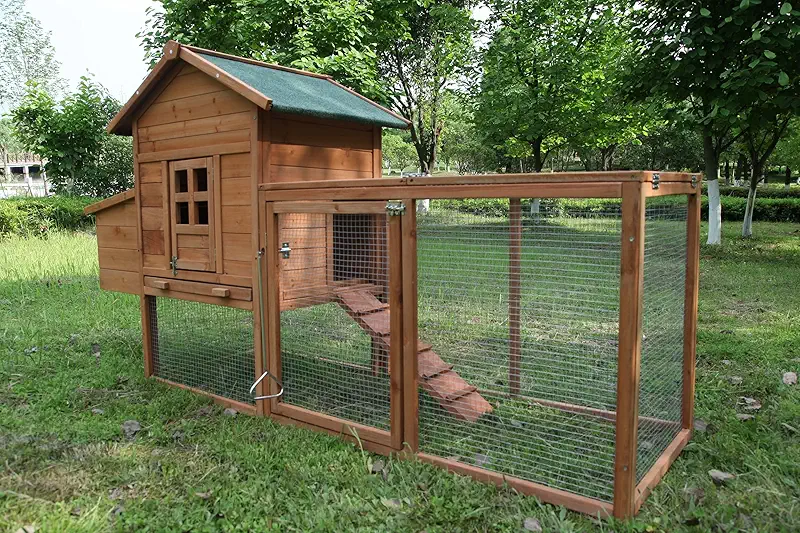
How big should a coop for 10 chickens be?
Let’s start with the most common question. For ten standard‑size laying hens, I like:
- Indoor coop space: at least 4 square feet per hen → that’s about 40 sq ft minimum.
- Outdoor run space: at least 10 square feet per hen → about 100 sq ft or more.
- Roost space: 8–10 inches of roost per hen → around 7–8 feet of total roost.
- Nest boxes: 1 box for every 3–4 hens → 3–4 nesting boxes.
If you’ve got heavy winter weather, I lean bigger on the indoor space since they stay in more. Crowding is where trouble begins: feather picking, stress, and a lot fewer eggs. Give them room, and they’ll pay you rent in yolks.
A tidy size that works well for chicken coop plans for 10 chickens is something like a 5 ft x 8 ft coop, with a nice attached run that’s 10 ft x 10 ft or larger. Doesn’t need to be fancy, just dry, sturdy, and well thought‑out.
Layout basics that make life easier
A good layout saves you time every single day. When I built one of my best ten‑hen coops, I designed it so I could collect eggs, fill feeders, and change water without doing farm yoga in the mud. Future‑you will thank present‑you if you plan ahead.
Roosts on one side, nests on the other
Chickens like to sleep high and lay low. I keep the roosts higher than the nest boxes and on the opposite side of the coop if I can manage it. That way they don’t decide the nests make nice bedrooms and poop all over your egg factory.
- Roosts about 18–24 inches off the floor.
- Sturdy 2x4s laid flat so their feet stay warm in winter.
- Removable or simple roosts so you can scrape them clean fast.
Easy egg collection
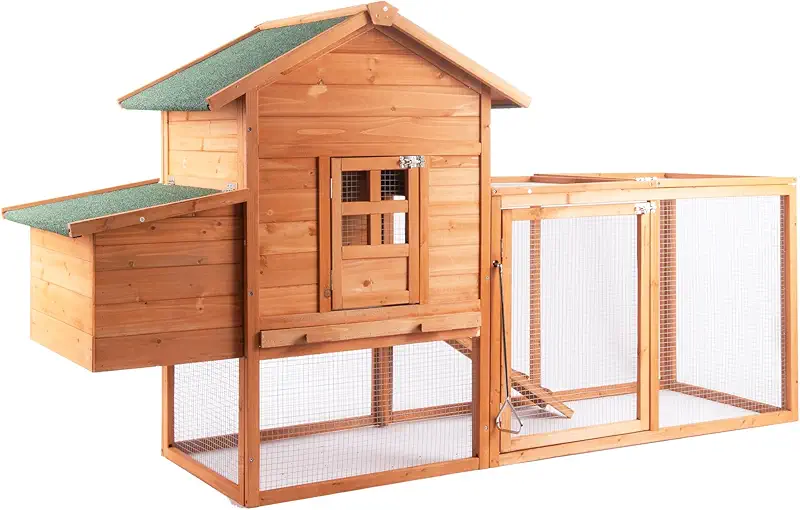
For ten hens, I like three or four nest boxes roughly 12x12 inches. If you really want to feel spoiled, build or choose plans with external nest box access, so you can gather eggs from outside the coop. That’s worth its weight in gold on a freezing morning.
Doors and access for humans too
I always joke that half the coop is for the chickens and half is for my knees and back. Make sure the plans you follow give you:
- A full‑size door for you, not just a little chicken pop door.
- Room to stand up or at least bend without crawling.
- Wide enough doors to bring in a wheelbarrow or big bucket if possible.
Chicken coop plans for 10 chickens that ignore human access are the ones that end up cursed at during snowstorms. Ask me how I know.
Ventilation: keeping ten hens breathing easy
Chickens don’t mind the cold as much as they hate damp, stale air. Ten hens throw off a lot of moisture overnight. If that moisture can’t escape, you’ll see frostbite, respiratory issues, and a smell that could knock a buzzard off a manure wagon.
Good plans for a ten‑hen coop should include:
- High vents on at least two sides, up near the roof line.
- Openings covered with hardware cloth, not flimsy chicken wire.
- Airflow that pulls out moisture but doesn’t blow directly on the birds while they sleep.

On one of my earlier coops, I thought I was being kind by sealing everything tight for winter. By January, it smelled like an old gym bag left in the rain. I cut a couple of vents under the eaves, and within days the coop felt drier, the smell dropped, and the hens perked up. Lesson learned: fresh air is your friend.
Predator‑proofing a coop for 10 hens
When you keep ten hens, you’re basically running a buffet in the eyes of every fox, raccoon, dog, owl, and hawk in the neighborhood. A good set of chicken coop plans for 10 chickens thinks about predators right from the first sketch.
Things I never skip anymore
- Hardware cloth, not chicken wire. Chicken wire keeps chickens in; it does not keep predators out.
- Dig‑proof edges. I bury hardware cloth or lay an apron around the run so diggers give up.
- Solid latches. Raccoons can open simple slide bolts and weak hooks. I use carabiners or locking latches.
- Sturdy flooring. Either solid floor or buried wire under deep bedding to keep diggers from coming up inside.

I lost a good old hen named Betty because I trusted an old flimsy latch. I came out one dawn, door swung open, feathers in the yard. That will stick with you. Now, when I read through chicken coop plans for 10 chickens, I look for solid framing, predator‑proof doors, and smart hardware cloth use before I even think about how cute the roofline is.
Run space and yard time for ten hens
Ten hens can scratch a bare patch of ground faster than a group of kids can empty a cookie jar. If you want them healthy and busy, your coop plans should include a generous run and maybe a way to rotate where they roam.
- At least 100 square feet of run space for ten hens.
- Shade in summer, sun in winter if you can manage it.
- Places to hop up on: logs, stumps, low perches.
- Dry footing: sand, wood chips, or well‑drained soil.

On my place, the happiest flocks are the ones with plenty of run space, a dust‑bath corner, and a bit of junk to explore. Old pallets, logs, and branches don’t look fancy, but the hens think they’re at a playground. Bored hens get into trouble; busy hens lay eggs and mind their own business.
Materials and durability: building once, not twice
When I was younger, I built cheap. Then wind, rain, and a few cranky winters taught me better. For a coop that holds ten hens, it’s worth using solid materials because the structure gets more wear and tear.

With chicken coop plans for 10 chickens, I look for:
- Good framing: 2x4 studs, not flimsy little strips.
- Decent roofing: metal or asphalt shingles with a bit of overhang.
- Elevated floor: a foot or so off the ground to keep things dry and discourage rodents.
- Simple, straight cuts: so if something breaks, you can fix it with a basic board and a saw.
I like coops that feel like a small shed, not a toy. Ten hens are a serious little operation. Treat the coop like you’re building a tiny barn, and you won’t be rebuilding it after the first big storm.
Cleaning and daily care: design for real life
If your coop is a pain to clean, you’ll put it off. When you put it off, things get stinky and the hens start complaining with their feet—they’ll avoid dirty corners and lay eggs in odd places. So I always judge chicken coop plans for 10 chickens by how easy they are to keep clean.

Features that make cleaning simple
- A big door or side panel that opens wide.
- Roosts you can lift out or scrape easily.
- Few “nooks and crannies” where muck can hide.
- Enough headroom for you to work without crawling.
I use the deep‑litter method in a lot of my coops: start with a good layer of shavings, straw, or chips, and build it up slowly, stirring as you go. For ten hens, that turns into a warm, composting floor through winter. Once or twice a year, I clean it out and the garden says “thank you” with more tomatoes.
Choosing ready plans or pre‑built coops
Not everyone wants to swing a hammer, and that’s alright. Some folks would rather start with a solid set of plans, and others like to bring home a coop that’s already built or mostly assembled. I’ve done both over the years.

What I watch for in coop listings
- Do they clearly state capacity for about ten hens, not just “large”?
- Is there realistic floor space, not just marketing numbers?
- Can you see inside photos of roosts, nests, and doors?
- Is the hardware cloth real hardware cloth, not just thin wire?
When you look through options based on chicken coop plans for 10 chickens, keep your eye on those basics: space, ventilation, predator‑proofing, and how you’ll clean it. Pretty paint is nice, but good design is what keeps eggs in your basket.
If you want to poke around different sizes and styles that suit a ten‑hen flock, there are plenty of solid choices all in one place. Take your time, think about your yard, and picture where you’ll be trudging with a feed bucket in February—that usually clears my thinking right up.
I’ll browse calmlyFAQ – Chicken coop plans for 10 chickens
If you’ve got ten hens (or plan to) and you’re ready to match them with a coop that actually fits their needs, take a quiet minute and look through the different designs and sizes available.
Show me all coops