
Chicken coop plans for 6 chickens
Chicken Coop Plans For 6 Chickens
I’ve been raising laying hens out here in the States for more years than I care to count, and I can tell you this: the right coop for six hens is the difference between peaceful morning coffee… and chasing birds in your pajamas.
On this page I’ll walk you through simple, honest chicken coop plans for 6 chickens, the same kind of ideas I use on my own farm, with down‑to‑earth tips so your girls stay safe, dry, and laying steady.
What 6 laying hens really need from a coop
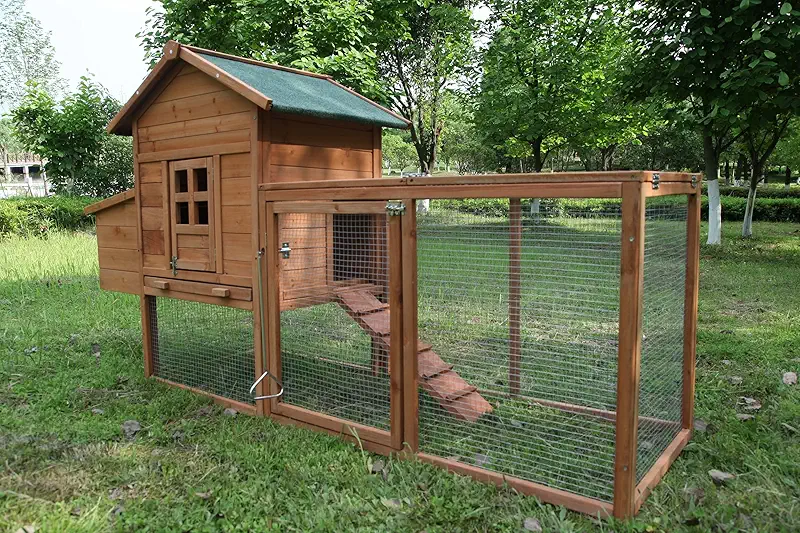
Folks like shiny pictures of fancy coops, but your six hens don’t care about gingerbread trim. They care about four things: space, safety, dry bedding, and a calm place to lay. When I built my first coop, I overcomplicated everything. These days I keep it simple, and the hens seem a whole lot happier for it.
For six standard laying hens, I like to see about 18–24 square feet inside the coop, and at least 60–100 square feet in the run. That’s not a law carved in stone, but it’s a good honest guideline. When birds have room to move, they bother each other less, stay cleaner, and lay better.
Think of the coop as their bedroom and the run as their yard. The bedroom doesn’t need to be big and fancy, but it does need to be safe, dry, and easy to clean. I’ve had coops that looked like they were nailed together by a blindfolded cousin, but if they met those basics, the hens didn’t complain once.
- Coop floor space: 3–4 sq ft per hen
- Run space: 10–15 sq ft per hen
- Roost space: about 10–12 inches per hen
- Nesting boxes: 2–3 boxes for 6 hens
Simple floor plan ideas for 6 hens
Let me paint a picture for you. Imagine a coop about 4 feet by 6 feet, raised off the ground on sturdy legs. Door on one of the long sides, nesting boxes on the opposite long wall, roosts along the back, and vents up high near the roof. That setup has worked for me over and over, both for small backyard flocks and for starter coops on the farm.
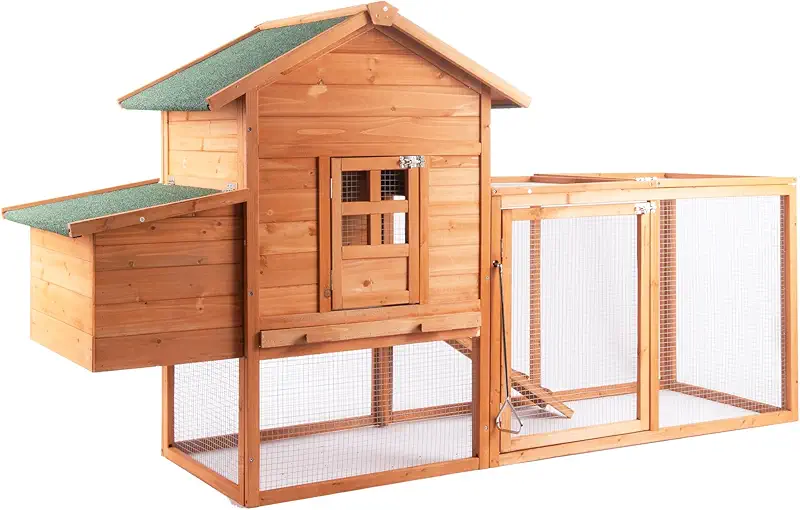
For six birds, you don’t need a maze of compartments. Keep the inside open so air and light can move. I like a people door I can walk through, and a smaller, pop door for the hens that opens to the run. If you live where winters bite, you’ll thank yourself for that full‑size door.
Here’s a very straightforward layout that has served me well:
- 4x6 or 5x6 floor, raised 18–24 inches off the ground
- Pop door about 10–12 inches wide leading to the run
- Roosts higher than nesting boxes so hens sleep on the bars, not in the boxes
- Clean‑out door or big back door for easy raking of litter
- Roof with a bit of overhang and vents under the eaves
If carpentry isn’t your favorite way to spend a weekend, there are ready‑made coops sized for about six hens that follow this same simple layout. I’ve used a couple of those prefab styles as starter houses, then tweaked them with better latches, extra vents, and stronger wire on the run.

Nesting boxes and roosts: where the magic happens
For six hens, two or three nesting boxes are plenty. They’ll all want the same box anyway, usually at the same time, just to test your patience. I still chuckle when I see three hens crammed in one box with two others standing in line, while the other boxes sit open like lonely bar stools.
I aim for boxes around 12 inches wide, 12 inches deep, and about 12 inches tall in front, maybe 14 inches in back. I like them a bit darker and quieter if possible. A low lip on the front keeps shavings and eggs from rolling out when a clumsy hen decides to make an exit.

Roosts are just as important as boxes. Give each hen about a foot of roost space, with bars at least 12–18 inches above the floor and higher than the nesting boxes. If the roosts are lower, hens will sleep in the boxes and you’ll be scraping droppings out of there every day. Ask me how I know.
I like rounded edges on the roost. A 2x4 turned on the wide side works just fine, especially in colder climates. The flat surface lets hens cover their toes with their feathers on cold nights, which prevents frostbite.
- 2–3 nesting boxes for 6 hens
- Boxes about 12x12 inches, slightly dim
- Roosts higher than the boxes
- At least 10–12 inches of roost per bird
Ventilation, drafts, and dry bedding
Most new chicken keepers worry about cold first. Out here, I worry more about damp and stuffy air than I do about low temperatures. Chickens wear down coats. What gets them sick is breathing damp ammonia all night.

In a coop sized for six hens, I like permanent vents up near the roof on opposite sides, protected with strong wire. That way, warm, moist air can rise and slip out without putting a cold breeze right at the hens’ backs. Airflow is steady but gentle.
On the floor, I use dry pine shavings most of the year. Straw can work, but it tends to mat up and hide moisture. For a small coop, you want bedding that stirs and dries out quickly. I do a light rake weekly and a deeper clean when it starts to smell like a high‑school locker room.
- Vent high, not low: air in and out above roost level
- No direct drafts hitting sleeping hens
- Use dry pine shavings or similar bedding
- Keep waterers in the run or on a tray to limit moisture
Predator‑proofing a coop for 6 hens
Now we get to the part every chicken keeper learns one way or another: everything out there loves chicken as much as you do. Raccoons, foxes, neighborhood dogs, hawks, owls—if it prowls, flies, or slinks, it’ll test your coop sooner or later.

For a coop sized for six birds, it’s tempting to go light on materials to save a few dollars. I’ve lost birds every time I tried to cut corners on wire and latches. These days, I don’t use bare chicken wire for anything but keeping chickens in. To keep predators out, I use hardware cloth or welded wire.
The run matters just as much as the coop. With six hens, you’ll likely want them outside most of the day. A secure run means you can leave home without biting your nails.
- Use 1/2" hardware cloth on openings and lower walls
- Bury wire apron 8–12 inches or bend it outward around the run perimeter
- Use sturdy latches that require two motions to open
- Close the pop door at night, every night
Daily life with 6 laying hens
Six hens are a sweet spot. It’s enough eggs for a family and a neighbor or two, but not so many that chores take all morning. With a good coop plan, daily care is mostly topping off feed, checking water, collecting eggs, and a quick peek to be sure everyone looks bright‑eyed and chatty.

In my own routine, I open the pop door around sunrise, scatter a small handful of scratch just to get everybody moving, and check feeders and waterers. In the evening, I swing by to close them up, count noses on the roost, and give a quick look at their combs and feet.
Good coop plans for 6 chickens should make all of that easy: feed and water where you can reach them without ducking, nesting boxes you can access without climbing, and a floor you can rake out without swearing under your breath.
- Design doors and openings for you, not just the birds
- Keep feed and water off the floor to cut down on spills
- Plan a spot to hang a light if winters are long and dark
- Make sure you can see every corner of the coop at a glance

Choosing ready‑made plans and coop kits
Not everyone wants to spend a weekend with a circular saw and a pile of 2x4s. I’ve built plenty of coops from scratch, but I’ve also used pre‑drawn plans and small coop kits when time was tight or I needed a quick setup for extra hens.
When you look at chicken coop plans for 6 chickens, don’t just stare at the pretty drawing. Picture that coop in January rain, in July heat, and at dusk when you’re closing up. Ask yourself a few simple questions:
- Can I clean this easily without crawling?
- Can I reach nesting boxes and roosts without stretching?
- Is the run big enough that birds won’t quarrel all day?
- Is the roof pitched enough to shed rain and snow?
A lot of good‑looking small‑flock coops are really better suited to three or four hens. For six, you want just a bit more elbow room. I always err on the side of bigger doors, taller ceilings, and sturdier wire.
If you prefer to start with something already laid out, you’ll find different styles: walk‑in coops, tractor‑style mobile coops, and compact raised houses with attached runs. Any of these can work for a flock of six, as long as the square footage and ventilation are honest.
Looking around for ideas?
If you’d like to browse different shapes and layouts sized for small backyard flocks, there are plenty of sturdy options that match the kind of plans I’ve been talking about here. Just keep those simple rules in mind: enough space, good airflow, strong wire, and doors you can live with.
Let me compareFAQ – Chicken coop plans for 6 chickens
For six standard hens, I like 18–24 square feet inside the coop. That’s a 4x6 or 5x6 space. Then give them at least 60–100 square feet in the run. More room is always nicer, but that range keeps them comfortable and calm in an average backyard.
Two boxes are usually enough, three is plenty. You could build six and they’ll still pile into one, just to prove a point. What matters most is that the boxes are quiet, a bit dim, and filled with clean, soft bedding.
In most parts of the U.S., healthy adult hens don’t need heat, they need dry air and protection from drafts. I focus on good ventilation up high and a coop that doesn’t leak. In very cold climates, I block strong winds, keep the bedding dry and deep, and let the birds’ own feathers do their job.
My favorites are solid wood floors raised off the ground, or a concrete pad if you already have one. They’re easy to clean and harder for predators to break through. I lay down a few inches of pine shavings on top, then rake and refresh as needed. Dirt floors can work, but you have to be extra careful about burying wire to stop diggers.
With six hens, I usually stir or spot‑clean bedding weekly and do a deeper clean every month or so, depending on weather and how wet things get. If your nose wrinkles when you walk in, you waited too long. A quick, regular tidy‑up beats a giant, miserable clean‑out every time.
Ready for the next step?
Now that you’ve got a solid picture of chicken coop plans for 6 chickens, the fun part is matching those ideas to a real coop your hens can call home. Take your time, trust your gut, and remember: you’re building (or choosing) a little house that will greet you every morning with fresh eggs and happy clucks.
Show me coopsWant to see more options?
If you’d like to look through different shapes, sizes, and layouts, you can wander through a whole yard’s worth of ready‑made chicken homes sized for flocks like yours. Compare them to the simple rules we talked about up above, and pick the one that feels easy to live with day after day.
I’ll browse quietly