
Chicken coop plans free
Chicken Coop Plans Free
Simple, sturdy, hen‑approved ideasI’ve been raising laying hens in the US long enough to remember when my first coop was four pallets, a leaky door, and a prayer. If you’re looking for chicken coop plans free of fluff and full of real‑world tips, pull up a bale of straw – you’re in the right place.
Down this page I’ll share how I plan and build coops that stay dry, safe, and easy to clean, without fancy tools or a wallet that squeaks. I’ll also show you how ready‑made coops can fit the same common‑sense rules, in case you’d rather swing a door than a hammer.
Let me browse quietly- Field‑tested layouts for small backyards.
- Space, roost, and nest box numbers that actually work.
- Ventilation tricks so your coop smells like wood, not a barn fire.
- Ways to use “free” or cheap materials without building a hazard.
Starting your chicken coop plans free and simple
Before we talk saws and screws, let me tell you a quick story. My first “free” coop cost me more in headaches than lumber. I grabbed whatever scrap wood I could find, skipped half the planning, and told myself, “chickens aren’t picky.” Turns out, they are picky about dry feet, fresh air, and not getting eaten at night. Who knew?
These days, when I help neighbors with chicken coop plans free of nonsense, we start with three quiet questions: How many hens? What climate? How much time do you really have for chores? Get those right and even a humble coop can feel like a five‑star hen hotel.
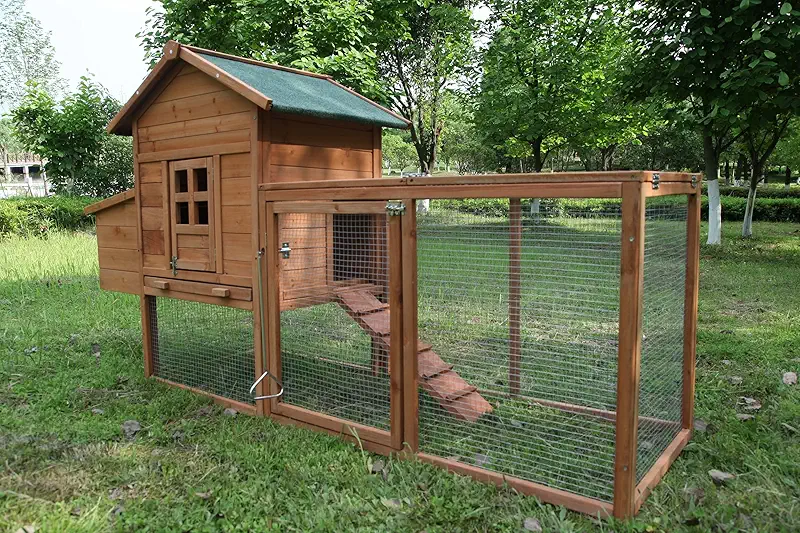
How much space your hens truly need
Folks ask me all the time, “Can I squeeze five hens into this tiny thing?” Sure, you can. You can also squeeze your family into a closet. It just won’t be pretty after a while.
For backyard laying hens, this is the rule of thumb I’ve used for years:
- Inside the coop: about 4 square feet per bird for standard breeds.
- In the run: 8–10 square feet per bird if they’re confined most days.
- Roost bar: 8–10 inches of roost space per hen.
So if your heart is set on 6 hens, you’re looking at roughly a 4 ft x 6 ft coop (24 square feet) and a run at least 6 ft x 8 ft. You can bend these numbers a bit if they free‑range most days, but tight birds turn bossy fast. Pecks and feather pulling are usually “space complaints,” not personality flaws.
Picking the right spot in your yard
I’ve moved coops more times than I care to admit, usually in August heat, usually while saying words I can’t print here. If you’re working on chicken coop plans free of regret, think location before lumber:
- High, not low: Put the coop on the driest patch you’ve got. Low spots turn into winter ice rinks and spring swamps.
- Morning sun, afternoon shade: East or southeast facing doors work well. Morning light gets hens laying; shade helps in summer.
- Close to water and power: You don’t need fancy wiring, but in winter you’ll bless yourself if the coop isn’t a mile from an outlet and a hose.
- Close enough to check at night: You’ll sleep better when you can shine a light on that coop without hiking a trail.
Simple chicken coop layouts that just work
When I sketch chicken coop plans free‑hand for neighbors, I keep the layout so simple a tired farmer could clean it in the dark. Doors where you can reach everything, roosts higher than nest boxes, and no fancy corners for manure to hide in.
Classic small coop with attached run
This is what most backyard folks start with. Picture a small shed raised a bit off the ground, with a fenced run attached to the side.
- Coop footprint: around 4 ft x 6 ft for 4–6 hens.
- Run size: at least 6 ft x 8 ft, taller if you can walk in.
- Human door in the big side, pop door leading into the run.
With chicken coop plans free of over‑complication, you can build this with basic 2x4s, plywood, and a few weekend afternoons. Add a simple sloped roof, a vent up high, and you’re already better off than half the shiny coops I see online.
Mobile tractor style coop
If your yard is small but you want your hens on fresh grass, a chicken tractor might be your style. It’s a coop and run combined, light enough to drag to a fresh patch.
- Best for 3–4 hens and light breeds.
- Height low enough to move, high enough to reach eggs.
- Frame of 2x2s or 2x4s, sides of wire, with a snug sleeping box.
I built one from old greenhouse pipe and scrap lumber once. Was it pretty? Not exactly. But the hens followed that thing like a parade float every time I moved it.
Two solid pallets for the floor, two on the back wall, two on the front, tied together with 2x4s, skinned with any decent plywood or siding you can find. Cut a big person door on one end, a little chicken door toward the run side, and you’re in business. Insulation is optional; good ventilation is not.
If you’ve got a garage or shed, you can build a lean‑to coop right up against one wall. One sloped roof, three new walls, and the existing wall becomes your back. Just don’t block any house vents, and seal the base so critters can’t sneak in.
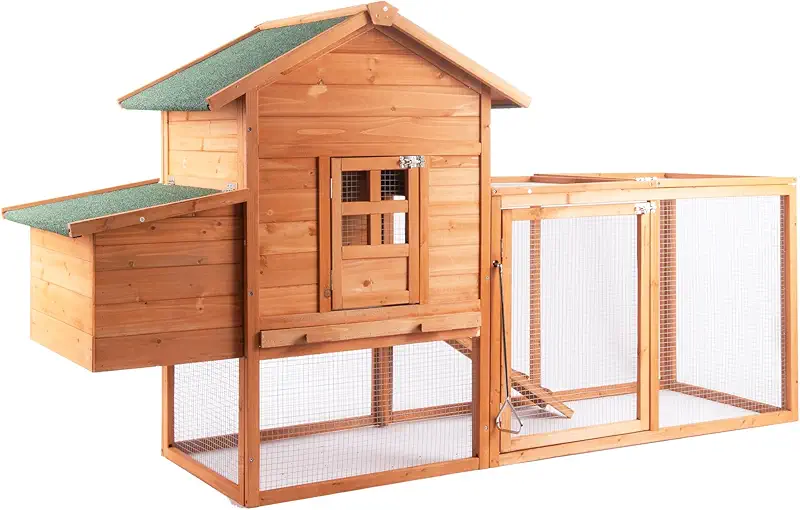
Ventilation, predators, and other silent troublemakers
Most first‑time builders worry about cold. Most old farmers worry about damp air and raccoons. One makes birds sick; the other makes them disappear. Your chicken coop plans free of these two problems will serve you for years.
Fresh air without chilly drafts
Hens breathe, poop, and spill water in a small wooden box. Without air flow, all that moisture sits there, and in winter it turns into frostbit combs and respiratory messes. We want ventilation, not a wind tunnel.
- Put vents near the roof line on opposite walls, covered with hardware cloth.
- Keep roosts away from direct wind paths; air should move above their heads.
- A big window you can open in summer and close most of the way in winter is worth the effort.
Keeping predators on the outside
Out here I’ve dealt with raccoons, foxes, possums, stray dogs, and that one neighbor’s cat who thinks he’s a lion. When I look at chicken coop plans free online, I often see pretty pictures, but flimsy defenses.
- Wire choice: Use 1/2" hardware cloth, not chicken wire, for anything meant to stop predators.
- Buried apron: Lay hardware cloth flat on the ground, 12–18 inches out from the run, and bury or cover with rocks and soil. Diggers hit wire, give up, and go bother someone else.
- Strong latches: Carabiner clips or locking latches, not simple hook‑and‑eye. Raccoons are clever little bandits with fingers.
- Solid floor or tight base: Raised wood floor, concrete, or tightly packed gravel. If you’re on bare earth, that buried apron is your new best friend.

Laying hens: roosts, nest boxes, and daily comfort
A good coop isn’t just dry and safe; it also fits how a hen thinks. When I’m working on chicken coop plans free for neighbors, I tell them, “Build it so the chicken’s choices are easy: high place for sleeping, dark corner for eggs, bright doorway for heading outside.”
Building roosts hens actually use
Chickens like to sleep off the ground. Give them a good perch and they’ll line up there every night like little feathery commuters on a subway rail.
- Use a 2x3 or 2x4 laid flat, edges slightly rounded with sandpaper.
- Place roosts higher than nest boxes so they don’t sleep where you want eggs.
- Keep about 12 inches between roost bars so they can hop up and down safely.
How many nest boxes do you need?
Hens have a funny habit: they all want the same nest box, at the same time, most days before lunch. I’ve watched four hens squeeze into one box while three empty ones sat nearby looking offended.
Still, these numbers work well:
- 1 nest box for every 3–4 hens.
- Box size around 12" x 12" x 12" for standard breeds.
- Front lip of 3–4 inches to keep bedding and eggs from rolling out.
Line them with straw, shavings, or whatever dry bedding you have. I like to place nest boxes in the dimmer side of the coop, away from the door. A hen wants a bit of privacy to do her best work.

Keeping cleaning simple
If cleaning the coop feels like a wrestling match, you won’t do it as often. I speak from experience here. Plan for laziness on the hardest winter morning you can imagine.
- Big door or side panel that opens wide enough for a shovel or broom.
- Removable roosts or droppings boards you can scrape quickly.
- Bedding deep enough to absorb droppings, but not so deep it hits the roosts.
I like a droppings board under the roosts with a layer of shavings. Most of the mess lands there. Five minutes with a scraper and a bucket, and the coop smells like wood again, not like bad decisions.
Using “free” or cheap materials the smart way
I love free lumber as much as anybody, but I’ve also pulled enough bent nails and rotten boards to know that free can cost you later. When I share chicken coop plans free of hidden headaches, I tell folks to be picky about what they’ll trust their birds’ lives to.
What’s fine to salvage
- Old framing lumber that’s still solid and dry.
- Decent pallets for floors or small walls (avoid those that crumble or stink).
- Leftover house siding, metal roofing, and plywood without soft spots.
- Old windows (as long as you add hardware cloth to the inside).
What to avoid, even if it’s free
- Rotten or bug‑eaten wood – you’re not building a buffet for termites.
- Cracked roofing that’ll leak into your bedding all winter.
- Anything soaked in oil, chemicals, or mystery stains.

Ready‑made coops and kits that follow the same good rules
Not everyone wants to spend weekends measuring boards and chasing nails across the yard. Some of my neighbors work long hours and just want a safe, dry place for a handful of hens. That’s where ready‑made coops and kits can help, as long as you look at them with a farmer’s eye.
When I look through options, even online, I judge every model the same way I judge my own builds: Is there enough space? Is the wood decent? Is the wire strong? Can I clean it without swearing?

What I look for in pre‑built coops
- Realistic bird capacity: If the description says “up to 8 chickens,” I mentally cut that in half for comfort.
- Roof and floor strength: Solid panels, not flimsy particle board that melts in the rain.
- Hardware cloth, not just chicken wire: Especially on windows and vents.
- Easy access doors: One for egg collection, one big one for cleaning.
If you’d rather start with something built and tweak it to match the good old‑fashioned rules we’ve been talking about, you can explore a whole range of coop styles, sizes, and layouts here:
Daily care tips for happy laying hens
A solid coop is half the job. The other half is the little daily habits that keep your birds laying, healthy, and calm. My grandmother used to say, “Chickens don’t ask for much, but they ask for it every day.” She was right.
Water, feed, and grit
- Fresh water every day, more than once in summer heat.
- Layer feed available all the time; hens are nibblers, not meal‑timers.
- Access to grit and oyster shell for strong eggshells.
I like to keep the waterer in the run when the weather allows, to keep the coop drier. Wet bedding is a fast way to invite smell and sickness.
Routine that keeps them calm
- Open the coop at roughly the same time each morning.
- Use a short, calm phrase when you bring feed – they learn your voice.
- Close them in at dusk after a quick head count.
Hens love routine as much as they love scratch grain. The steadier you are, the easier they are.

FAQ – chicken coop plans free and everyday questions

If your head’s full of ideas and you’d like to see how different ready‑made coops put these common‑sense rules to work, take a slow stroll through the many styles and sizes available. Think about your birds, your yard, and the chores you’re willing to do on a cold morning.
Show me all coops