
Chicken coop predator proof
Out here on the farm, the night shift belongs to the predators. Raccoons, foxes, hawks, even the neighbor’s dog all think my hens are a free buffet. A chicken coop predator proof setup is the only reason I still get a basket full of eggs every morning instead of a yard full of feathers.
I’ll walk you through what’s actually worked for me over the years. No fancy talk, just real mistakes, real fixes, and a few stories I wish weren’t true. If you want calm, happy hens and fewer midnight panics with a flashlight, you’re in the right place.
Let me see options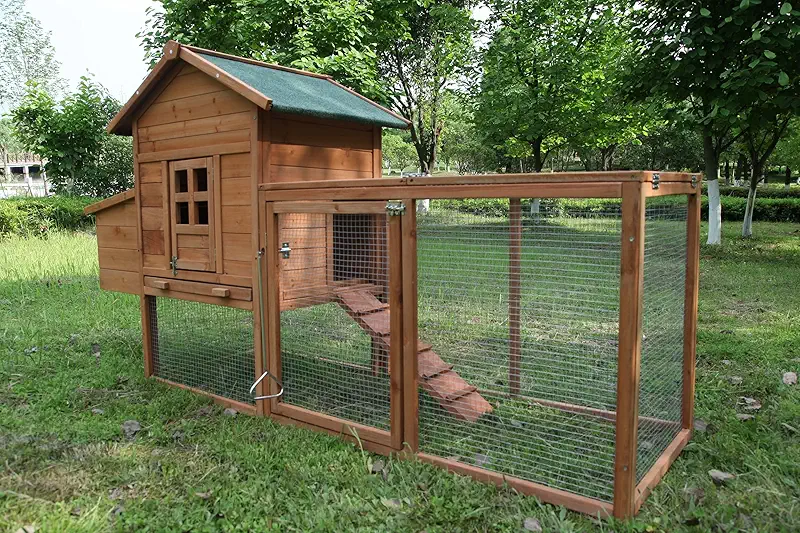
Why a Chicken Coop Predator Proof Setup Matters More Than You Think
When folks start with backyard chickens, they usually think about breeds, colorful eggs, and cute little coops. Predators don’t show up in the dream, but they sure show up in real life. I still remember my first flock. I thought I’d built a strong coop. Looked good. Fresh paint, cute little window. Then one morning, I walked out to silence.
A raccoon had found a gap where the wire met the wood. That little gap looked harmless to me, but it spelled disaster for my birds. That was the morning I promised I’d never again run a coop that wasn’t truly predator proof.
Your hens are small, soft, and slow. Predators are hungry, clever, and patient. The only thing between those two facts is how serious you are about a chicken coop predator proof design. It’s not about being fancy. It’s about being stubborn and thorough.
The Main Predators That Go After Backyard Chickens
Before you make your coop predator proof, you need to know who you’re fighting. Out here in the States, these are the usual suspects that come calling for a chicken dinner:
- Raccoons: Smart little bandits with tiny hands and zero manners. Great climbers and clever with latches.
- Foxes and coyotes: Fast, quiet, and patient. They’ll circle the run, looking for weak spots.
- Dogs: Sometimes it’s the neighbor’s “friendly” dog. Doesn’t mean harm, but can wipe out a flock in play.
- Weasels and mink: Small but vicious. Can slip through tiny gaps and kill more birds than they can eat.
- Hawks and owls: Aerial trouble. They love young birds and lighter breeds.
- Snakes and rats: Go after eggs and chicks. Not always after adult hens, but still a big problem.
A good chicken coop predator proof layout doesn’t just stop one type of predator. It layers defenses so that ground, air, and climbing threats all hit a wall. Think of it like building a little fortress for birds who can’t lock their own doors.
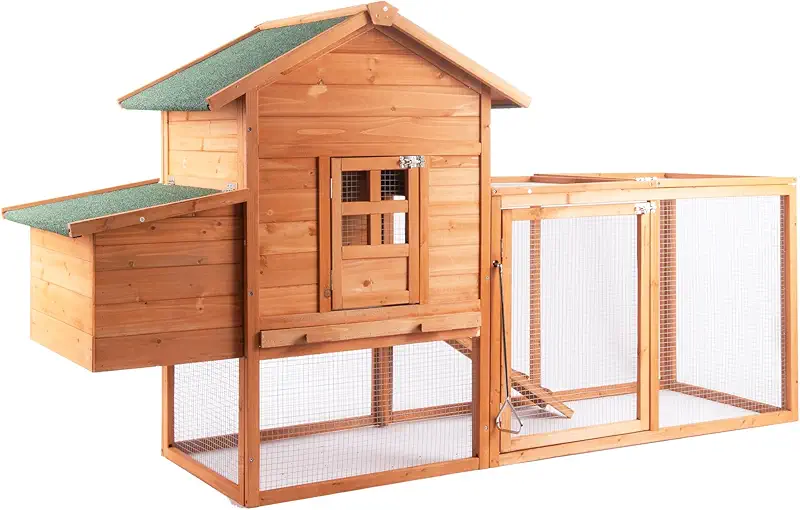
Key Features of a Chicken Coop Predator Proof Design
Over the years I’ve rebuilt, patched, cursed, and finally dialed in what makes a coop feel truly safe. When I look at any chicken coop, these are the predator proof features I check first:
1. Hardware Cloth, Not Chicken Wire
Chicken wire is good for one thing: keeping chickens in. It is not good at keeping predators out. A raccoon can tear it, a dog can push through it, and a weasel can slip right on past it.
For a chicken coop predator proof fence, I use 1/2 inch hardware cloth. It’s a stiff wire mesh that doesn’t give easily. I wrap it around the run, bury it at the base, and use it over windows and vents too.
- 1/2" hardware cloth on all openings
- Heavy duty staples or screws with washers
- No loose or flapping sections
2. Strong Door and Latch System
If a raccoon could get a job, it’d be as a locksmith. Simple slide latches and hooks are no challenge at all. I’ve watched a raccoon on a trail cam take five minutes to open a latch I thought was “pretty secure.”
Now, every door on my coop uses a lock or carabiner that takes at least two motions to open. If I can do it with two hands and a little thought, I know it’ll slow that masked bandit down.
3. Buried and Apron Fencing
Predators don’t mind a little digging. Foxes, dogs, even coyotes will work at a fence line if they smell birds on the other side. That’s why a chicken coop predator proof setup doesn’t stop at ground level.
I run my hardware cloth down into the ground about 8–12 inches, then extend it out horizontally around the coop in an “apron” about 12–18 inches wide. When something tries to dig, it hits wire and usually gives up.
4. Solid Roof or Tight Netting
If your run is open on top, you’re basically setting the table for hawks. I’ve had hawks swoop in so fast I barely saw them. A covered run gives your birds that extra peace of mind and keeps you from looking up every time a shadow passes.
I like a solid roof over at least part of the run, with either hardware cloth or tight netting over the rest. It also keeps the run drier, which means less mud and fewer smells. Chickens don’t like to swim, in case you were wondering.

5. Tight Vents and Windows
Chickens need fresh air, but those air holes can be weak points. Every vent and window in a chicken coop predator proof layout needs hardware cloth fastened from the inside, not just a loose screen.
I learned this the hard way with a weasel that slipped through a loose corner of a vent. Lost three birds in one night. Now I check vents and windows every season, inside and out.
My Daily and Nightly Chicken Safety Routine
Predator proofing isn’t just about the build; it’s how you use the coop every day. I treat my coop like a barn with a schedule, not a lawn ornament. Here’s the rhythm that’s kept my hens safe and laying steady.
Morning: Open, Count, and Scan
First light, I head out with a mug of coffee. I open the pop door, count the birds, and take a quick walk around the run. I look for:
- Fresh digging near the fence
- Loose wire or staples pulled out
- Tracks in the dirt or mud
- Feathers in unusual spots
It takes maybe three minutes, but it lets me catch trouble before it becomes a disaster.

Evening: Lockdown and Head Count
At dusk, chickens put themselves to bed. They may not be geniuses, but that part they get right. My job is to close the doors behind them. I do a full head count on the roost, close the pop door, and secure every latch. If a hen is missing, I look for her before it’s fully dark.
I’ve had nights where I was out in the bushes, whispering to one stubborn hen who thought she was a wild turkey. Found her, tucked her in, and slept a whole lot better.
Weekly: Hands-On Check
Once a week, I give the coop and run a more serious look. I push on the fence, tug on doors, and check the roof. If anything wiggles or rattles too much, I fix it that day. Predators notice weak spots faster than we do.
Signs Your Coop Is Not Predator Proof (Yet)
Sometimes you don’t realize your coop is vulnerable until something bad happens. I hope you skip that part. Here are warning signs I watch for that tell me a chicken coop predator proof upgrade is overdue:
- Fresh holes or tunneling along the fence line
- Wire that’s bent, rusted, or pulling away from the frame
- Doors that don’t shut square or need “a little shove”
- Latches that can be flipped with one finger
- Random feathers in the yard without a full molt going on
- Chickens acting nervous, staring at one side of the run
Your birds know when something’s been snooping around. If my flock is extra jumpy or won’t come out of the coop in the morning, I don’t ignore that. I grab a flashlight and check every inch.

Choosing a Chicken Coop Predator Proof From Day One
Not everyone wants to build from scratch, and that’s fine. There are plenty of pre-made coops and runs that can be turned into a true chicken coop predator proof setup with a bit of extra work. When I look at ready-made coops, here’s what I personally check:
- Frame made of solid wood or heavy metal, not thin, wobbly boards
- Hardware cloth or strong mesh, not thin chicken wire
- Room for an apron of buried fencing around the base
- Doors that close flush with the frame, no big gaps
- Windows and vents placed high with mesh already installed
- A roof strong enough to handle snow, wind, and raccoons climbing on it
I also like a layout that makes my life easier. If cleaning is a pain, you’ll put it off. And a dirty, cluttered coop attracts rats and other critters. A well-designed chicken coop predator proof build should help you keep things tidy without crawling around on your knees.

Predator Proofing and Happy Egg-Laying Hens
A chicken that doesn’t feel safe won’t lay right. Stress hits egg production hard. I’ve seen hens that went from a steady egg a day to almost nothing after one scare from a fox. Even if you don’t lose birds, constant prowling at night can keep them on edge.
When my coop is truly predator proof, I notice a few things:
- The hens settle fast at dusk instead of pacing the run.
- They lay more regularly and in the nest boxes, not random corners.
- They spend more time dust bathing and scratching, less time staring at fences.
- Roosters crow like they own the place instead of sounding the alarm every hour.
A chicken coop predator proof system isn’t just about bodies; it’s about minds. Calm birds are healthier birds, and healthy birds give you better eggs.

Extra Layers of Protection I Use Around the Coop
The coop is the heart of your defense, but I like to back it up with a few “outer fences” too. Over time I’ve added little things that make my whole yard less friendly to predators.
Lighting and Motion
I use a couple of motion-activated lights around the coop. Does light stop a hungry fox? Not always. But it makes them pause, and that pause is often enough to send them somewhere else. It also lets me see what’s going on if I peek out the window at night.
Good Yard Habits
Trash cans with loose lids, pet food left outside, and compost piles right next to the coop? That’s like hanging a neon sign that says “Free snacks, predators welcome.” I keep feed locked up, keep the area mowed, and don’t let junk pile up where critters can hide.
Fencing and Dogs
I do run a perimeter fence and I’ve got a farm dog who takes his night watch job seriously. Not everyone can do that, but even a simple fence around the yard adds one more step a predator has to fight through before it gets near your coop.

Frequently Asked Questions About Chicken Coop Predator Proof Setups
If you’re ready to give your hens a safer home and a calmer night’s sleep, take a quiet moment and look over some options that already have many of these safety features built in. You can always tweak and improve, but starting with the right bones makes everything easier.
Show me all coops