
Chicken coop ramp
Chicken Coop Ramp
Out here on the farm, a good chicken coop ramp can be the difference between calm, steady egg layers and a flock that stumbles, hesitates, and stresses every evening. Let me walk you through what really matters when your hens go up and down that ramp a dozen times a day.
- How to choose the right ramp length and angle
- Simple tricks so hens use it without fear
- Real-world tips to keep ramps safe, dry, and long‑lasting
Why a chicken coop ramp matters more than you think
I have been raising laying hens in the U.S. for a few decades now. I have tried just about every setup you can imagine: tall coops, low coops, mobile tractors, fancy store‑bought houses, and homemade contraptions that made my wife just shake her head. Through all that experimenting, one quiet little detail kept proving itself important again and again: the chicken coop ramp.
When the ramp is right, the birds move calm and steady, like they own the place. When it is wrong, you see birds pile up, slip, or jump off the side. That is when legs get twisted, feathers get broken, and stress spreads through the flock. Stressed hens lay fewer eggs. That is farm truth you can take to the bank.
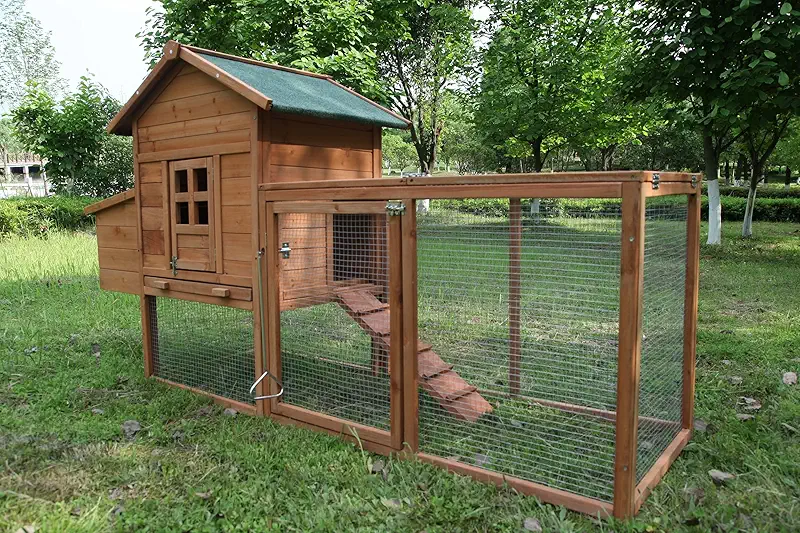
A good chicken coop ramp turns that daily trip in and out of the coop into a simple habit. The birds do not think about it, they just use it. My old Rhode Island Red hen, Daisy, used to waddle up the ramp every night at the exact same time, like she had an appointment. That is what you want: habits, not drama.
If you are just getting started with your first coop or trying to improve the one you have, paying attention to the chicken coop ramp is one of the easiest upgrades you can make. It does not look glamorous, but your birds sure will appreciate it.
How long and how steep should a chicken coop ramp be?
Folks ask me all the time, “How steep can I make this thing?” My answer is always the same: flatter than you think. Hens can go up some pretty good slopes, but they do not like feeling like mountain goats. If the ramp is too steep, they will jump, hesitate, or crowd each other.
As a rule of thumb, I like to keep the angle gentler than 45 degrees. Somewhere around 30–40 degrees is a sweet spot for most backyard coops. Older hens, big heavy breeds, and roosters with long spurs will thank you for keeping it on the gentler side.
| Coop door height | Comfortable ramp length | Notes from the farm |
|---|---|---|
| 18 in (low coop) | 36–40 in ramp | Good for most small backyard flocks |
| 24 in | 48–60 in ramp | Heavy breeds appreciate the extra length |
| 30–36 in | 60–72 in ramp | Add plenty of cleats or steps for grip |
| Over 36 in | 6–8 ft ramp or switchback | Consider a landing or a switchback for safety |
One winter I tried a short, steep ramp to save space. Looked clever on paper. In real life, my big Orpington hen, Betty, slid halfway down and rode it like a kid on a sled. She was fine, but that was the last time she trusted that ramp. I rebuilt it longer the next weekend and she went back to strolling up like a lady.
Key points for ramp size
- Longer is almost always better for the birds, if you have room.
- Wider ramps (10–12 inches) help when several hens try to go in at once.
- Gentle slopes are important for older hens and large, heavy breeds.
- Keeps doors higher off the ground while still easy to use.
If you are not sure, err on the side of longer and gentler. Wood is cheaper than injured hens and vet bills.
What makes a safe, reliable chicken coop ramp?
A chicken’s feet are made for scratching dirt, not for walking on ice. So when I build or pick a chicken coop ramp, I look at it through chicken eyes. Can they grip it? Will it be slippery when it is wet or icy? Does it feel solid underfoot?
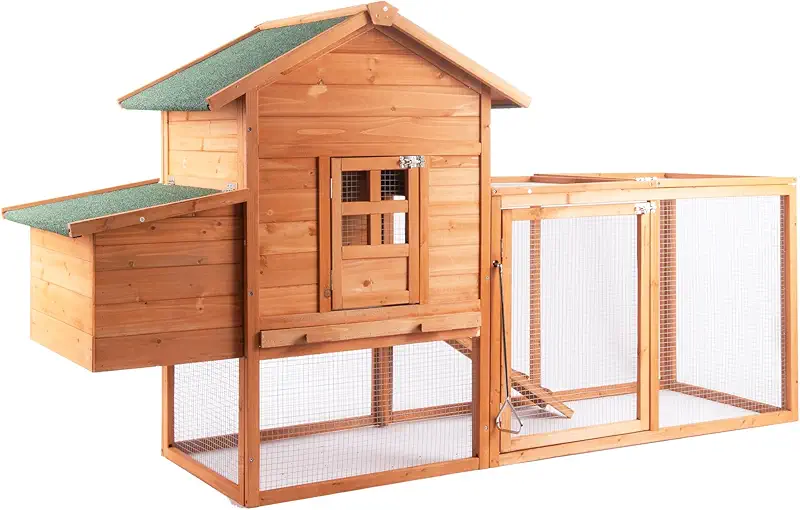
Grip: give those claws something to hold
A plain smooth board is just asking for trouble, especially in rain or snow. I like ramps with cleats or “rungs” every 4–6 inches. Little cross pieces of wood, ribbed surfaces, or textured treads all make a big difference. Your hens should feel like they are walking up a low set of steps, not a slide.
On one of my older ramps, I just screwed on some leftover wood strips every few inches. It was not pretty, but the hens went from slipping to strutting in one day. They notice these things quicker than we do.
Width and railings
I like a chicken coop ramp to be at least 8–10 inches wide. Twelve inches is even better when space allows. That way two hens can pass each other or bunch up a bit without falling off the side.
Most backyard ramps do not need side rails, but they can help with taller coops or skittish birds. I have had a few nervous pullets who seemed happier when there was even a low edge to keep them “on the path.”
Solid attachment
A wobbly ramp is a ramp the hens will avoid. The top should be firmly attached to the coop or to a strong bracket. The bottom should sit flat on the ground without rocking. When I install a new ramp, I always step on it myself and bounce a little. If it moves under my boots, I fix it before the birds ever see it.
Best materials for a chicken coop ramp
Over the years, I have built ramps out of whatever lumber I had around: old pallet boards, scrap decking, even an old barn door once. Some held up great. Others rotted or warped and had my hens looking at me like, “Really, this again?”

Wooden ramps
Wood is still my favorite for most backyards. It is easy to cut, easy to repair, and it has a natural feel to it. Pressure‑treated or rot‑resistant lumber lasts longer, especially where the ramp touches damp ground. Just be sure any finish is safe once it is fully cured.
I avoid paints and coatings on the walking surface that dry slick. If I do paint, I throw a little sand in the wet paint to add grip. It is a cheap trick that works wonders.
Metal and composite ramps
I have tried a couple of metal ramps that came with pre‑built coops. They looked fancy, but in winter they turned into little sheets of ice. If you like metal or composite ramps for their durability, make sure the surface is really grippy or has built‑in steps.
Store‑bought vs homemade
These days there are plenty of ready‑made options designed as a chicken coop ramp. The good ones save time and often fold, adjust, or detach for cleaning. For folks who do not want to drag out the saw and hammer, they are a nice middle ground.
I still build some of mine, but I will be honest with you: as I get older, I am more willing to let someone else do the cutting and drilling. When I see a ramp that checks my boxes for length, grip, and strength, sometimes I just say, “Yep, that one,” and move on to more fun chores, like gathering eggs.
How to train your hens to use a chicken coop ramp
Most hens figure a ramp out in a day or two, but every flock has one or two birds who think rules do not apply to them. I had a Barred Rock hen named Mabel who insisted on flying up to the door and skipping the ramp entirely. She looked proud of herself, but she also missed and crashed more than once.

Simple ramp training steps
- Start with a gentle angle. If they are new to it, make it as low as you can at first.
- Use treats as guides. Scatter a light trail of scratch or a few peas right up the ramp.
- Lead one calm hen first. Chickens love to copy each other. Train the bold one and the rest follow.
- Block off alternative paths. If they can hop in from a stump, they will. Make the ramp the obvious route.
- Be patient for a few evenings. Stand by at dusk the first couple nights and gently direct anyone confused.
After a few nights, the routine sets in. They remember where “home” is, and the chicken coop ramp just becomes the normal road to bed. I have watched whole generations of birds learn from the older hens without me lifting a finger.
Keeping your chicken coop ramp safe through all seasons
Out here, we get hot summers, muddy springs, and winters that make you grab your thickest coat. Through it all, that little ramp takes a beating. Sunshine, rain, manure, and claws all wear it down. A few simple habits keep it in good shape and keep your hens safe.

Cleaning routine
Once a week, I give each chicken coop ramp a quick look and a scrape. A wide putty knife or an old brush works just fine. Dried manure not only smells bad, it makes good ramps slick over time. Two minutes of scraping saves a lot of slipping.
Seasonal checks
- Spring: Check for rot where the ramp meets damp ground.
- Summer: Make sure the ramp is not too hot to touch in full sun.
- Fall: Tighten any loose screws and look for warping.
- Winter: Knock off ice and packed snow, add extra grit if needed.
One icy morning I watched a young rooster hit a frozen ramp and ski halfway down, wings flapping like a broken umbrella. He was fine, but I took that as my sign to rough up the surface and add some extra cleats before the next storm rolled in.
Matching your chicken coop ramp to your hens and setup
Not every flock is the same, and not every chicken coop ramp should be the same either. Tiny bantams hop around like little sparrows, while big dual‑purpose hens move more like middle‑aged ladies in church shoes. Your ramp should fit your birds and your space.

For heavy laying breeds
If you keep big girls like Orpingtons, Brahmas, or Jersey Giants, keep that ramp gentle and wide. Their bodies are strong, but their legs and joints still take a lot of weight. A good ramp saves them from all that hopping and jumping, especially as they age.
For mixed flocks and roosters
With roosters around, chaos at the ramp can happen when everyone wants to go in at once. Wider ramps with solid grip make traffic jams less dangerous. I like to think of it like building a low‑speed highway instead of a skinny little bridge.
For small urban coops
In town, space is usually tight. I have seen some clever setups where the chicken coop ramp doubles back in a switchback or has a little landing halfway. As long as the birds can see the path and it feels solid, they adapt just fine.
If your coop door is high and space is limited, that is when I start looking close at pre‑built ramp designs. Some of them are made to fold or angle in ways that make life easier in a small yard.
How a good chicken coop ramp supports laying hens
Now, you might be thinking, “Does a simple board really change how many eggs I get?” Not all by itself, no. But on a farm, all the little pieces add up. Calm birds lay better. Hens that do not hurt themselves jumping in and out of the coop stay in better shape. Strong legs and low stress make for steady egg baskets.

I pay close attention at dusk when the hens go in. If they move up the chicken coop ramp in a calm line, no shoving, no panic, no falling, I know my setup is doing its job. If I see birds trying to fly past each other, or hesitating at the bottom, that tells me I still have work to do.
Small details that help layers
- Quiet, stable ramp: no creaks, no wobble, nothing that startles them.
- Safe night access: they can get in quickly if a hawk or dog wanders by.
- Easy morning exit: they move straight out to food and water without stress.
- Safe for older hens: older layers can keep working without leg injuries.
I think of the ramp as part of the hens’ workday. My job is to make that “commute” as simple as possible so they can focus on what they do best: scratching, clucking, and filling the nest boxes.
Common chicken coop ramp mistakes to avoid
After watching flocks for years, I see the same ramp mistakes over and over from new keepers. None of them are fatal, but they do make life harder on the birds. If you can dodge these, you are ahead of the game.

1. Ramp too steep
This is the big one. Short ramp, tall coop, unhappy hens. If you see birds trying to fly instead of walk, that is your sign to lengthen it or change the angle.
2. No cleats or grip
Smooth wood plus wet feet equals trouble. Even a few simple cleats every few inches make a world of difference.
3. Wobbly, noisy ramps
Chickens do not like surprises. If the ramp bangs, squeaks, or shifts under them, a few birds may avoid it and start sleeping in odd places. Secure those joints tight.
4. Hard‑to‑clean designs
Ramps that are bolted in place forever can turn into a mess under the door. I like designs that can be lifted, folded, or at least reached easily with a brush or shovel.
5. Forgetting predator safety
A ramp can also help or hurt your predator protection. Make sure the ramp does not give raccoons or rats an easy path into the coop. Some folks fold the ramp up at night and latch it as part of locking up the birds.
I sleep better when I know the doors are shut, the ramp is secure, and everyone is perched inside, full of feed and ready to lay tomorrow’s breakfast.
FAQ about chicken coop ramps
1. Do chickens really need a chicken coop ramp?
If your coop door is more than a few inches off the ground, I strongly recommend a ramp. Younger and lighter birds might hop in and out just fine without one, but heavier laying hens and older birds do better with a steady path. A ramp cuts down on leg injuries and makes bedtime calmer for the whole flock.
2. How wide should a chicken coop ramp be?
For most backyard flocks, 8–12 inches wide works well. I like 10–12 inches for mixed flocks and bigger birds because they can pass each other more easily. A narrow ramp can work for small bantams, but once you see three curious hens trying to share space, you will be glad for the extra width.
3. How far apart should the cleats or steps be?
I space little cleats or rungs about 4–6 inches apart. That gives each step of the chicken’s stride something solid to catch. For smaller birds, I stay closer to 4 inches; for big hens, 5–6 inches is fine. What matters most is that their feet never feel like they are sliding backward.
4. Can I move or fold the ramp for cleaning?
Yes, and it is a smart idea. Many good designs either hinge at the top so you can fold the ramp up, or detach at one end so you can get a shovel or rake underneath. Manure and mud build up fast in that area. Being able to clean under and around the ramp keeps your coop entrance healthier and less smelly.
5. What is the best chicken coop ramp for bad weather?
In muddy or icy climates, I look for a ramp with strong grip, solid wood or sturdy composite, and good spacing on the cleats. I avoid smooth metal, and I like a design that lets me knock off snow and ice quickly. A slightly wider ramp also helps when birds are extra cautious on frosty mornings.
Ready to find the right ramp for your flock?
By now you can probably picture exactly what your hens need: a chicken coop ramp that is long enough, sturdy enough, and gentle enough that they just stroll up and down without a fuss. No rodeo stunts, no sliding, no pileups at the door. Just calm birds and an easy routine, day after day.
Whether you are fixing an old coop or setting up your very first flock, taking a few minutes to pick the right ramp is time well spent. Your hens will show you their approval the best way they know how: by going to bed peacefully at night and filling your nest boxes in the morning.